
The engines listed here have powered some of the most formidable machines in history, each proving its worth under challenging conditions. From aircraft to tanks, these engines have demonstrated exceptional performance and reliability. Let’s take a closer look at nine battle-tested engines that have left a mark on engineering and history.
The Pratt & Whitney R-2800 Double Wasp Engine

The Pratt & Whitney R-2800 Double Wasp Engine was a powerhouse in World War II, propelling iconic aircraft like the Vought F4U Corsair and the Republic P-47 Thunderbolt. This 18-cylinder radial engine was known for its durability and power, generating up to 2,400 horsepower. Its robust design allowed pilots to withstand tough combat conditions, making it a key component in achieving air superiority.
In addition to its wartime achievements, the R-2800 saw post-war use in commercial and military aviation. Its influence extended to civilian aircraft, where it continued to serve with reliability and performance. The R-2800’s legacy is a testament to its engineering excellence and its crucial role in aviation history.
The Rolls-Royce Merlin Engine
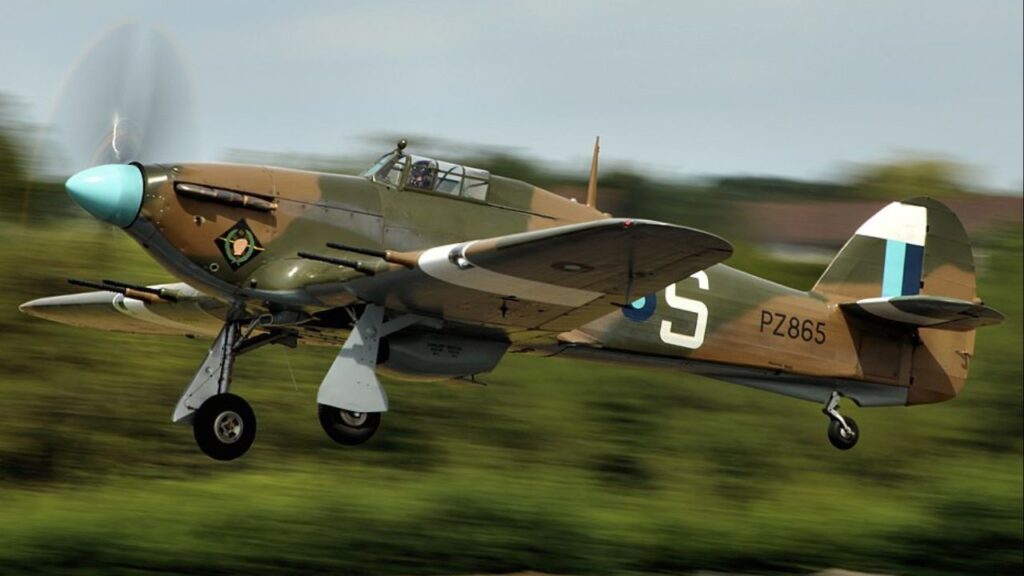
The Rolls-Royce Merlin Engine is synonymous with the legendary Supermarine Spitfire and the Hawker Hurricane, which played pivotal roles in the Battle of Britain. This V12 piston engine delivered exceptional power and efficiency, enabling aircraft to reach formidable speeds and altitudes. Its adaptability also led to its use in the Avro Lancaster bomber and the North American P-51 Mustang.
The Merlin’s success was not just in its engineering but also in its impact on the outcome of World War II. It provided Allied forces with a technological edge, contributing to victories in the air. The engine’s reputation for performance and reliability has made it a celebrated piece of aviation history.
The General Electric GE90 Turbofan Engine

The General Electric GE90 Turbofan Engine powers some of the largest and most advanced commercial aircraft, including the Boeing 777. Known for its impressive thrust and fuel efficiency, the GE90 set records for the most powerful jet engine when it was introduced. Its design innovations have significantly reduced operating costs while maintaining high performance standards.
Beyond its technical achievements, the GE90 has played a critical role in shaping modern long-haul air travel. Its reliability and efficiency have allowed airlines to operate more economically, enhancing connectivity across the globe. The GE90 continues to be a benchmark in turbofan engine technology.
The Cummins 6BT Diesel Engine
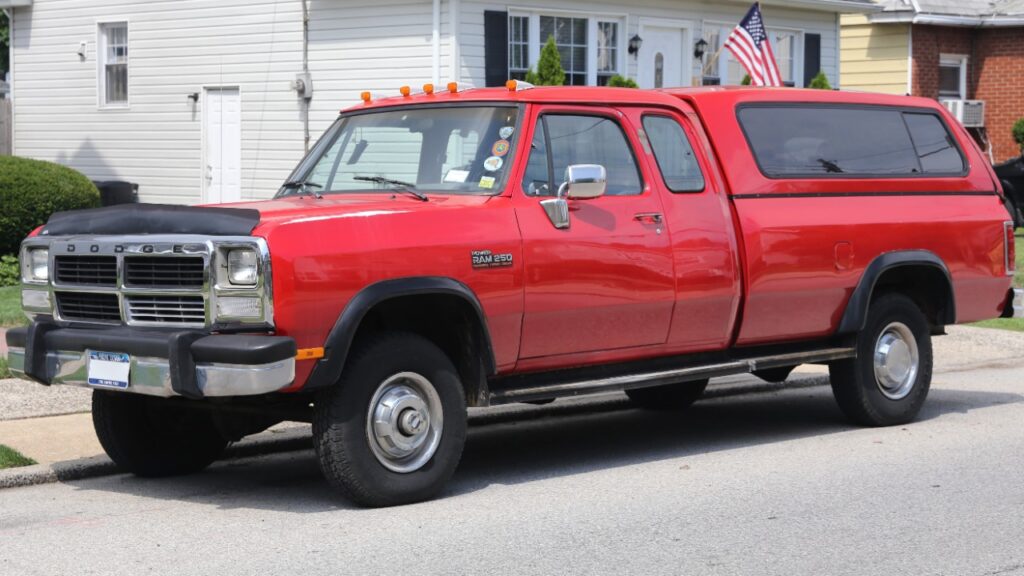
The Cummins 6BT Diesel Engine is a favorite among off-road enthusiasts and commercial vehicle operators. Known for its ruggedness and reliability, this engine has powered a range of vehicles, from pickup trucks to agricultural machinery. Its straightforward design and ease of maintenance have made it a popular choice in demanding environments.
One notable application of the 6BT is its use in the Dodge Ram trucks throughout the 1980s and 1990s, where it quickly earned a reputation for durability and torque. Its versatility and long service life continue to make it a preferred option for various industrial and automotive applications.
The Caterpillar C32 Diesel Engine

The Caterpillar C32 Diesel Engine is a powerhouse in the world of heavy machinery. With applications ranging from marine vessels to mining trucks, the C32 is known for its high performance and durability. It delivers up to 1,800 horsepower, making it suitable for the most challenging tasks.
Its robust construction and advanced electronic controls ensure optimal performance and fuel efficiency. The C32 has become a cornerstone in industries that demand reliability and power, underscoring Caterpillar’s reputation for engineering excellence. It continues to be a trusted engine in both commercial and industrial sectors.
The Continental AV1790 Engine
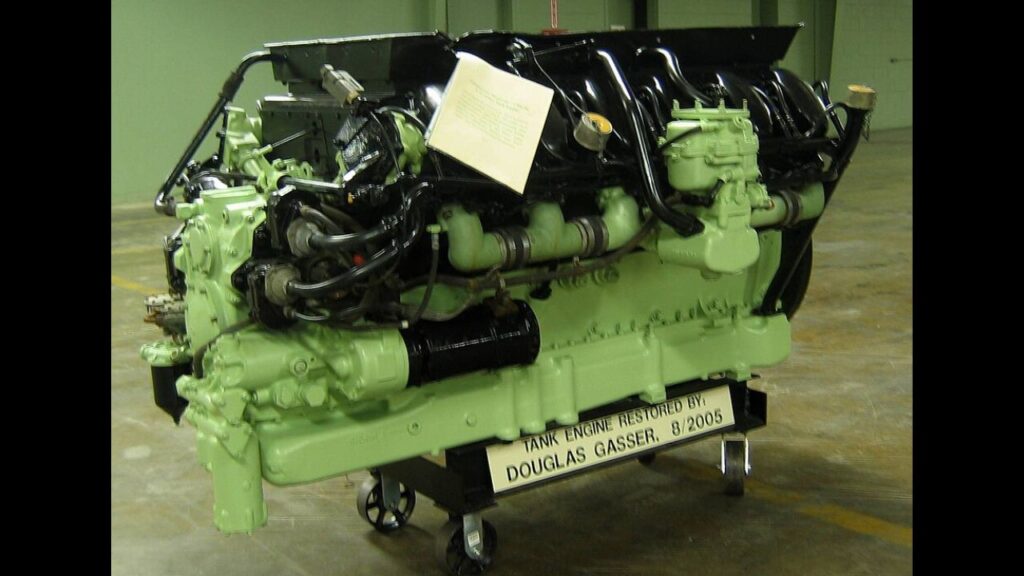
The Continental AV1790 Engine powered the iconic M47 and M48 Patton tanks during the Korean and Vietnam Wars. This gasoline engine was known for its high power output, enabling tanks to maneuver effectively in combat situations. Its design was focused on providing the necessary speed and agility required in battlefield conditions.
Despite the challenges of maintaining a gasoline engine in armored vehicles, the AV1790 proved to be a reliable powerplant. It played a crucial role in armored warfare, helping to establish its reputation as a formidable engine in military history.
The MTU MB 873 Ka-501 Engine
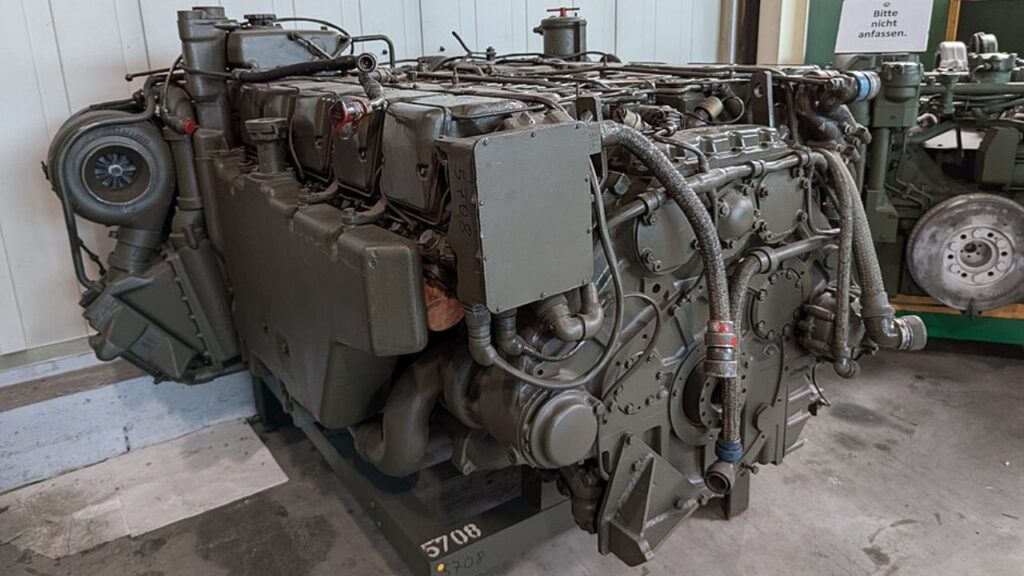
CC BY 2.0
The MTU MB 873 Ka-501 Engine is a diesel engine that powers Germany’s Leopard 2 main battle tank. Renowned for its high performance and reliability, the MB 873 produces up to 1,500 horsepower, allowing the Leopard 2 to achieve impressive speed and agility on the battlefield.
Its advanced engineering ensures operational efficiency and durability under the toughest conditions. The engine’s success in the Leopard 2 has cemented its place as a leading choice in armored vehicle power, showcasing Germany’s expertise in military technology.
The Detroit Diesel Series 60 Engine

The Detroit Diesel Series 60 Engine is a staple in the trucking industry. Known for its fuel efficiency and longevity, it has powered countless commercial trucks across North America. Introduced in the late 1980s, the Series 60 was one of the first heavy-duty engines equipped with electronic controls, setting a new standard for performance and emissions.
Its reputation for reliability and low operating costs has made it a favorite among fleet operators. The Series 60’s impact on the trucking industry is undeniable, as it continues to be a trusted engine for long-haul transportation.
The Allison V-1710 Engine

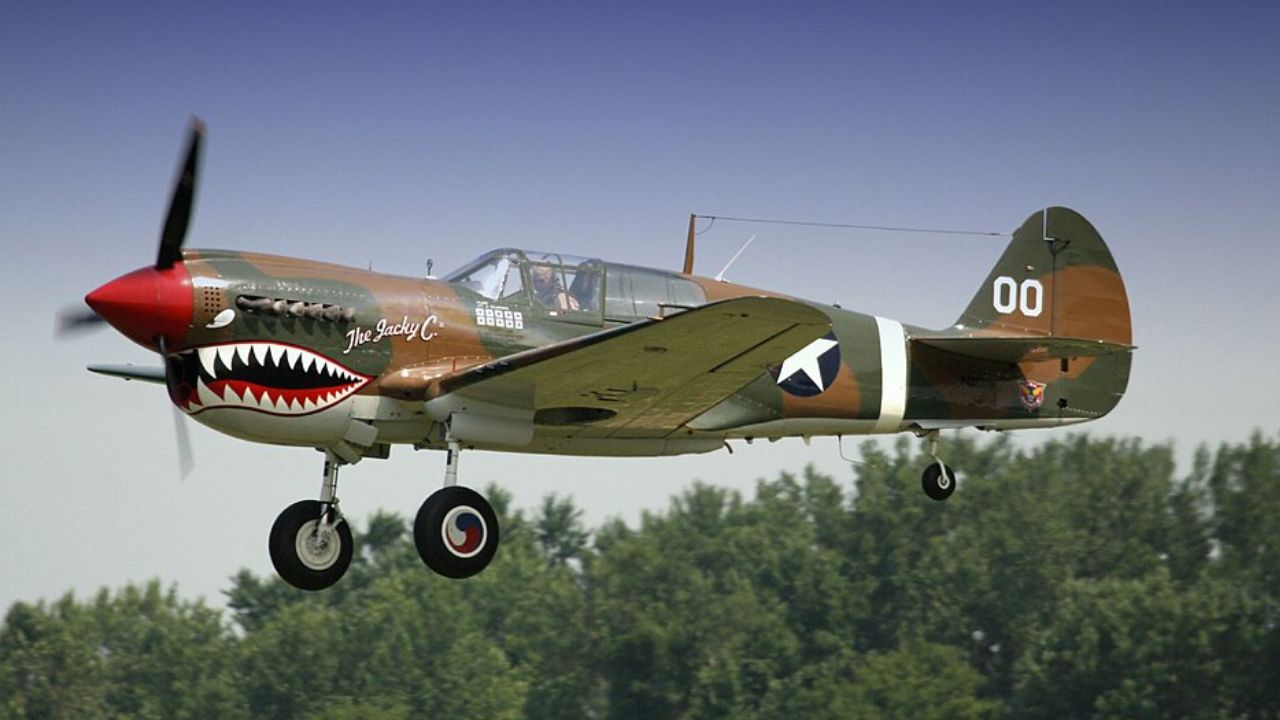
The Allison V-1710 Engine was the only liquid-cooled engine developed by the United States for fighter aircraft in World War II. It powered a variety of aircraft, including the P-38 Lightning and the P-40 Warhawk. Known for its versatility and reliability, the V-1710 was crucial in providing the U.S. military with high-performance aircraft.
Despite initial challenges in high-altitude performance, the engine was continuously improved, leading to successful deployment in various combat scenarios. The V-1710’s contribution to U.S. aviation history is significant, providing a foundation for future innovations in aircraft engine design.