

Throughout modern military history, certain weapons systems have fundamentally altered the dynamics of warfare. These innovations have not only changed how battles are fought but have also significantly influenced geopolitical power structures around the globe. Here, I delve into eight pivotal weapons systems that have shaped modern conflicts.
Precision-Guided Munitions
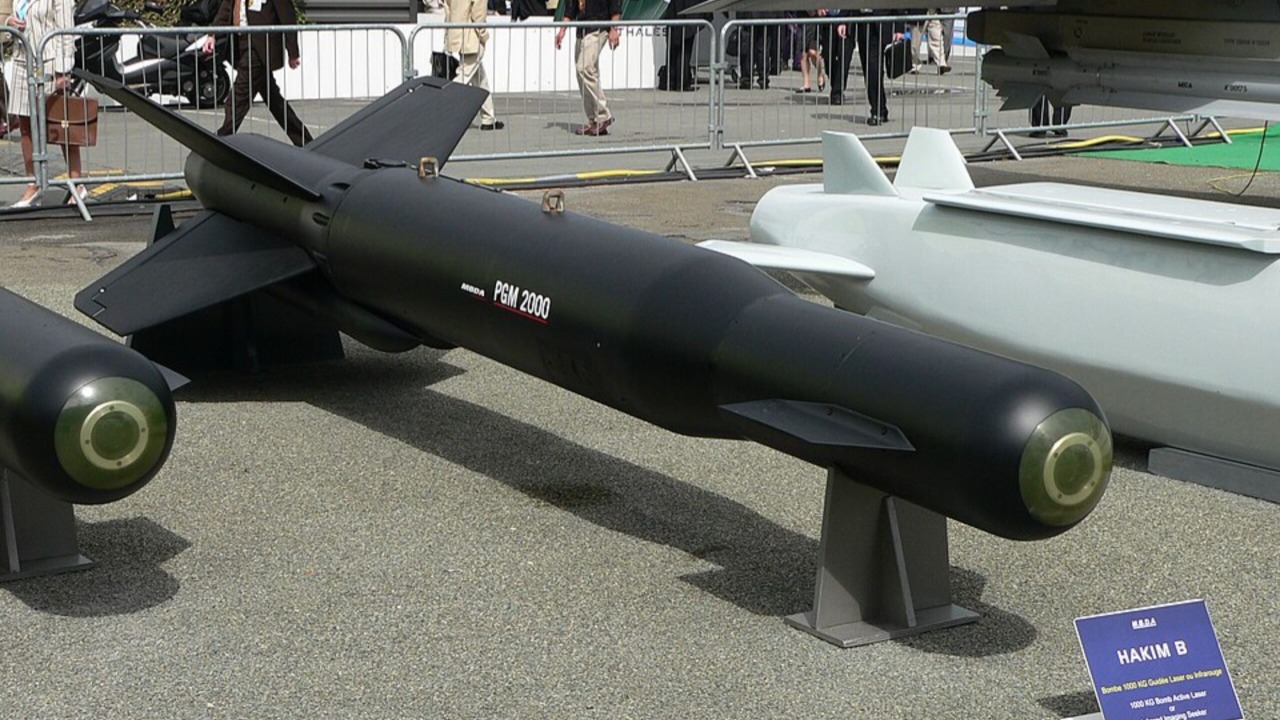
Precision-guided munitions (PGMs) revolutionized warfare by allowing for highly accurate targeting, minimizing collateral damage and increasing effectiveness. These weapons, such as laser-guided bombs and GPS-guided missiles, have been crucial in various conflicts, including the Gulf War in 1991. The ability to strike targets with pinpoint accuracy from a safe distance has changed the way military operations are planned and executed.
PGMs have enabled militaries to engage targets in urban environments with reduced risk to civilians and infrastructure. The use of PGMs has also led to a shift in the balance of power, as nations with advanced targeting capabilities can exert significant influence on the battlefield.
Aircraft Carriers

Aircraft carriers have been a cornerstone of naval power since their development in the early 20th century. These floating airbases provide nations with the ability to project air power globally without relying on foreign bases. The USS Enterprise, for example, played an essential role during the Cuban Missile Crisis by showcasing American naval strength.
The flexibility and mobility of aircraft carriers allow for rapid response to international crises. They serve not only in combat roles but also in humanitarian missions and disaster relief, demonstrating their versatility and strategic importance in modern naval doctrine.
Unmanned Aerial Vehicles (Drones)

Unmanned Aerial Vehicles (UAVs), or drones, have transformed reconnaissance and combat operations. Their ability to perform surveillance and strike missions without risking pilot lives has made them indispensable in modern warfare. The use of drones in operations in Afghanistan and Iraq has provided invaluable tactical advantages.
Drones offer persistent surveillance capabilities, allowing for real-time intelligence gathering and target acquisition. Their use in counter-terrorism efforts has been particularly effective, enabling precise strikes against high-value targets while minimizing the risk to military personnel.
Stealth Technology
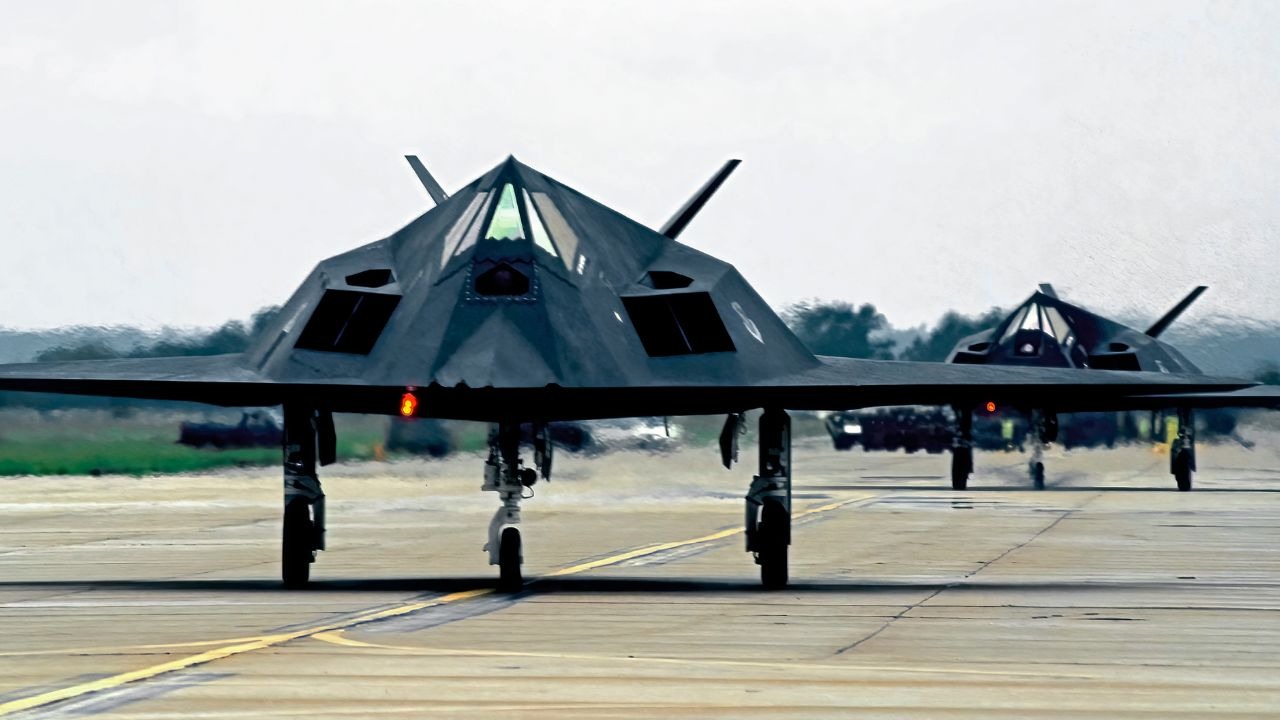
Stealth technology has redefined aerial combat and reconnaissance by making aircraft less detectable to radar and other detection methods. The development of the F-117 Nighthawk during the Cold War highlighted the effectiveness of stealth capabilities, allowing aircraft to penetrate heavily defended airspace.
Stealth technology continues to evolve with aircraft like the B-2 Spirit and F-35 Lightning II, providing strategic advantages by reducing the likelihood of detection. This technology has shifted air power dynamics, as nations with stealth capabilities can conduct missions with a lower risk of interception.
Main Battle Tanks

Main battle tanks (MBTs) have been a dominant force on the battlefield since World War II. These heavily armored and armed vehicles provide a combination of firepower, mobility, and protection. The M1 Abrams, for example, showcased its superiority during the Gulf War, demonstrating the effectiveness of modern tank warfare.
MBTs serve as the backbone of ground forces, enabling them to engage and destroy enemy armor and fortified positions. Their continued development ensures that they remain relevant in combined arms operations, adapting to new threats such as anti-tank guided missiles and drone attacks.
Cyber Warfare Tools

Cyber warfare tools have emerged as a new domain of conflict, where nations engage in cyberattacks to disrupt, disable, or steal information. The Stuxnet worm, reportedly used to target Iran’s nuclear program, exemplifies the strategic use of cyber capabilities to achieve military objectives without traditional combat.
Cyber warfare can undermine an enemy’s command, control, and communication infrastructure, causing chaos and confusion. As reliance on digital networks grows, cyber warfare tools become increasingly critical in national defense strategies, highlighting the need for robust cybersecurity measures.
Ballistic Missile Defense Systems

Ballistic missile defense systems are designed to detect, track, and intercept incoming missiles, protecting nations from potential nuclear and conventional threats. Systems like the U.S. Aegis Ballistic Missile Defense have become vital components of national security strategies.
These systems provide a defensive shield against missile attacks, reassuring allies and deterring adversaries. The development and deployment of such systems underscore the importance of technological superiority in maintaining strategic stability and preventing escalation in volatile regions.
Advanced Infantry Weapons Systems

Advanced infantry weapons systems have enhanced the effectiveness and versatility of ground forces. Innovations in personal firearms, such as the HK416 and the FN SCAR, offer improved accuracy, reliability, and adaptability to various combat scenarios.
Modern infantry systems also include advanced optics, body armor, and communication gear, providing soldiers with increased situational awareness and protection. These advancements ensure that infantry units remain a crucial component of military operations, capable of adapting to evolving threats and environments.