

Modern navies are equipped with an array of strategies to engage in conflicts without resorting to full-scale war. These tactics are designed to assert dominance, gather intelligence, and apply pressure while minimizing open hostilities.
Cyber Warfare Tactics

Cyber warfare has emerged as a critical tool in modern naval strategy. By targeting communication networks, navigation systems, and other digital infrastructure, navies can disrupt adversaries without direct confrontation. For instance, in 2017, the WannaCry ransomware attack affected various sectors globally, highlighting the potential for cyber operations to impact national security.
Navies utilize cyber tactics to gain intelligence or disable key systems, often leaving little trace of their involvement. Such operations can serve as a powerful deterrent or a precursor to more conventional military actions, allowing nations to project power in the digital realm.
Economic Blockades

Economic blockades are another means by which modern navies exert influence without engaging in open conflict. By restricting access to vital shipping routes or ports, a navy can apply significant economic pressure on a targeted nation. The U.S. naval blockade of Cuba during the Cuban Missile Crisis is a historical example of how effective this tactic can be.
In today’s interconnected world, the impact of an economic blockade can be swift and severe, affecting not only the targeted nation but also its trading partners. This form of economic warfare can force diplomatic negotiations and concessions without firing a single shot.
Joint Military Exercises

Joint military exercises serve as both a training opportunity and a strategic signal to potential adversaries. By conducting exercises with allied nations, navies demonstrate their readiness and capability to respond to threats. The Rim of the Pacific (RIMPAC) exercise, for instance, is the world’s largest international maritime warfare exercise, involving numerous countries and demonstrating collective strength.
These exercises can also serve diplomatic purposes, reinforcing alliances and deterring aggression by showcasing the combined might of participating nations. They offer a way to display military prowess without direct confrontation.
Intelligence and Surveillance Operations

Gathering intelligence and conducting surveillance are essential components of naval strategy. Modern navies employ a variety of methods, including satellite reconnaissance, unmanned aerial vehicles, and submarines, to monitor potential threats. The information gathered can provide invaluable insights into an adversary’s capabilities and intentions.
These operations are often conducted covertly, allowing navies to maintain a strategic advantage without provoking an open conflict. By staying informed of enemy movements and strategies, navies can make informed decisions and prepare for potential escalations.
Naval Blockades

Naval blockades involve the positioning of naval forces to prevent the movement of goods, military supplies, or personnel into or out of specific areas. This strategy was notably employed during the Falklands War, where the British Navy established a blockade to isolate Argentine forces.
While similar to economic blockades, naval blockades focus on military objectives, aiming to weaken an enemy’s strategic position. They serve as a way to apply pressure and contain conflicts without escalating into full-scale warfare.
Special Operations and Covert Missions
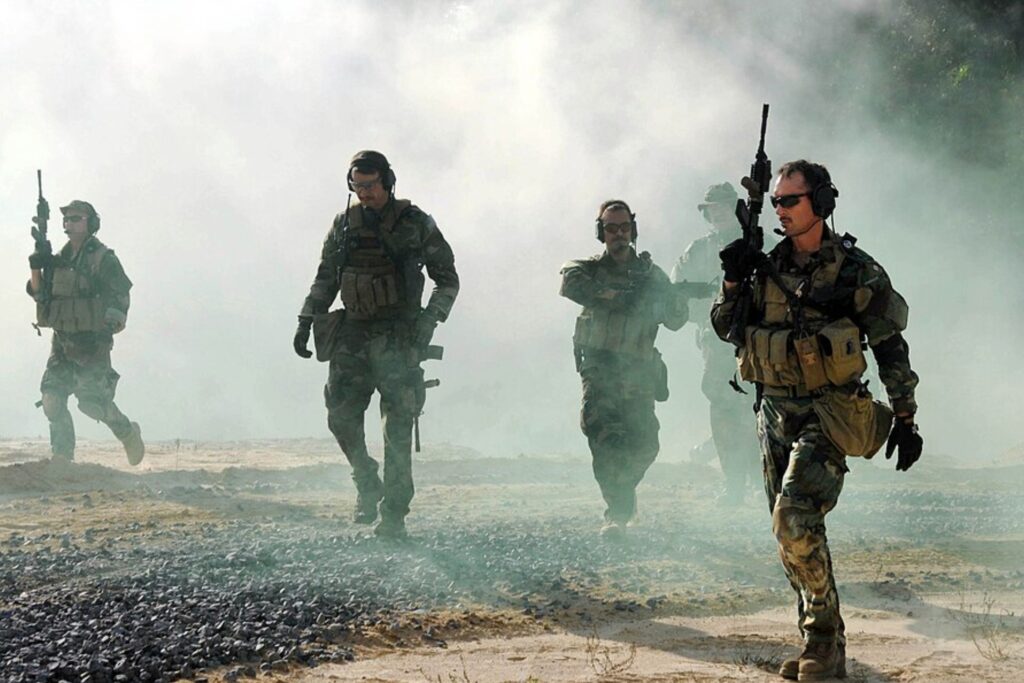
Special operations forces are often deployed for covert missions that require precision and secrecy. These missions might involve sabotage, reconnaissance, or direct action against high-value targets. The U.S. Navy SEALs’ operation to eliminate Osama bin Laden in 2011 is a prime example of how special operations can achieve strategic goals without broader military engagement.
Such missions allow navies to achieve specific objectives while minimizing collateral damage and avoiding the risks associated with larger military operations. The element of surprise and the ability to operate behind enemy lines make special operations a valuable tool in modern naval warfare.
Diplomatic Shows of Force

Diplomatic shows of force involve the deployment of naval assets to convey a message of strength and resolve. By positioning aircraft carriers or warships near contested regions, navies can signal their readiness to defend interests and deter aggression. The U.S. Navy’s frequent freedom of navigation operations in the South China Sea exemplify this approach.
These displays are designed to influence diplomatic negotiations and reassure allies, demonstrating a nation’s commitment to maintaining regional stability. They serve as a reminder of military capabilities without necessitating direct action.
Maritime Patrol and Interdiction
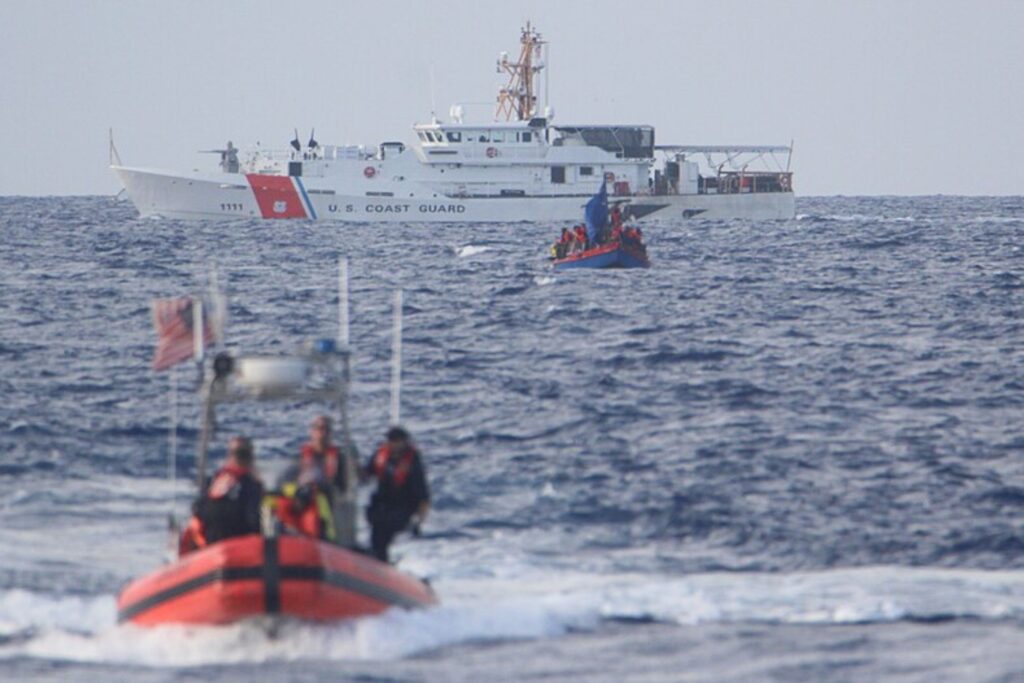
Maritime patrols and interdiction operations are essential for maintaining security and enforcing international laws at sea. By patrolling crucial waterways and conducting inspections of vessels, navies help prevent illegal activities such as smuggling, piracy, and trafficking.
These operations are a proactive means of ensuring maritime security and protecting national interests. The coordinated efforts of international coalitions, such as the Combined Maritime Forces’ fight against piracy in the Gulf of Aden, demonstrate the effectiveness of these strategies in maintaining peace and stability.