
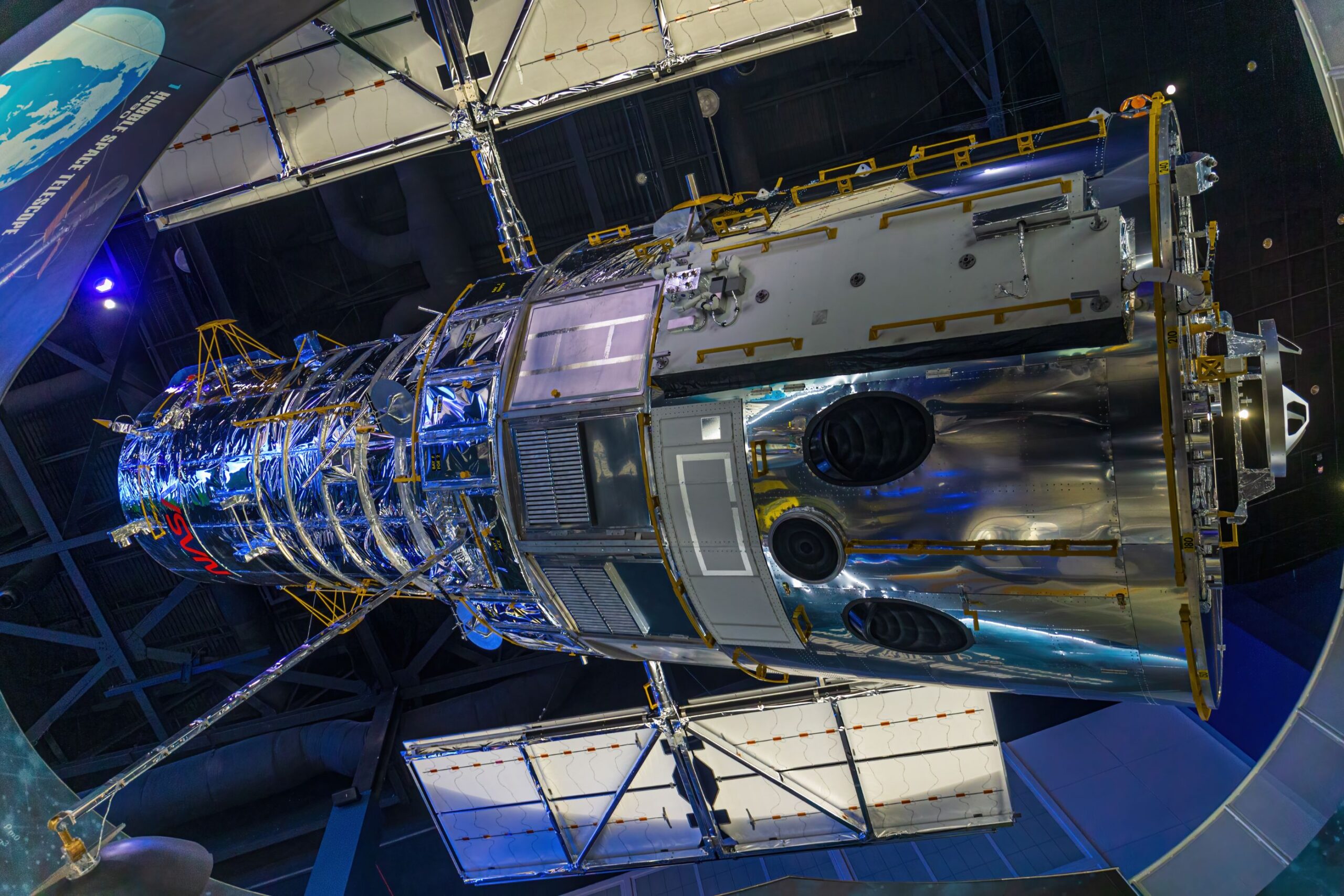
Space exploration has always been a challenging yet fascinating frontier, and some spacecraft have stood out for their reliability and contributions to our understanding of the universe. These remarkable machines have journeyed far beyond Earth, sending back invaluable data and redefining what we know about space. Here are eight spacecraft that have proven their reliability beyond our planet.
Voyager 1
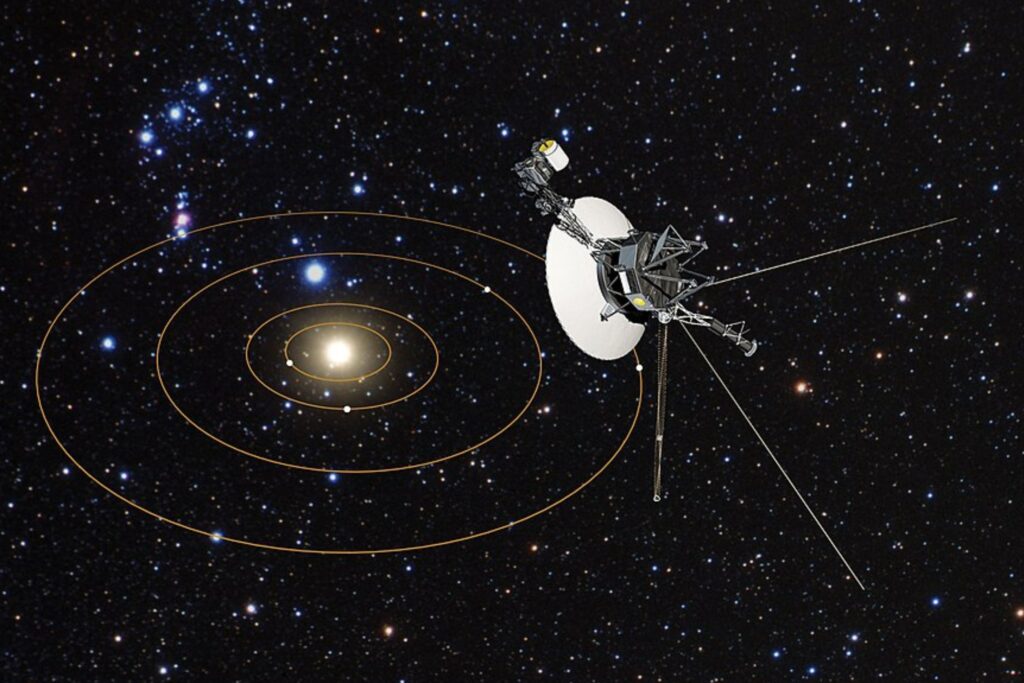
Launched in 1977, Voyager 1 has traveled farther than any other human-made object, venturing into interstellar space. This spacecraft has provided unprecedented insights into the outer planets and continues to send data back to Earth, even after over four decades in space. Its primary mission was to explore Jupiter and Saturn, and it accomplished this with great success, capturing detailed images and data that have been foundational to our understanding of these giant planets.
Voyager 1’s reliability is a testament to the engineering marvels of the time. Despite the harsh conditions of space, it continues to operate, though its power supply is diminishing. The mission’s longevity and continued contributions make Voyager 1 a symbol of human ingenuity and persistence in space exploration.
Voyager 2
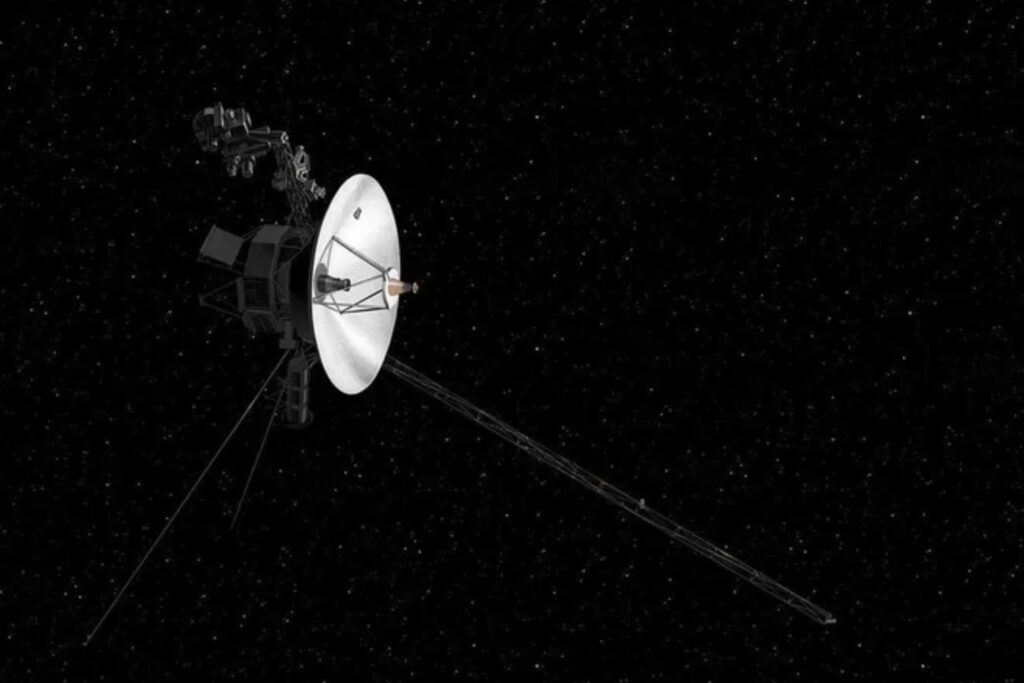
Voyager 2, the twin of Voyager 1, was also launched in 1977 and has had a similarly impressive journey. It is the only spacecraft to have visited all four outer planets: Jupiter, Saturn, Uranus, and Neptune. This feat alone makes it a standout in the annals of space exploration. The data and images collected by Voyager 2 have significantly enriched our understanding of the solar system.
Like its twin, Voyager 2 continues to communicate with Earth, providing invaluable information about the heliosphere and beyond. Its mission has exceeded expectations and continues to inspire new generations of scientists and engineers.
Cassini-Huygens
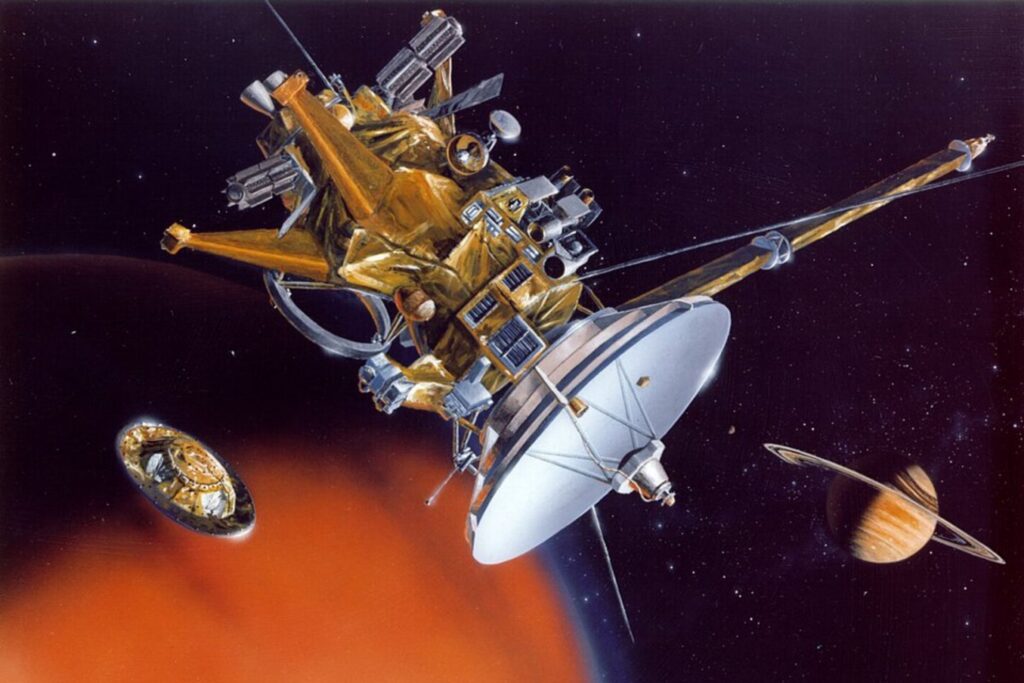
The Cassini-Huygens mission to Saturn was a collaborative project between NASA, the European Space Agency, and the Italian Space Agency. Launched in 1997, Cassini arrived at Saturn in 2004 and spent 13 years studying the planet, its rings, and its moons. The mission ended in 2017 with a dramatic plunge into Saturn’s atmosphere, but not before transforming our understanding of the ringed planet.
Cassini’s reliability was evident in its ability to withstand harsh conditions and continue sending high-quality data back to Earth. The Huygens probe, which separated from Cassini to land on Titan, Saturn’s largest moon, provided the first direct observations of its surface, revealing fascinating details about its atmosphere and geology.
Hubble Space Telescope
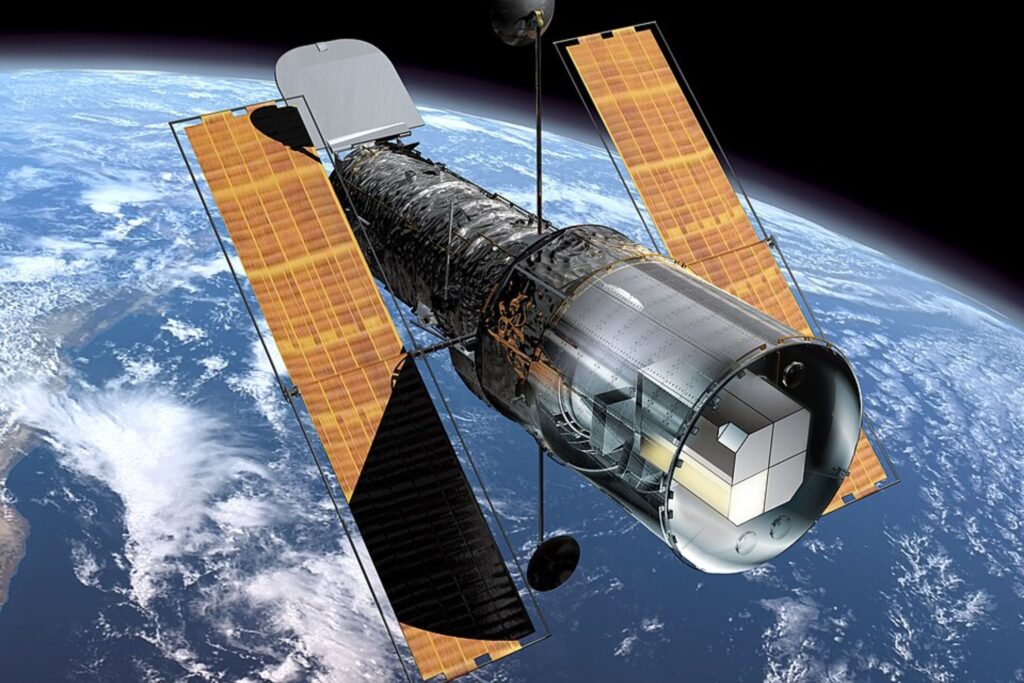
Since its launch in 1990, the Hubble Space Telescope has been one of the most important tools in modern astronomy. Its position above Earth’s atmosphere allows it to capture clear and detailed images of the universe, leading to numerous groundbreaking discoveries. From the expansion rate of the universe to the birth and death of stars, Hubble’s contributions are vast and varied.
Hubble’s reliability is demonstrated by its longevity and the success of multiple servicing missions that have upgraded its instruments. This has enabled it to remain at the forefront of astronomical research for over three decades, offering insights that have fundamentally changed our understanding of the cosmos.
Mars Rover Opportunity
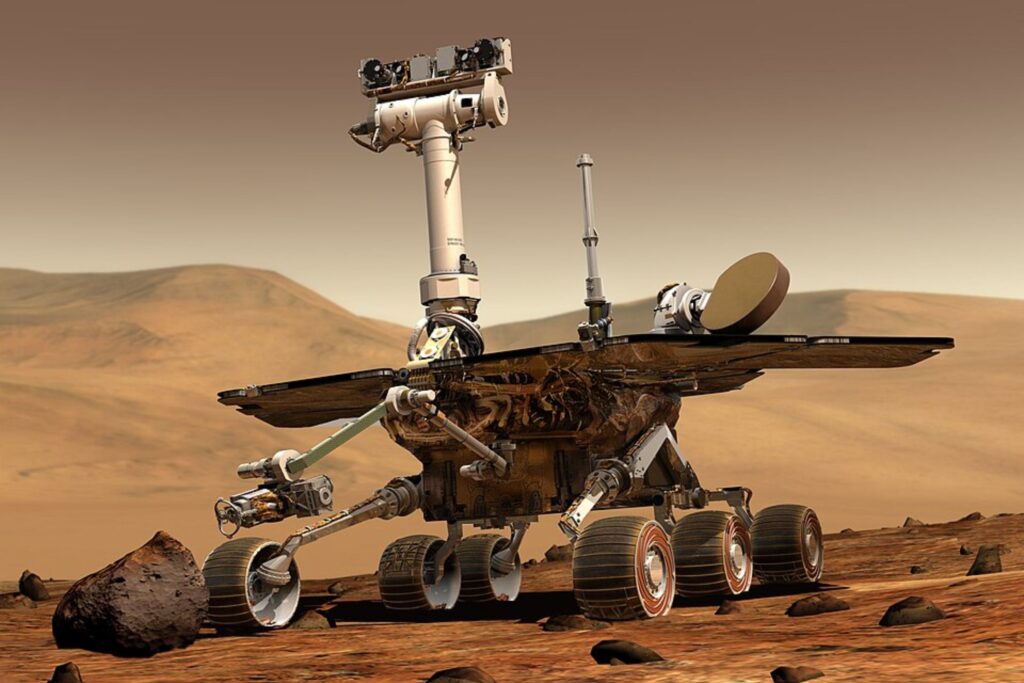
The Mars Rover Opportunity, part of NASA’s Mars Exploration Rover program, landed on the Red Planet in 2004. Initially planned as a 90-day mission, Opportunity far exceeded expectations by operating for nearly 15 years. It traveled over 28 miles across the Martian surface, providing detailed images and data about the planet’s geology and climate.
Opportunity’s reliability and longevity are a testament to the robust engineering behind its design. Its findings have contributed significantly to our understanding of Mars, paving the way for future missions and the eventual goal of human exploration.
New Horizons
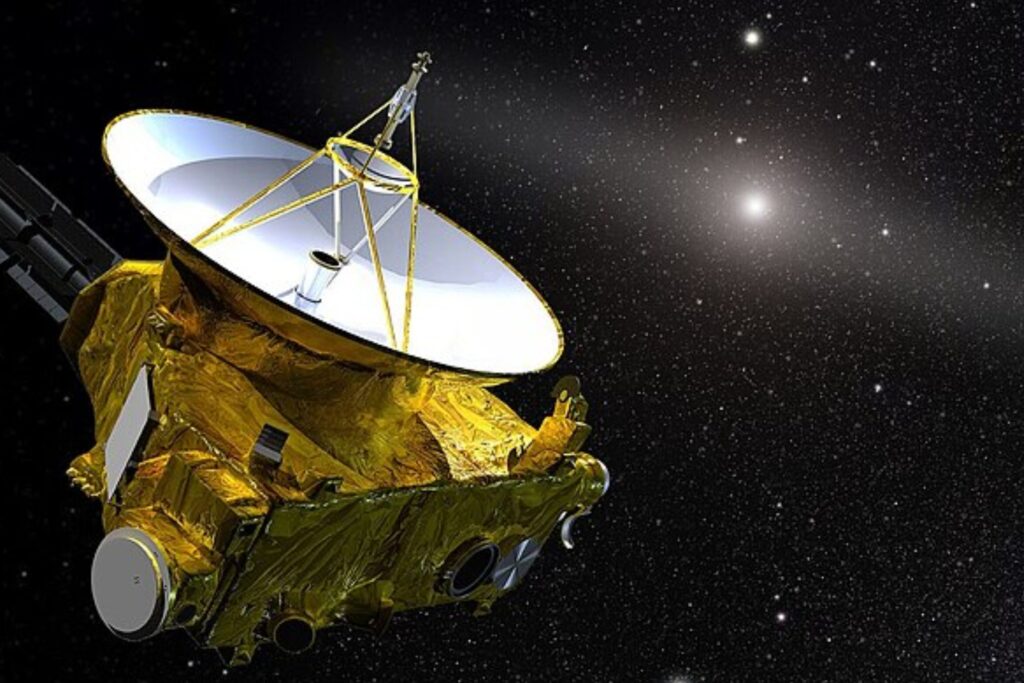
New Horizons is a NASA spacecraft that made history by conducting the first flyby of Pluto in 2015. Launched in 2006, it traveled over three billion miles to provide humanity’s first close-up view of the dwarf planet and its moons. The data collected during this flyby radically changed our understanding of Pluto, revealing a complex and active world.
After its successful Pluto mission, New Horizons continued its journey into the Kuiper Belt, where it encountered the object Arrokoth in 2019. This extended mission continues to yield valuable insights into the distant reaches of our solar system, demonstrating New Horizons’ ongoing reliability and scientific value.
Galileo Spacecraft
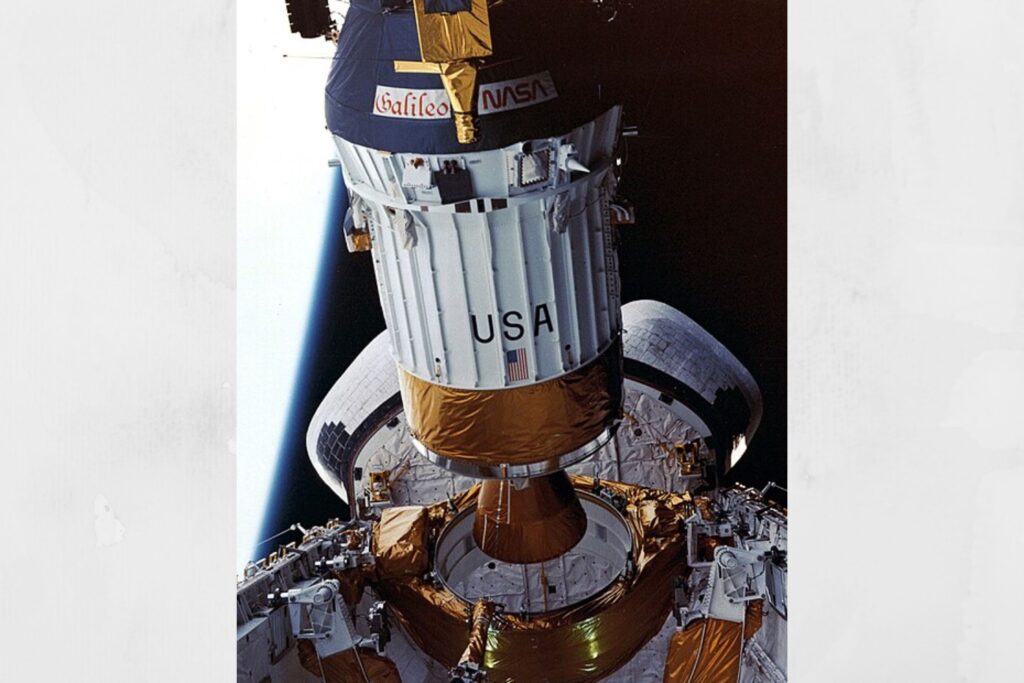
Launched in 1989, the Galileo spacecraft was tasked with studying Jupiter and its moons. It arrived at the gas giant in 1995 and spent eight years sending back detailed data about the planet’s atmosphere, magnetosphere, and satellite system. Galileo’s observations of Jupiter’s moons, particularly Europa, have fueled speculation about the potential for life beneath its icy surface.
The spacecraft’s ability to operate in the intense radiation environment around Jupiter is a testament to its robust design. Galileo’s mission ended in 2003 when it was deliberately sent into Jupiter’s atmosphere to prevent any contamination of the moons, but its legacy continues to shape planetary science today.
Juno Spacecraft
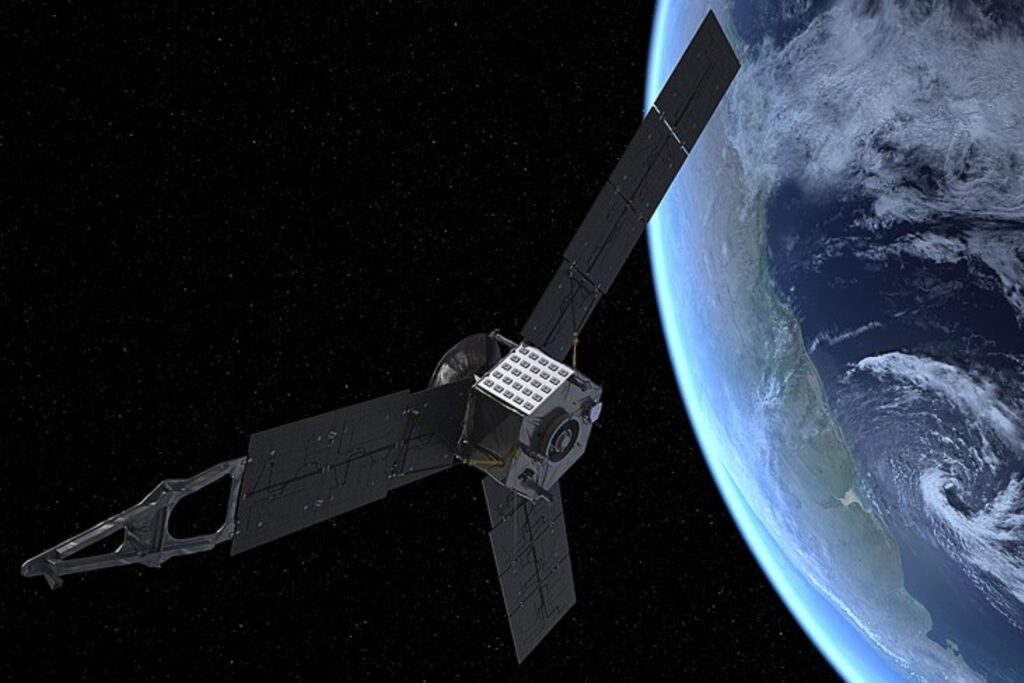
Juno, launched by NASA in 2011, arrived at Jupiter in 2016 with the mission of studying the planet’s composition, gravity field, magnetic field, and polar magnetosphere. Its unique polar orbit allows it to gather data from regions of Jupiter never before explored, providing new insights into the planet’s structure and origins.
Juno’s instruments have already revealed surprising details about Jupiter’s atmosphere and magnetic field, reshaping our understanding of the largest planet in our solar system. The spacecraft’s continued operation and the high quality of its data underscore its reliability and the continued importance of robotic exploration in unlocking the secrets of our solar system.