

Throughout naval history, certain ships have defied the odds, surviving fierce battles and seemingly insurmountable conditions. These maritime warriors have left their mark, proving that sometimes it’s not just about firepower or technology, but sheer will and resilience. Let’s dive into the stories of eight legendary ships that refused to sink.
HMS Victory
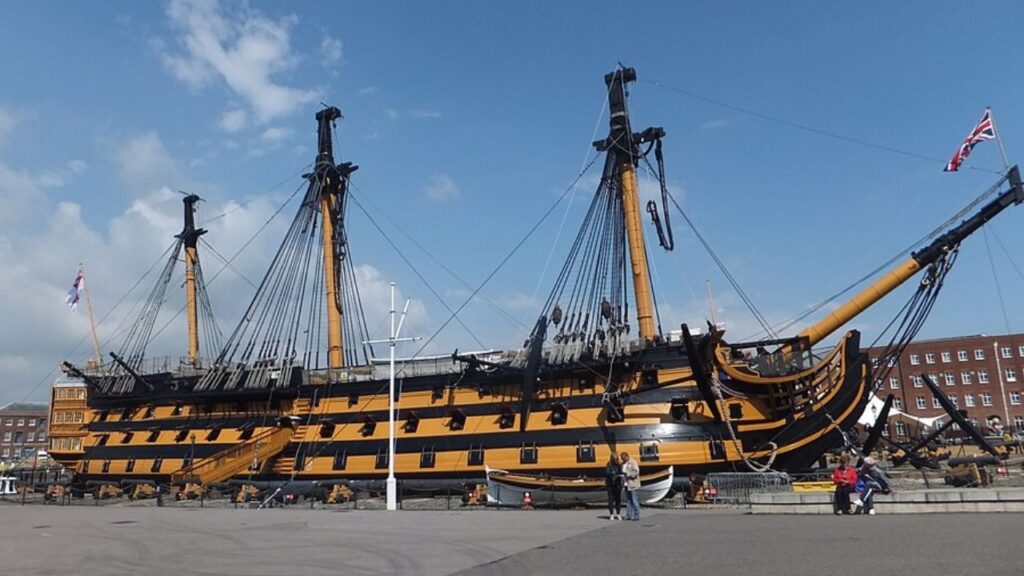
The HMS Victory, famous for its role in the Battle of Trafalgar in 1805, is a testament to British naval tenacity. Commanded by Admiral Lord Nelson, the Victory led the British fleet to triumph against the combined French and Spanish fleets. Despite being heavily outgunned, Nelson’s innovative tactics and the crew’s relentless spirit turned the tide of battle. Today, the ship is preserved as a museum in Portsmouth, England, continuing to inspire with its storied past.
USS Constitution

Known as “Old Ironsides,” the USS Constitution earned its nickname during the War of 1812 when cannonballs seemed to bounce off its sturdy oak hull. Launched in 1797, the ship is the world’s oldest commissioned naval vessel still afloat. The Constitution famously defeated five British warships in a series of engagements, cementing its reputation as an indomitable force. Currently docked in Boston, it remains a symbol of American perseverance and naval innovation.
Bismarck
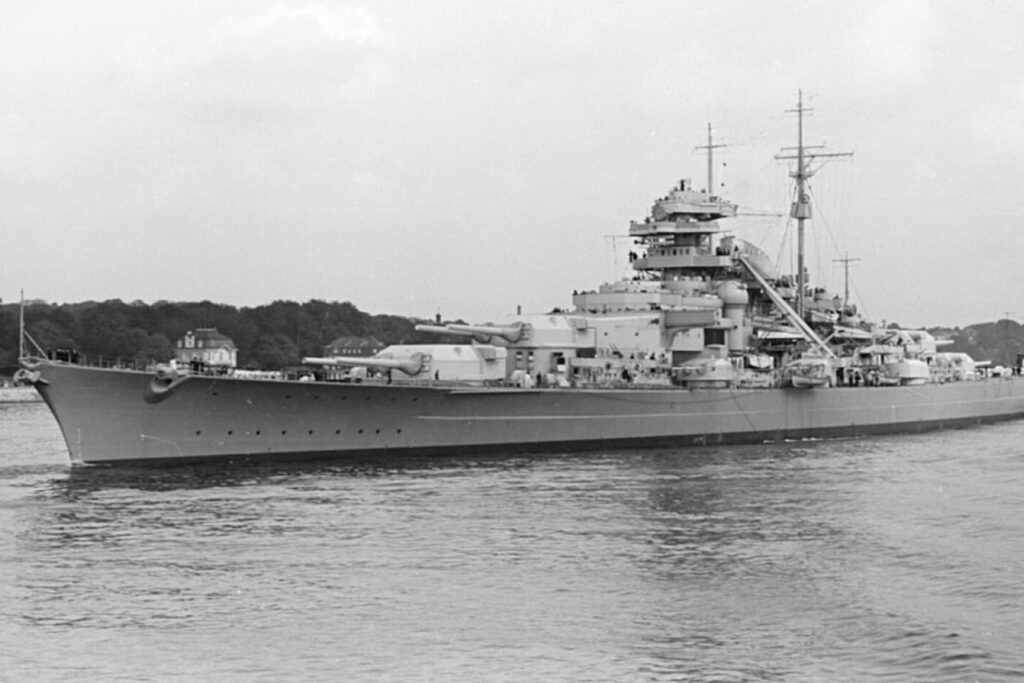
The German battleship Bismarck was one of the most formidable warships of World War II. On its maiden voyage in 1941, it sank the British battlecruiser HMS Hood in a matter of minutes. The British Navy launched a relentless pursuit, culminating in a fierce battle in the Atlantic. Despite being heavily damaged and surrounded, the Bismarck’s crew fought valiantly before scuttling the ship to avoid capture. Its legacy endures as a symbol of naval engineering and tactical prowess.
USS Yorktown

The USS Yorktown, an aircraft carrier from World War II, demonstrated resilience during the pivotal Battle of Midway. After sustaining significant damage at the Battle of the Coral Sea, Yorktown was hastily repaired and sent back into action. Despite being targeted and hit again at Midway, the crew’s quick repairs kept her afloat long enough to contribute to the decisive American victory. Yorktown’s story is a remarkable tale of perseverance against adversity.
Mikasa
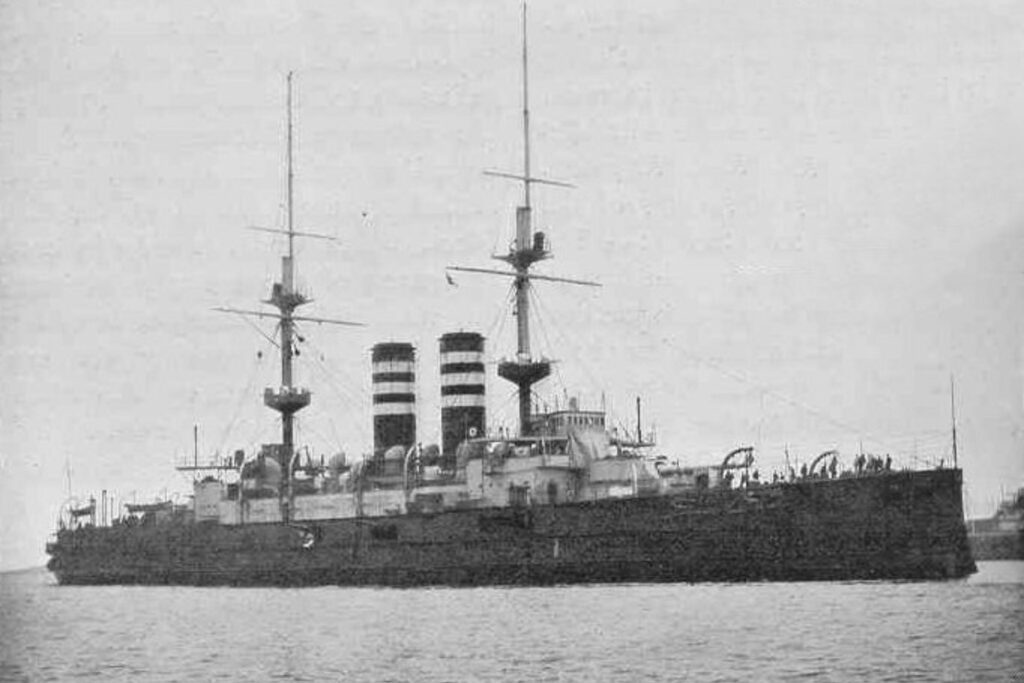
The Japanese battleship Mikasa played a crucial role in the Russo-Japanese War, especially during the Battle of Tsushima in 1905. Commanded by Admiral Togo, Mikasa led the Japanese fleet to a stunning victory over the Russian Navy. Despite suffering damage during the battle, Mikasa remained afloat and operational, showcasing the strength and strategic brilliance of the Japanese naval forces. Today, Mikasa is preserved as a museum ship in Yokosuka, Japan, standing as a testament to its historical significance.
HMS Belfast

HMS Belfast, a British Royal Navy cruiser, saw considerable action during World War II, including the Arctic convoys and the D-Day landings. During the Battle of North Cape, she played a pivotal role in the sinking of the German battleship Scharnhorst. The Belfast survived numerous skirmishes and close calls, a testament to its robust design and the determination of its crew. Now moored on the River Thames in London, it serves as a museum ship, offering a glimpse into its storied past.
USS Franklin

USS Franklin, an Essex-class aircraft carrier, faced one of the most harrowing attacks of World War II. In March 1945, while operating close to the Japanese mainland, Franklin was struck by two bombs, causing massive fires and explosions. Despite the extensive damage and loss of life, the crew’s heroic efforts saved the ship from sinking. The Franklin’s survival is a powerful story of courage and determination under duress.
Graf Spee
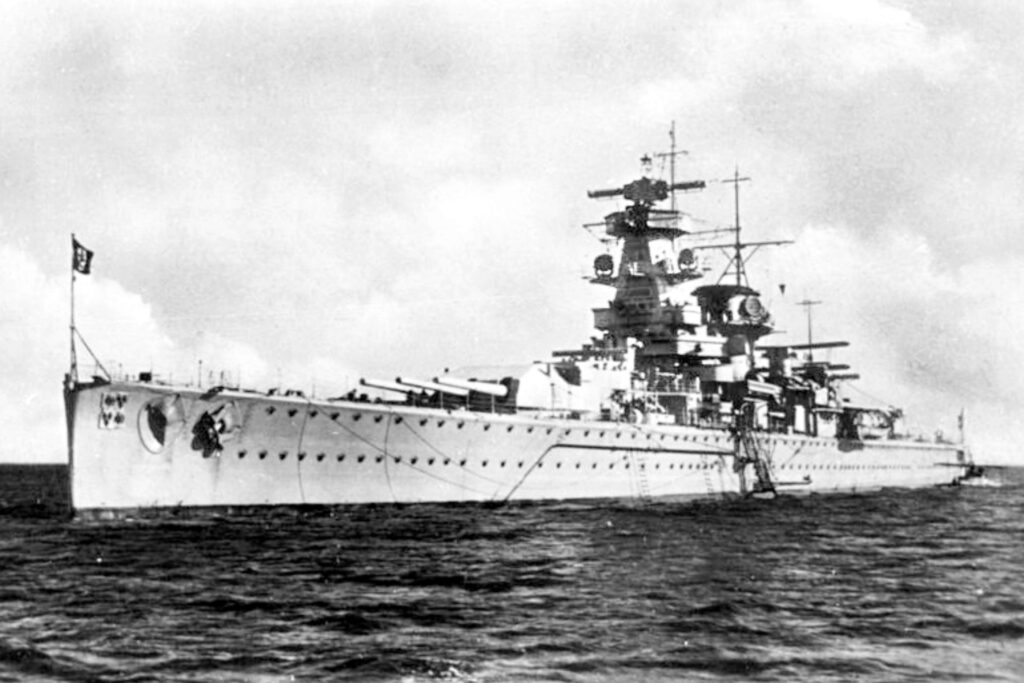
The German cruiser Admiral Graf Spee was known for its commerce raiding during the early days of World War II. In December 1939, it engaged with British ships in the Battle of the River Plate. Although outnumbered and damaged, the Graf Spee managed to reach the neutral port of Montevideo. Facing limited options and misinformation about enemy reinforcements, the captain scuttled the ship to avoid capture. Graf Spee’s final act was a strategic decision amid overwhelming odds, marking the end of its short but impactful career.