

Throughout history, certain aircraft have captured the imagination and admiration of aviation enthusiasts and military historians alike. These dogfighters, known for their agility, speed, and tactical superiority, played key roles in conflicts around the globe. Here, I delve into the legacy of eight historic dogfighters that dominated the skies, each leaving an indelible mark on aerial combat.
Fokker Dr.I
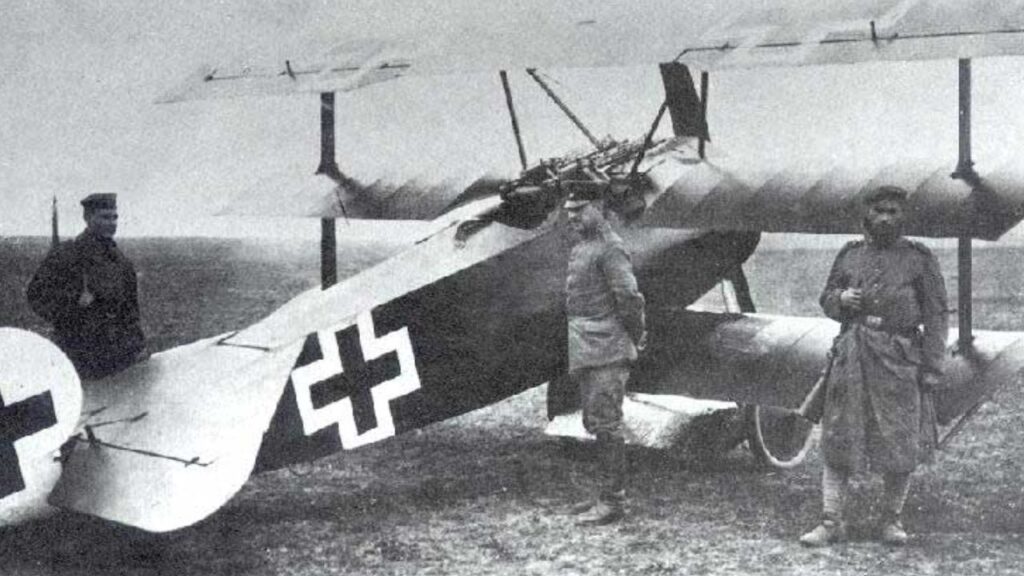
The Fokker Dr.I triplane, made famous by the Red Baron, Manfred von Richthofen, was a formidable force during World War I. With its distinctive three-wing design, the Dr.I was known for its impressive rate of climb and maneuverability. Although it wasn’t the fastest aircraft of its time, its agility in dogfights made it a fearsome opponent.
The triplane’s unique design allowed it to execute tight turns, giving pilots a significant advantage in close combat. Despite its relatively short operational history, the Fokker Dr.I remains one of the most iconic aircraft of the First World War.
Sopwith Camel

The Sopwith Camel, another star of World War I, was renowned for its agility and firepower. With twin synchronized machine guns, it was one of the deadliest fighters of its time. The Camel’s rotary engine gave it a unique flying characteristic, making it challenging for inexperienced pilots but rewarding for skilled aviators.
Many aces honed their skills in the Sopwith Camel, including Canadian ace Billy Bishop. Its impact on aerial combat was significant, cementing its place as a legendary dogfighter.
Messerschmitt Bf 109
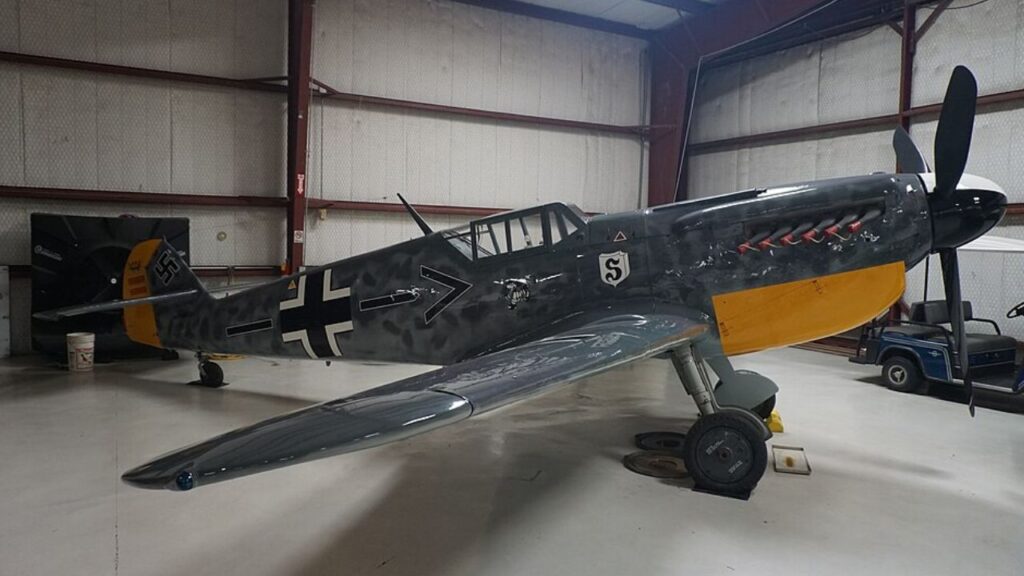
The Messerschmitt Bf 109 was a game-changer in World War II, serving as the backbone of the Luftwaffe fighter force. With its sleek design and powerful engine, this aircraft excelled in speed and climb rate, making it a formidable adversary in dogfights.
The Bf 109 saw extensive action on all fronts, from the Battle of Britain to the Eastern Front. Its versatility and advanced technology ensured its place as one of the most effective fighters of the war.
Supermarine Spitfire

The Supermarine Spitfire is perhaps the most celebrated British aircraft of World War II. Known for its elliptical wings and exceptional maneuverability, the Spitfire was instrumental in the Battle of Britain. It was beloved by pilots for its handling and agility in combat.
Constant upgrades and variants kept the Spitfire competitive throughout the war. Its speed and performance allowed it to engage effectively with German fighters, securing its legendary status in aviation history.
North American P-51 Mustang
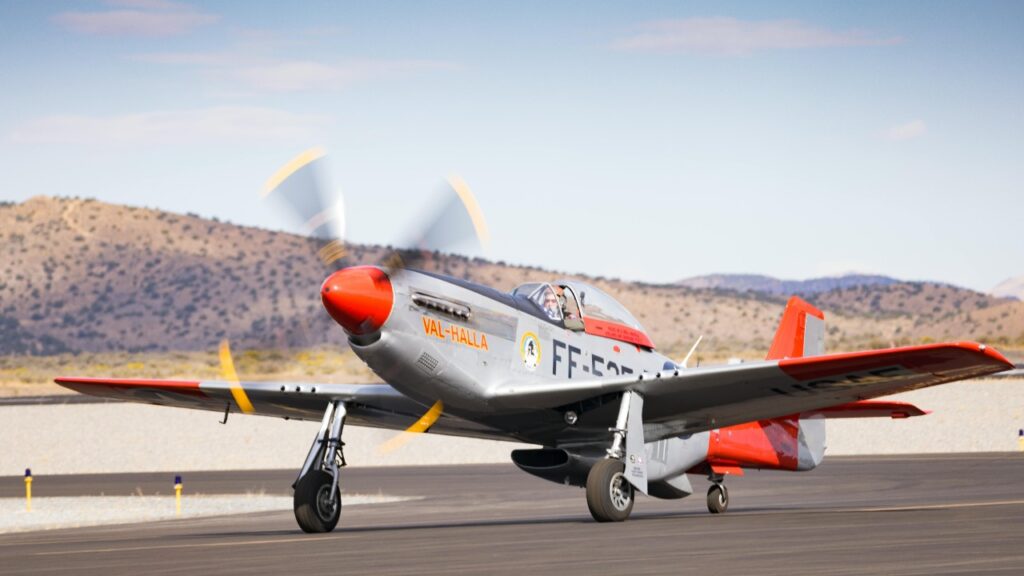
The P-51 Mustang was a turning point for the Allies in World War II, providing long-range escort to bombers over Europe. Equipped with a powerful Rolls-Royce Merlin engine, the Mustang combined speed, range, and firepower, making it a standout fighter.
Pilots praised the Mustang’s versatility and reliability, which contributed to its success in various theaters of war. Its role in securing air superiority over Europe was crucial to the Allied victory.
Mitsubishi A6M Zero

The Mitsubishi A6M Zero was the pride of the Japanese Imperial Navy during World War II. Known for its incredible range and agility, the Zero dominated the early years of the Pacific War, from Pearl Harbor to the Philippines.
However, as the war progressed, the Zero’s lightweight design became a disadvantage against more heavily armored and faster Allied aircraft. Despite this, its early successes earned it a place among the most effective dogfighters of the era.
Mikoyan-Gurevich MiG-21
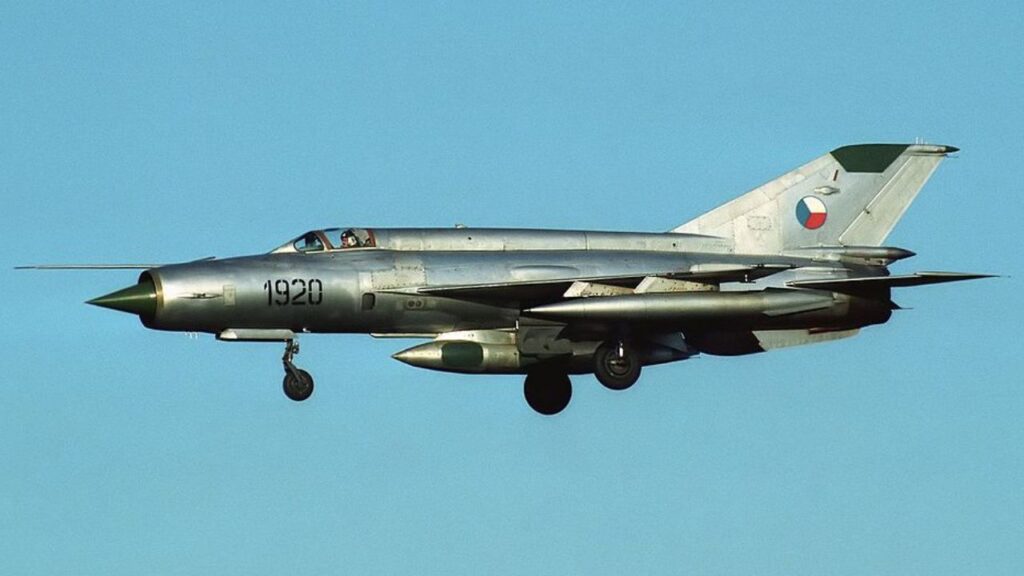
The MiG-21, introduced by the Soviet Union during the Cold War, became one of the most produced jet fighters in history. Its simple design, coupled with a powerful engine, made it a versatile and effective aircraft in numerous conflicts.
The MiG-21 saw action in various wars, including the Vietnam War, where it was a formidable opponent against American fighters. Its speed and agility continue to make it a significant presence in air forces worldwide.
McDonnell Douglas F-4 Phantom II
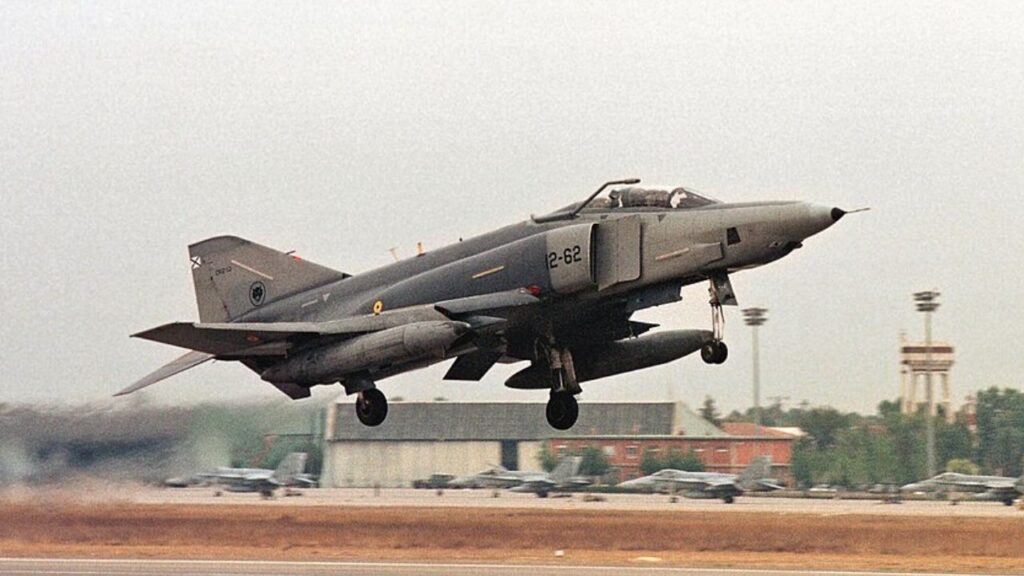
The F-4 Phantom II was a powerhouse of the Vietnam War, setting numerous speed and altitude records. With its twin engines and advanced radar systems, the Phantom was capable of both air superiority and ground attack missions.
The F-4’s adaptability and payload capacity made it a favorite among pilots, and it served in multiple roles across several conflicts. Its legacy as a versatile and powerful aircraft endures in the annals of military aviation history.