
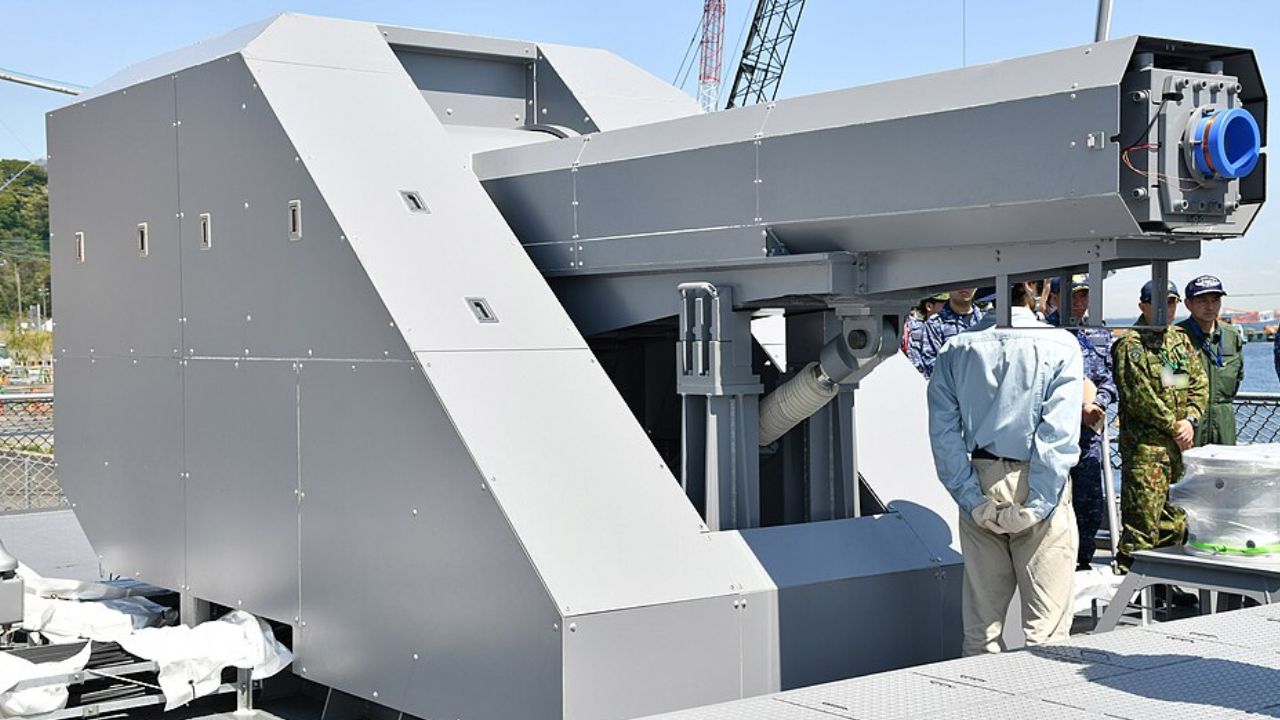
As technology continues to advance at a rapid pace, military forces around the world are developing weapons systems designed for conflicts that have yet to materialize. These cutting-edge technologies aim to provide strategic advantages in future warfare scenarios. From hypersonic glide vehicles to cyber warfare platforms, these innovations could redefine the battlefield.
Hypersonic Glide Vehicles
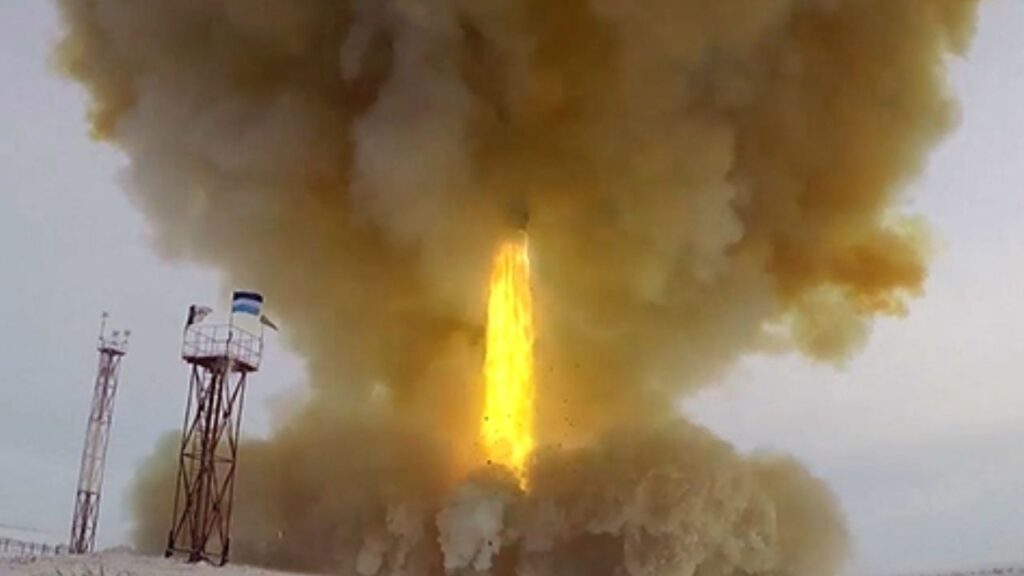
Hypersonic glide vehicles (HGVs) are revolutionizing the concept of speed in warfare. Capable of traveling at speeds exceeding Mach 5, these vehicles can maneuver through the atmosphere, making them difficult to track and intercept. Countries like the United States, China, and Russia are investing heavily in this technology. The Avangard, developed by Russia, is one such example, promising to deliver payloads at unprecedented speeds and with increased precision.
The potential impact of HGVs on global security dynamics is significant. Their ability to bypass traditional missile defense systems could render existing deterrence strategies obsolete, prompting a new arms race focused on speed and evasion capabilities.
Directed Energy Weapons
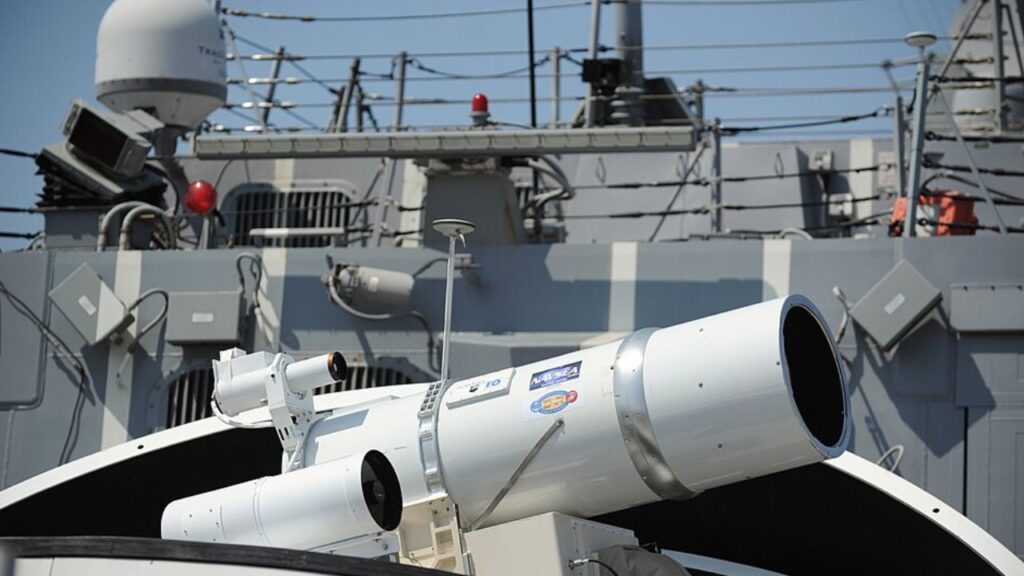
Directed energy weapons (DEWs) use focused energy in the form of lasers or microwaves to damage or destroy targets. These technologies offer the promise of precision targeting with minimal collateral damage. The U.S. Navy’s Laser Weapon System (LaWS) has already demonstrated the ability to disable drones and small boats during testing phases.
DEWs could change the nature of air and missile defense by providing a virtually unlimited “magazine” of shots, as long as there is power available. This makes them a cost-effective solution for countering a variety of threats, including incoming missiles and unmanned aerial vehicles.
Autonomous Swarming Drones
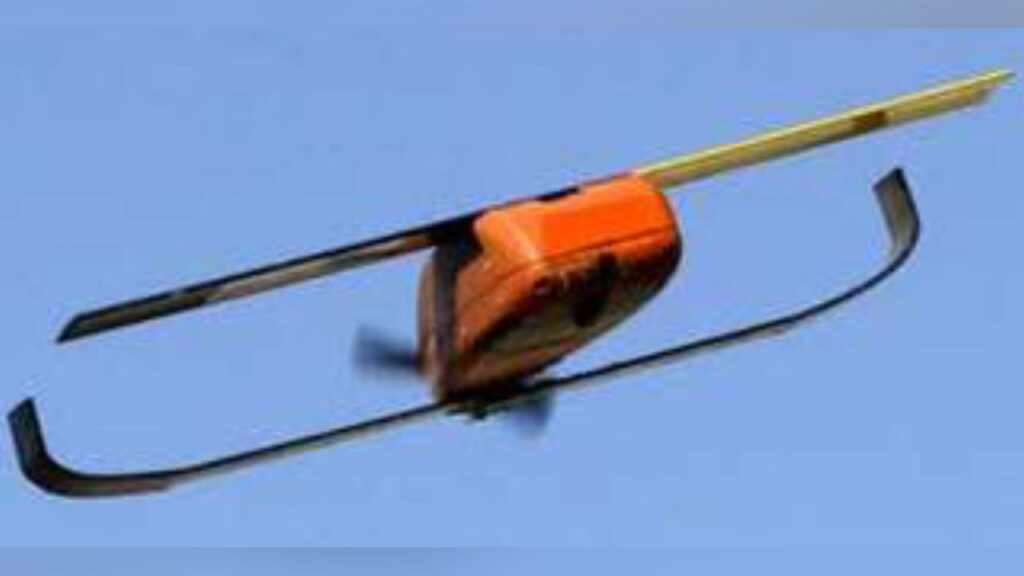
Autonomous swarming drones are designed to operate in coordinated groups, overwhelming defenses by sheer numbers and complexity. These drones can perform reconnaissance, deliver payloads, or conduct electronic warfare independently or in concert with human operators. The Perdix micro-drones, developed by the U.S. Department of Defense, exemplify this technology.
The flexibility and scalability of swarming drones make them a formidable force on the battlefield. They can be deployed rapidly in various environments, adapting to changing conditions and achieving mission objectives with minimal human oversight.
Electromagnetic Railguns
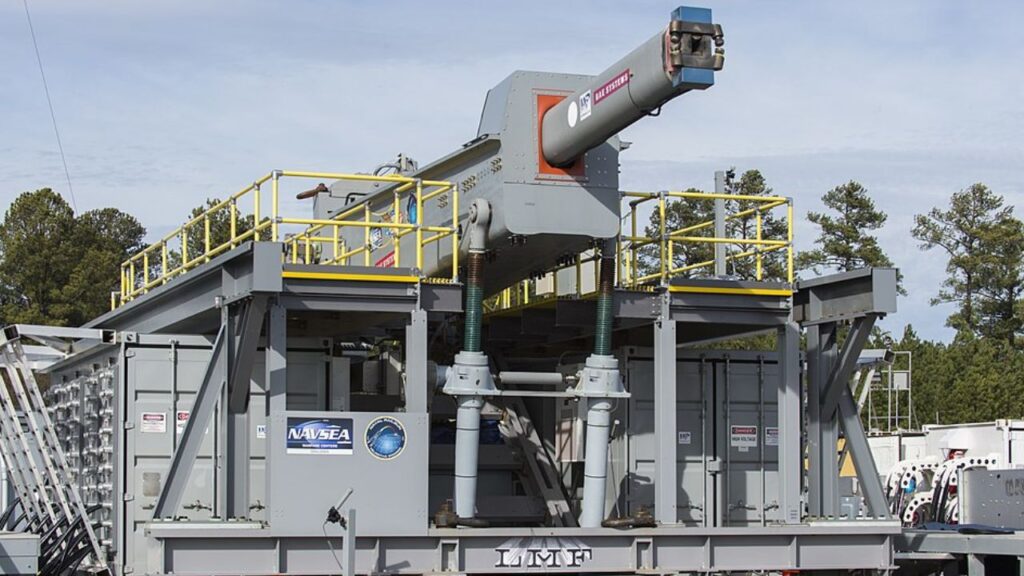
Electromagnetic railguns use magnetic fields to launch projectiles at incredibly high velocities, potentially exceeding Mach 7. Unlike conventional firearms, railguns do not rely on explosive propellants, reducing the risk of onboard ammunition explosions. The U.S. Navy has been at the forefront of railgun development, testing prototypes for potential deployment on naval vessels.
The speed and kinetic energy of railgun projectiles make them effective against a wide range of targets, including ships, aircraft, and missiles. This capability could revolutionize naval warfare by providing a powerful, long-range strike option.
Space-Based Missile Defense
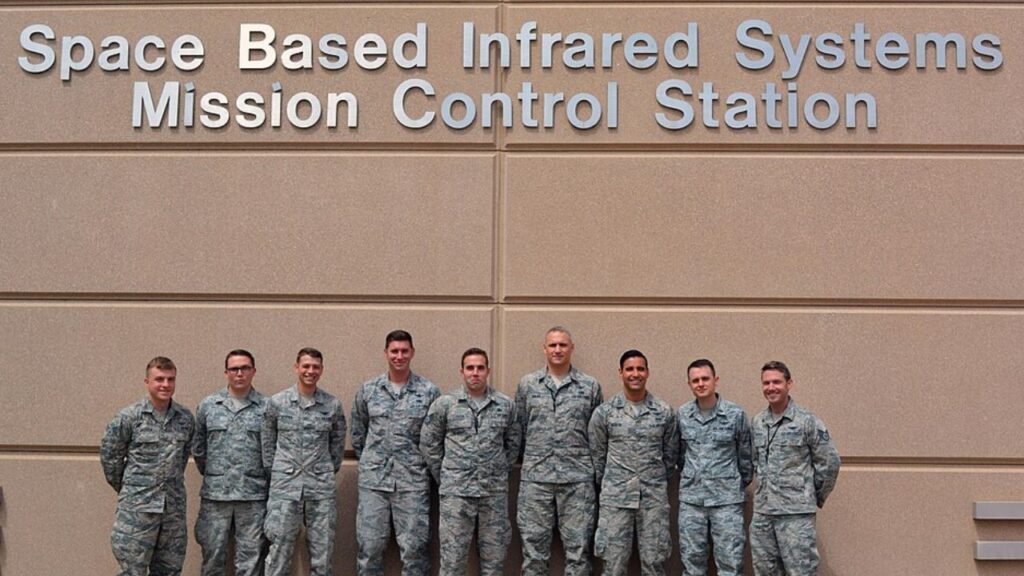
Space-based missile defense systems aim to detect, track, and intercept ballistic missiles from orbit. By positioning sensors and interceptors in space, these systems can provide a global surveillance and defense network. The U.S. Missile Defense Agency has explored concepts like the Space-Based Infrared System (SBIRS) to enhance missile detection and tracking capabilities.
Deploying missile defense assets in space could significantly enhance early warning and interception capabilities, offering a layer of protection against potential threats from rogue states or emerging superpowers.
Underwater Stealth Drones
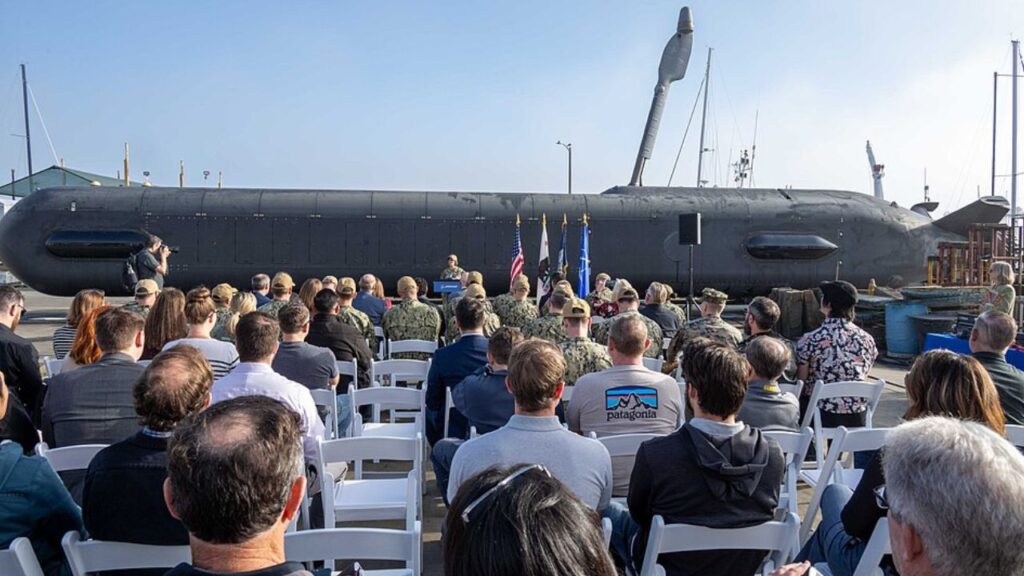
Underwater stealth drones are being developed to operate covertly in maritime environments, conducting surveillance, reconnaissance, and even offensive operations. These drones can navigate undetected by traditional sonar systems, providing a strategic advantage in undersea warfare. The U.S. Navy’s Orca Extra-Large Unmanned Undersea Vehicle (XLUUV) is a notable example of this emerging technology.
The deployment of stealth drones underwater could alter the balance of power in naval engagements, allowing nations to patrol and protect vital sea lanes without revealing their presence.
Cyber Warfare Platforms

Cyber warfare platforms are designed to protect critical infrastructure and conduct offensive operations in cyberspace. These systems can disrupt enemy communications, disable defense networks, and gather intelligence without traditional physical engagement. Nations like the United States, China, and Russia are investing in advanced cyber capabilities to gain a strategic edge.
The rise of cyber warfare platforms underscores the importance of cybersecurity in national defense strategies. As digital threats continue to evolve, these platforms will play an increasingly critical role in maintaining national security.