

Submarines are built to last, but some remain in commission far longer than most people would expect—whether because early technology proved more durable than skeptics assumed, a particular hull stayed uniquely useful, or force-structure decisions delayed retirement. The common thread is simple: if a submarine is still delivering value, navies will keep it working.
One accuracy note up front: “service” gets used loosely in popular retellings. Here, it means the commissioned-to-decommissioned span given in the cited context, not later museum display or ceremonial status.
USS Nautilus (SSN-571)

USS Nautilus was the world’s first nuclear-powered submarine—exactly the kind of first-generation platform many would expect to have a short, prototype-like career. Instead, U.S. Navy ship history sources (Naval History and Heritage Command’s DANFS) credit Nautilus with 25 years of commissioned service from 1955 to 1980, a timeline also reflected by the Submarine Force Library & Museum Association. The point isn’t just that nuclear propulsion worked; it’s that the very first nuclear boat stayed a fleet unit for decades.
That longevity matters because it shows early nuclear propulsion wasn’t only a breakthrough in performance—it was sustainable enough to support long-term readiness. Just keep the terminology tight: “served” here refers to the commissioned period, not what came afterward in preservation and public display.
USS Parche (SSN-683)
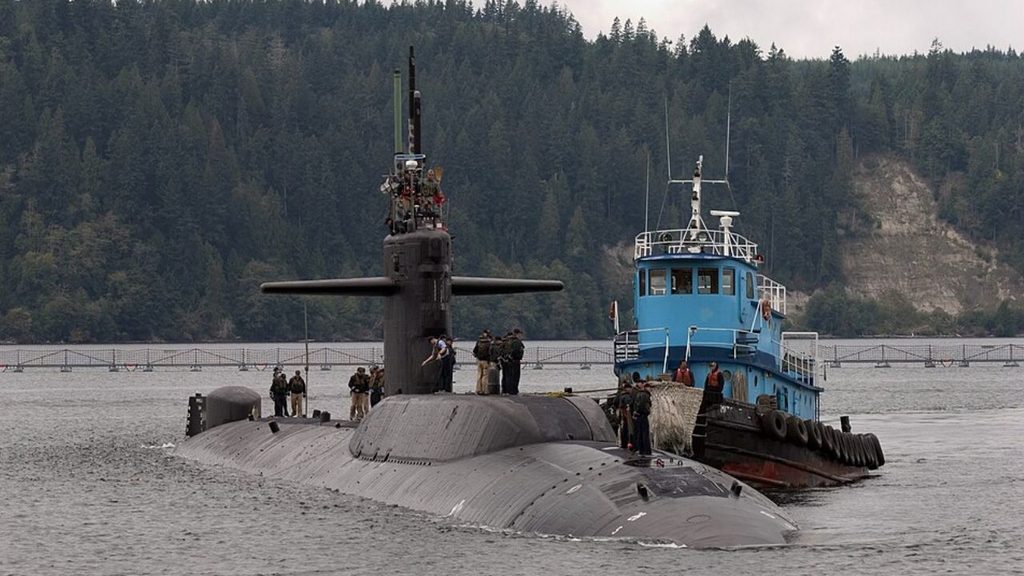
USS Parche highlights a different reason submarines can outlast expectations: unique utility. Wikipedia’s overview and dates describe Parche as a Cold War “special missions” attack submarine that remained active until decommissioning in 2005—an end date that signals how long the Navy chose to keep the platform available.
It’s also a case where the most interesting “why” is hard to unpack responsibly, because much of the boat’s value is tied to sensitive undersea work. The grounded takeaway is straightforward: some mission sets stayed important enough that keeping a particular submarine in service made sense long after many of its peers had left the fleet.
USS Tautog (SSN-639)

USS Tautog, a Sturgeon-class nuclear attack submarine, is an example of late–Cold War designs continuing well into the post–Cold War period. A Naval Sea Systems Command (NAVSEA) Naval Nuclear Propulsion Program PDF list provides the key milestone: Tautog was decommissioned on 31 March 1997. That date alone places her service deep into the 1990s.
The significance is less about a single headline event and more about sustained usefulness. A submarine doesn’t remain commissioned that long without meeting operational needs and being supportable through maintenance and refit decisions. In practical terms, each extra year a capable SSN stays deployable affects fleet planning, modernization pacing, and how many hulls are available at any given time.
USS Blueback (SS-581)

USS Blueback stands out because she represents the endurance of conventional propulsion in a U.S. Navy increasingly defined by nuclear boats. U.S. Navy DANFS records that Blueback served from 1959 to 1990, and a contemporaneous UPI report emphasized what made her retirement especially symbolic: she was the last conventionally powered (diesel-electric) combat-capable U.S. submarine to be decommissioned.
That milestone is meaningful because it marks the closing of an era, not merely the end of one hull’s career. It also needs careful wording: “last conventional combat-capable” should be read narrowly, since the context notes accounts of a later diesel research submarine—a different category than combat-capable service.
HMS Conqueror (S48)
HMS Conqueror is widely known as the submarine that sank the Argentine cruiser General Belgrano, but her service timeline also illustrates how strategy and budgets can override remaining capability. Wikipedia lists Conqueror as commissioned in 1971 and decommissioned in 1990, and the context cites the UK’s Navy News (September 1990 issue) in connection with early-retirement listings.
The result is a useful caution for “longevity” stories: a submarine can be combat-proven and still leave service based on larger post–Cold War decisions. In real terms, those choices reduce the number of available hulls regardless of what any single boat might still have been able to do.
HMS Odin (S10)
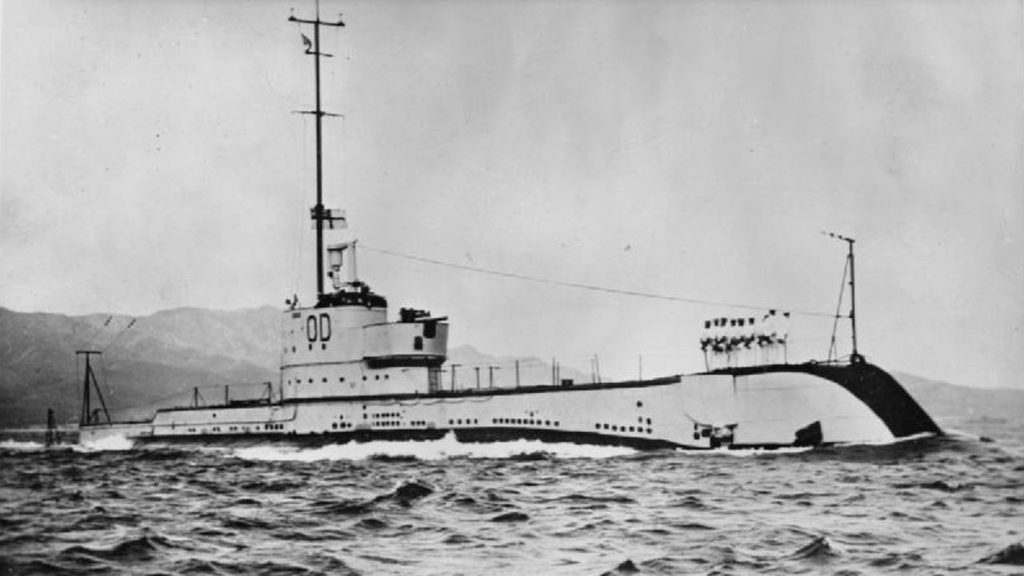
HMS Odin represents the long service lives associated with the Royal Navy’s Oberon-class diesel-electric submarines. Wikipedia and the September 1990 Navy News early-retirement list (as cited in the context) anchor the timeline: Odin was commissioned in 1962 and decommissioned on 18 October 1990.
That span underscores a key point often lost in nuclear-era storytelling: conventional submarines remained relevant for decades. The Oberon-class reputation for durability, reflected here in Odin’s long run, shows how a reliable diesel-electric design could stay militarily useful across much of the Cold War.
HMS Onslaught (S14)
HMS Onslaught, also an Oberon-class boat, reinforces that this was more than an isolated example. The context cites Wikipedia and the September 1990 Navy News early-retirement list for her dates: commissioned 14 August 1962 and decommissioned in 1990.
Taken together with other long-serving Oberons, Onslaught helps illustrate how long a 1960s diesel-electric design could remain viable through the peak decades of NATO–Warsaw Pact undersea competition. When boats like these finally retired in a cluster, it wasn’t just a set of decommissionings—it was the departure of mature, proven platforms that had remained useful for far longer than many would assume.