
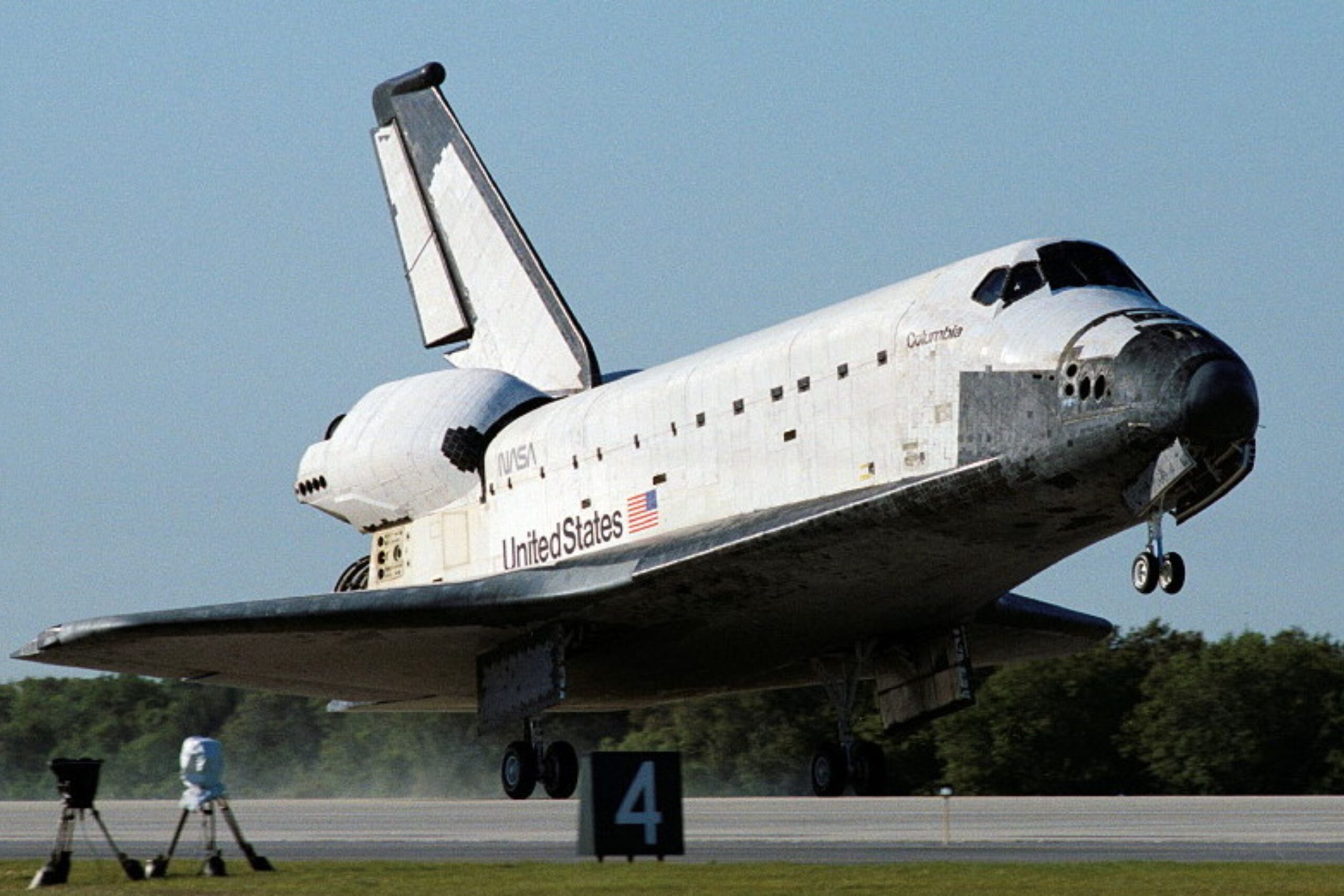
Throughout history, certain spacecraft have marked pivotal moments in our journey beyond Earth. These technological marvels have not only expanded our understanding of space but have also showcased human ingenuity and ambition. Let’s explore seven spacecraft that have significantly redefined human spaceflight.
Vostok 1
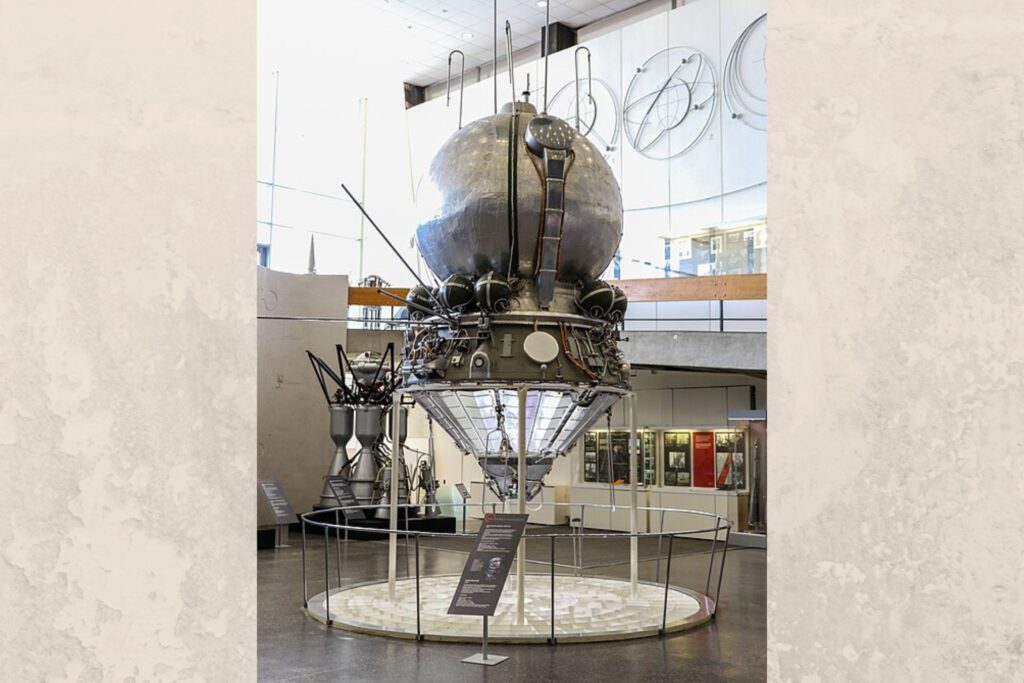
Vostok 1 was the spacecraft that carried Yuri Gagarin, the first human, into space on April 12, 1961. This mission was a monumental achievement in the space race, as it marked humanity’s first foray beyond the confines of our planet. Vostok 1’s successful orbit of Earth demonstrated the feasibility of human space travel and laid the groundwork for future exploration.
The spacecraft itself was a marvel of its time, featuring a spherical descent module and an equipment module containing life-support systems. Despite its simplicity by today’s standards, Vostok 1 proved that humans could survive and operate in space, paving the way for future missions.
Apollo 11
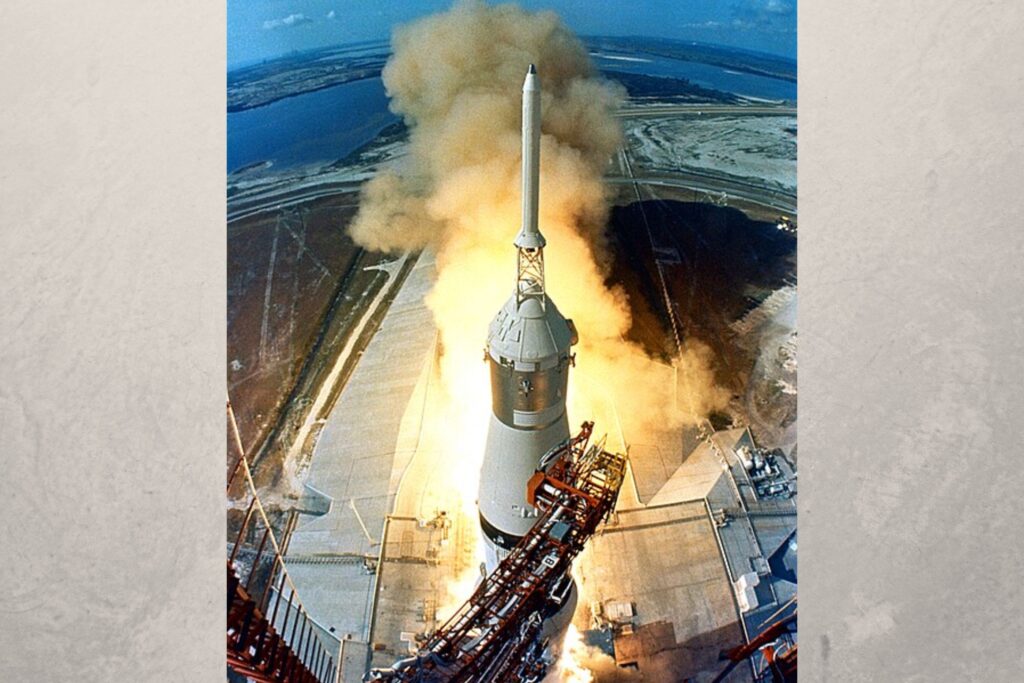
Apollo 11 remains one of the most iconic missions in the history of space exploration. Launched by NASA on July 16, 1969, this spacecraft carried Neil Armstrong, Buzz Aldrin, and Michael Collins to the Moon. On July 20, Armstrong and Aldrin became the first humans to set foot on the lunar surface, uttering the famous words, “That’s one small step for man, one giant leap for mankind.”
The mission’s success was a testament to the collaborative efforts of thousands of scientists and engineers. Apollo 11 not only achieved President John F. Kennedy’s goal of landing a man on the Moon but also inspired generations to look beyond our planet and explore the cosmos.
Space Shuttle Columbia
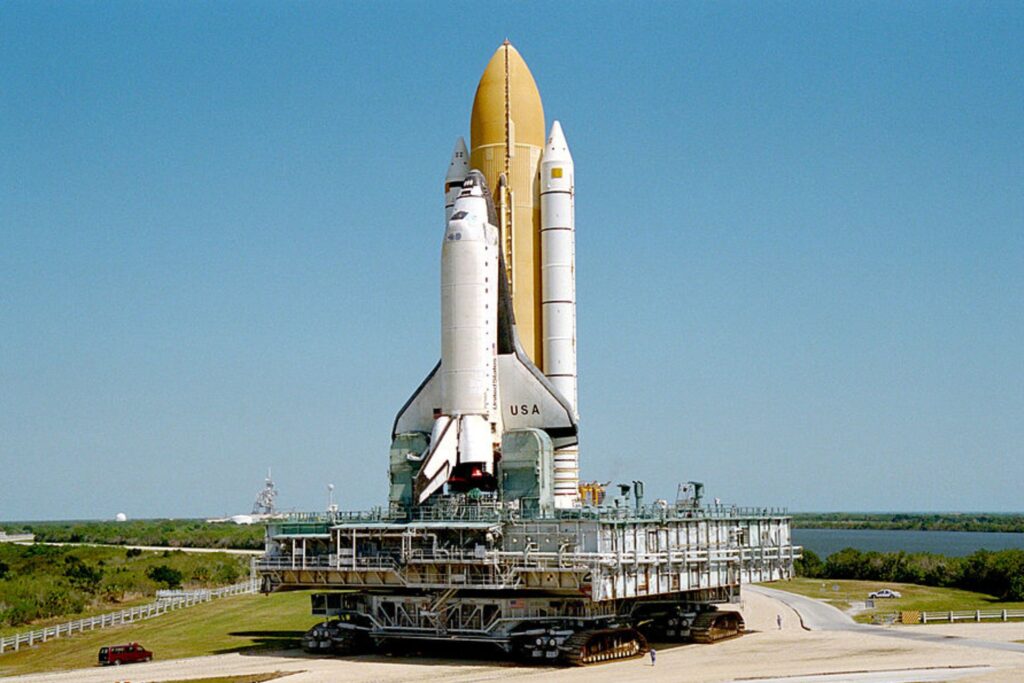
Launched on April 12, 1981, Space Shuttle Columbia was the first reusable spacecraft, significantly changing the landscape of space travel. As part of NASA’s Space Shuttle program, Columbia’s reusable design aimed to reduce costs and increase the frequency of missions. This innovation allowed for a more sustainable approach to exploring space.
Columbia’s missions included scientific research, satellite deployment, and international collaboration. Despite its tragic end in 2003, Columbia’s legacy lives on. It demonstrated the potential of reusable spacecraft and set the stage for future advancements in space technology.
Voyager 1
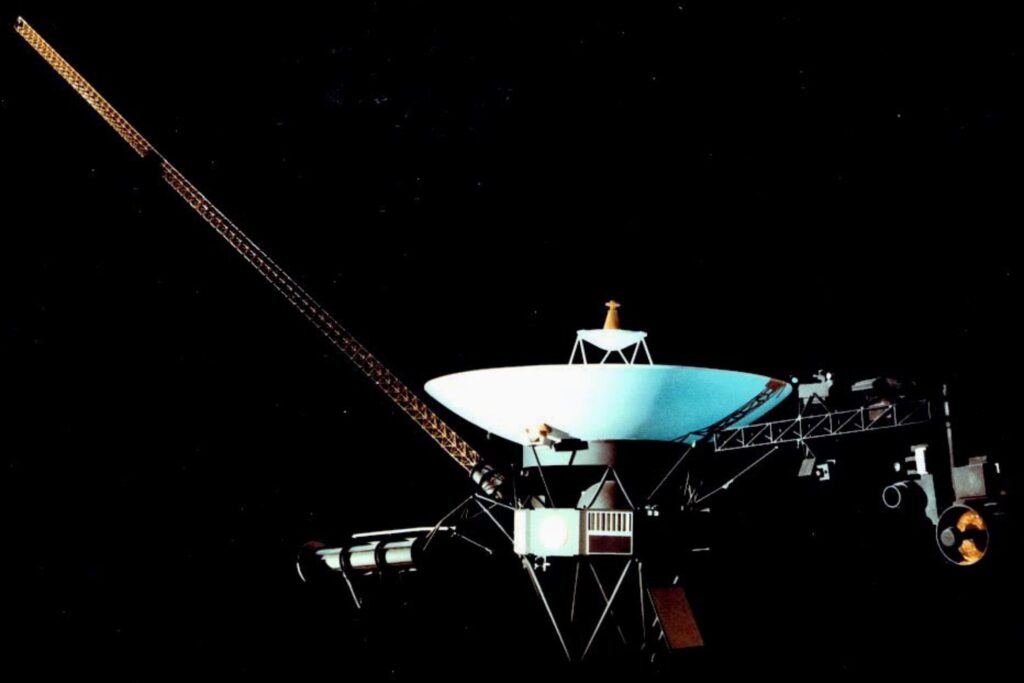
Voyager 1, launched on September 5, 1977, is one of the most distant human-made objects from Earth. Designed to study the outer planets of our solar system, it provided humanity with unprecedented insights into Jupiter, Saturn, and their moons. The spacecraft’s journey didn’t end there; it continues to travel through interstellar space, sending back valuable data.
One of Voyager 1’s most notable contributions is the “Pale Blue Dot” photograph, which offers a humbling perspective of Earth’s place in the universe. Voyager 1’s mission highlights the enduring impact of exploratory spacecraft and their ability to broaden our cosmic understanding.
International Space Station (ISS)
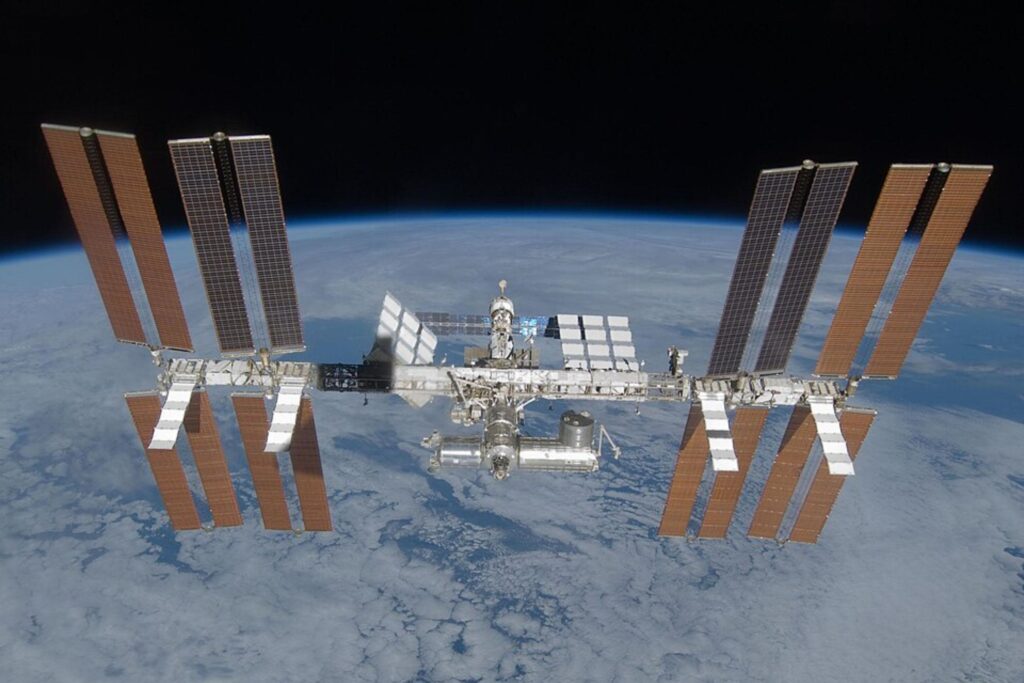
The International Space Station (ISS) represents one of the most significant collaborative efforts in space exploration history. Launched in 1998, the ISS is a joint project involving multiple countries, including the United States, Russia, Japan, Europe, and Canada. It serves as a research laboratory, observatory, and factory in low Earth orbit, facilitating scientific experiments and international cooperation.
The ISS has been continuously occupied since November 2000, with astronauts conducting research that benefits life on Earth and advances our capabilities for future deep-space missions. Its ongoing success underscores the importance of international collaboration in overcoming space exploration challenges.
SpaceX Dragon
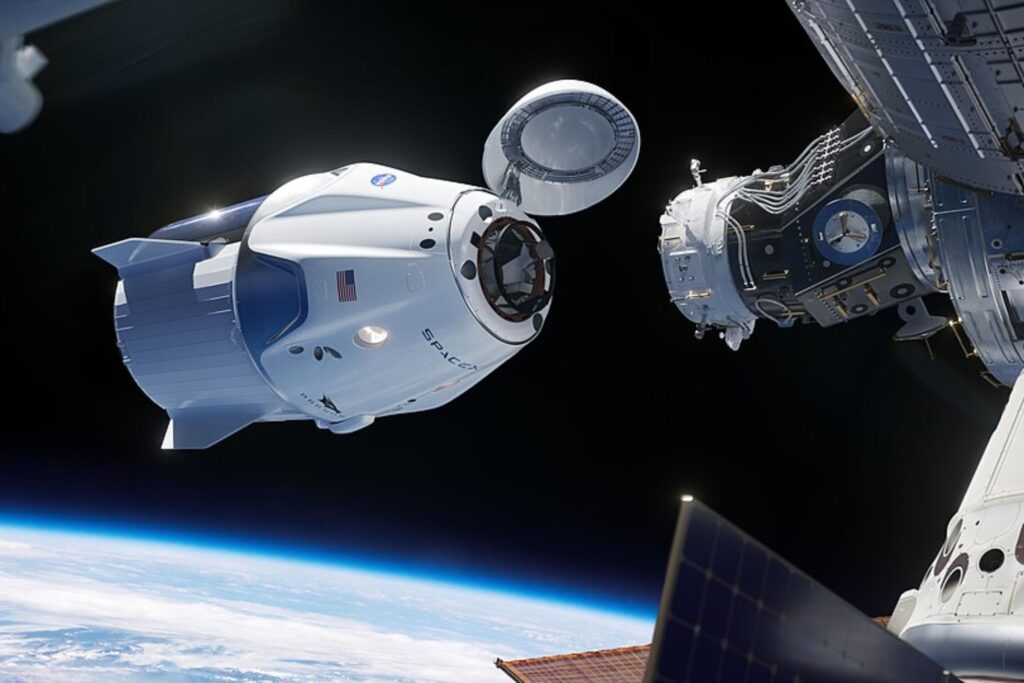
The SpaceX Dragon spacecraft has revolutionized space travel with its advanced design and cost-effective approach. First launched in 2010, Dragon was the first commercial spacecraft to deliver cargo to the ISS and safely return to Earth. In 2020, the Crew Dragon variant made history by transporting astronauts to the ISS, marking the first crewed launch from American soil since the Space Shuttle program’s end.
SpaceX’s focus on innovation has driven significant advancements in reusable rocket technology, substantially reducing launch costs. Dragon’s success has paved the way for increased commercial involvement in space exploration, making it more accessible and sustainable.
James Webb Space Telescope
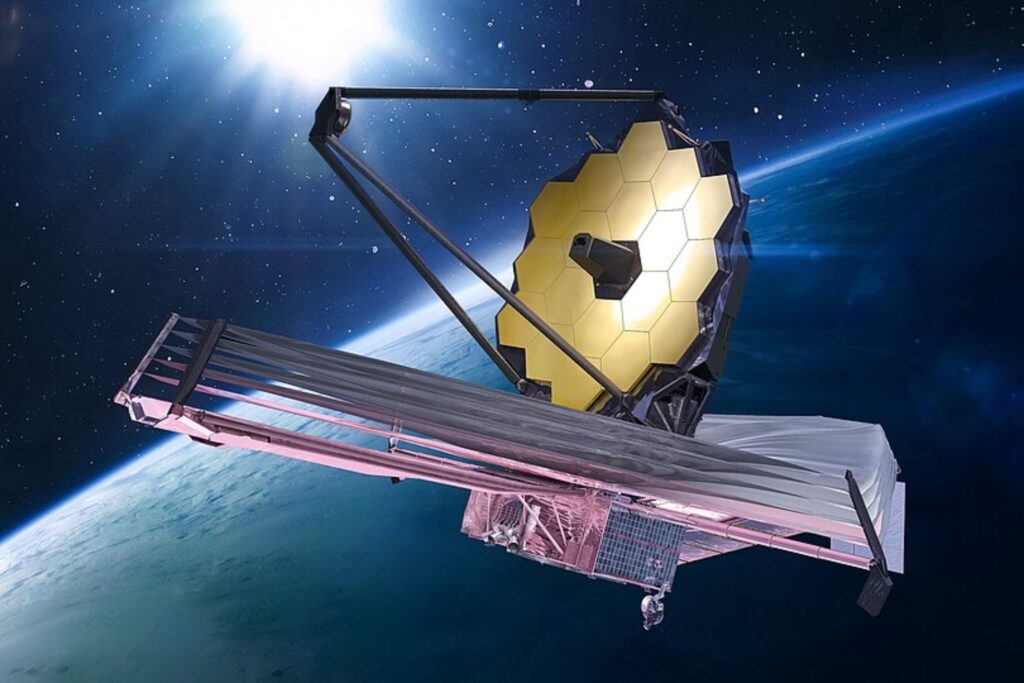
The James Webb Space Telescope (JWST), launched in December 2021, is a groundbreaking observatory designed to peer deeper into the universe than ever before. As the successor to the Hubble Space Telescope, JWST boasts advanced technologies, including a massive sunshield and a segmented primary mirror, allowing it to observe the universe in infrared wavelengths.
JWST’s mission is to explore the formation of stars and galaxies, study exoplanet atmospheres, and address fundamental questions about our cosmic origins. Its cutting-edge capabilities promise to expand our knowledge of the universe and inspire future generations of scientists and explorers.