
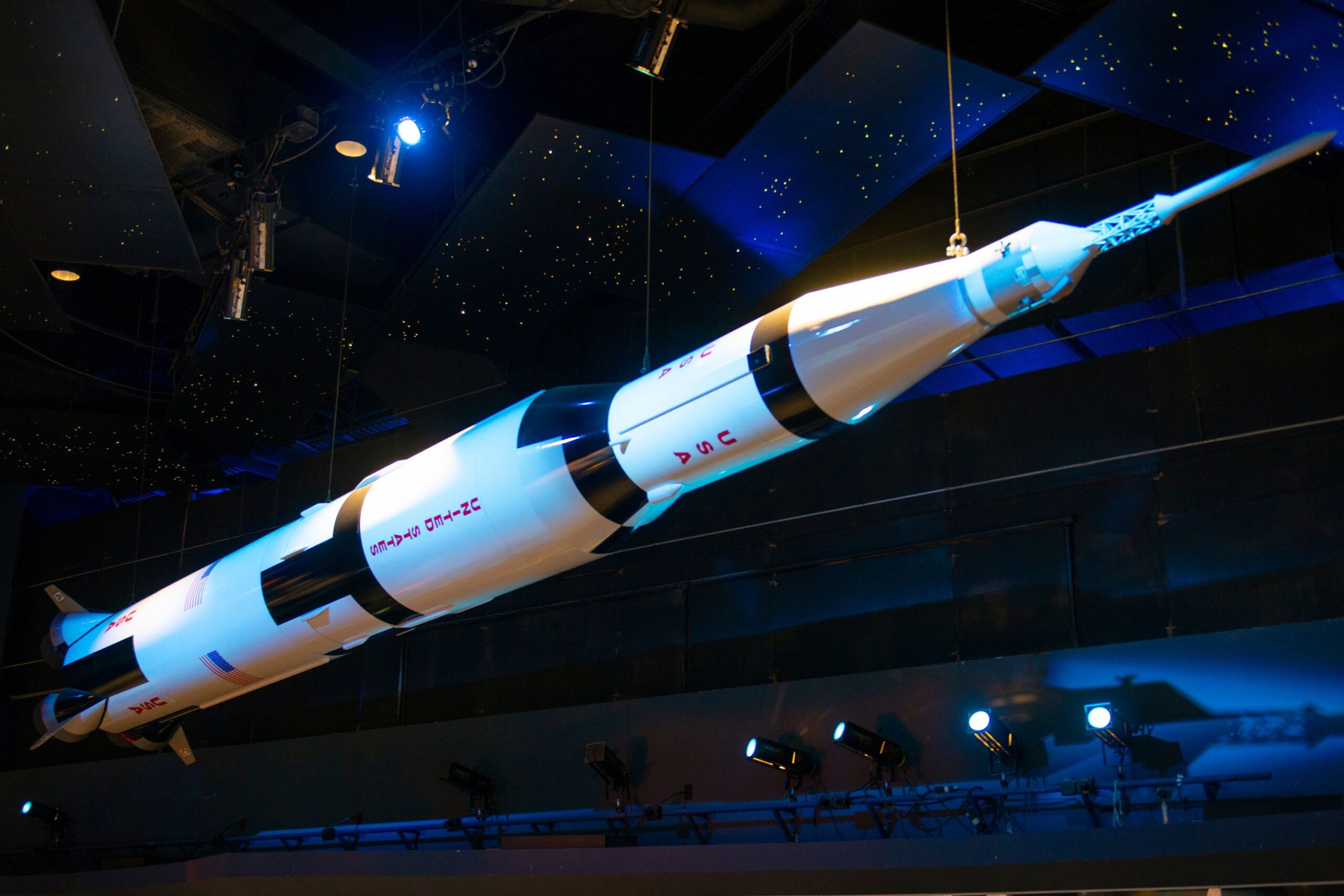
Over the decades, rockets have not only propelled us into space but have also served as symbols of technological prowess and human curiosity. They’re the backbone of our efforts to understand the universe and push the boundaries of what’s possible. Each rocket mentioned here has contributed uniquely to the advancement of space exploration, representing milestones in engineering and innovation.
Saturn V
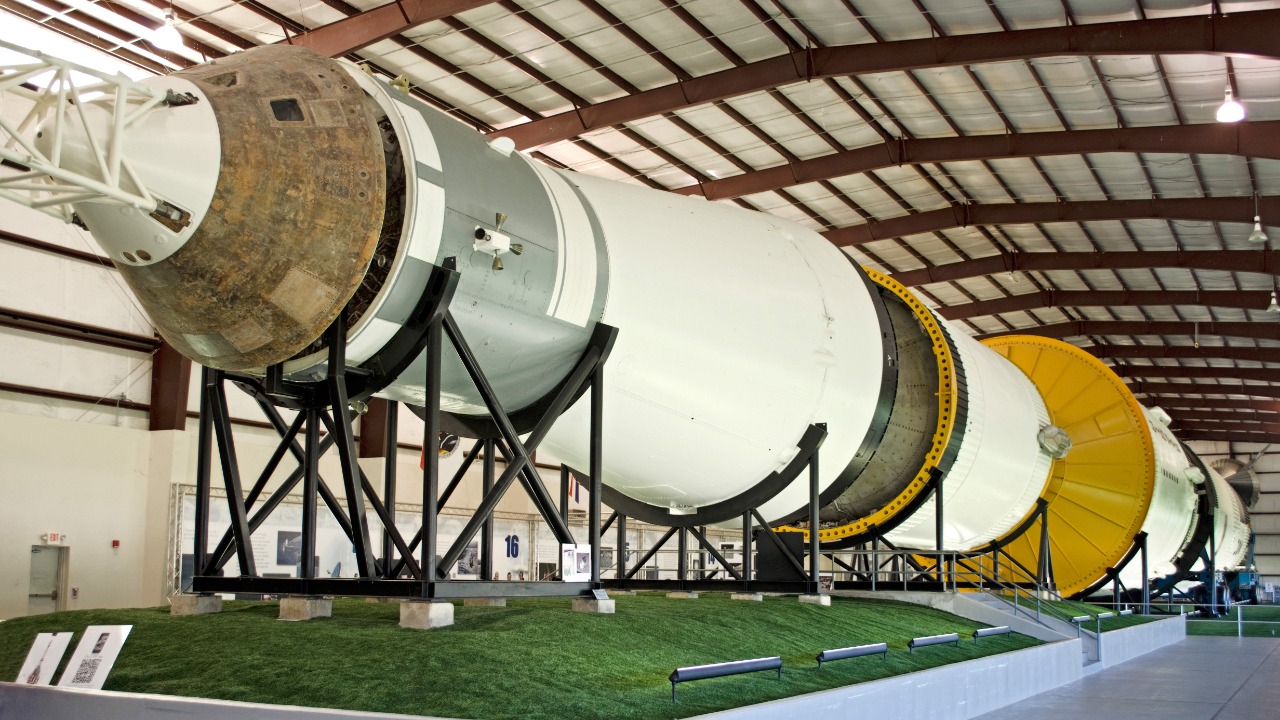
The Saturn V rocket remains one of the most iconic symbols of space exploration. Developed by NASA in the 1960s, it was the workhorse of the Apollo program, famously carrying astronauts to the moon. Standing at a towering 363 feet, it remains the tallest, heaviest, and most powerful rocket ever brought to operational status. The Saturn V’s ability to carry 130 metric tons to low Earth orbit was a remarkable feat of engineering, showcasing the immense collaborative effort during the space race era. Its successful deployment for the Apollo 11 mission in 1969 marked a monumental achievement in human history.
Space Shuttle
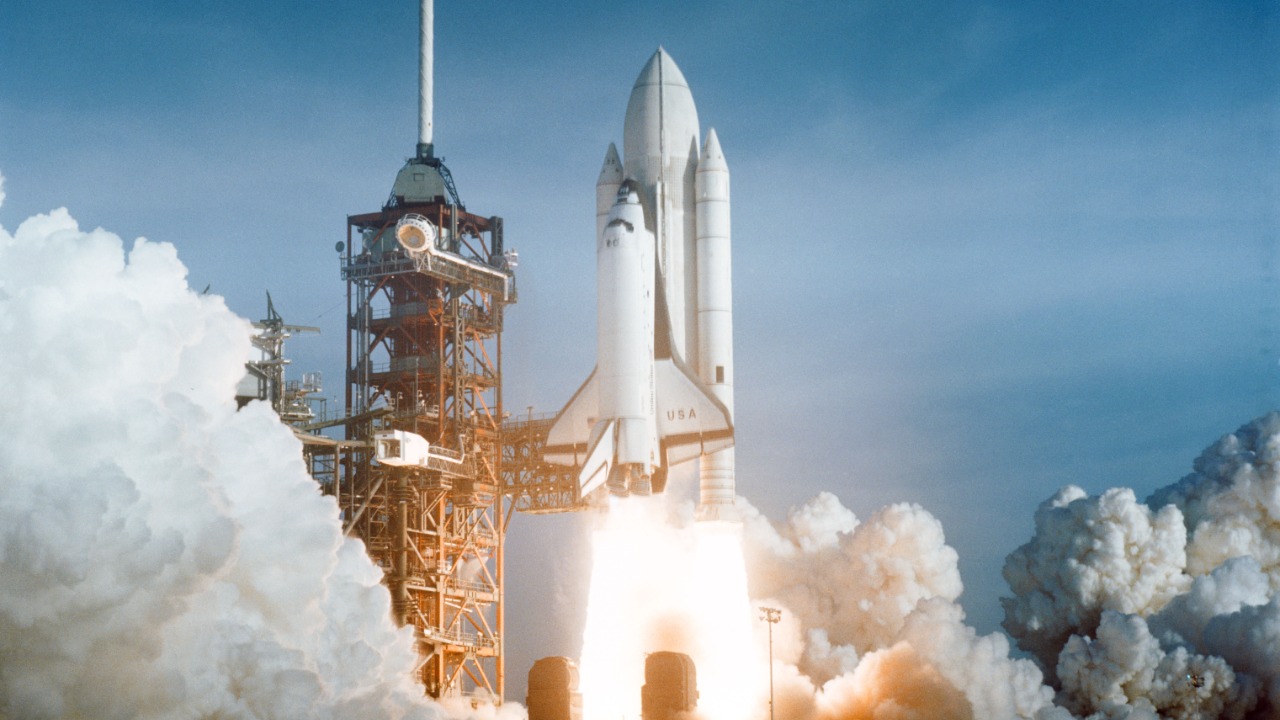
The Space Shuttle represented a new era of reusability in space travel. Initiated by NASA in 1981, the shuttle was designed to be reused for multiple missions, unlike previous expendable launch vehicles. This ability to launch, land like a plane, and be relaunched was a significant leap forward in cost-saving and operational efficiency. Over 30 years, the shuttle program completed 135 missions, contributing to the construction of the International Space Station and the deployment of the Hubble Space Telescope, among other achievements. Despite its eventual retirement in 2011, the Space Shuttle paved the way for future reusable spacecraft.
Falcon Heavy
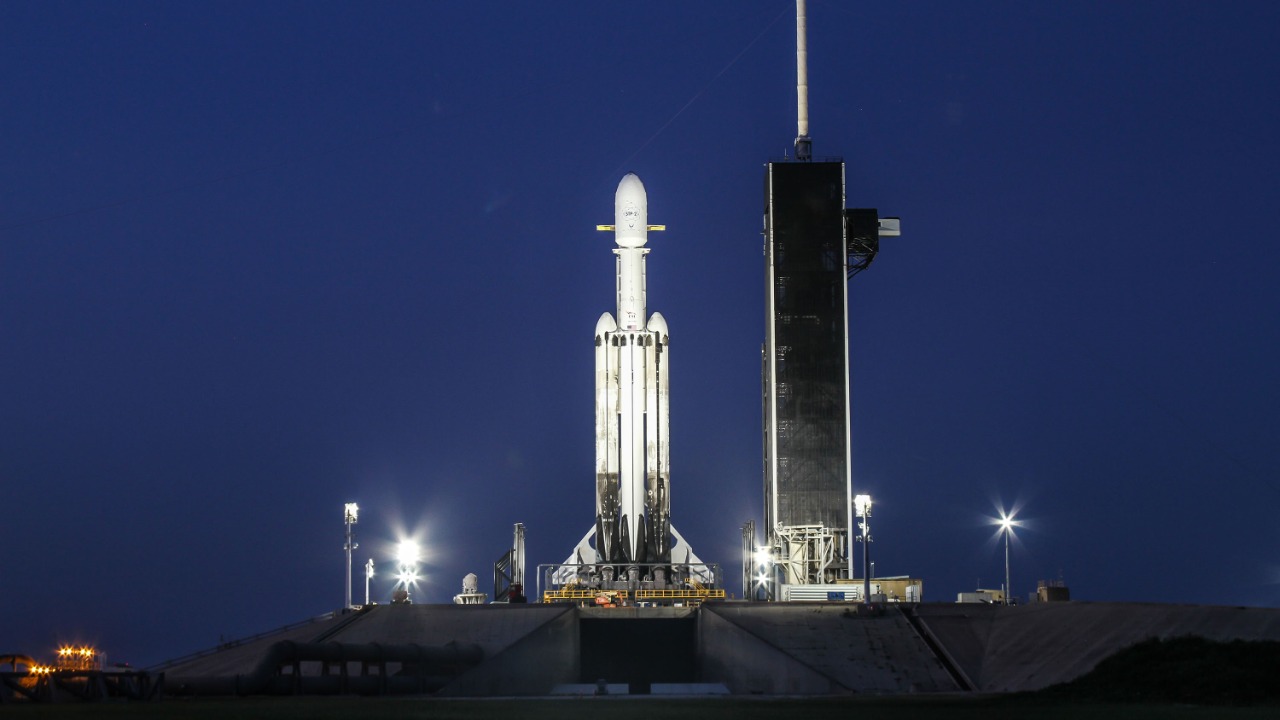
SpaceX’s Falcon Heavy, first launched in 2018, is currently the most powerful operational rocket. It stands out with its ability to lift nearly 64 metric tons into orbit, more than any other rocket since the Saturn V. The Falcon Heavy’s innovative design features three reusable boosters, two of which land back on Earth for refurbishment and reuse. This reusability drastically reduces launch costs, making space more accessible. The rocket’s maiden flight famously included the launch of Elon Musk’s Tesla Roadster into space, highlighting both its capacity and the company’s flair for the dramatic.
New Shepard
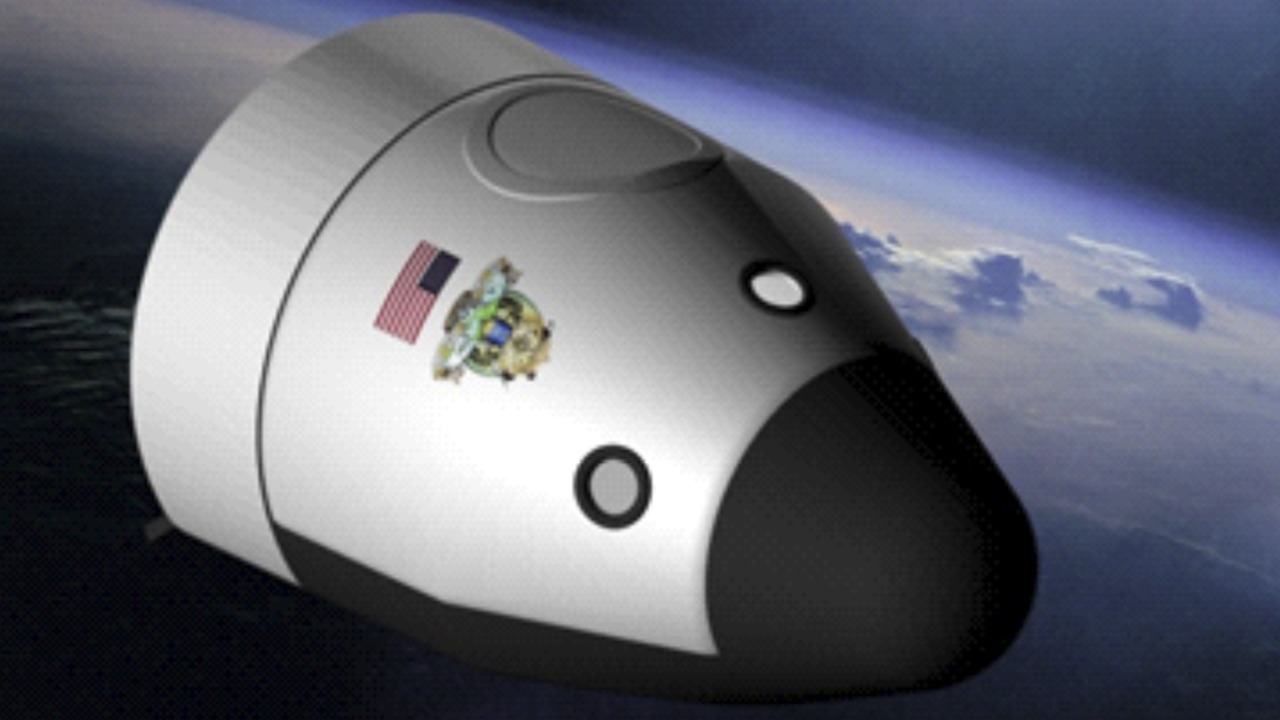
Blue Origin’s New Shepard is a suborbital rocket designed for space tourism and research. Named after astronaut Alan Shepard, the first American in space, it aims to make space travel accessible to private individuals. New Shepard’s design includes a fully autonomous flight system and a reusable booster that lands vertically, reflecting a growing trend towards sustainability in space travel. Since its first successful test flight in 2015, New Shepard has completed numerous missions, each progressively advancing the technology and reliability of commercial spaceflight.
Delta IV Heavy
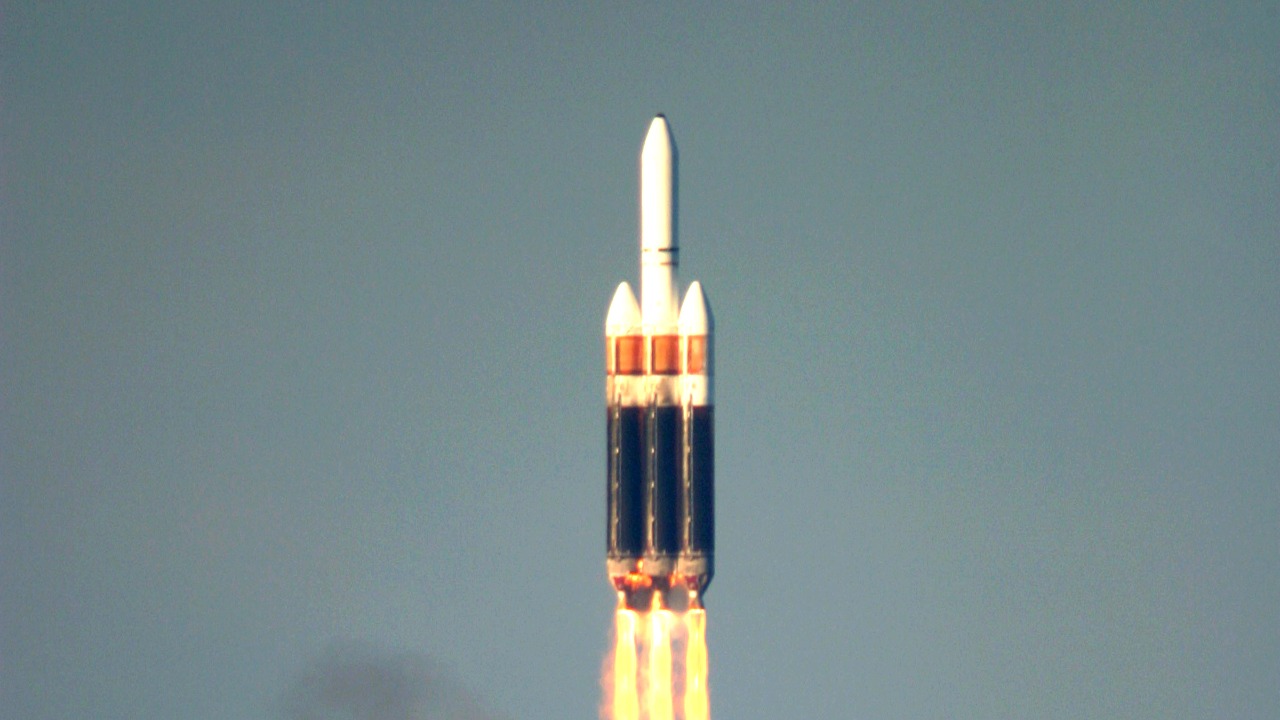
The Delta IV Heavy, operated by United Launch Alliance, is known for its ability to carry heavy payloads into space. It has been a reliable workhorse for the U.S. Department of Defense and NASA since its first launch in 2004. With its three-core booster design, the Delta IV Heavy can lift over 28 metric tons to low Earth orbit. This capability has been utilized for a variety of missions, including launching reconnaissance satellites and interplanetary probes like the Parker Solar Probe, which aims to study the sun up close.
Soyuz
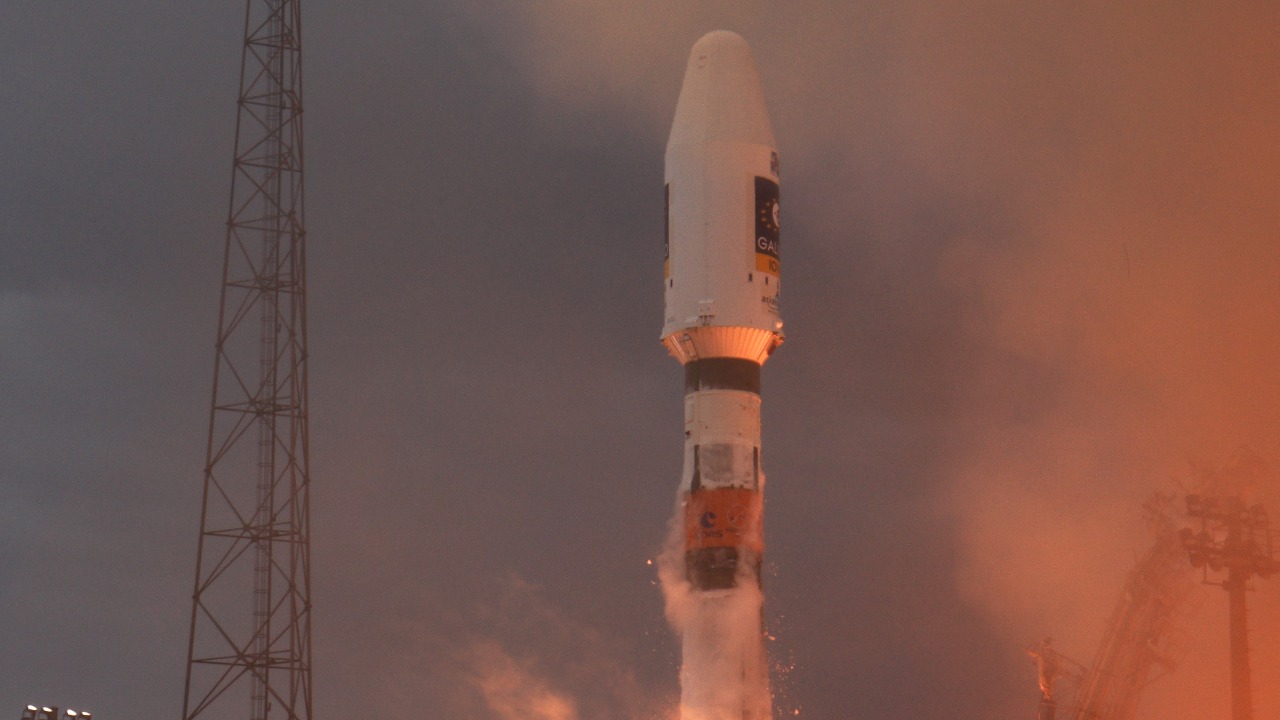
The Soyuz rocket stands as a testament to reliability and longevity. Developed by the Soviet Union during the 1960s, it has been continuously used by Russia and other countries for decades. It holds the record for the most launches by any rocket family, demonstrating an unmatched operational history. The Soyuz has played a critical role in ferrying astronauts to the International Space Station, especially following the retirement of the Space Shuttle. Despite its age, its robust design continues to serve as a cornerstone for international space missions.
Long March 5
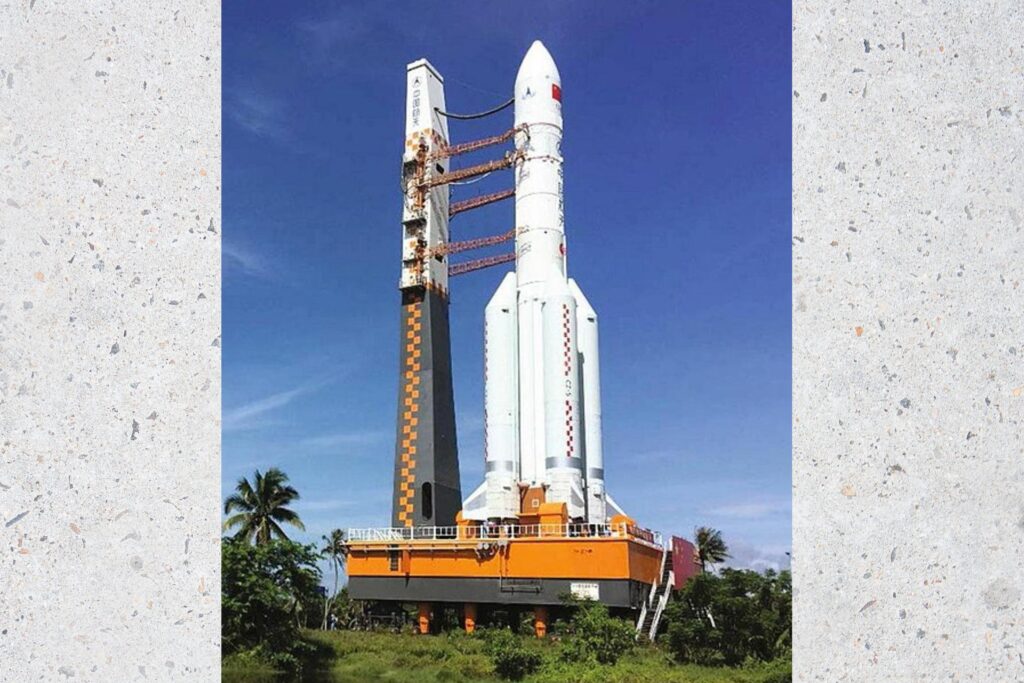
China’s Long March 5 is a symbol of the country’s growing capabilities in space exploration. As the largest member of the Long March family, it is crucial to China’s ambitions, including lunar and Mars missions. First launched in 2016, the Long March 5 can carry about 25 metric tons to low Earth orbit. It has been pivotal in deploying China’s space station modules and will likely play a role in future crewed lunar missions. This rocket signifies China’s commitment to expanding its presence in space, showcasing advanced engineering and strategic planning.