

Military vehicles are engineered to withstand the most extreme conditions on earth. From the frozen tundras of the Arctic to the sweltering deserts, these machines are built to perform under pressure. Let’s delve into seven military vehicles designed to conquer the harshest environments.
High Mobility Multipurpose Wheeled Vehicle (HMMWV)
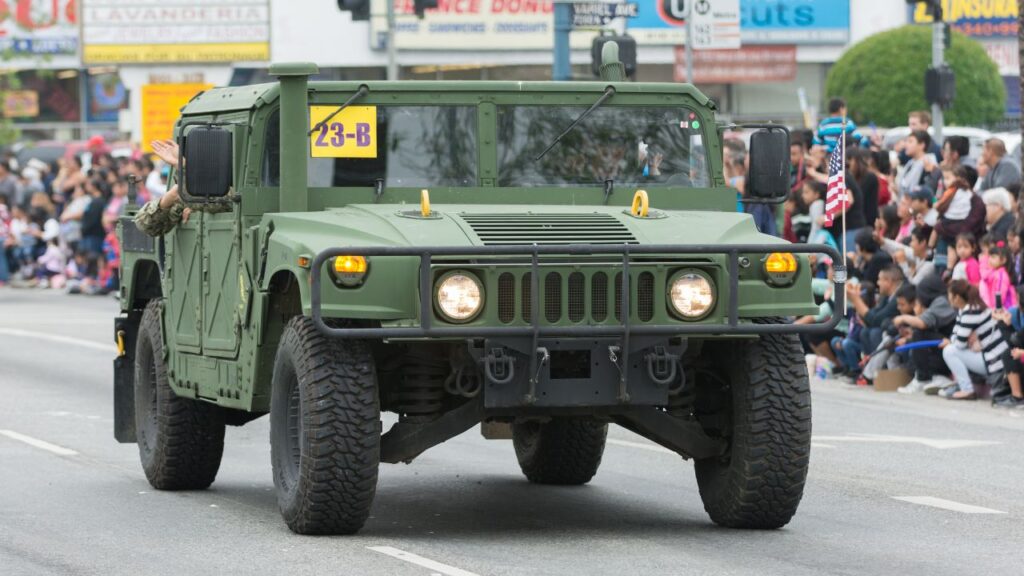
The High Mobility Multipurpose Wheeled Vehicle, better known as the Humvee, has become synonymous with military resilience. Its robust design and versatility have made it a staple in military operations worldwide. The Humvee excels in various climates, from desert sands to muddy jungles, due to its high ground clearance and four-wheel drive capabilities.
Since its introduction in the 1980s, the Humvee has undergone numerous upgrades to enhance its durability and adaptability. Today’s models are equipped with advanced armor and integrated technology systems, making them indispensable in complex operational environments.
MRAP (Mine-Resistant Ambush Protected) Vehicle
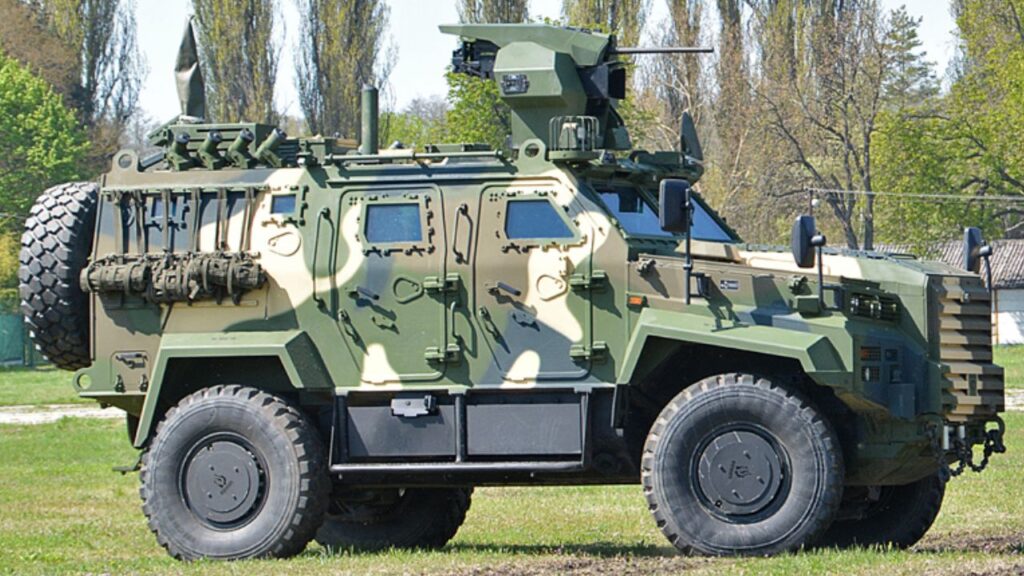
MRAP vehicles are specifically engineered to withstand improvised explosive device (IED) attacks and ambushes. With V-shaped hulls designed to deflect blasts away from the vehicle, MRAPs have proven to be lifesavers in conflict zones. They are heavily armored and can traverse rugged terrains while keeping passengers safe.
The introduction of MRAPs has significantly reduced casualties from roadside bombs. These vehicles are continuously being updated with the latest technology to improve their protective capabilities and adapt to new warfare challenges.
Amphibious Assault Vehicle (AAV)

Amphibious Assault Vehicles are crucial in operations that require seamless transitions between sea and land. Designed to transport troops and equipment from ship to shore, AAVs are equipped with water propulsion systems and robust land navigation capabilities. Their ability to operate in both marine and terrestrial environments makes them versatile tools in military operations.
These vehicles have been integral to naval and marine operations, providing support in beach landings and coastal assaults. The latest models boast improved armor and propulsion systems, ensuring they remain effective in modern warfare scenarios.
Desert Patrol Vehicle (DPV)

Desert Patrol Vehicles are engineered for speed and agility in sandy and arid terrains. Often used by special forces, DPVs are lightweight and equipped with off-road tires and high-performance engines. Their open design allows for quick ingress and egress, making them ideal for reconnaissance and fast-paced missions.
Originally developed for the U.S. Navy SEALs, DPVs have proven their worth in desert operations by providing tactical mobility and rapid response capabilities. They continue to be a key asset in environments where traditional vehicles would be hindered by sand and heat.
Arctic Warfare Vehicle (AWV)

Arctic Warfare Vehicles are specifically designed to operate in freezing temperatures and icy conditions. These vehicles are equipped with specialized tracks and systems to prevent freezing, ensuring reliable performance in the harshest winter climates. Their ability to navigate snow-covered terrains makes them indispensable in Arctic military operations.
Recent advancements have focused on improving fuel efficiency and thermal insulation, allowing AWVs to operate longer in remote areas without refueling or resupply. These vehicles often serve in patrol, transport, and reconnaissance roles in polar regions.
Jungle Penetration Vehicle (JPV)

Jungle Penetration Vehicles are designed to navigate the dense foliage and rough terrain of jungle environments. With features like high ground clearance, reinforced undercarriages, and advanced suspension systems, JPVs can tackle the challenges posed by thick vegetation and muddy tracks.
These vehicles like the PF Viper are essential for operations in tropical regions, providing mobility and support in areas where traditional vehicles cannot operate effectively. Their design focuses on minimizing environmental impact while maximizing operational capability in humid and overgrown landscapes.
Submersible Combat Vehicle (SCV)

Submersible Combat Vehicles are a unique class of military vehicles capable of underwater operations. Used primarily by naval forces, SCVs are designed for stealth and versatility, allowing them to approach targets undetected or conduct reconnaissance missions in hostile waters.
The development of SCVs has focused on enhancing propulsion systems and sonar technology to improve underwater performance and detection capabilities. These vehicles are critical for maintaining naval superiority and executing covert operations beneath the waves.