

The resilience of military aircraft is often tested in combat situations, where they face threats such as missile strikes. Some jets have not only survived these encounters but have also successfully brought their crews back to safety. The following list highlights seven remarkable aircraft that exemplify this capability, showcasing their durability and the skill of their pilots.
A-10 Thunderbolt II

The A-10 Thunderbolt II, affectionately known as the “Warthog,” is renowned for its robustness and durability. Designed primarily for close air support, the A-10 has an armor-plated cockpit and redundant systems, allowing it to withstand significant damage. Notably, during the Gulf War, A-10s returned to base with severe damage, including one instance where a pilot safely landed the aircraft after it had been hit by a surface-to-air missile that blew off one of its engines.
The A-10’s titanium armor and ability to fly with one engine operational contribute to its reputation as a survivalist. Its design prioritizes pilot safety and mission success, making it a formidable platform in hostile environments. The aircraft’s ability to absorb damage and continue flying is a testament to its engineering and the bravery of those who pilot it.
F-15 Eagle

The F-15 Eagle is another aircraft with a legendary record of returning home despite sustaining damage. Known for its speed and maneuverability, the F-15 has been a cornerstone of air superiority since its introduction. In 1983, an Israeli Air Force F-15 managed to land safely after losing an entire wing in a mid-air collision, thanks to the pilot’s skill and the aircraft’s robust design.
This remarkable incident underscores the F-15’s structural integrity and aerodynamic capabilities. The Eagle’s dual engines and advanced flight controls allow it to remain operational even in dire circumstances, making it one of the most dependable fighters in the skies.
B-52 Stratofortress

The B-52 Stratofortress has been a workhorse for the U.S. Air Force for decades, performing a variety of roles, including strategic bombing and maritime reconnaissance. Its resilience was notably demonstrated during the Vietnam War, where several B-52s survived direct hits from surface-to-air missiles and returned to base.
The aircraft’s robust airframe and multiple redundant systems enable it to withstand significant damage while continuing its mission. The B-52’s long service life and adaptability to modern threats illustrate its enduring effectiveness and the ingenuity of its design.
F-4 Phantom II
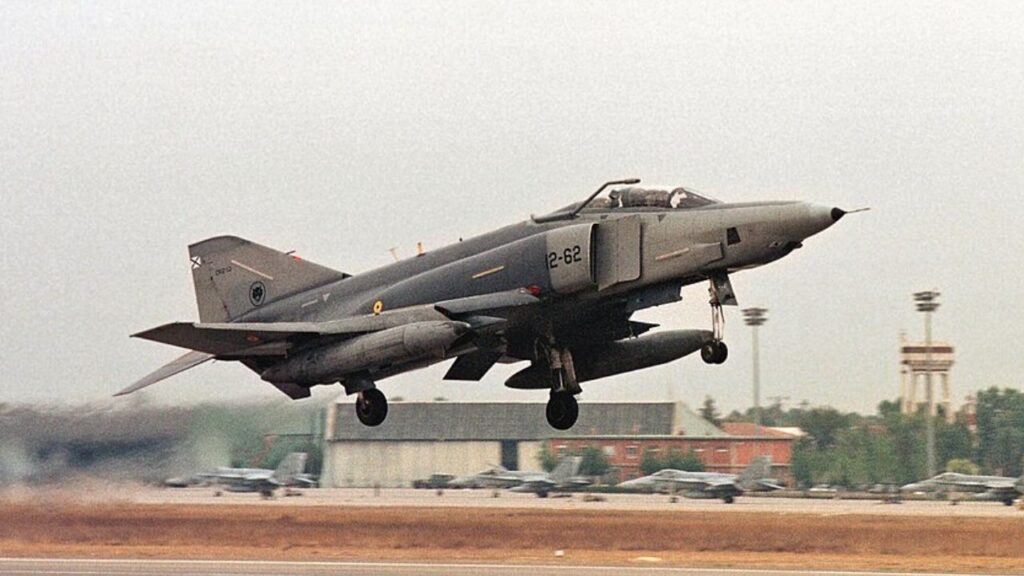
The F-4 Phantom II served as a multirole fighter for the U.S. and allied forces, known for its versatility and power. During the Vietnam War, the Phantom encountered numerous missile threats, yet it consistently demonstrated its ability to absorb damage and protect its crew. One famous incident involved an F-4 that returned with major structural damage after a missile strike.
The Phantom’s twin engines and sturdy construction contributed to its resilience. Its adaptability to various roles and environments underscores its enduring legacy as one of the most reliable fighters of its era.
F/A-18 Hornet
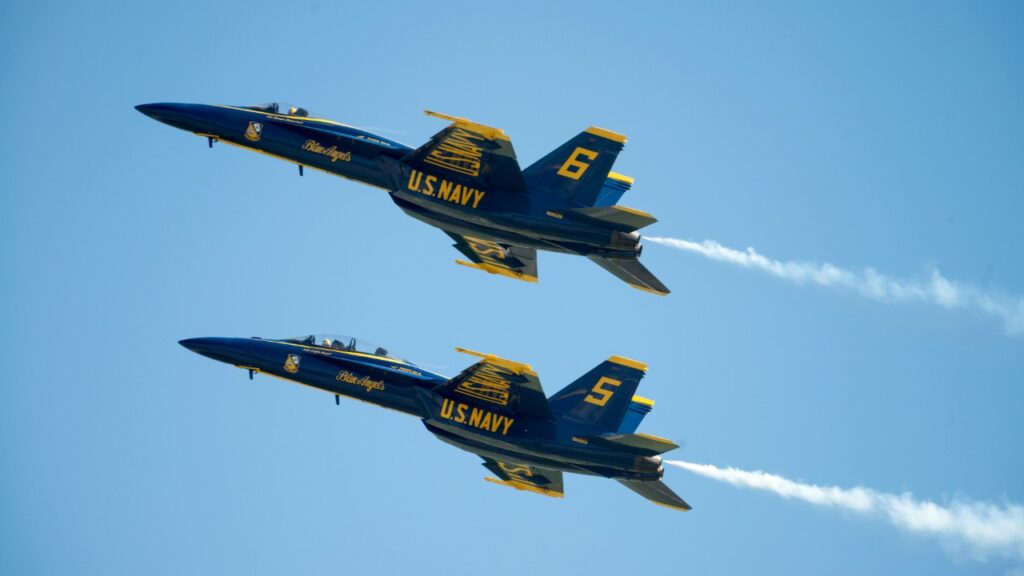
The F/A-18 Hornet is a versatile fighter jet capable of both air-to-air and air-to-ground missions. Its durability was put to the test during operations in the Middle East. In one notable instance, a U.S. Navy F/A-18 managed to return to its carrier after sustaining a missile hit that damaged its control surfaces.
This aircraft’s advanced avionics and robust design allow it to withstand significant damage while maintaining flight control. The Hornet’s versatility and resilience make it a key asset in modern naval aviation operations.
C-130 Hercules

The C-130 Hercules is a tactical transport aircraft with a storied history of reliability and performance in hostile environments. Known for its ruggedness, the C-130 has been involved in numerous situations where it sustained damage yet continued to operate effectively.
During the 2003 Iraq War, a C-130 was struck by a missile but managed to land safely, thanks to its sturdy construction and the crew’s adept handling. The Hercules’s ability to perform in austere conditions and survive enemy fire is a testament to its enduring design and operational flexibility.
F-16 Fighting Falcon
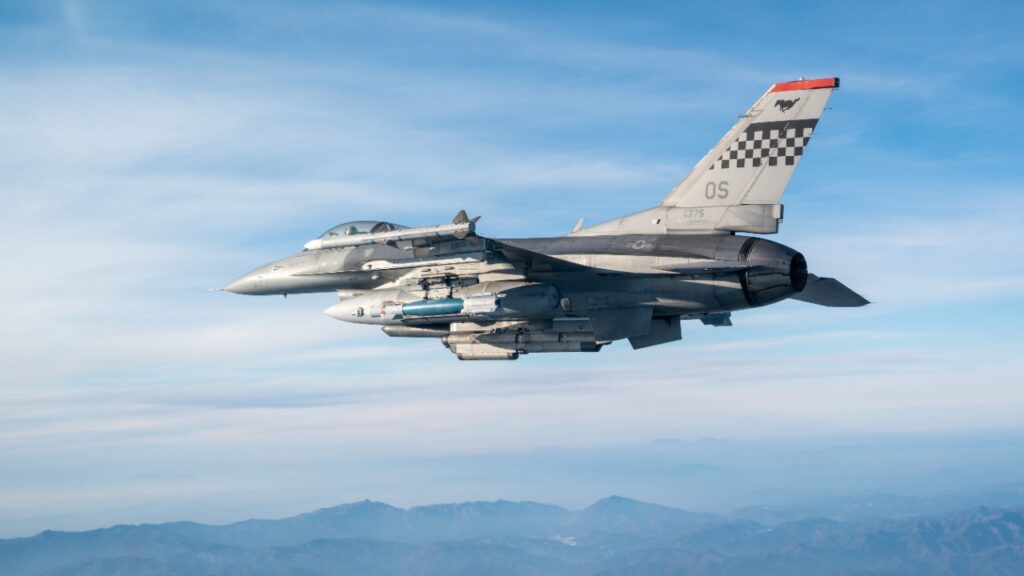
The F-16 Fighting Falcon, known for its agility and versatility, has proven its resilience in combat many times. In 1991, during Operation Desert Storm, an F-16 was hit by a surface-to-air missile but managed to return safely to base, highlighting its robust design and the skill of its pilot.
The F-16’s advanced avionics and aerodynamic design allow it to absorb damage while maintaining control. Its continued use by air forces around the world is a testament to its effectiveness and reliability in the face of adversity.