
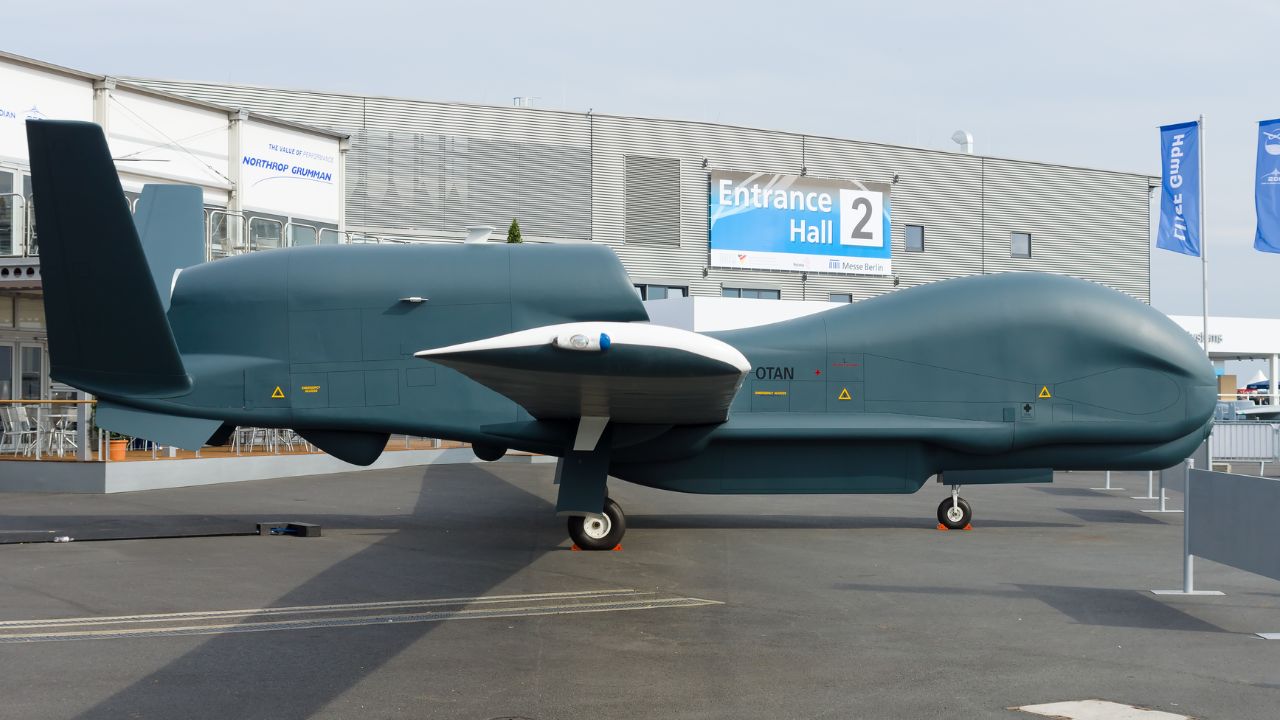
In the landscape of modern warfare, drones have emerged as game-changers, redefining combat strategies and capabilities. From reconnaissance to precision strikes, these aerial systems have revolutionized military operations. Below, I explore seven pivotal drone systems that have had a significant impact on how wars are fought today.
Predator MQ-1
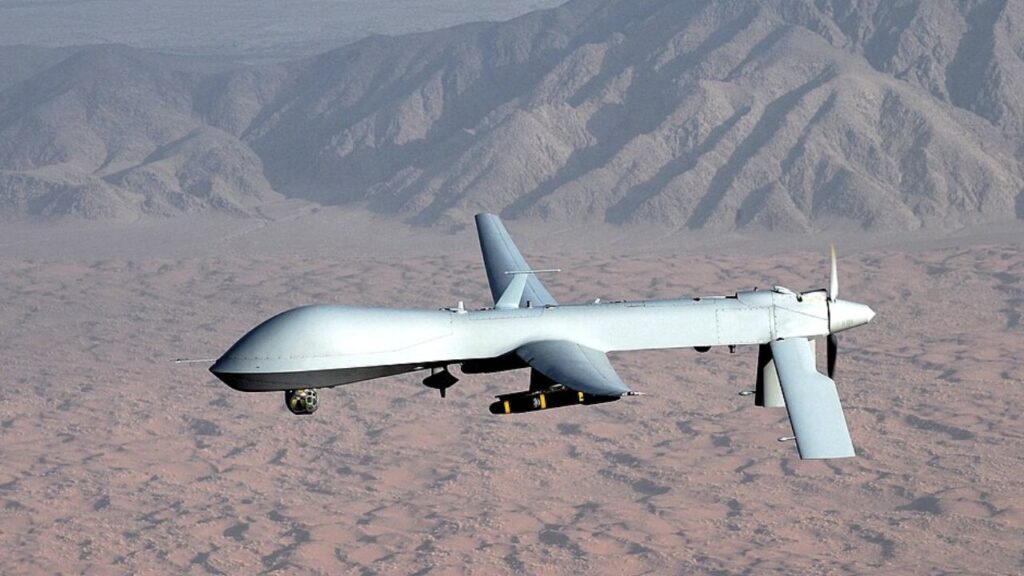
The Predator MQ-1, developed by General Atomics, is often regarded as the pioneer of modern combat drones. First introduced in the mid-1990s, the MQ-1 Predator was initially intended for reconnaissance missions. However, it soon became known for its ability to carry out targeted strikes, primarily thanks to its integration of AGM-114 Hellfire missiles. Its role in conflicts such as the Afghanistan and Iraq wars demonstrated its effectiveness, marking a shift towards unmanned aerial vehicle (UAV)-based combat.
One notable deployment of the Predator MQ-1 was during Operation Enduring Freedom, where it provided real-time intelligence and support for ground troops. Its success in these operations paved the way for the development of more advanced UAVs, cementing its place in military history.
Reaper MQ-9
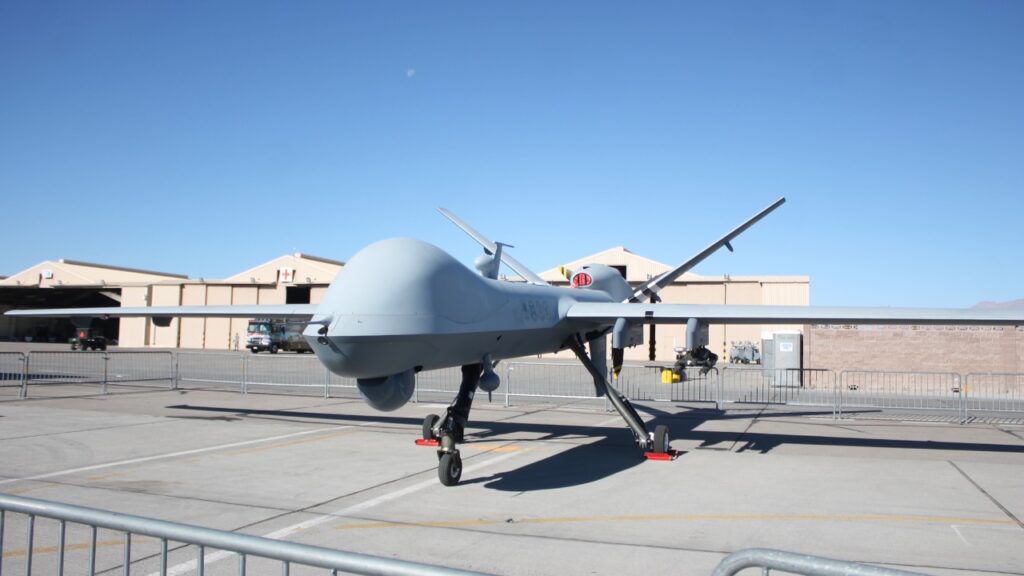
Following the success of the MQ-1, the Reaper MQ-9 was developed as a more advanced and capable successor. With enhanced endurance and payload capacity, the MQ-9 Reaper can carry a variety of armaments, making it a versatile platform for both reconnaissance and combat missions. It can sustain flight for up to 27 hours, providing persistent surveillance and strike capabilities over extended periods.
The MQ-9 Reaper has been extensively used in the War on Terror, particularly in regions like Afghanistan, Iraq, and Syria. Its ability to deliver precise strikes with minimal collateral damage has made it a preferred tool for counter-insurgency operations.
Bayraktar TB2
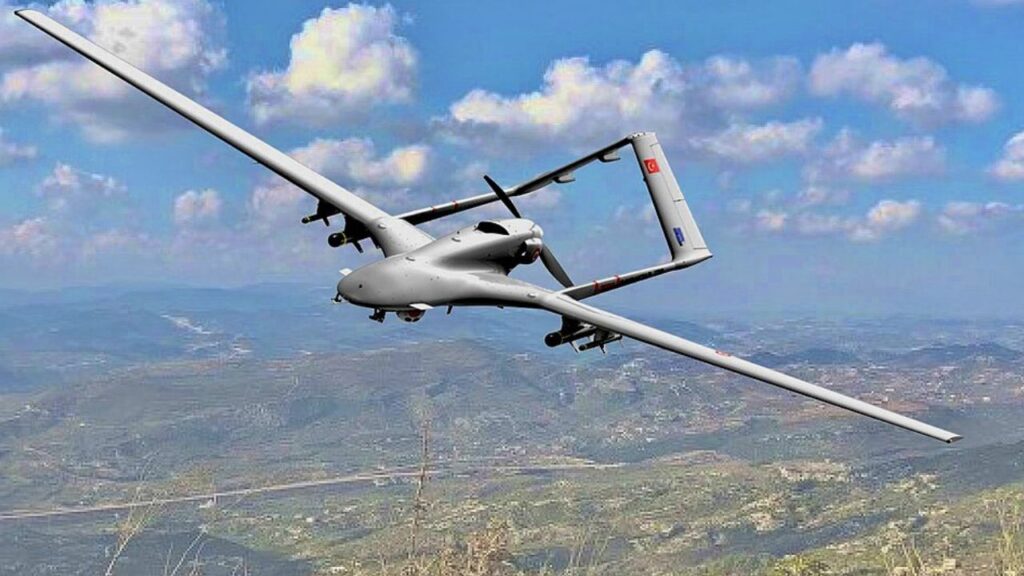
The Turkish-developed Bayraktar TB2 has gained significant attention for its role in recent conflicts, notably in the Nagorno-Karabakh war and the Libyan civil conflict. Known for its affordability and effectiveness, the Bayraktar TB2 has been instrumental in providing air support and surveillance for military operations. Its ability to carry precision-guided munitions has allowed smaller nations to enhance their military capabilities significantly.
One of the most remarkable aspects of the Bayraktar TB2 is its role in asymmetric warfare, where it has been used to achieve strategic advantages against more traditional military forces. Its success in these scenarios has encouraged other countries to explore similar UAV technologies.
Harop Loitering Munition
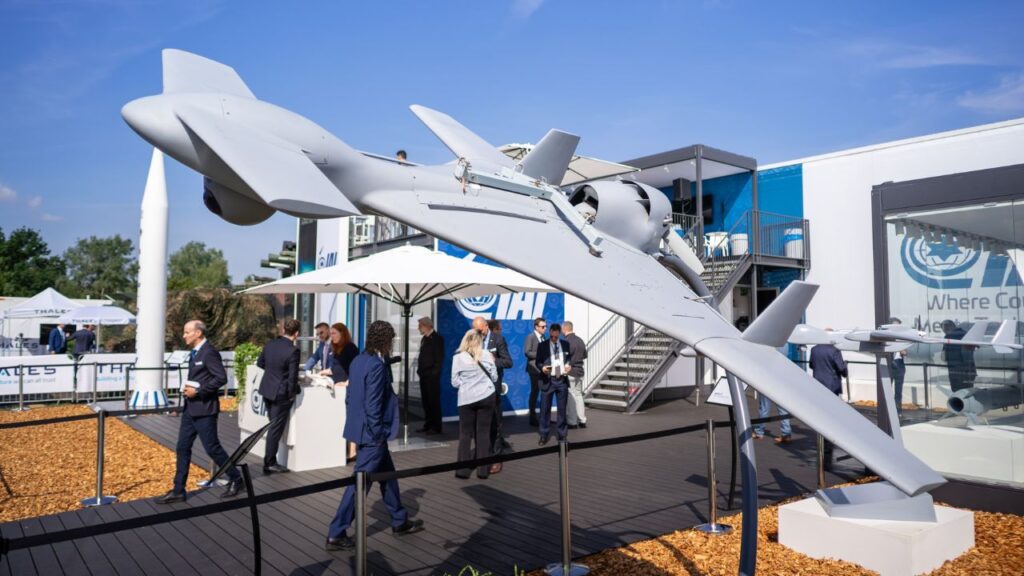
The Harop Loitering Munition, developed by Israel Aerospace Industries, represents a unique category of drones known as “kamikaze” or “suicide” drones. Designed to loiter over a target area before striking with precision, the Harop has been used in various conflicts, including the 2020 Nagorno-Karabakh war. Its ability to loiter for hours and strike high-value targets has changed the dynamics of battlefield engagement.
This drone’s capability to autonomously identify and destroy enemy radar systems makes it an invaluable asset in electronic warfare, disrupting enemy defenses and communications effectively.
Global Hawk RQ-4
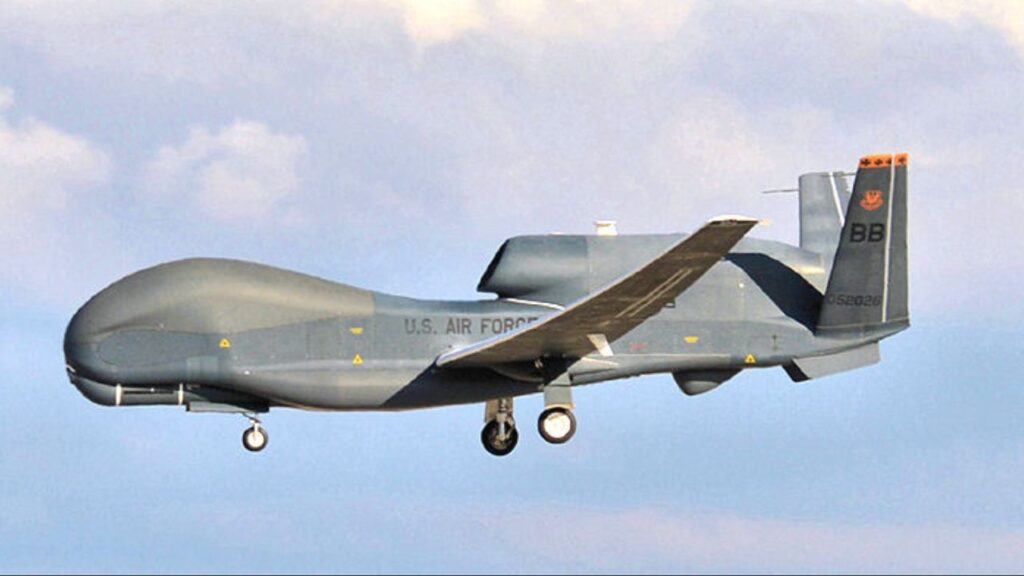
The Global Hawk RQ-4, developed by Northrop Grumman, is a long-endurance, high-altitude drone primarily used for intelligence, surveillance, and reconnaissance (ISR) missions. With its ability to fly at altitudes of up to 60,000 feet, the RQ-4 provides extensive coverage and detailed imagery of vast areas, making it a critical asset for strategic military planning.
Deployed in various theaters, including the Middle East and Asia-Pacific, the Global Hawk has been essential in monitoring military activities and providing real-time intelligence to decision-makers, ensuring informed strategic decisions.
Switchblade 300
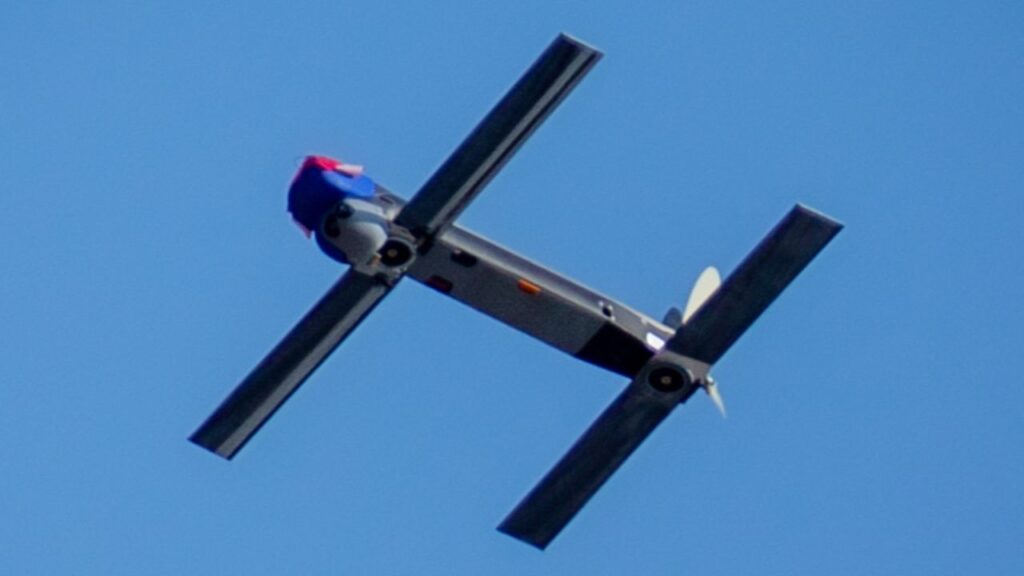
The Switchblade 300, developed by AeroVironment, is a portable, lightweight loitering munition favored by special operations forces. Its compact size allows for easy deployment in challenging terrains, and it can be launched from land, sea, or air platforms. Designed for precision strikes, the Switchblade 300 is particularly effective for tactical operations against high-value targets.
In recent conflicts, the Switchblade 300 has been utilized for its ability to provide real-time video feed and adjust its course mid-flight, offering flexibility and precision in dynamic combat situations.
Wing Loong II
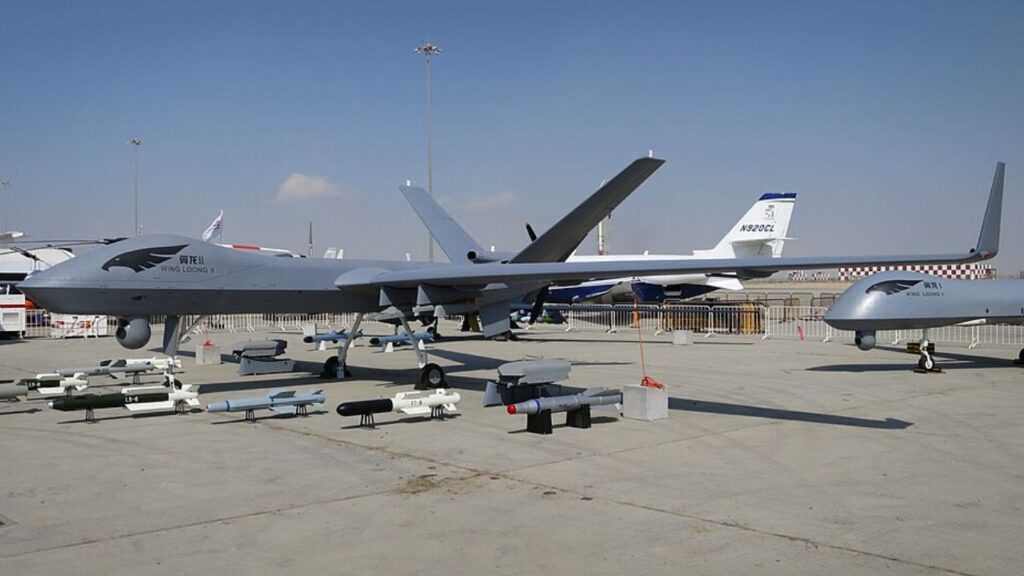
The Wing Loong II, developed by the Aviation Industry Corporation of China (AVIC), is a medium-altitude, long-endurance drone known for its versatility and capability to carry a wide range of munitions. It has been deployed in several regions, including the Middle East and Africa, providing both reconnaissance and strike capabilities.
With its ability to perform complex missions and operate in diverse environments, the Wing Loong II has become a key component in the arsenals of several countries, reflecting China’s growing influence in the global drone market.