
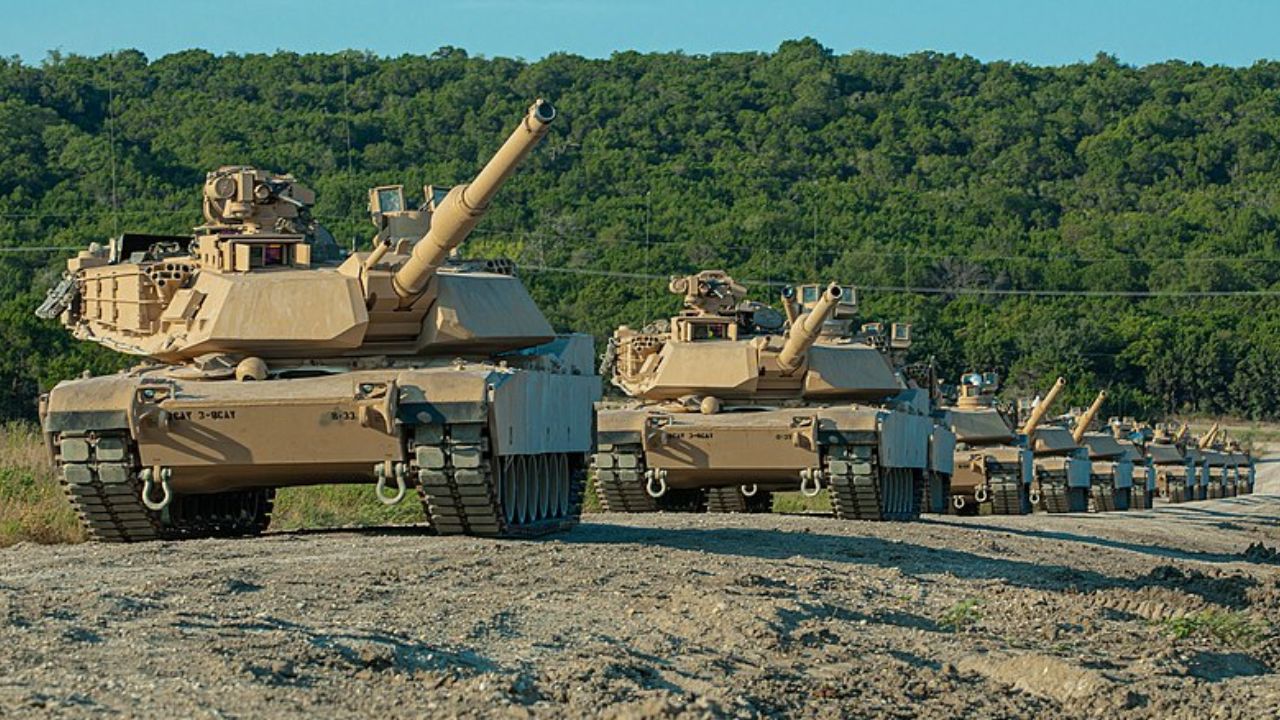
In the chaos of the battlefield, armored vehicles play a critical role in ensuring the survival and success of military operations. Over the years, several armored vehicles have gained a reputation for reliability and effectiveness when the stakes are highest. Here, I take a closer look at seven of these trusted workhorses, from main battle tanks to infantry fighting vehicles, that crews have relied on when everything else seemed to fail.
M1 Abrams Main Battle Tank
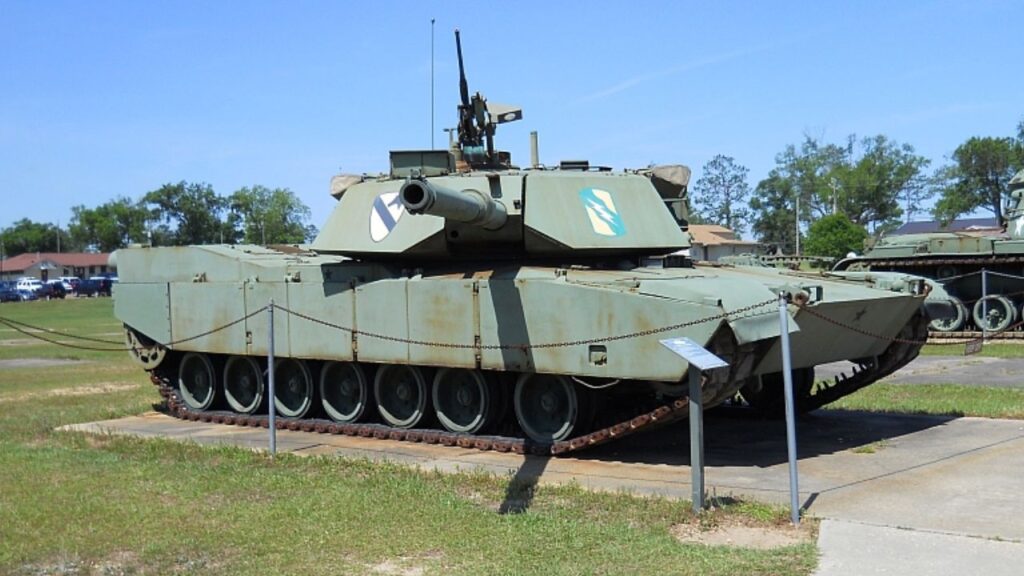
The M1 Abrams has been a cornerstone of the U.S. military since its introduction in the 1980s. Renowned for its powerful 120mm smoothbore cannon, advanced composite armor, and formidable gas turbine engine, the Abrams excels in both offensive and defensive operations. Its performance in the Gulf War solidified its reputation, where it displayed superior firepower and protection against Iraqi forces.
Beyond its combat capabilities, the M1 Abrams offers cutting-edge technology with its digital fire-control system and crew comfort enhancements. This tank has continued to evolve through various upgrades, ensuring its relevance in modern warfare. The Abrams’ adaptability and resilience underscore why it remains a trusted choice for armored vehicle crews.
Leopard 2 Main Battle Tank
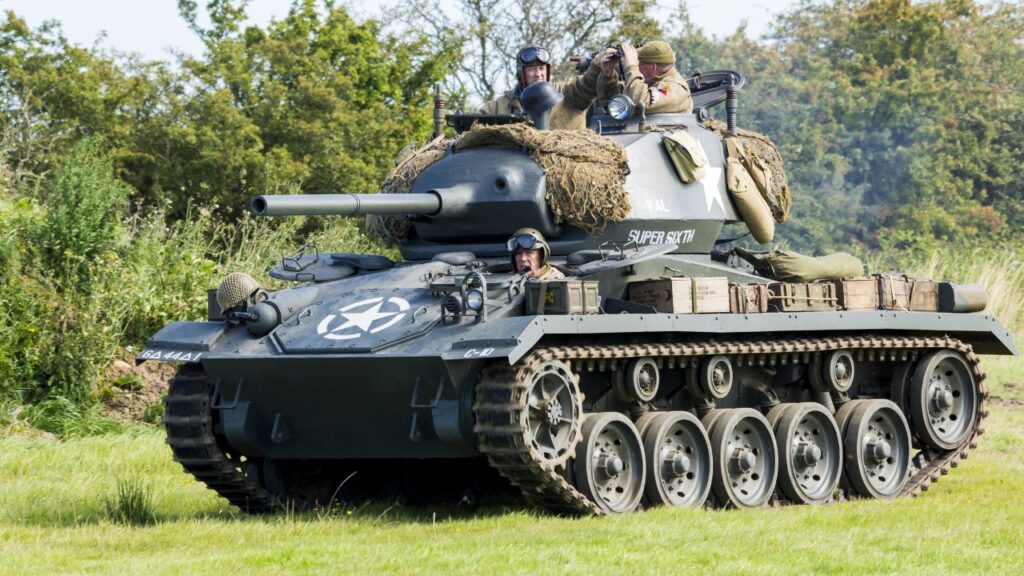
The Leopard 2, developed by Germany, stands as a benchmark for modern armored warfare. First entering service in the late 1970s, it combines mobility, firepower, and protection, making it one of the world’s leading main battle tanks. Its Rheinmetall 120mm gun and advanced optics system allow for precise targeting and engagement of enemy forces.
Known for its exceptional cross-country performance, the Leopard 2 also features modular armor, allowing for quick enhancements to meet various threats. Used by numerous NATO countries, its operational success has been demonstrated in conflicts across the globe, reinforcing its status as a reliable and trusted armored vehicle.
Challenger 2 Main Battle Tank
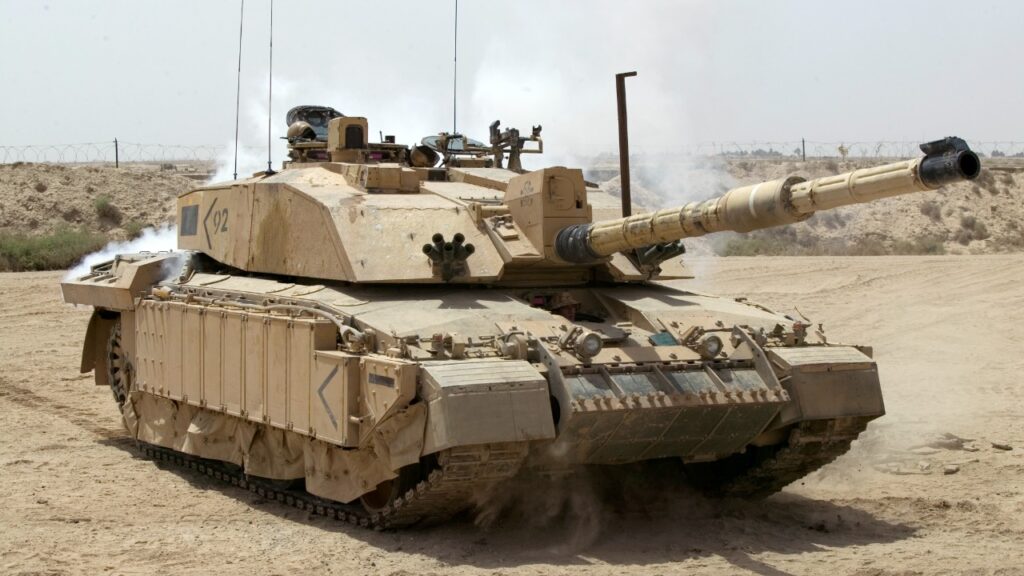
The British Challenger 2 is celebrated for its durability and outstanding protection. Entering service in the 1990s, it is equipped with a powerful 120mm rifled gun and state-of-the-art Chobham armor, offering unparalleled resilience against enemy fire. The Challenger 2’s performance during operations in Iraq highlighted its toughness, withstanding direct hits and continuing to operate effectively.
Its cutting-edge fire-control system ensures accuracy and effectiveness, even in challenging conditions. The Challenger 2’s reputation for reliability and survivability makes it a favored choice for armored divisions seeking a vehicle that can handle the most demanding combat environments.
T-90 Main Battle Tank

Russia’s T-90 main battle tank is an evolution of the T-72, incorporating advanced technology and weaponry. With its 125mm smoothbore cannon and reactive armor, the T-90 offers a formidable presence on the battlefield. Its combination of firepower and protection has made it a mainstay of the Russian armored forces.
The T-90’s combat effectiveness is enhanced by its modern fire-control system and thermal imaging capabilities, allowing for precise targeting in a variety of conditions. Its deployment in conflicts such as the Syrian Civil War has demonstrated the T-90’s adaptability and resilience, reinforcing its role as a trusted combat vehicle.
Merkava Main Battle Tank

Israel’s Merkava series is uniquely designed with crew safety and battlefield performance in mind. Since its introduction in the late 1970s, the Merkava has evolved through several iterations, each enhancing its firepower, armor, and mobility. The Merkava IV, the latest version, features a 120mm smoothbore gun and advanced armor systems, providing robust protection.
One of the Merkava’s distinctive features is its rear compartment, which can transport troops or serve as a medical evacuation space. This versatility, combined with its battle-proven track record in conflicts such as the Lebanon War, underscores the trust placed in the Merkava by its crews.
Stryker Armored Combat Vehicle

The Stryker, introduced by the U.S. Army in the early 2000s, offers a unique balance of mobility, protection, and versatility. As a wheeled armored vehicle, it is faster and quieter than tracked tanks while still providing significant protection for its occupants. The Stryker’s adaptability is evident in its numerous configurations, from infantry transport to mobile gun system.
Its deployment in Iraq and Afghanistan highlighted the Stryker’s ability to perform in urban environments, providing crucial support to infantry units. The vehicle’s reliability and adaptability in diverse combat scenarios have made it a trusted asset in modern military operations.
BMP-3 Infantry Fighting Vehicle
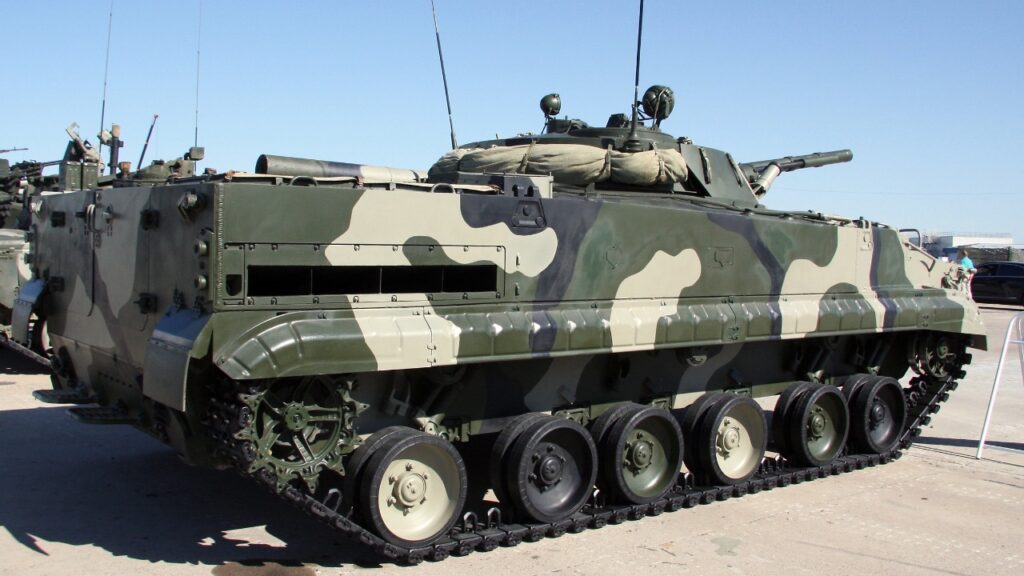
Russia’s BMP-3 is a versatile infantry fighting vehicle that combines firepower, protection, and troop transport capabilities. Introduced in the late 1980s, it features a 100mm gun, a 30mm autocannon, and anti-tank missile capabilities, making it a formidable opponent on the battlefield.
The BMP-3’s amphibious capabilities and mobility allow it to operate effectively in a variety of terrains, providing essential support to infantry units. Its use in conflicts such as the Yemeni Civil War has demonstrated its effectiveness and adaptability, earning the trust of crews who depend on it in challenging combat environments.