

Aircraft carriers stand as a testament to military might and technological innovation, serving as floating fortresses capable of projecting power across the globe. These majestic vessels have played pivotal roles in history, showcasing the naval prowess of their respective nations. Here, I delve into seven aircraft carriers that have projected unmatched power worldwide.
USS Enterprise (CVN-65)

The USS Enterprise, affectionately known as the “Big E,” was the world’s first nuclear-powered aircraft carrier. Commissioned in 1961, it served the United States Navy for over 50 years, participating in significant conflicts such as the Cuban Missile Crisis and the Vietnam War. Its unique eight-reactor power plant allowed it to travel at high speeds, making it a formidable presence on the seas.
This carrier was instrumental in numerous military operations, providing air support and enforcing maritime security. The USS Enterprise’s legacy continues to influence naval engineering and strategy, as it set the standard for future nuclear-powered carriers.
HMS Queen Elizabeth (R08)

The HMS Queen Elizabeth represents the largest and most advanced warship ever built for the Royal Navy. Launched in 2014, it serves as a symbol of British maritime strength and innovation. With its ability to carry up to 40 aircraft, including the F-35B Lightning II stealth fighters, it projects significant air power.
This carrier is equipped with cutting-edge technology, such as advanced radar systems and automated weaponry, ensuring its effectiveness in modern warfare. The HMS Queen Elizabeth plays a crucial role in NATO operations, enhancing the United Kingdom’s influence on the global stage.
Admiral Kuznetsov (063)

Russia’s Admiral Kuznetsov is a unique aircraft carrier, combining the features of a traditional carrier with those of a heavy aircraft-carrying cruiser. Launched in 1985, it serves as the flagship of the Russian Navy, showcasing the country’s naval capabilities.
Admiral Kuznetsov has been deployed in various military operations, including the Syrian conflict, where it provided crucial air support. Despite facing challenges with maintenance and modernization, it remains an essential part of Russia’s naval strategy, reflecting its geopolitical ambitions.
INS Vikramaditya (R33)
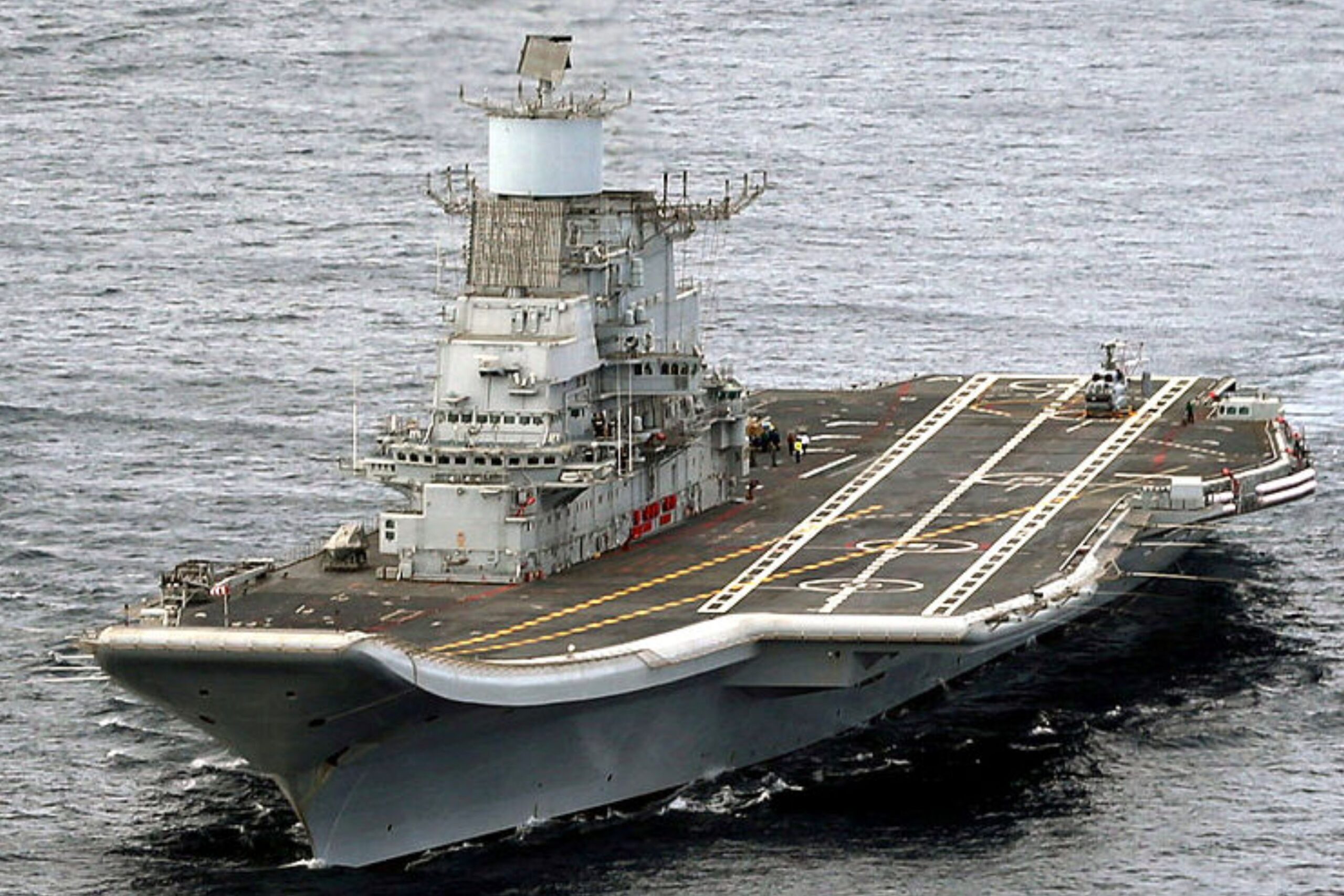
The INS Vikramaditya is a key asset in the Indian Navy, enhancing India’s maritime capabilities. Originally built as the Soviet carrier Baku, it was acquired and extensively refurbished by India, entering service in 2013. It represents a significant leap in India’s naval power projection in the Indian Ocean region.
Equipped with modern aircraft such as the MiG-29K, the INS Vikramaditya plays a crucial role in maintaining regional security and deterring potential threats. It exemplifies India’s growing influence in maritime affairs, bolstering its status as a regional power.
Charles de Gaulle (R91)
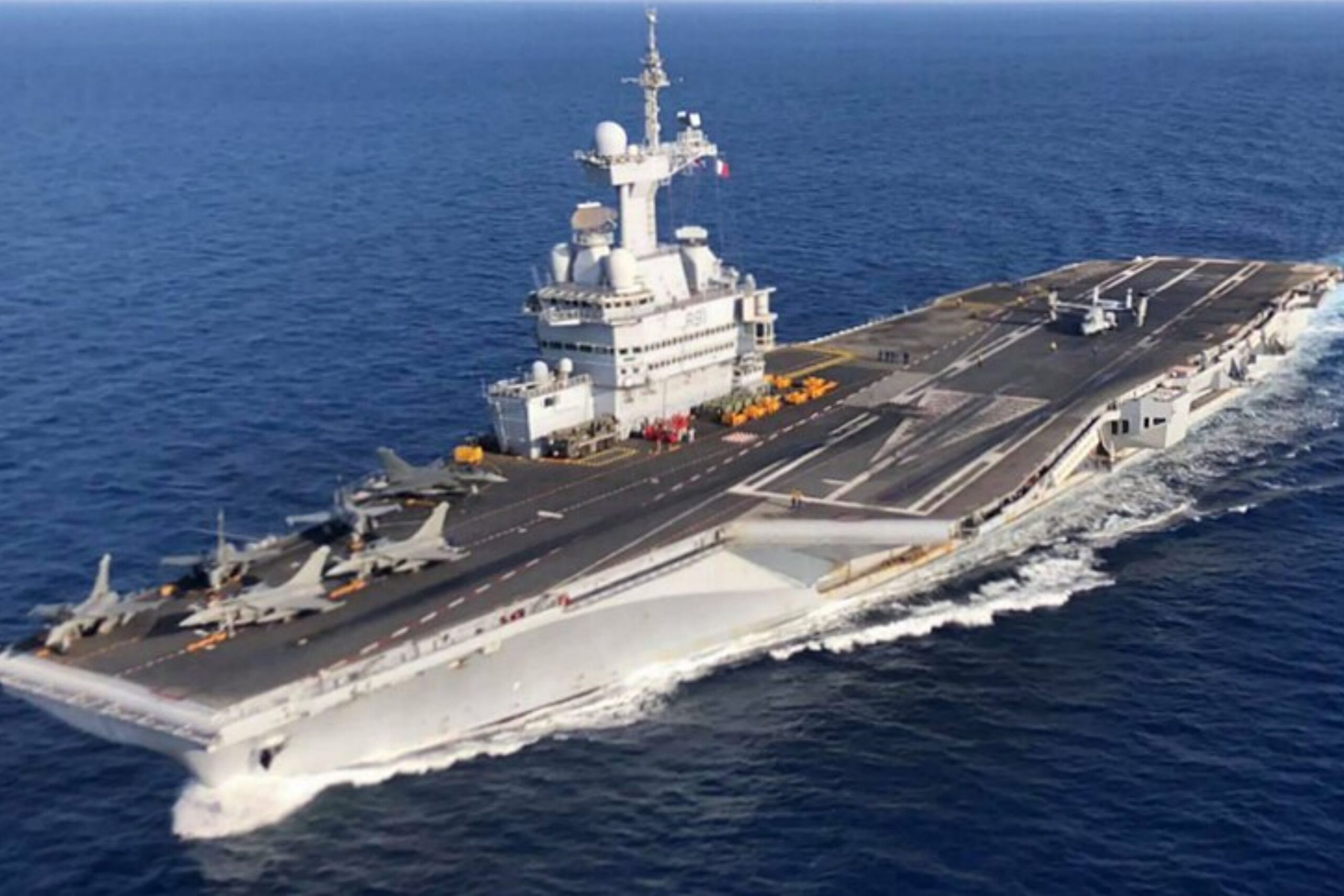
The Charles de Gaulle is France’s first nuclear-powered surface vessel, serving as the flagship of the French Navy. Commissioned in 2001, it stands as a testament to France’s naval engineering prowess and military strength. With its capability to deploy various aircraft, it provides France with a versatile and powerful tool for global operations.
This carrier has been actively involved in numerous international missions, including operations in the Middle East and support in NATO-led missions. The Charles de Gaulle enhances France’s ability to project power and influence globally, reflecting its commitment to international security.
Liaoning (CV-16)

Liaoning, China’s first aircraft carrier, represents a significant milestone in the People’s Liberation Army Navy’s modernization efforts. Originally built as the Soviet carrier Varyag, it was purchased and extensively refitted by China, entering service in 2012.
As a training vessel, Liaoning serves to develop the operational capabilities and doctrines of China’s carrier fleet. It symbolizes China’s growing maritime ambitions and its determination to establish a blue-water navy capable of projecting power far beyond its shores.
USS Gerald R. Ford (CVN-78)

The USS Gerald R. Ford is the lead ship of the Ford-class aircraft carriers, representing the latest technological advancements in naval warfare. Commissioned in 2017, it features cutting-edge technologies such as the Electromagnetic Aircraft Launch System (EMALS) and advanced radar systems.
Designed to increase efficiency and reduce maintenance costs, the USS Gerald R. Ford enhances the United States Navy’s ability to project power globally. Its innovative design sets the stage for future generations of aircraft carriers, ensuring U.S. naval superiority for decades to come.