
Some combat aircraft have become legends not because of their technical specifications, but due to their resilience and ability to survive in challenging conditions. These aircraft have proven themselves in real-world operations, outlasting expectations and earning a reputation for durability. Here are six combat aircraft that have made their mark through survival, not just specs.
A-10 Thunderbolt II

The A-10 Thunderbolt II, affectionately known as the “Warthog,” has built its reputation on survivability rather than cutting-edge technology. First flown in 1972, it is designed for close air support and is known for its ability to withstand significant damage while continuing to operate. Its titanium armor, which protects the cockpit and critical systems, is a testament to its durability.
During the Gulf War, the A-10 demonstrated its resilience by returning to base with extensive battle damage, a feat that many modern aircraft would struggle to achieve. Its simple, robust design allows it to operate from improvised airfields, making it an indispensable asset in warfare.
Lockheed C-130 Hercules
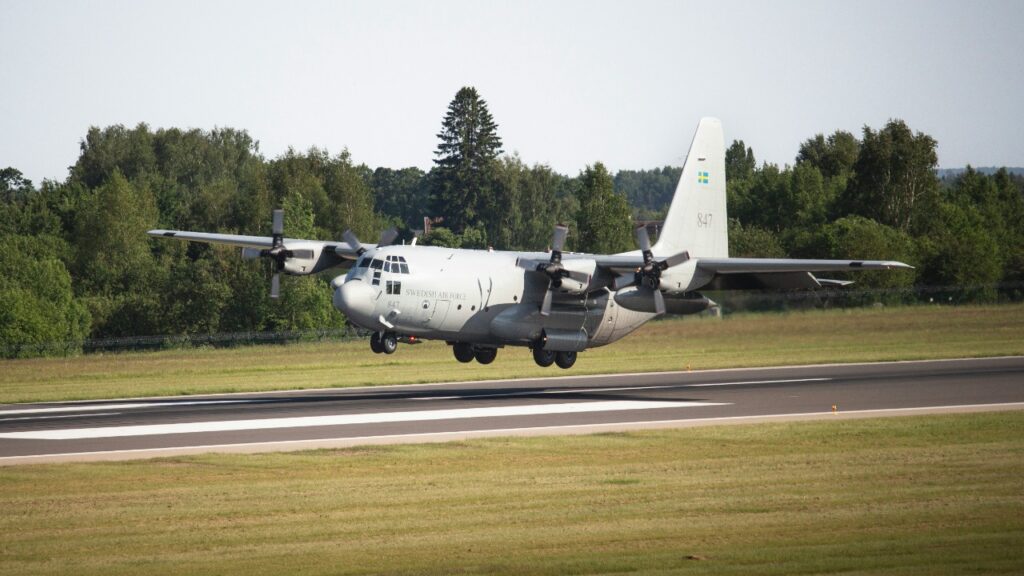
The Lockheed C-130 Hercules is a versatile transport aircraft that has been in service since the 1950s. Known for its rugged design, the C-130 can operate in diverse environments, from unpaved runways in remote locations to icy terrains in Antarctica. Its adaptability and reliability have made it a favorite among military forces worldwide.
One notable example of its resilience is during the Vietnam War, where the C-130 was used for troop transport, medical evacuation, and cargo delivery, often under hostile fire. Its ability to continue missions under adverse conditions has cemented its reputation as a workhorse of the skies.
Boeing B-52 Stratofortress
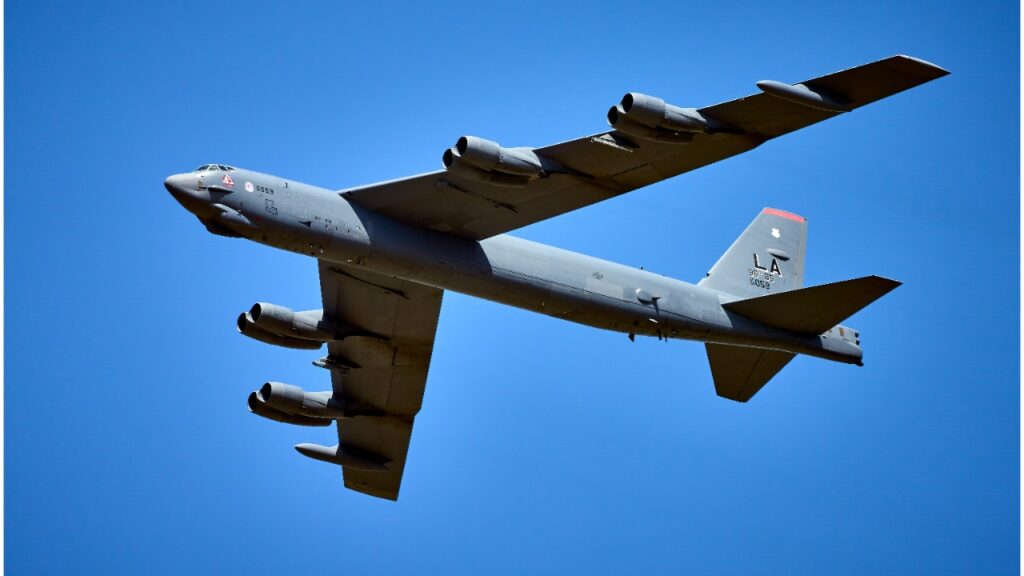
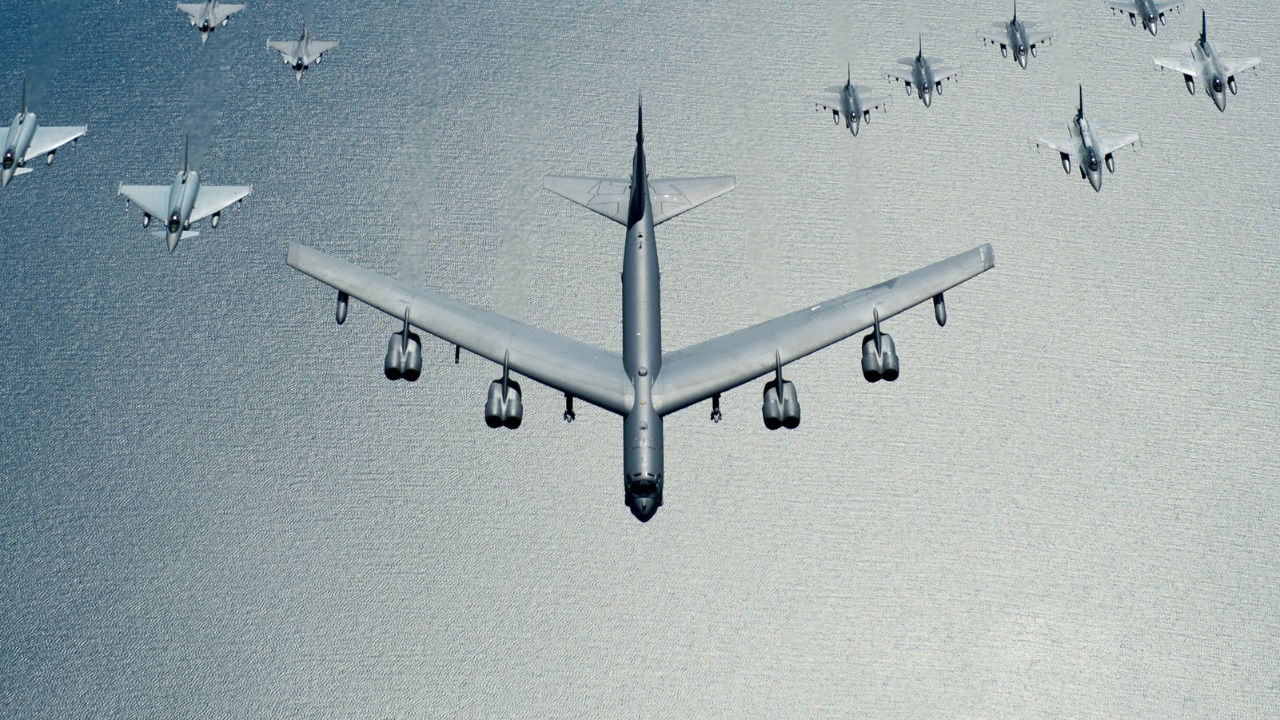
The Boeing B-52 Stratofortress is a long-range bomber that has been serving the United States Air Force since 1955. Despite its age, the B-52 remains in active service due to its adaptability and robustness. It has been modified over the years to incorporate new technologies while maintaining its core strengths.
During Operation Desert Storm, the B-52 flew numerous sorties, demonstrating its capability to deliver a heavy payload over long distances. Its ability to stay in service for decades with continuous upgrades highlights its unmatched durability in the realm of strategic bombers.
McDonnell Douglas F-4 Phantom II

The McDonnell Douglas F-4 Phantom II earned its place in aviation history through its versatility and ruggedness. First introduced in the 1960s, this multirole fighter was used by numerous countries and adapted for various missions, including air superiority, ground attack, and reconnaissance.
Its performance during the Vietnam War showcased its ability to endure harsh combat conditions. The F-4’s robust design allowed it to continue flying despite taking damage, a quality that endeared it to pilots and contributed to its long service life across multiple air forces.
Fairchild Republic C-119 Flying Boxcar

The Fairchild Republic C-119 Flying Boxcar was a military transport aircraft used extensively during the Korean War. Known for its unique twin-boom design, the C-119 was capable of carrying large cargo loads and paratroopers, making it a vital component of military logistics.
Its ruggedness allowed it to operate in challenging environments, including unprepared airstrips. The C-119’s ability to deliver supplies and personnel in difficult conditions reinforced its reputation as a dependable transport aircraft, earning its place in aviation history.
Grumman F6F Hellcat

The Grumman F6F Hellcat was a carrier-based fighter aircraft that played a critical role during World War II. Its design prioritized toughness and ease of maintenance, which were essential for operations from aircraft carriers in the Pacific Theater.
The Hellcat’s robust construction allowed it to absorb significant damage and still return to carriers, which was crucial in the intense aerial battles of the time. Its contribution to the U.S. Navy’s success in the Pacific, combined with its ability to withstand combat damage, solidified its reputation as a reliable and resilient fighter aircraft.