
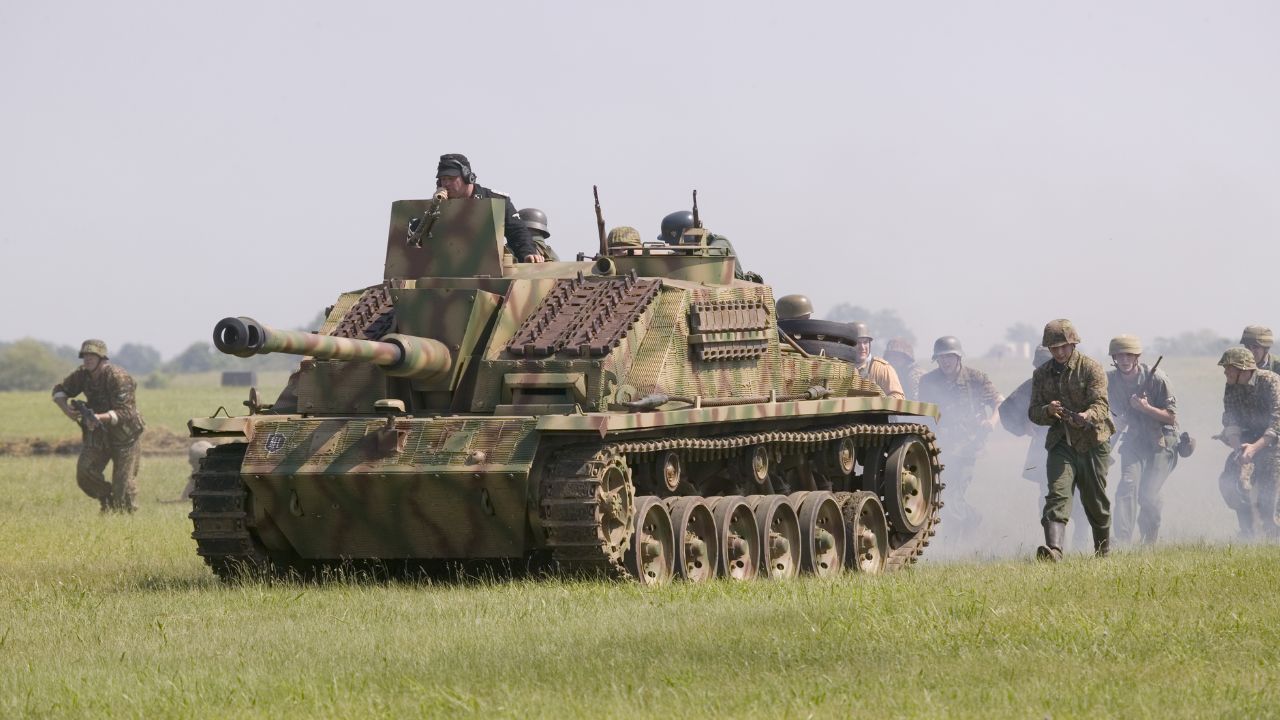
Throughout history, technological advancements have played a pivotal role in shaping the outcomes of conflicts. From ancient times to modern warfare, certain innovations have provided a significant edge on the battlefield. Here, I explore six transformative technologies that have changed the way wars are fought.
The Longbow
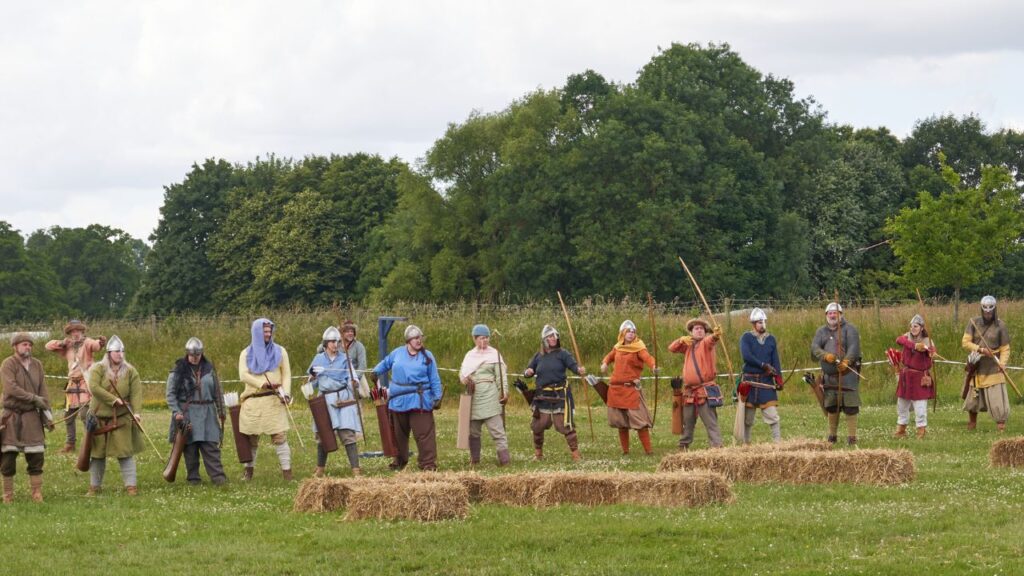
The longbow revolutionized warfare during the Middle Ages, particularly in the hands of English archers. Its effectiveness was showcased in battles like Agincourt in 1415, where the English army, despite being outnumbered, defeated the French thanks to the longbow’s range and power. Capable of penetrating armor at over 200 yards, it allowed soldiers to strike from a distance, changing medieval battle tactics by emphasizing ranged attacks over close combat.
Its simplicity and ease of production made the longbow an accessible yet formidable weapon. While it required significant skill and strength to use effectively, the longbow’s impact on warfare was undeniable, setting the stage for future developments in projectile weaponry.
Gunpowder Artillery
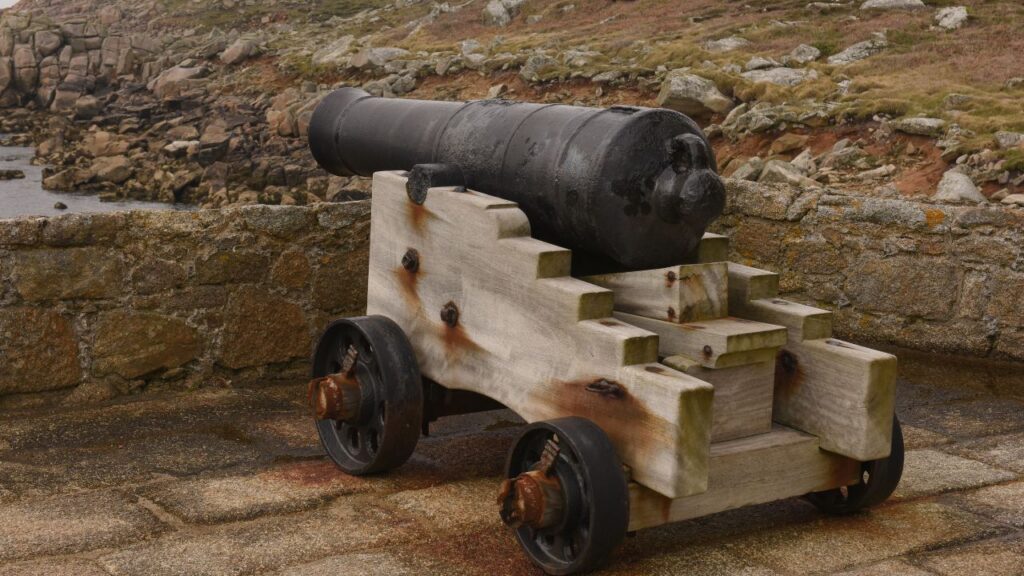
Gunpowder artillery marked a turning point in siege warfare, with cannons and mortars becoming indispensable tools for armies around the world. The fall of Constantinople in 1453 is a prime example, where the Ottoman Empire employed massive cannons to breach the city’s formidable walls. This shift signaled the end of traditional fortification designs and ushered in a new era of military engineering.
Artillery continued to evolve with advances in metallurgy and engineering, leading to more mobile and accurate field guns. By the time of the Napoleonic Wars, artillery units were essential components of battlefield strategy, providing both offensive and defensive capabilities that shaped the outcomes of numerous engagements.
The Tank
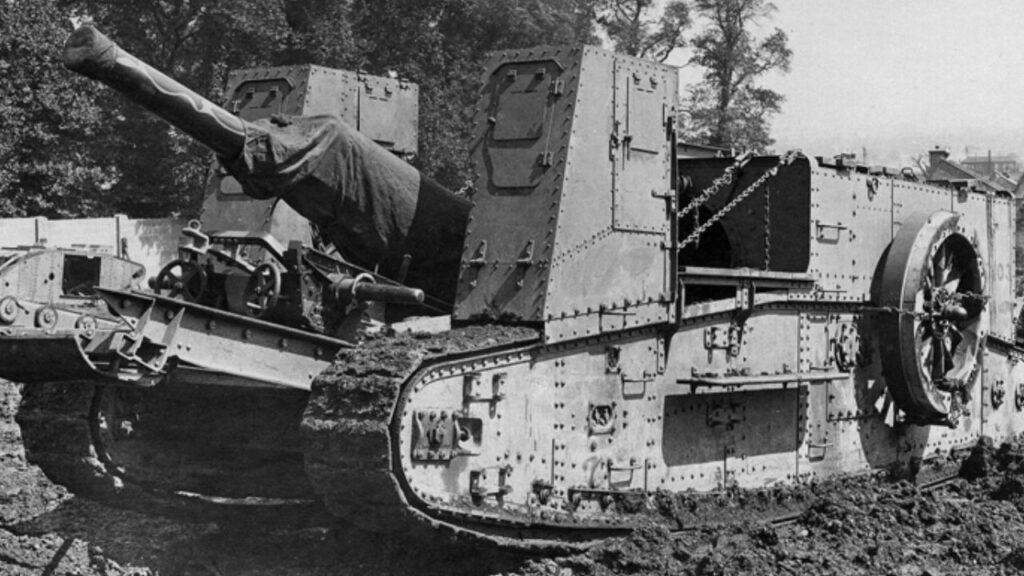
The advent of the tank during World War I introduced a new dimension to land warfare. Designed to overcome the stalemate of trench warfare, tanks like the British Mark I provided mobile firepower and protection, capable of traversing difficult terrain and barbed wire. Their presence on the battlefield helped break through enemy lines and inspired fear in opposing forces.
World War II saw the evolution of tank design and strategy, with models like the German Panzer and the Soviet T-34 becoming iconic symbols of armored warfare. Tanks have continued to be a cornerstone of military tactics, with modern iterations incorporating advanced technology to enhance their combat effectiveness.
Radar Systems

Radar technology dramatically enhanced military capabilities by allowing forces to detect enemy aircraft and ships beyond visual range. During World War II, radar played a crucial role in the Battle of Britain, enabling the Royal Air Force to effectively deploy fighters against incoming German bombers. This early warning system was instrumental in preventing air superiority by the Axis powers.
As radar technology advanced, it became integral to air defense systems, naval operations, and missile guidance. Modern radar systems offer greater range, accuracy, and capabilities, serving as a vital component of military surveillance and reconnaissance efforts.
Night Vision Technology
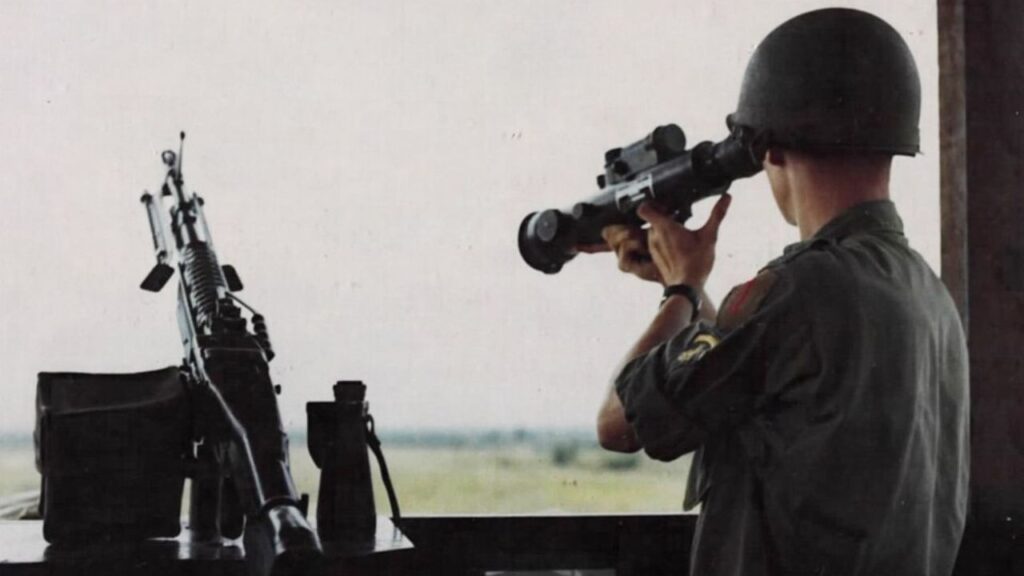
Night vision technology has transformed the battlefield by allowing troops to operate effectively in low-light conditions. First used extensively during the Vietnam War, night vision devices like the AN/PVS-2 Starlight Scope gave U.S. forces a tactical advantage in nocturnal operations. This capability disrupted enemy activities and facilitated successful nighttime engagements.
Today’s night vision systems are more advanced, offering sharper images and extended range. They are indispensable in modern warfare, enabling reconnaissance, navigation, and targeting in darkness, thereby providing a continuous operational capability regardless of time.
Drone Warfare
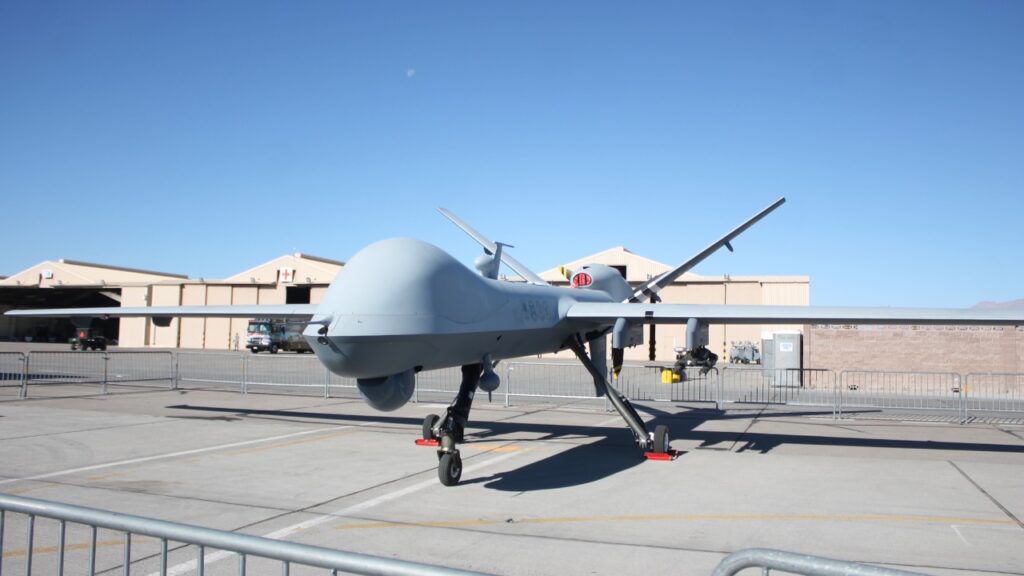
Drone technology has redefined modern warfare by providing real-time intelligence, surveillance, and precision strike capabilities. Unmanned aerial vehicles (UAVs) like the MQ-9 Reaper have been pivotal in counterterrorism operations, offering persistent eye-in-the-sky observation and the ability to engage targets with minimal risk to personnel.
Drones have expanded beyond surveillance, with their roles encompassing logistics, electronic warfare, and even swarming tactics. As drone technology continues to evolve, it promises to further transform military strategy and operational execution, underscoring its growing importance in contemporary conflict scenarios.