
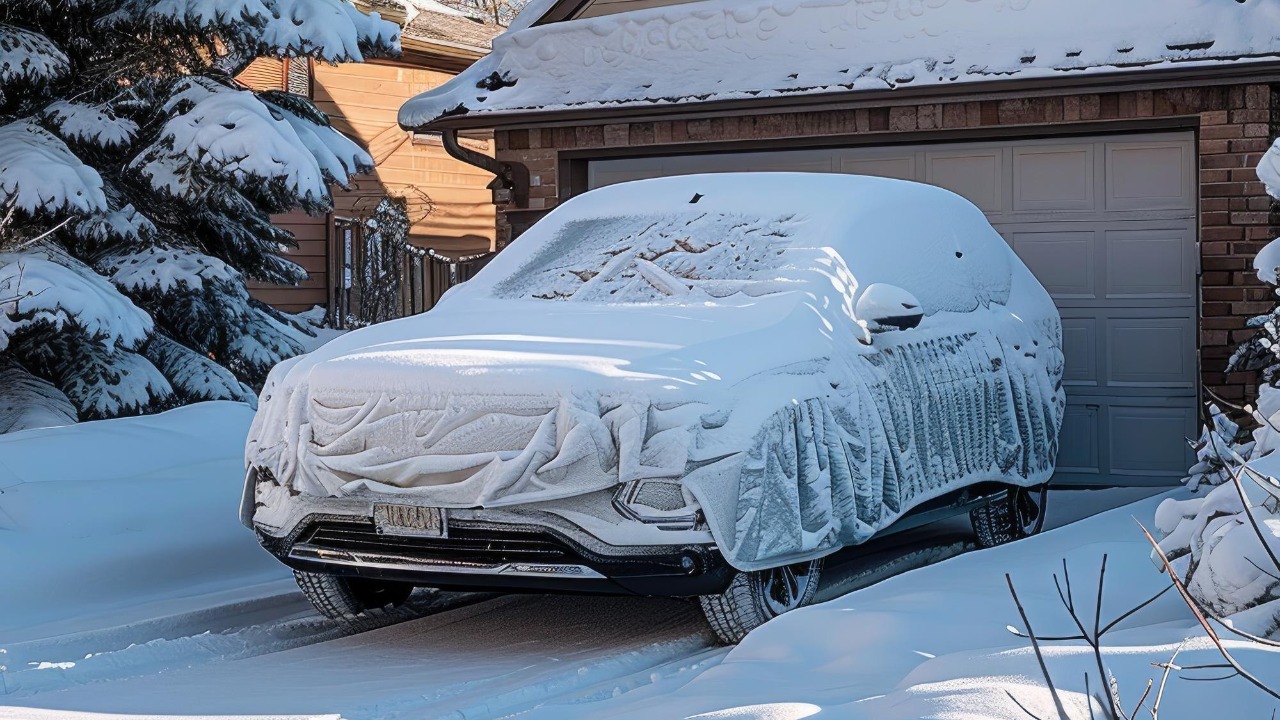
Snow storms damage cars before drivers notice. Paint, glass, rubber seals, and electronics suffer from heavy snow, salt, and freezing temperatures, with repair costs often appearing after the storm passes. With a few deliberate habits and the right gear, however, motorists can turn their driveway or curbside space into a surprisingly effective winter shelter and keep their vehicles ready to move when the roads finally clear.
The most effective strategies combine physical barriers, smart maintenance, and emergency planning rather than relying on a single gadget. From heavy-duty covers and carports to rust protection, fluid checks, and stocked winter kits, the following five approaches give drivers a practical playbook to shield their vehicles from the worst snow storms and the hidden damage that follows.
1. Build a physical shield: covers, carports and smart parking
The first line of defense in any blizzard is a physical barrier between the car and the elements. Drivers who lack a permanent garage can still create shelter by using structures such as horizontal carports, open carports, standard carports and vertical carports, which keep the bulk of snow and sleet off the roof and glass. A carport with integrated storage can reduce digging time and prevent ice sheets from sliding off and cracking the windshield. Where structures are not possible, choosing a parking spot that is slightly elevated and away from plow piles helps prevent the car from being entombed in refrozen slush that can rip off trim and clog wheel wells.
For many households, a high-quality cover is the most realistic way to create that barrier. Testing of multi-layer waterproof car covers over 120 days shows they protect paint and glass while shedding heavy precipitation. Premium designs such as a Platinum Car Cover are explicitly designed to shield vehicles with 7 layers of fabric that are described as 100% waterproof, while similar storm focused versions are also designed to shield against extreme weather with the same 100% waterproof claim. SUV owners can look to a dedicated Platinum SUV Cover, which uses a fleece lining and a 7-layer waterproof defense to protect taller vehicles, while budget conscious drivers may opt for a more basic but still weather resistant option promoted through online markets. The key is a snug, custom like fit that resists wind, paired with disciplined use before each incoming storm.
2. Guard glass and wipers from ice damage
Windshields and wipers are among the first casualties when snow storms turn to freezing rain. Instead of chiseling at thick ice, drivers can prevent buildup by using a dedicated cover, since guidance on how to use a windshield cover highlights how a simple fabric layer can be lifted away with the ice attached. For those who prefer a more rigid solution, a more robust magnetic guard marketed as preventing scraping, ice, and snow is designed to sit over the glass and prevent the dreaded morning ritual of hacking at frozen slush. These products not only save time but also reduce the risk of scratching the glass or tearing wiper blades with aggressive scraping.
Rubber components around the glass need equal attention. Expert advice on winter damage notes that repeated exposure to ice and de-icing chemicals can dry and crack the rubber seals that keep cabins quiet and watertight, a problem highlighted in guidance on how to protect a car from snow, which also cites The EPA in warning that road salt contributes to billions of dollars in corrosion. Drivers can reduce that risk by gently clearing snow with a soft brush, lifting wipers off the glass before storms, and replacing blades at the first sign of streaking. Inside the cabin, keeping defrosters and climate control in good order helps warm the glass evenly, which reduces stress cracks when temperatures plunge.
3. Fight salt, rust and paint damage before it starts
Snowstorms do not just dump frozen water, they trigger waves of salt and chemical de-icers that attack paint and metal long after the roads look clear. Detailing specialists emphasize that when winter hits, a car faces more than just cold, since corrosive brine is constantly splashed against rocker panels, wheel arches, and underbodies, a reality underscored in analysis of the role of PPF in Protecting Your Vehicle. Paint Protection Film, often shortened to PPF, is described in a broader Paint Protection Landscape as sitting above Level 1 Traditional Waxes that form The Baseline of protection, since the film can absorb chips and staining that would otherwise scar the paint. For drivers in snow belts, applying PPF to front bumpers, hoods, and rocker panels before peak winter can significantly slow the march of rust.
Underneath the car, the stakes are even higher. Corrosion experts stress that applying rust proofing treatments and undercoating can fortify the undercarriage against the corrosive effects of salt and moisture, which often pool in seams and suspension components. Regular washing is equally important, and winter storage guides urge owners to clean and prep by giving the car a thorough wash when temperatures allow, and to aim for above freezing conditions so water does not refreeze in door locks or brake components. Even drivers who park outside can mimic this routine by visiting touchless washes after storms, focusing on underbody sprays that flush away salt before it can harden into crusts.
4. Winterize fluids, tires and batteries for deep cold
Mechanical preparation is as important as physical shielding when snowstorms roll in. National safety guidance on winter driving stresses that tires, brakes, and fluids must be ready for low traction and low temperatures, which means checking tread depth, switching to winter rated tires, and confirming that coolant and washer fluid are rated for subzero conditions. A separate winter prep checklist advises motorists to check your battery, since cold weather drains battery power quickly and low coolant or oil levels can turn a minor cold snap into a major breakdown. For cars that sit outside, topping up fuel tanks before storms also reduces condensation in the tank and ensures the engine can run for heat if traffic grinds to a halt.
Routine maintenance is critical for street-parked vehicles. Regular inspections of belts, hoses, and charging systems prevent cold-related failures, and batteries should be checked because low temperatures drain power faster. Local news reminders that cold weather is tough on vehicles reinforce the value of a simple pre storm checklist, from verifying tire pressures to topping off antifreeze. For cars that will sit through multiple storms, long term storage advice encourages owners to keep the car insured and to make sure the battery is either on a maintainer or disconnected if the vehicle will not move for weeks.
5. Store smart when storms stack up
When forecasts call for back to back systems, the smartest move is often to treat the car as if it were going into seasonal storage, even if it will still be used occasionally. Professional storage operators advise owners to think beyond the garage door and focus on preparation, recommending steps such as cleaning the interior, inflating tires to the correct pressure, and using breathable covers, as outlined in winter storage tips from self storage experts. A separate guide on how to clean and prep a vehicle for winter emphasizes that a thorough wash and wax before the season, combined with attention to seals and hinges, can make it easier to brush off snow and reduce the risk of frozen doors. For owners of classics or seasonal sports cars, long term advice from motorists’ associations encourages drivers to try keeping the vehicle off the ground to protect tires and to ensure that any leaks are addressed before the car sits over a finished floor.
For daily drivers, small storage habits help during blizzards. Raising wipers, folding mirrors, and backing in so the exhaust is clear of snow reduces damage from passing plows. Social media advice on how to prepare a car for a blizzard urges motorists to stay safe and take care of the vehicle by following a short list of practical steps that can make a big difference if the car gets stuck.