

Naval warfare rarely changes because leaders suddenly think differently. It changes when a new kind of ship makes old assumptions risky—about range, survivability, command and control, or how to concentrate combat power at sea. The platforms below are “milestone ships” in that sense: not just famous names, but designs and archetypes tied to doctrine shifts that competitors had to answer with new fleets, new tactics, and new industrial capacity.
This list is necessarily subjective, and it mixes individual ships with representative types. The common thread is durable influence: carrier aviation displacing battleship primacy, submarines gaining new freedom of action through nuclear propulsion, sea-based nuclear deterrence becoming a continuous mission, missiles driving integrated air and missile defense, and amphibious ships expanding how navies project power ashore. Many of these shifts were broader than any single hull—but certain ships became the clearest markers of the change.
1) HMS Dreadnought: the battleship reset

HMS Dreadnought became shorthand for a doctrinal shock: the all-big-gun battleship concept and the sudden obsolescence of what came before. It is easy to overstate how much one ship “caused” an arms race, but the effect is plain—navies had to rethink capital ships around heavy-gun standardization, fire control, and the concentration of decisive firepower.
Strategically, it also made “capital ship parity” a more visible yardstick of national power, tying naval strength to industrial output and long-term procurement. It’s an early example of a pattern that repeats across eras: a design philosophy can force costly catch-up cycles that depend as much on shipyards and supply chains as on tactics.
2) HMS Ark Royal: a modern carrier model
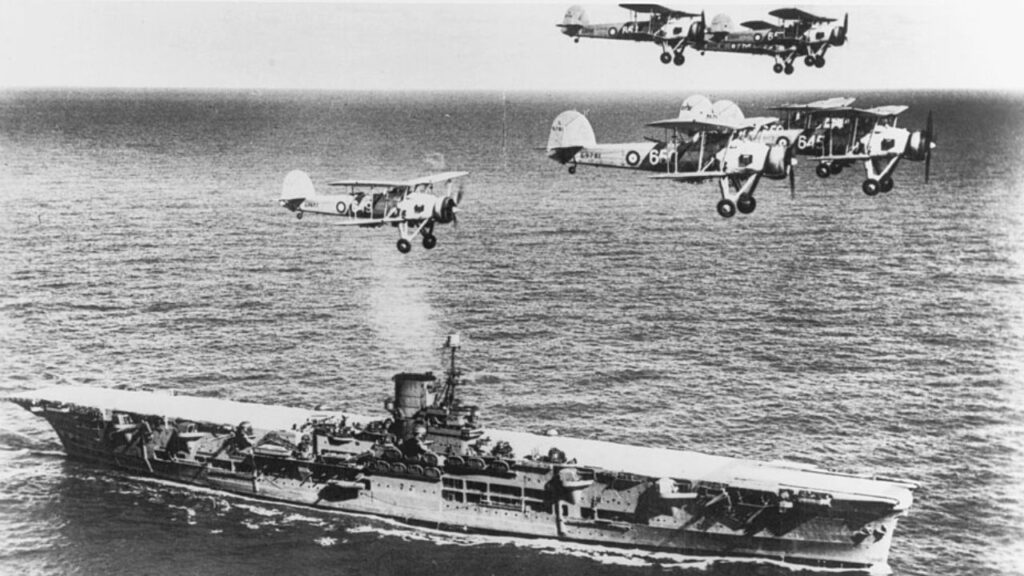
Aircraft carriers existed before they dominated naval warfare, but ships like HMS Ark Royal are often used to illustrate the maturing “modern carrier” concept. The key shift was doctrinal: aviation moved from scouting and limited strike roles toward becoming the fleet’s primary way to reach beyond the horizon.
That change was not just a matter of a flight deck. It demanded new training pipelines, deck operations, command arrangements, and a different definition of sea control—one centered on sortie generation, readiness, and the logistics required to sustain air power at sea.
3) USS Yorktown (illustrative WWII fleet carrier): air power becomes the main battery

World War II fleet carriers—often represented in public memory by ships like USS Yorktown—helped cement the carrier as the decisive capital ship. The transformative element was less any single battle and more a repeatable operational model: air groups providing scouting, strike, and air defense as an integrated package.
Carriers changed the geometry of naval combat. The center of gravity moved from gun range to aircraft range, raising the importance of coordination, reconnaissance, and training. The industrial implication was equally significant: sustaining carrier aviation required not only hulls, but a high-tempo system to maintain and replace aircraft and trained crews.
4) Shōkaku-type (illustrative IJN fleet carrier): a peer carrier challenger
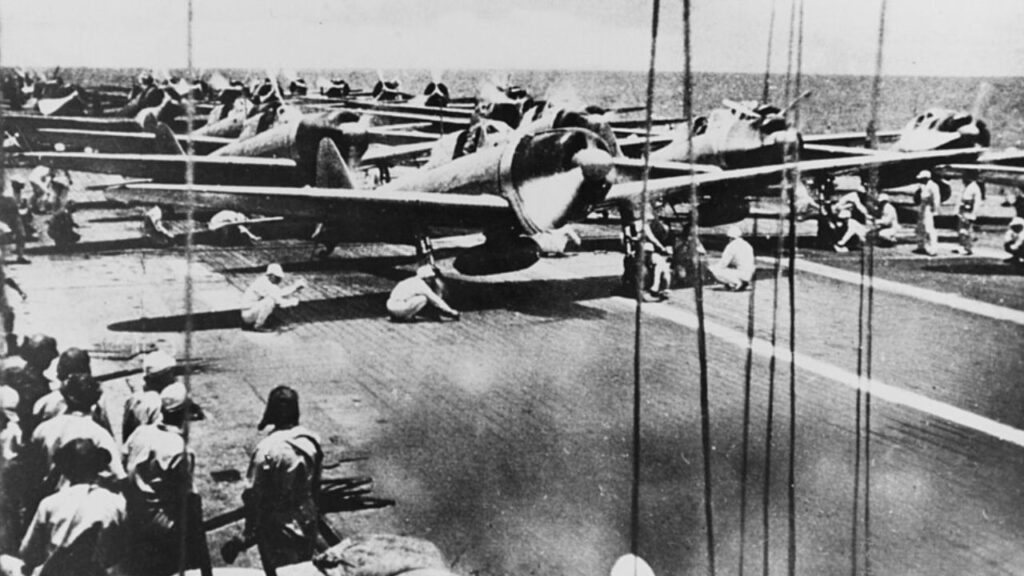
Imperial Japanese Navy fleet carriers—often discussed through examples like the Shōkaku type—demonstrated that carrier warfare was not the province of a single navy. They represented a mature carrier arm able to contest sea control through aviation rather than battleship lines.
The broader significance is what happens when multiple navies field credible carrier forces: competition shifts toward doctrine, reconnaissance, operational coordination, and the ability to sustain flight operations under combat pressure. Those factors rarely show up in silhouettes, but they heavily shape outcomes.
5) USS Nautilus: nuclear propulsion reshapes undersea operations
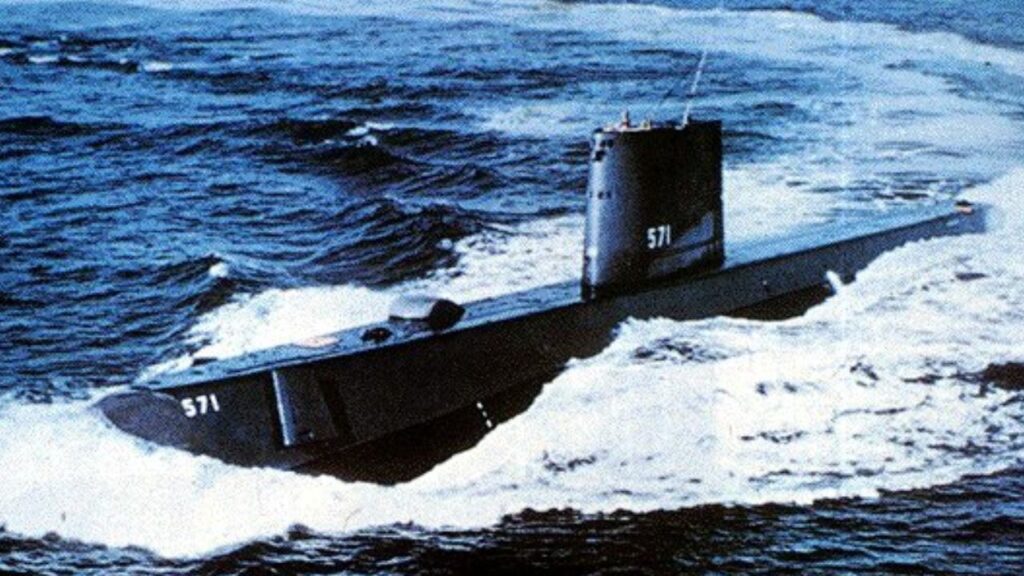
USS Nautilus stands as an emblem of nuclear propulsion’s impact on submarines. The core change was endurance and freedom of movement—submarines no longer had to operate like surface ships that periodically submerged, and could instead remain underwater for far longer with fewer constraints.
That shift changed both offense and defense. Anti-submarine warfare had to adapt to submarines that could reposition and stay hidden longer, driving investment in sensors, patrol patterns, and sustained ASW readiness. It also altered procurement realities: nuclear boats are complex and expensive, tying fleet size and availability to specialized shipyard capacity and skilled labor.
6) USS George Washington: making sea-based deterrence durable

Ballistic-missile submarines (SSBNs) are far less visible than carriers, but their strategic influence is foundational, and USS George Washington is a widely cited early symbol of that shift. The doctrinal change was survivability: putting part of a nuclear deterrent at sea complicates an adversary’s ability to eliminate it in a first strike.
In practice, SSBNs also turned deterrence into a continuous operational requirement—patrol cycles, crew readiness, maintenance availability, and secure command-and-control. The cost and readiness implications are structural: credibility depends on sustained performance over time, not on short-notice surges.
7) Aegis-equipped cruisers/destroyers (illustrative): integrated defense in the missile era
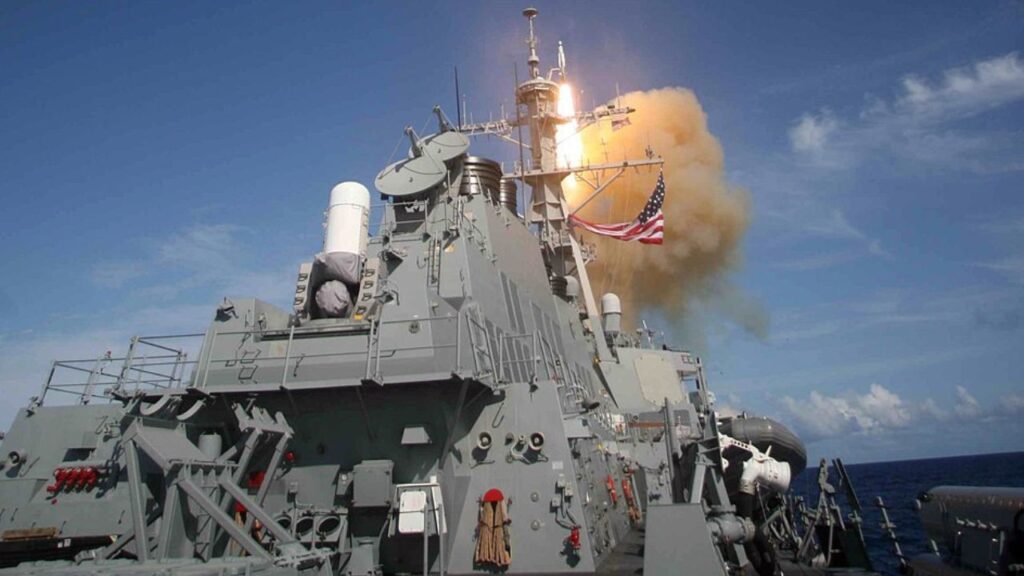
The missile era forced surface fleets to evolve, and Aegis-equipped cruisers and destroyers are a central example of the “system-of-systems” approach. What reshaped warfare was not a single radar or interceptor, but the idea of integrated air and missile defense—sensors, command logic, and weapons working together to protect a force.
Strategically, this enabled expeditionary operations by providing a mobile defensive umbrella in contested air environments. It also created new dependencies: high-end surface combatants rely on trained operators, sustained software and sensor support, and ample stocks of interceptors and missiles. In an era where magazine depth matters, the ability to produce and replenish munitions can become a limiting factor.
8) USS Enterprise (nuclear aircraft carrier): persistence as power projection

USS Enterprise is often invoked as an icon of the nuclear aircraft carrier and what nuclear propulsion can mean for sustained presence. The doctrinal contribution is persistence—keeping a large air wing forward with fewer refueling constraints, supporting deterrence signaling and rapid response.
That persistence shapes planning for both allies and adversaries, even if it does not make a carrier “invulnerable.” The tradeoff remains central in modern debates: nuclear carriers concentrate capability and political influence, but they also demand specialized shipyard support, lengthy maintenance cycles, and a substantial readiness enterprise.
9) Modern amphibious assault ships (illustrative): the sea base as an operational tool
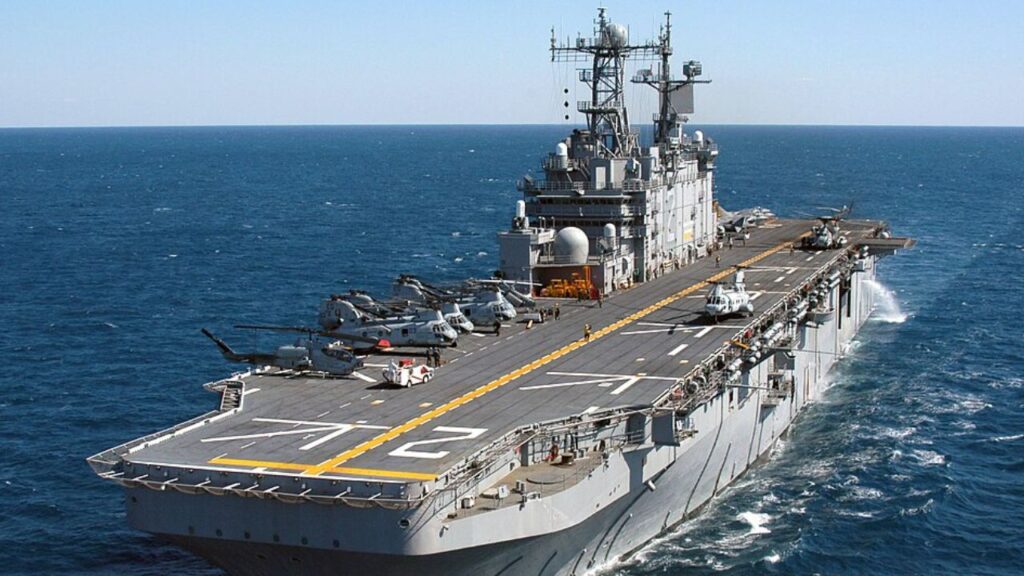
Modern amphibious assault ships reshaped how navies think about putting combat power ashore—less as a single landing and more as a flexible sea base for aviation, command, and lift. The strategic shift is about options: a navy can influence events on land without immediate reliance on host-nation basing, while still requiring protection and logistics to survive in contested environments.
They also underscore a recurring lesson: “platform + doctrine + supporting force” matters more than any single hull. Amphibious readiness depends on trained expeditionary forces, connectors, aviation maintenance, and escorts that can keep the force alive under missile threats—plus enough availability to rotate deployments without breaking maintenance schedules.
10) USS Zumwalt: stealth, experimentation, and the limits of revolution
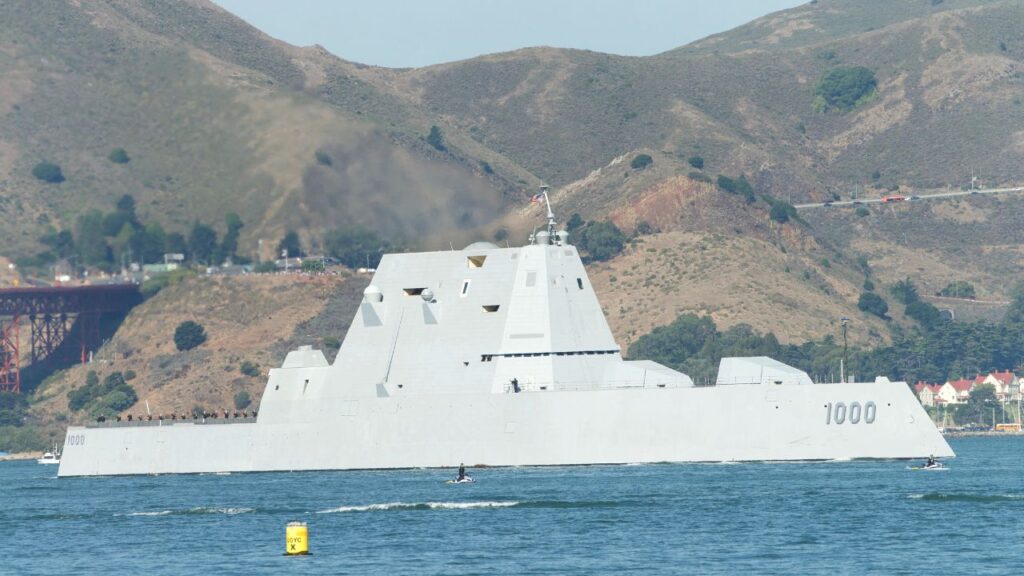
USS Zumwalt is a useful milestone precisely because its impact is contested. As a stealthy modern destroyer design, it represents an attempt to reduce detectability and rethink how a surface combatant survives and contributes in high-end fights, even as navies weigh affordability, producibility, and mission fit.
The strategic takeaway is not that one design “changed everything,” but that major navies are experimenting under pressure from anti-ship missiles, expanding surveillance, and emerging unmanned systems. Programs that are difficult to scale can still shape what comes next by clarifying what is practical—and what is not—when ambitious concepts meet cost, maintenance, and training realities.
Why these ships still matter
Each entry points to a recurring pattern: new reach (carriers), new survivability and endurance (nuclear submarines and SSBNs), new defensive integration (missile-era surface combatants), and new ways to project power ashore (amphibious ships). “Reshaping” happens when those ideas become institutional—when procurement, training, and doctrine reorganize around them and opponents respond in kind.
That is the tie to current competition. Today’s arguments about carrier vulnerability, submarine relevance in great-power deterrence, and whether surface fleets can operate under missile and drone threat echo earlier inflection points. The next reshaping will depend not only on a headline platform, but on whether navies can field enough of the right ships, keep them ready, and sustain the industrial base and munitions stockpiles that make doctrine real.