
Exploring the far reaches of space presents a multitude of challenges, and only the most resilient spacecraft can withstand these harsh environments. From navigating the intense radiation belts of Jupiter to surviving the Sun’s corona, these vessels have pushed the limits of technology. Let’s delve into the remarkable journeys of ten spacecraft that have conquered the most unforgiving conditions in space.
Voyager 1: Journey Beyond the Solar System

Launched in 1977, Voyager 1 is humanity’s farthest and longest-lived spacecraft. Its mission was to explore the outer planets, but it went beyond expectations by becoming the first human-made object to enter interstellar space in 2012. Despite the vast distance, Voyager 1 continues to send valuable data back to Earth, providing insights into the heliosphere’s boundary and the interstellar medium.
The spacecraft was built to withstand the harsh conditions of deep space, including extreme temperatures and radiation. Voyager 1’s success is a testament to the durability of its design and the foresight of its engineers, who equipped it with redundant systems and a nuclear power source that has kept it operational for over four decades.
Apollo 13: Triumph Over Adversity

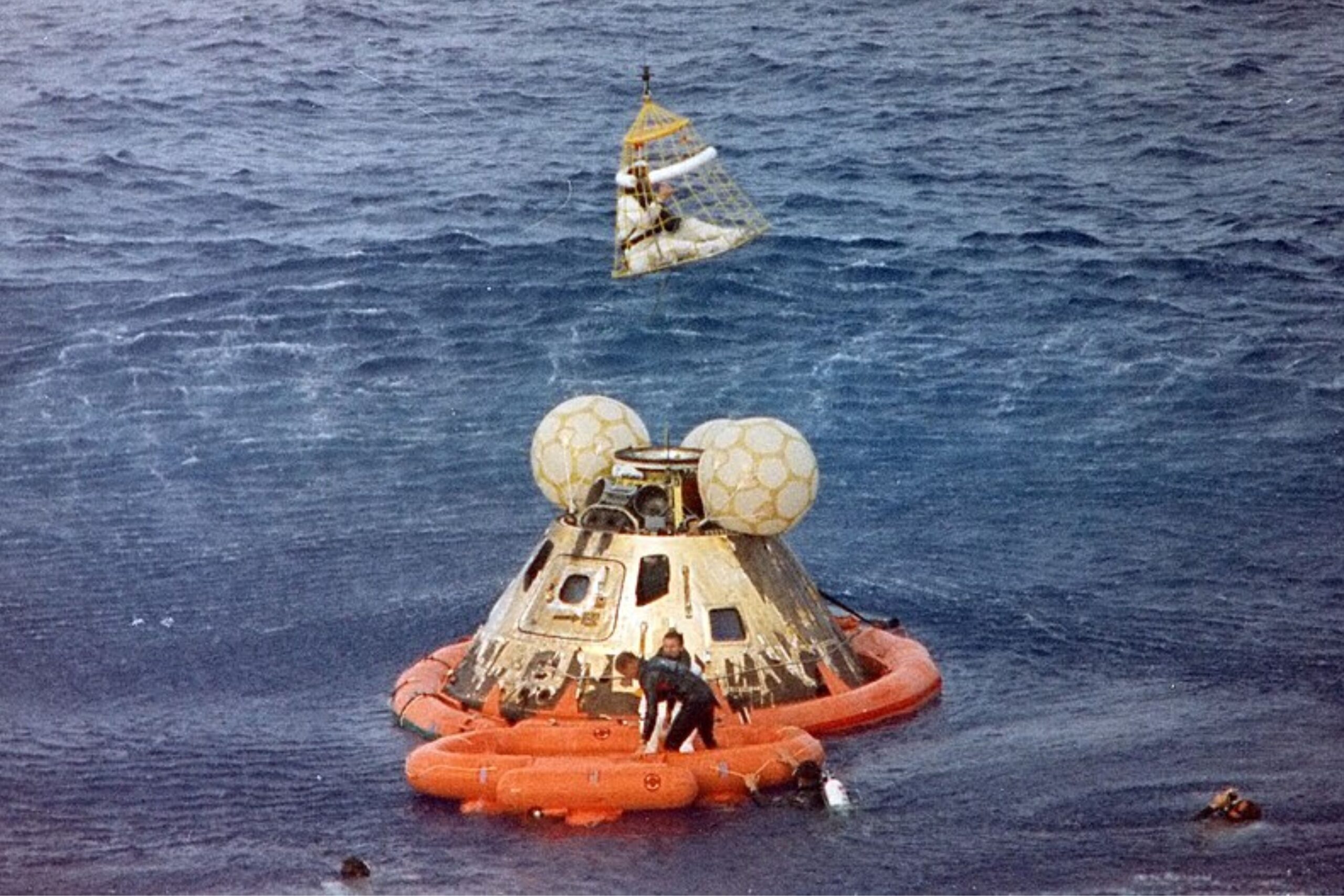
The Apollo 13 mission is a story of incredible resilience and human ingenuity. Launched in 1970, it was intended to be NASA’s third lunar landing mission. However, an oxygen tank explosion turned it into a perilous journey of survival. Despite the crippling damage, the spacecraft’s crew worked tirelessly with mission control to improvise solutions that ultimately brought them safely back to Earth.
The challenges faced by Apollo 13 showcased the importance of adaptability and problem-solving in space exploration. The mission’s legacy continues to inspire, highlighting how teamwork and creativity can overcome even the most daunting obstacles.
Galileo: Enduring Jupiter’s Radiation

Galileo was NASA’s pioneering mission to study Jupiter and its moons. Launched in 1989, it faced the daunting task of enduring the planet’s intense radiation belts. Despite these harsh conditions, Galileo provided groundbreaking data about Jupiter’s atmosphere, magnetosphere, and its largest moons, including evidence of subsurface oceans on Europa.
The spacecraft’s robust design featured radiation-hardened electronics and a thick shielding to protect its instruments. Galileo’s success in such a hostile environment expanded our understanding of the largest planet in our solar system and inspired future missions to explore the Jovian system.
Hubble Space Telescope: Overcoming Technical Challenges
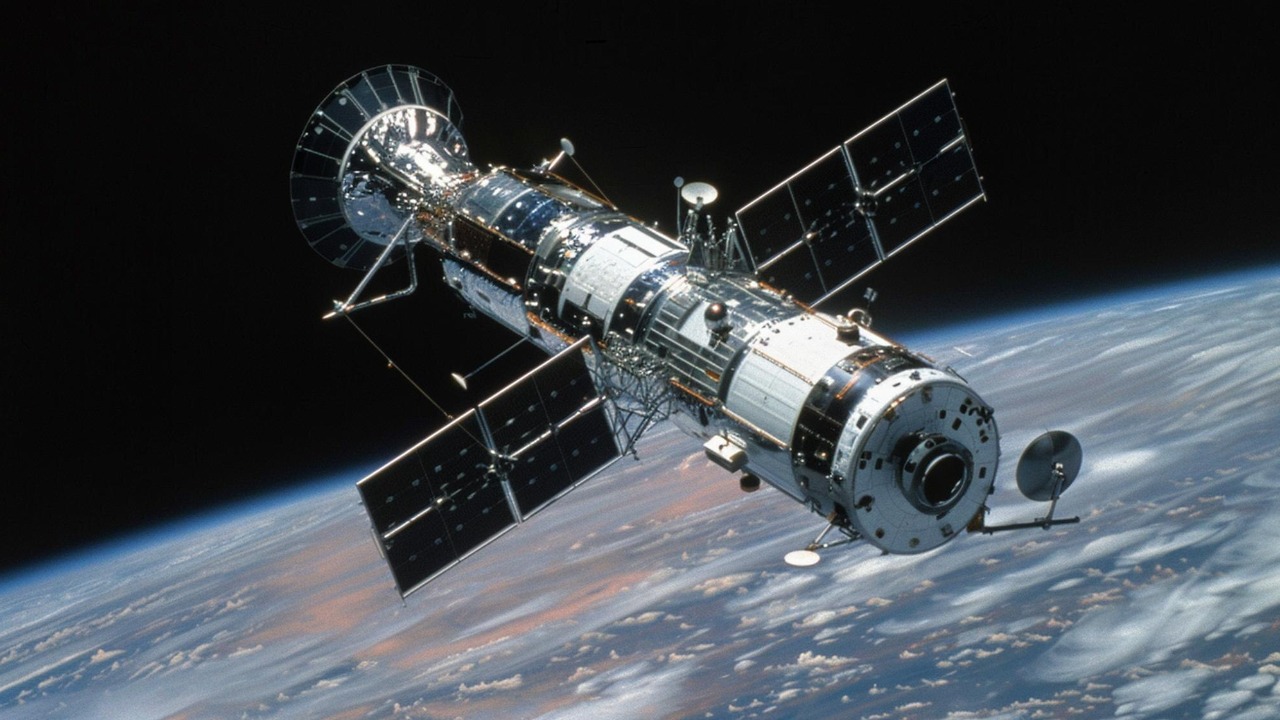
Launched in 1990, the Hubble Space Telescope has revolutionized our understanding of the universe. However, its journey was not without challenges. Shortly after its deployment, a flaw in its primary mirror threatened its mission. The telescope’s survival was ensured by a series of servicing missions, which corrected the optics and upgraded its instruments.
Hubble’s resilience lies in its modular design, allowing astronauts to perform repairs and enhancements. As a result, it has provided stunning images and invaluable data, contributing to numerous scientific discoveries and capturing the public’s imagination for over three decades.
Mars Rover Opportunity: Surviving the Red Planet’s Dust Storms

Opportunity was one of NASA’s most successful Mars rovers, designed to last 90 Martian days but ultimately operating for nearly 15 years. The rover faced numerous challenges, including severe dust storms that threatened to cover its solar panels and cut off its power supply.
Despite these obstacles, Opportunity continued to make groundbreaking discoveries about Mars’ geology and past water activity. Its mission ended in 2018 after a massive dust storm, but its legacy endures, demonstrating exceptional endurance and the potential for long-term exploration of the Martian surface.
New Horizons: Navigating the Kuiper Belt

New Horizons made history by being the first spacecraft to perform a flyby of Pluto in 2015. After its successful encounter, it continued its journey into the Kuiper Belt, a region filled with ancient icy bodies. In 2019, it conducted a flyby of Arrokoth, a distant Kuiper Belt Object, revealing its unique structure and composition.
The spacecraft’s ability to operate in the cold, dark expanses beyond Neptune is a testament to its well-engineered systems. New Horizons continues to send valuable data, expanding our knowledge of the outer reaches of our solar system.
Cassini: Braving Saturn’s Rings
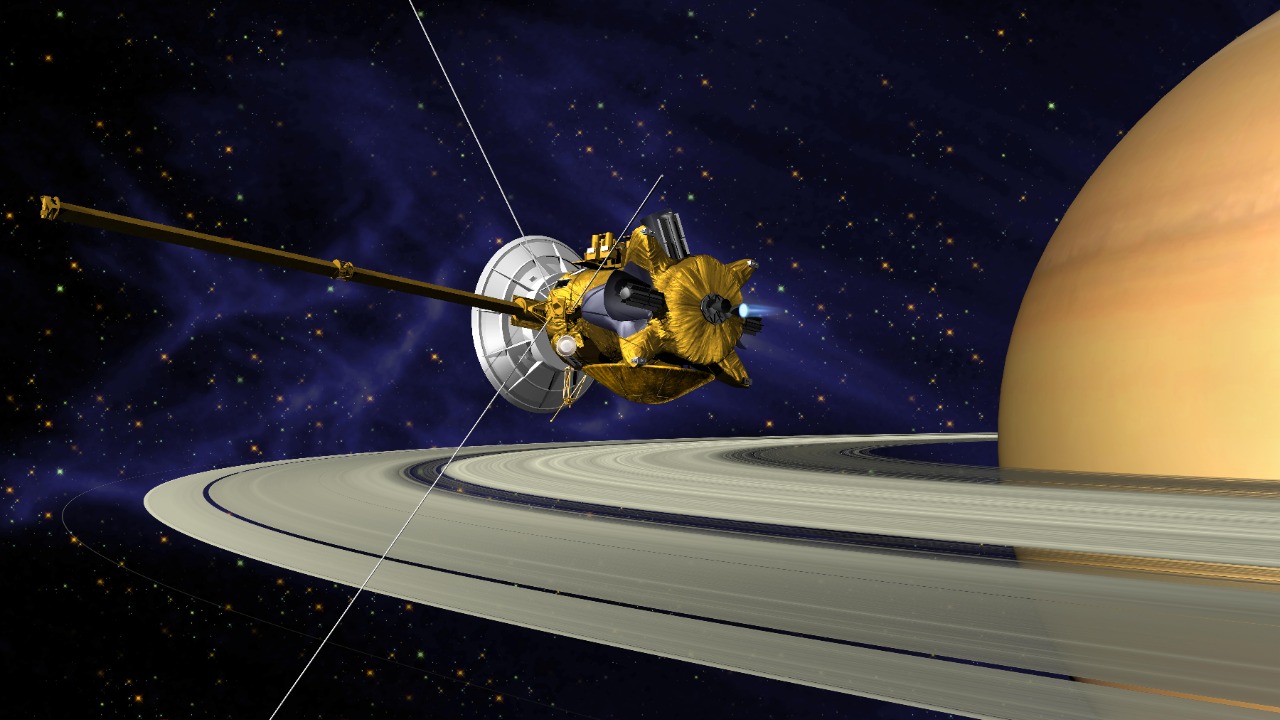
The Cassini mission, a collaboration between NASA, ESA, and ASI, provided an unprecedented view of Saturn and its moons. Launched in 1997, it spent 13 years studying the planet’s complex ring system, atmospheric conditions, and diverse moons, including the discovery of liquid methane lakes on Titan and geysers on Enceladus.
Cassini’s grand finale in 2017 saw it diving between Saturn and its rings, a maneuver that required precise navigation to avoid collision. Its successful mission concluded with a deliberate plunge into Saturn’s atmosphere, ensuring it wouldn’t contaminate the planet’s moons.
Juno: Withstanding Jupiter’s Intense Magnetic Field

Juno, launched in 2011, is dedicated to studying Jupiter’s composition, gravity field, and magnetosphere. Its mission involves orbiting the gas giant in a highly elliptical path to minimize exposure to radiation while capturing detailed data about its interior structure and atmospheric dynamics.
The spacecraft is equipped with a suite of instruments and a titanium vault to protect its electronics from Jupiter’s intense radiation. Juno’s findings have provided new insights into the planet’s origins and evolution, enhancing our understanding of the solar system’s formation.
Rosetta: Comet 67P Close Encounter
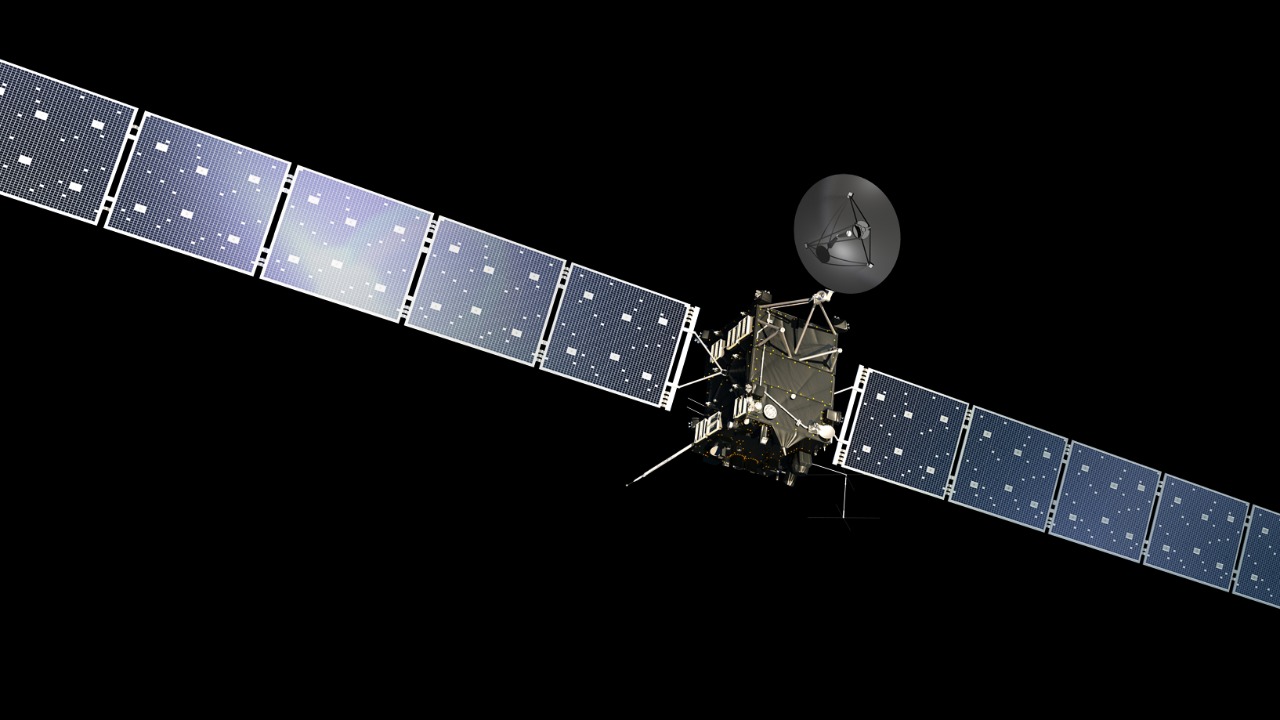
Rosetta was a groundbreaking ESA mission that made history by orbiting and landing on a comet. Launched in 2004, it reached Comet 67P/Churyumov-Gerasimenko in 2014. The mission provided a wealth of information about the comet’s structure, composition, and activity as it approached the Sun.
The spacecraft’s ability to operate in the cold and unpredictable environment of a comet’s proximity was a remarkable achievement. Rosetta’s data continues to inform comet science, offering clues about the early solar system and the origins of water and organic molecules on Earth.
Parker Solar Probe: Approaching the Sun’s Corona
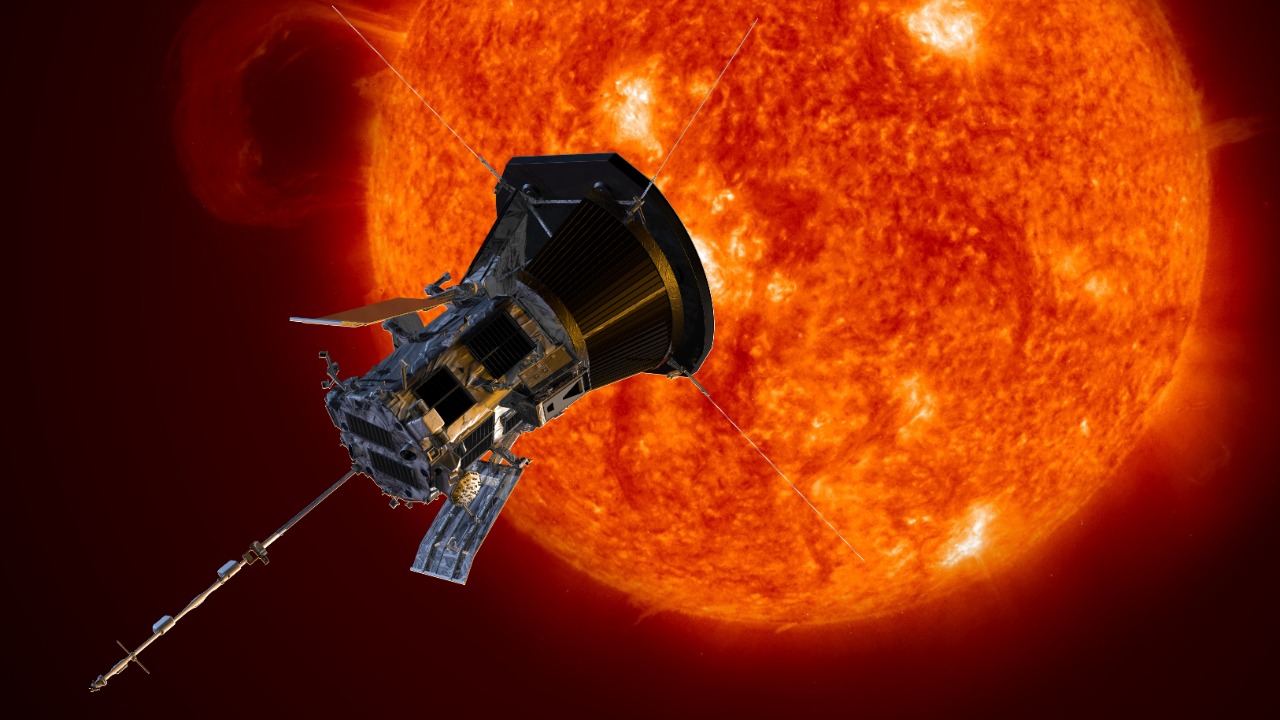
The Parker Solar Probe, launched in 2018, is a NASA mission designed to study the Sun’s outer atmosphere, or corona. It is the closest any spacecraft has ever ventured to the Sun, braving extreme heat and radiation to gather data on solar wind and magnetic fields.
The spacecraft is equipped with a cutting-edge heat shield that allows it to withstand temperatures up to 2,500 degrees Fahrenheit. Its mission promises to unravel long-standing mysteries about the Sun’s behavior, improving our understanding of space weather and its impact on Earth.