
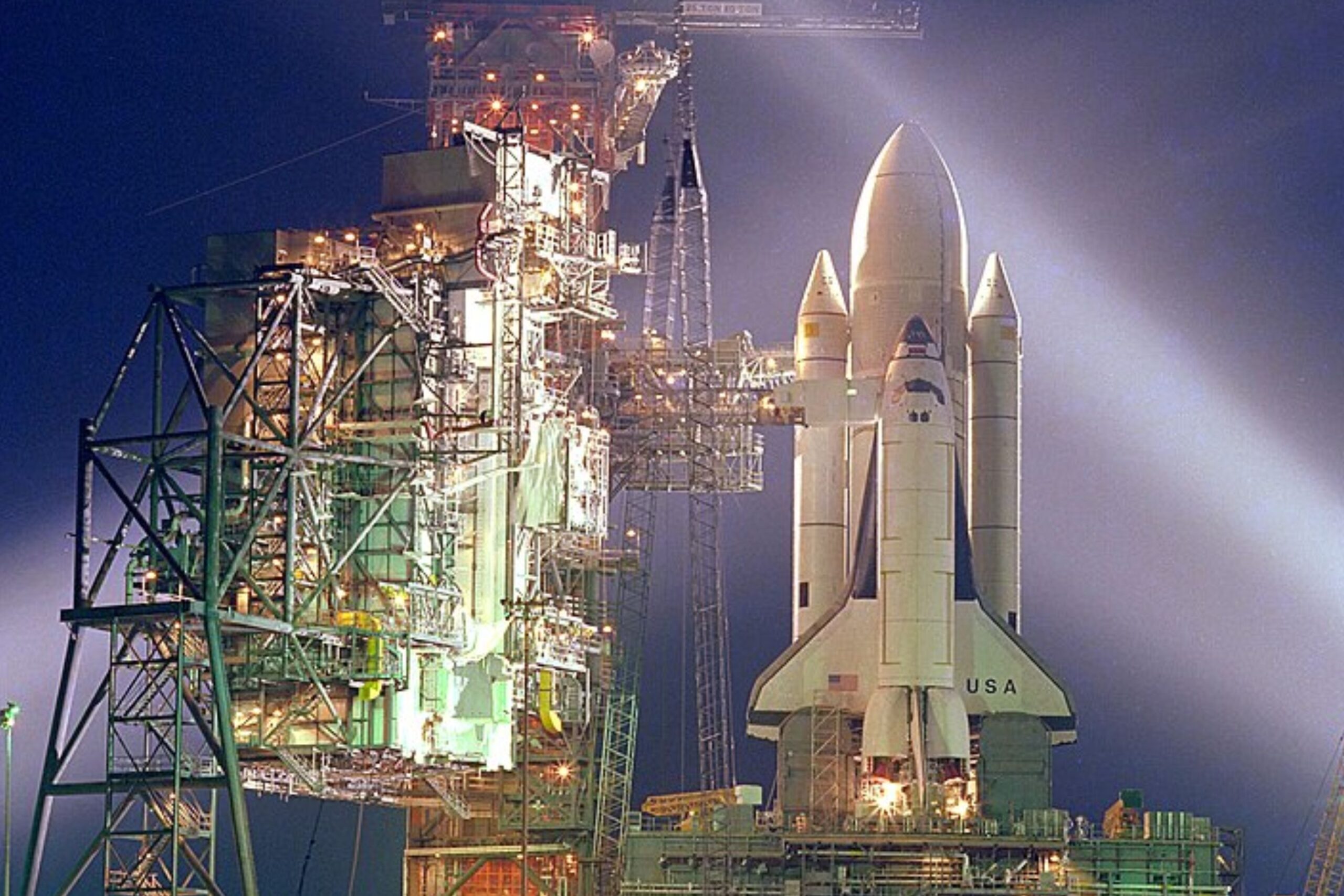
Rockets have been the backbone of space exploration, enabling humanity to reach beyond the confines of Earth. Over the decades, numerous rockets have carried out critical missions, each contributing significantly to our understanding of space and the advancement of technology. From enabling moon landings to launching interplanetary probes, these rockets have truly made history.
Saturn V
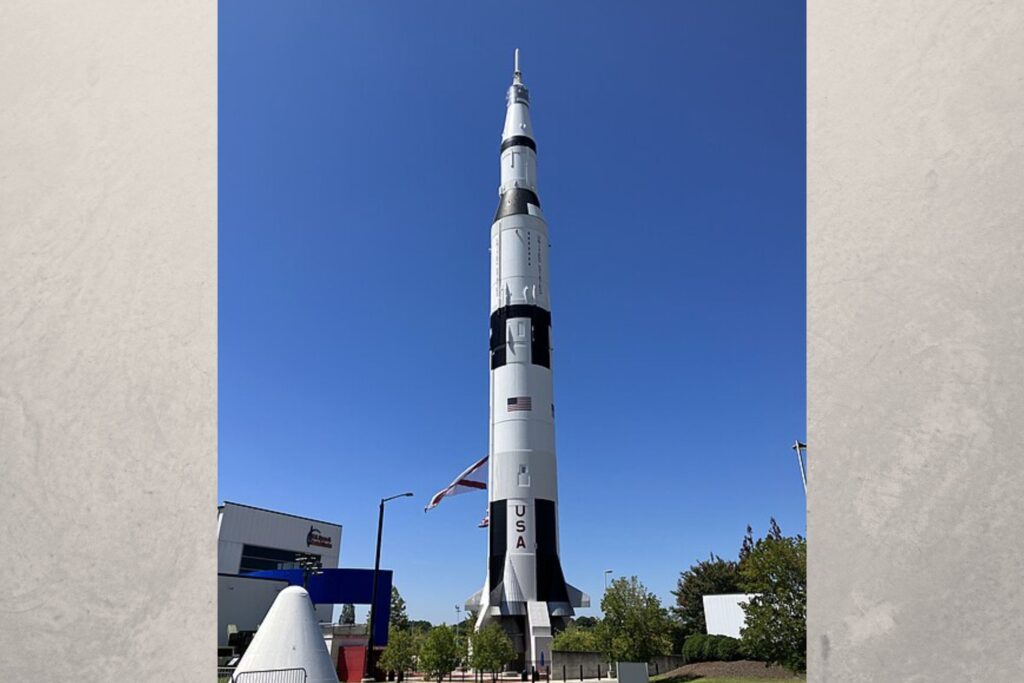
The Saturn V rocket remains one of the most iconic symbols of space exploration. Developed by NASA in the 1960s, it holds the title for the largest and most powerful rocket ever successfully flown. It was instrumental in the Apollo missions, including the historic Apollo 11 mission in 1969, which landed the first humans on the Moon. Its reliability and power made it a cornerstone of NASA’s early space endeavors.
With its towering height of 363 feet, the Saturn V was capable of carrying 130 metric tons to low Earth orbit. Its successful launches not only marked a significant achievement in engineering but also inspired generations to dream about space exploration. The Saturn V’s legacy continues to influence rocket design and space mission planning today.
Space Shuttle
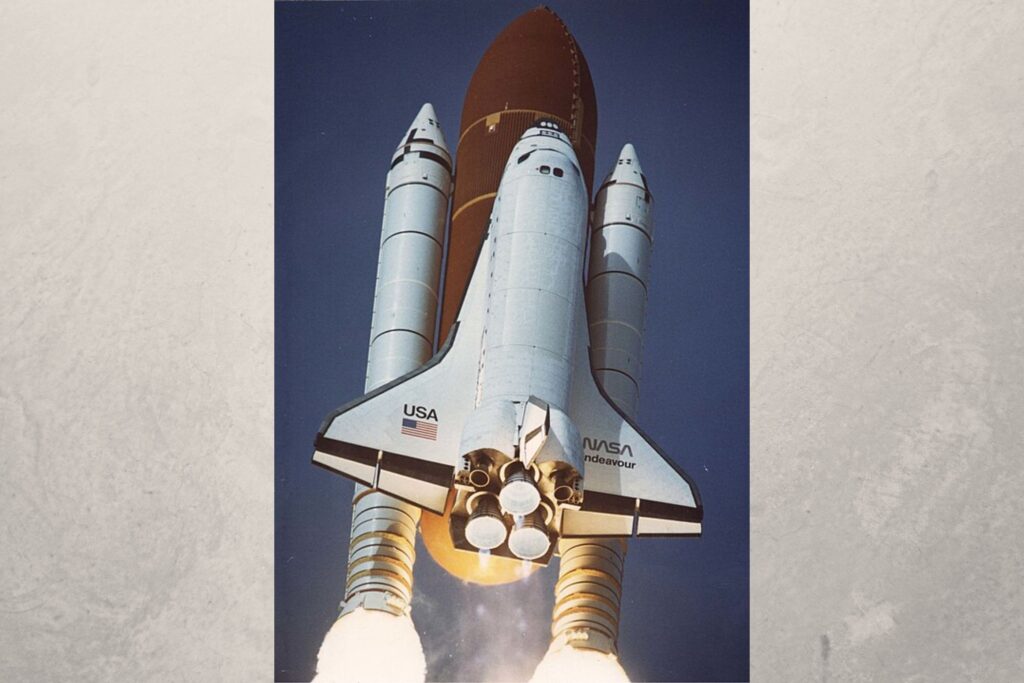
The Space Shuttle was NASA’s reusable spacecraft that revolutionized space travel by allowing for repeated missions. First launched in 1981, the shuttle could carry both crew and cargo, making it invaluable for constructing the International Space Station and deploying satellites like the Hubble Space Telescope. Its design allowed for the return of experiments and equipment to Earth, which was not possible with earlier rocket systems.
Over its 30-year operational period, the Space Shuttle completed 135 missions, contributing significantly to scientific advancements and international cooperation in space. Despite its retirement in 2011, the shuttle program’s impact on space exploration persists, particularly in the development of reusable rocket technologies.
Falcon Heavy
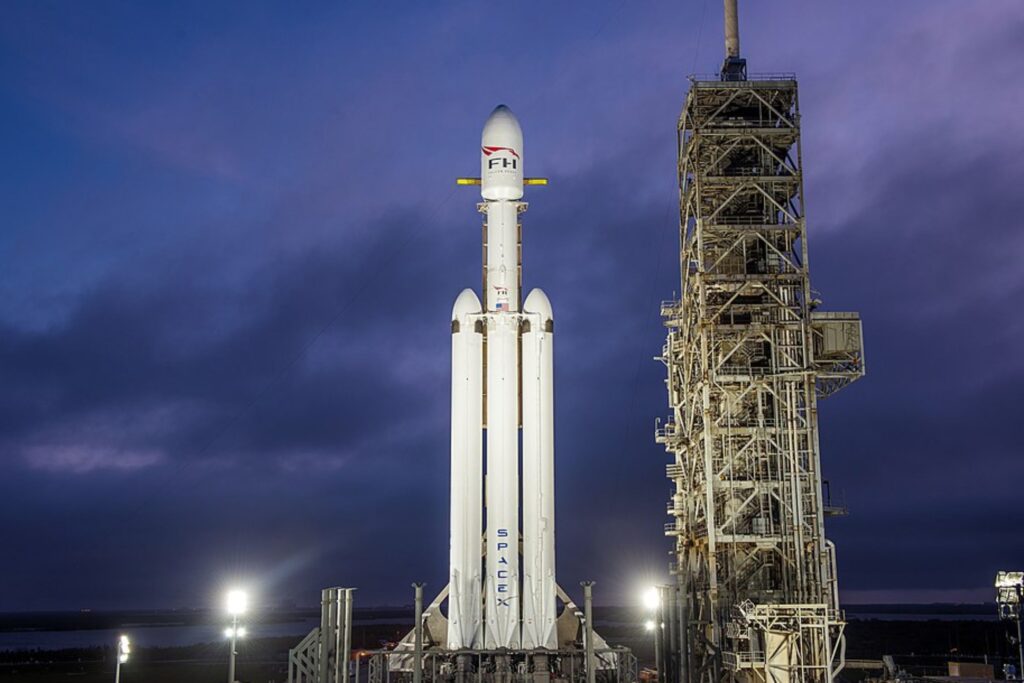
Developed by SpaceX, the Falcon Heavy is one of the most powerful operational rockets in the world today. First launched in 2018, it is designed to carry large payloads to various orbits, including geostationary transfer orbit and trans-Mars injection. Its inaugural flight famously sent a Tesla Roadster into space, demonstrating the rocket’s capabilities and capturing public imagination.
Falcon Heavy’s design incorporates three Falcon 9 boosters, allowing it to lift nearly 64 metric tons to low Earth orbit. This capability, combined with its partially reusable design, makes it a game-changer in reducing the costs of space missions. Falcon Heavy continues to pave the way for future missions to the Moon, Mars, and beyond.
Soyuz
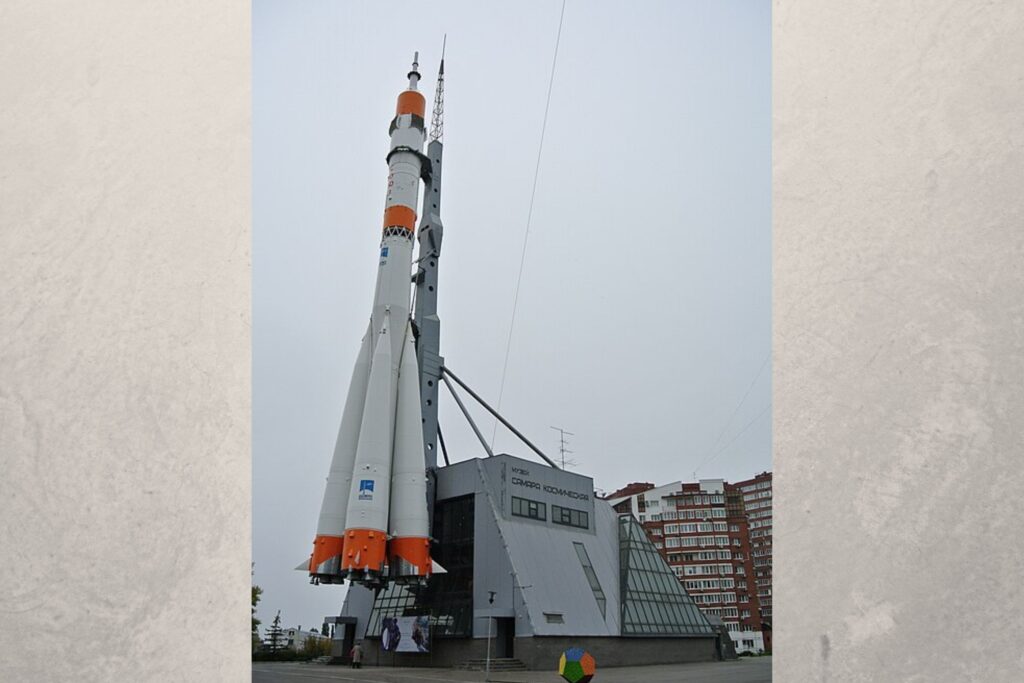
The Soyuz rocket, developed by Russia, has been a workhorse for space exploration since its first launch in 1966. Known for its reliability, the Soyuz has been responsible for launching both crewed and uncrewed missions to the International Space Station. Its design has undergone several updates, but its core architecture remains largely unchanged, a testament to its robust engineering.
Soyuz’s longevity and success in spaceflight have made it a crucial part of international space cooperation. It has launched more crewed missions than any other rocket, making it an essential player in maintaining human presence in low Earth orbit. The Soyuz program continues to be integral to space exploration efforts worldwide.
Atlas V
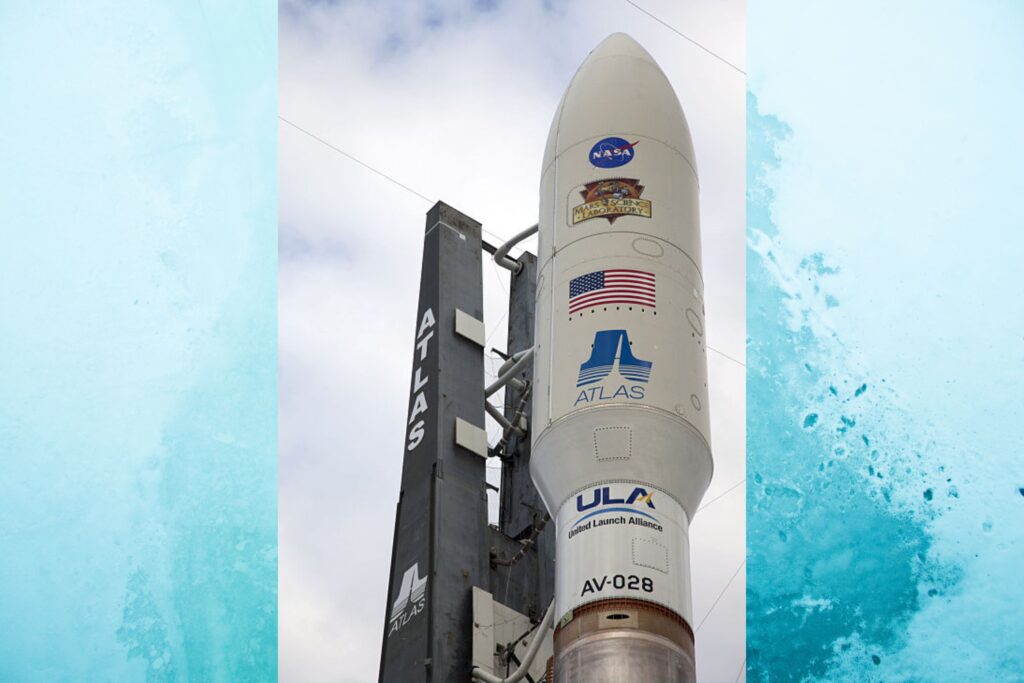
Operated by United Launch Alliance, the Atlas V is a versatile rocket used for a wide range of missions, from launching planetary probes to deploying national security satellites. Since its first flight in 2002, Atlas V has achieved a near-perfect success rate, making it a trusted choice for critical missions. It has been instrumental in launching missions such as the Mars Rover Curiosity and the New Horizons probe to Pluto.
The Atlas V’s modular design allows for different configurations depending on mission requirements, making it adaptable and efficient. Its continued success highlights its importance in both governmental and commercial space endeavors.
Ariane 5
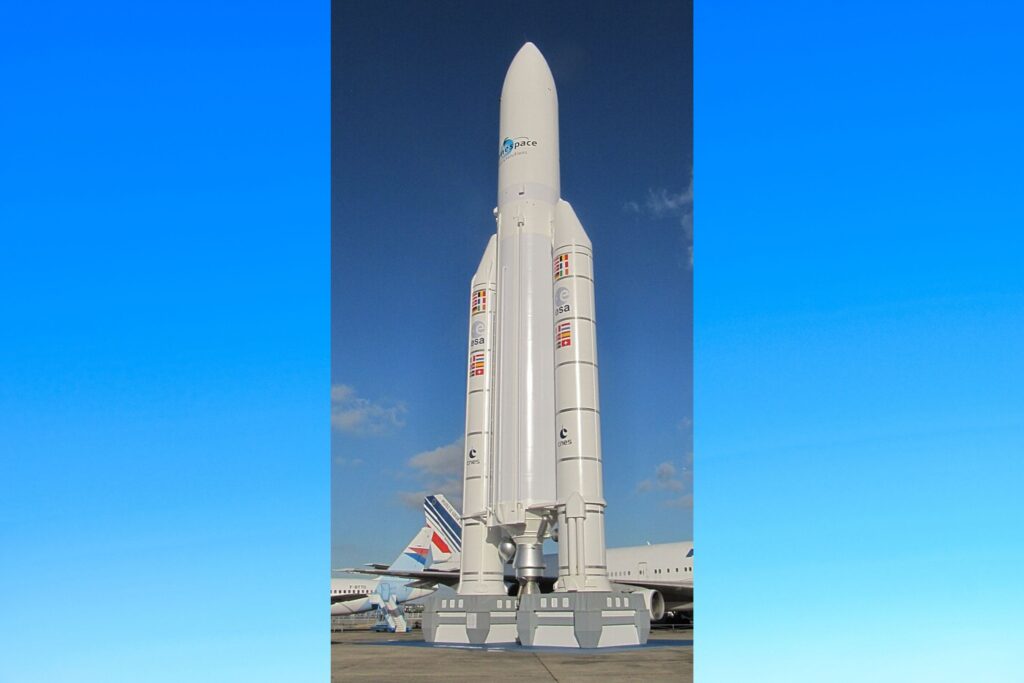
The European Space Agency’s Ariane 5 has been a cornerstone of Europe’s space launch capabilities since 1996. Known for its reliability, Ariane 5 has been used to launch a variety of payloads, including telecommunications satellites and scientific missions. It played a crucial role in deploying the James Webb Space Telescope, one of the most advanced space observatories ever built.
Ariane 5’s ability to carry dual payloads makes it a cost-effective solution for satellite launches. Its success has positioned Europe as a leader in space launch services, and its legacy will continue with the development of the Ariane 6.
Long March 2F
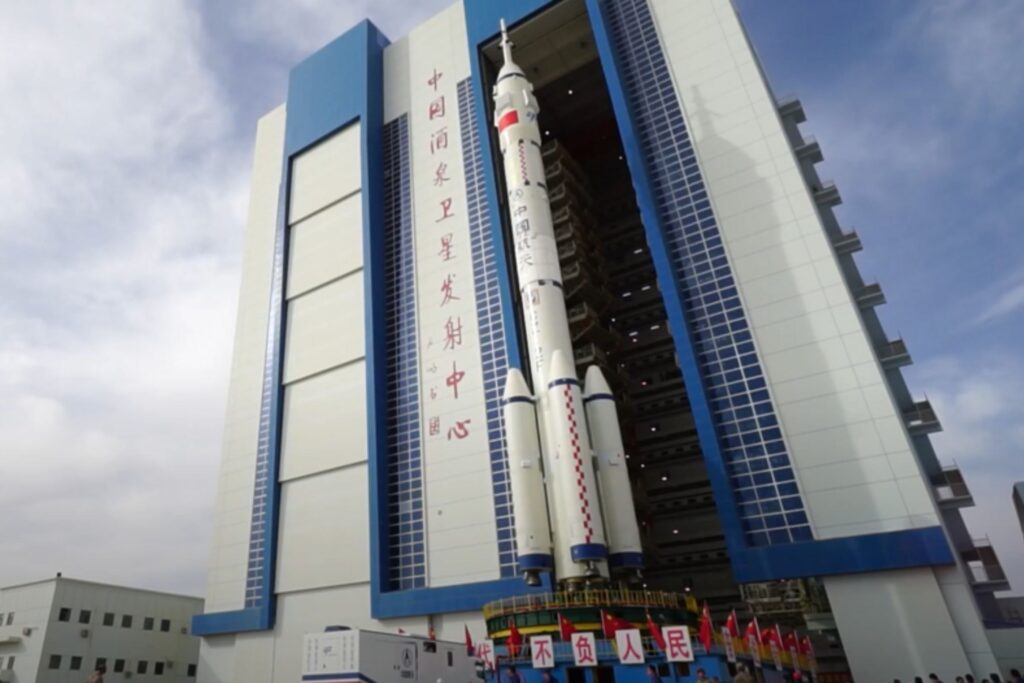
China’s Long March 2F is a key component of the country’s human spaceflight program. First launched in 1999, it has been used to send taikonauts into space as part of China’s efforts to develop and expand its space capabilities. The rocket has been crucial in launching missions to China’s space station, Tiangong, and in furthering China’s ambitions for lunar exploration.
The Long March 2F’s success underscores China’s growing presence and capabilities in the space industry. It continues to be a vital part of China’s plans for future crewed missions and deep-space exploration.
Proton

Russia’s Proton rocket has been a reliable workhorse for over five decades, launching a wide array of payloads, including satellites, space probes, and modules for space stations. Since its first launch in 1965, Proton has been a critical component of Russia’s space program, with missions ranging from commercial satellite deployments to interplanetary exploration.
Proton’s heavy-lift capabilities have made it one of the most versatile and frequently used rockets in the world. Despite facing competition from newer rockets, Proton remains a significant player in the global launch market.
Delta IV Heavy
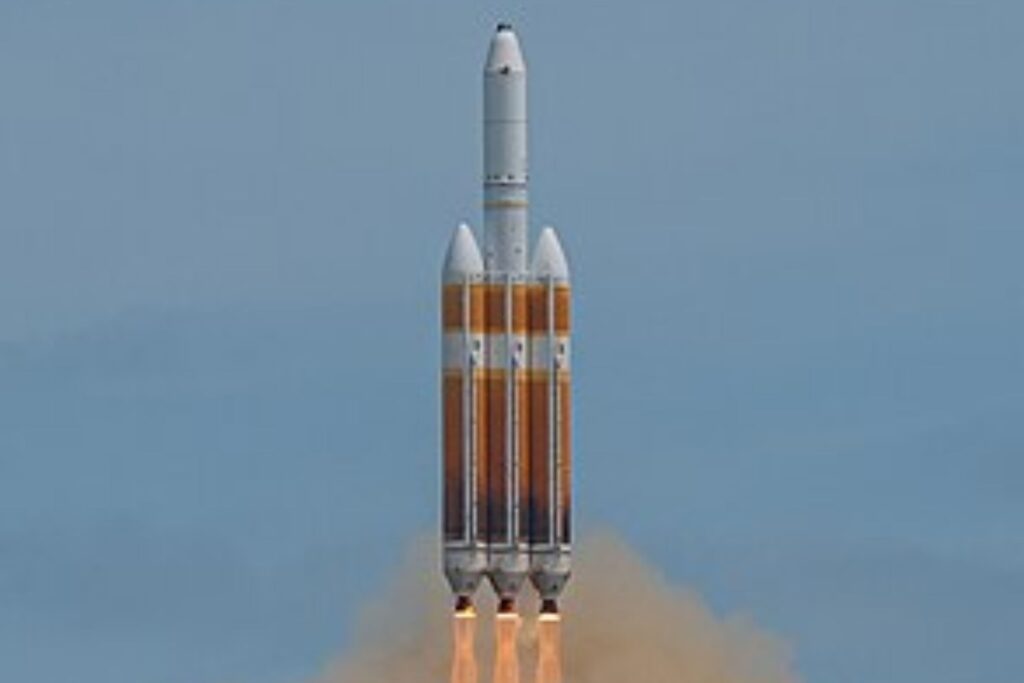
The Delta IV Heavy is one of the most powerful rockets in the United States’ fleet, capable of carrying the heaviest payloads. Operated by United Launch Alliance, it has been used for critical missions, including the deployment of national security satellites and scientific payloads. Its first flight in 2004 marked a significant advancement in heavy-lift capabilities.
Delta IV Heavy’s triple-core configuration allows it to lift payloads of up to 28 metric tons to low Earth orbit. Its role in launching high-stakes missions underscores its importance in U.S. space operations, especially for defense and research purposes.
GSLV Mk III
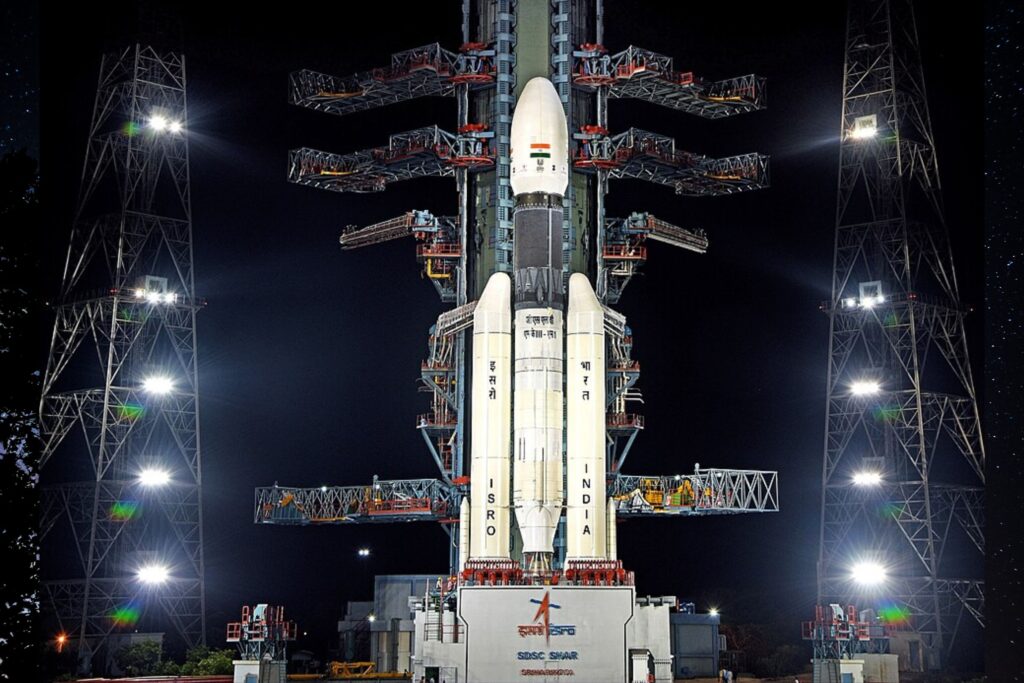
India’s GSLV Mk III, also known as LVM-3, is the country’s most powerful rocket and a key player in its space ambitions. First launched in 2014, it has been used to send the Chandrayaan-2 mission to the Moon and to deploy communication satellites. The GSLV Mk III represents a significant step forward in India’s ability to undertake complex space missions independently.
With a payload capacity of up to 10 metric tons to low Earth orbit, the GSLV Mk III is poised to play a major role in India’s future space endeavors, including its human spaceflight program. Its development reflects India’s growing capabilities and ambitions in the global space arena.