

The evolution of combat aircraft has taken a significant leap forward as nations strive to enhance their aerial capabilities. These next-generation aircraft incorporate cutting-edge technology, stealth features, and advanced weaponry. Below is a list of ten groundbreaking combat aircraft that are changing the future of warfare.
F-35 Lightning II

The F-35 Lightning II is a cornerstone of modern aerial warfare, developed by Lockheed Martin. This stealth multirole fighter combines advanced stealth capabilities with supersonic speed and agility. Operating in various configurations, the F-35 serves the U.S. Air Force, Navy, and Marine Corps, as well as allied nations. The aircraft’s advanced avionics, sensor fusion, and network-centric capabilities enable it to perform a wide range of missions, making it a versatile asset in any combat scenario.
Its ability to gather and share vast amounts of information in real-time enhances battlefield awareness and decision-making. This digital integration is a significant leap forward, providing forces with a tactical edge. Additionally, the F-35’s design supports future upgrades, ensuring it remains at the forefront of military aviation for decades to come.
Sukhoi Su-57 Felon

The Sukhoi Su-57 Felon is Russia’s answer to fifth-generation fighter jets, designed to counterbalance Western air superiority. Developed by Sukhoi, this aircraft emphasizes stealth, speed, and advanced weaponry. The Su-57’s agile airframe and cutting-edge avionics make it a formidable adversary in air-to-air and air-to-ground combat scenarios.
With its stealth features and supercruise capability, the Su-57 is intended to evade radar detection while maintaining high speed. The aircraft’s inclusion of AI-driven systems enhances pilot situational awareness, optimizing performance and survival in complex missions. As more units enter service, the Su-57 is expected to play a key role in Russia’s strategic air operations.
Chengdu J-20 Mighty Dragon

The Chengdu J-20 Mighty Dragon is China’s flagship stealth fighter, developed to compete with Western fifth-generation jets. Its design prioritizes stealth, speed, and long-range strike capabilities. The J-20’s advanced radar systems and sensor technology provide superior detection and tracking of enemy targets, giving it an edge in modern aerial warfare.
The J-20’s development aligns with China’s strategic goals of enhancing its aerial capabilities. As the People’s Liberation Army Air Force continues to expand its fleet, the J-20 is expected to play a crucial role in regional power dynamics, projecting strength and influence across the Asia-Pacific region.
B-21 Raider
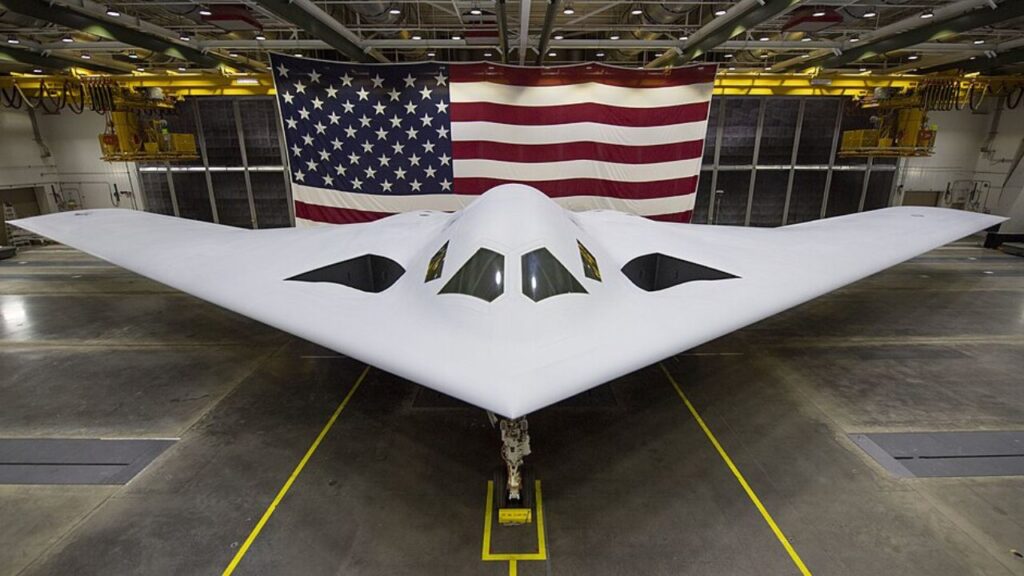
Northrop Grumman’s B-21 Raider represents the next generation of long-range strategic bombers for the U.S. Air Force. Designed to replace the aging B-1 and B-2 bombers, the B-21 emphasizes stealth, flexibility, and survivability. Its ability to penetrate advanced air defenses and deliver precision strikes makes it a critical component of future U.S. deterrence strategies.
The B-21 Raider is being developed with an open-systems architecture, allowing for seamless integration of new technologies as they emerge. This adaptability ensures that the B-21 remains relevant and effective against evolving threats, solidifying its role as a backbone of America’s strategic airpower.
Tempest Sixth-Generation Fighter

The Tempest fighter jet is a collaborative effort between the UK, Italy, and Sweden to develop a sixth-generation combat aircraft. Spearheaded by BAE Systems, this project aims to incorporate cutting-edge technologies such as artificial intelligence, autonomous systems, and directed-energy weapons. The Tempest is envisioned to operate alongside existing aircraft, enhancing their capabilities.
With a focus on modularity and adaptability, the Tempest is designed to evolve with technological advancements. This future-proofing approach ensures that the Tempest will remain at the forefront of aerial combat, providing participating nations with a significant strategic advantage.
Mitsubishi F-X

Japan’s Mitsubishi F-X project is an ambitious initiative to develop a next-generation fighter jet to replace the aging F-2 fleet. The F-X aims to enhance Japan’s air defense capabilities with advanced stealth, sensor, and propulsion technologies. This indigenous development underscores Japan’s commitment to self-reliance in defense technology.
The F-X is expected to integrate advanced features such as network-centric warfare capabilities and electronic warfare systems, ensuring it can operate effectively in modern combat environments. As Japan continues to invest in its defense infrastructure, the F-X will play a pivotal role in securing the nation’s airspace.
KAI KF-X Boramae

The KAI KF-X Boramae, developed by Korea Aerospace Industries, represents South Korea’s foray into the advanced fighter jet arena. Aimed at replacing the older F-4 and F-5 aircraft, the KF-X focuses on enhanced stealth, avionics, and combat capabilities. This domestically produced fighter jet is a testament to South Korea’s growing expertise in aerospace technology.
The KF-X is being developed with an eye towards export, positioning South Korea as a competitive player in the global defense market. As production ramps up, the KF-X is set to bolster South Korea’s defense capabilities and contribute to regional stability.
TAI TF-X

Turkey’s TAI TF-X program is an ambitious project to develop a fifth-generation fighter jet with cutting-edge capabilities. Led by Turkish Aerospace Industries, the TF-X aims to enhance Turkey’s aerial combat prowess with stealthy design, advanced avionics, and indigenous weapons systems. The program reflects Turkey’s strategic goal of achieving self-sufficiency in defense technology.
With a focus on domestic production, the TF-X is expected to incorporate technologies such as AI and network-centric warfare capabilities. The successful development of the TF-X will mark a significant milestone in Turkey’s defense industry, showcasing its ability to produce advanced military aircraft.
Next Generation Air Dominance (NGAD) Fighter (F-47)
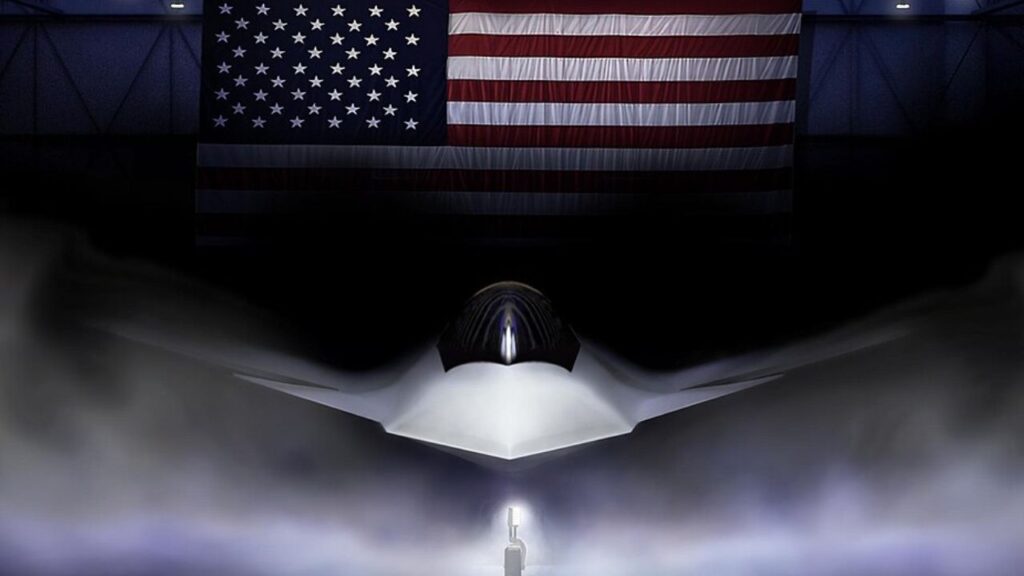
The Next Generation Air Dominance (NGAD) Fighter is a bold initiative by the U.S. Air Force to develop a sixth-generation air superiority platform. This program aims to incorporate revolutionary technologies, including AI, advanced sensors, and networked systems, to maintain U.S. air dominance in future conflicts.
The NGAD Fighter is designed to operate within a larger system of systems, integrating seamlessly with other platforms to achieve mission objectives. As development progresses, the NGAD Fighter is poised to redefine air combat, ensuring the U.S. maintains its strategic edge in aerospace capabilities.
HAL AMCA (Advanced Medium Combat Aircraft)

India’s HAL AMCA project represents a significant step forward in the nation’s quest for advanced indigenous fighter jets. Developed by Hindustan Aeronautics Limited, the AMCA aims to deliver a fifth-generation multirole fighter with stealth, supercruise, and advanced avionics capabilities.
The AMCA’s development aligns with India’s strategic emphasis on self-reliance in defense production. By incorporating state-of-the-art technology, the AMCA is expected to enhance the Indian Air Force’s operational capabilities, strengthening the country’s defense posture in a rapidly evolving geopolitical landscape.