
Military vehicles are designed to withstand the harshest conditions and perform under extreme stress. The durability and resilience of these machines have been tested in various conflicts around the globe. From battle tanks to transport aircraft, these vehicles have proven their mettle time and again. Let’s take a closer look at ten military vehicles renowned for their ability to endure the toughest challenges.
M1 Abrams Main Battle Tank

The M1 Abrams is a staple of the U.S. Army and Marine Corps, known for its heavy armor and powerful armament. Introduced in the 1980s, this main battle tank has seen action in conflicts from the Gulf War to Afghanistan. Its advanced composite armor and 1,500-horsepower gas turbine engine allow it to withstand significant damage while maintaining impressive mobility.
One of the Abrams’ notable features is its ability to operate in diverse environments, from desert landscapes to urban settings. The tank’s adaptability and advanced targeting systems make it a formidable presence on the battlefield, earning it a reputation for surviving nearly any combat situation.
Humvee (High Mobility Multipurpose Wheeled Vehicle)

The Humvee, a versatile military vehicle, has been a workhorse for the U.S. Armed Forces since the 1980s. Known for its ruggedness and adaptability, the Humvee has been deployed in various roles, including troop transport, medical evacuation, and communications.
Designed to tackle rough terrain, the Humvee’s four-wheel-drive system and high ground clearance make it ideal for operations in challenging environments. Despite its vulnerabilities in modern warfare, the Humvee’s enduring service record underscores its resilience and importance to military logistics.
B-52 Stratofortress Bomber

The B-52 Stratofortress is an iconic long-range bomber that has served the U.S. Air Force since the 1950s. Known for its impressive payload capacity and range, the B-52 has participated in numerous conflicts, from Vietnam to the War on Terror.
One of the B-52’s most remarkable traits is its longevity. Regular upgrades have kept this bomber relevant for decades, and it remains a crucial component of the U.S. strategic bomber force. Its ability to deliver both conventional and nuclear payloads ensures its continued significance in modern warfare.
A-10 Thunderbolt II (Warthog)
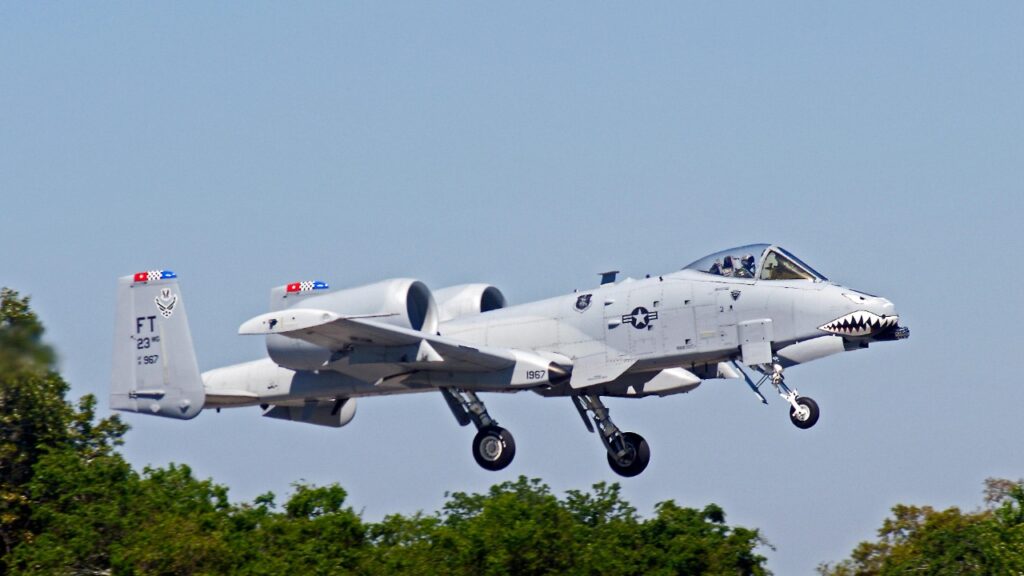
The A-10 Thunderbolt II, affectionately known as the “Warthog,” is famed for its close air support capabilities. Its design prioritizes survivability, with a titanium “bathtub” protecting the pilot and redundant systems ensuring it can return from missions even when heavily damaged.
Equipped with a powerful GAU-8 Avenger rotary cannon, the A-10 excels in destroying armored targets. Its ability to loiter over battlefields and provide precise support to ground troops has made it a favorite among pilots and soldiers alike, cementing its reputation as a tough, battle-hardened aircraft.
UH-60 Black Hawk Helicopter

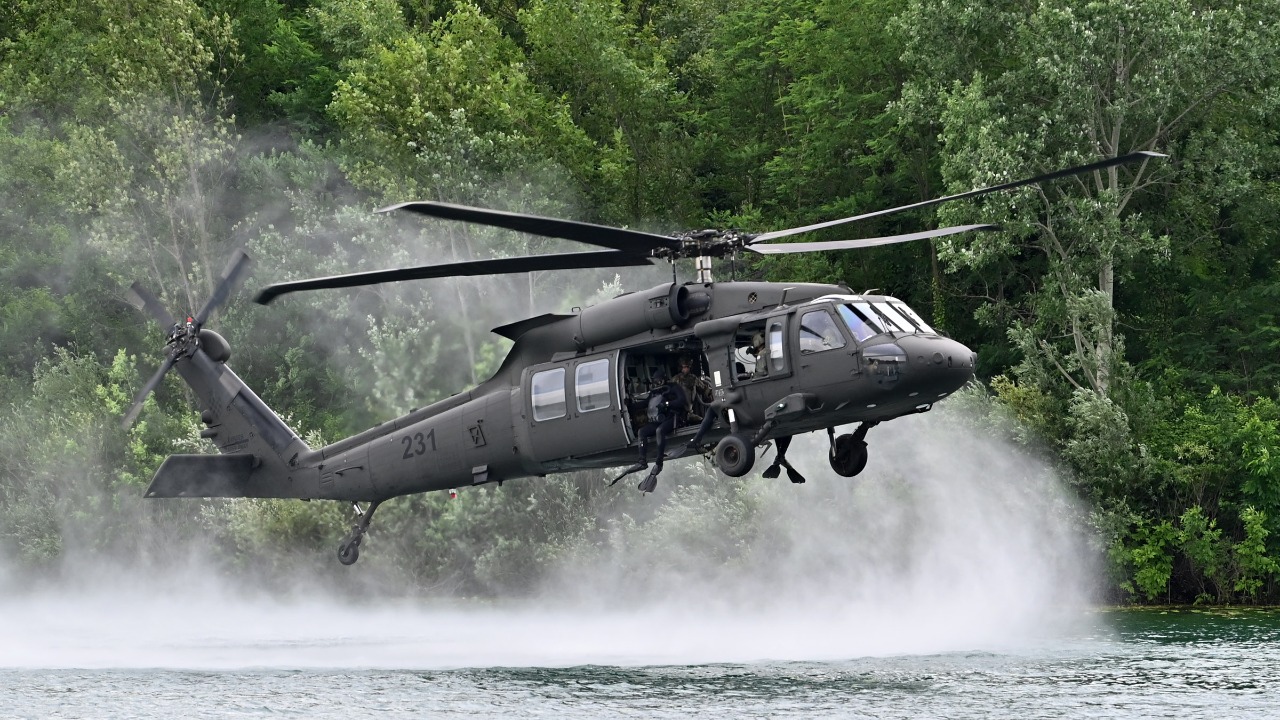
The UH-60 Black Hawk is a versatile utility helicopter used by the U.S. Army and other services worldwide. Since its introduction in the late 1970s, the Black Hawk has been a reliable asset in transport, medevac, and combat roles across numerous conflict zones.
Renowned for its durability, the Black Hawk can withstand small arms fire and some anti-aircraft weapons. Its robust design and adaptability have enabled it to remain a mainstay in military operations, offering crucial support in both peace and wartime engagements.
Leopard 2 Main Battle Tank
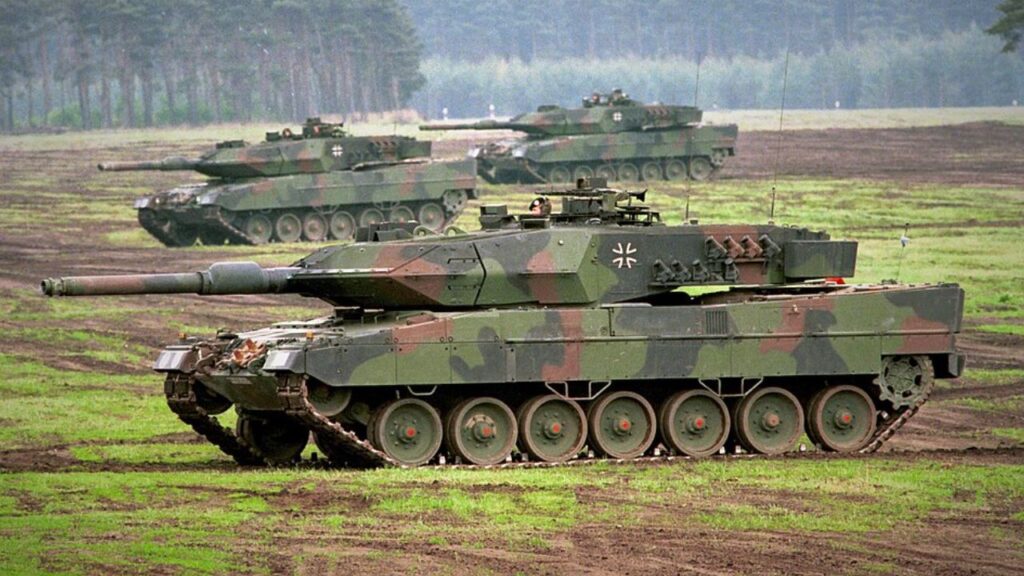
The Leopard 2, developed by Germany, is one of the most respected main battle tanks globally. With its blend of firepower, protection, and mobility, the Leopard 2 has set a standard for modern tank design since its introduction in the late 1970s.
Equipped with advanced armor and a powerful 120mm smoothbore cannon, the Leopard 2 has proven its effectiveness in various NATO operations. Its ability to adapt to different combat scenarios while maintaining high survivability rates makes it a formidable opponent on the battlefield.
C-130 Hercules Transport Aircraft
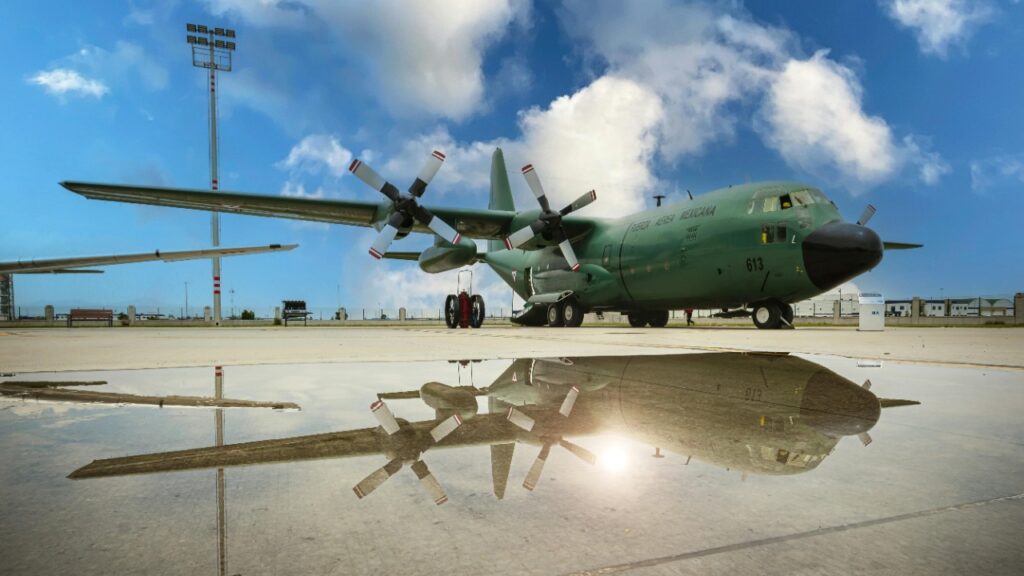
The C-130 Hercules is a versatile transport aircraft that has supported military operations since the 1950s. Known for its rugged design, the C-130 can perform a wide range of missions, including troop transport, medical evacuation, and cargo delivery.
One of the Hercules’ key strengths is its ability to operate from short and unprepared airstrips, making it invaluable in combat and humanitarian missions. Its robust construction and adaptability have ensured its status as a reliable workhorse for air forces worldwide.
T-34 Medium Tank

The Soviet T-34 medium tank played a crucial role during World War II, known for its impactful design and battlefield resilience. Introduced in 1940, the T-34’s sloped armor, powerful gun, and excellent mobility were revolutionary at the time.
The T-34’s simplicity and ease of production allowed the Soviet Union to field it in large numbers, contributing significantly to their wartime successes. Its design influenced subsequent tank developments, and it remains a symbol of Soviet engineering prowess and battlefield durability.
BMP-1 Infantry Fighting Vehicle
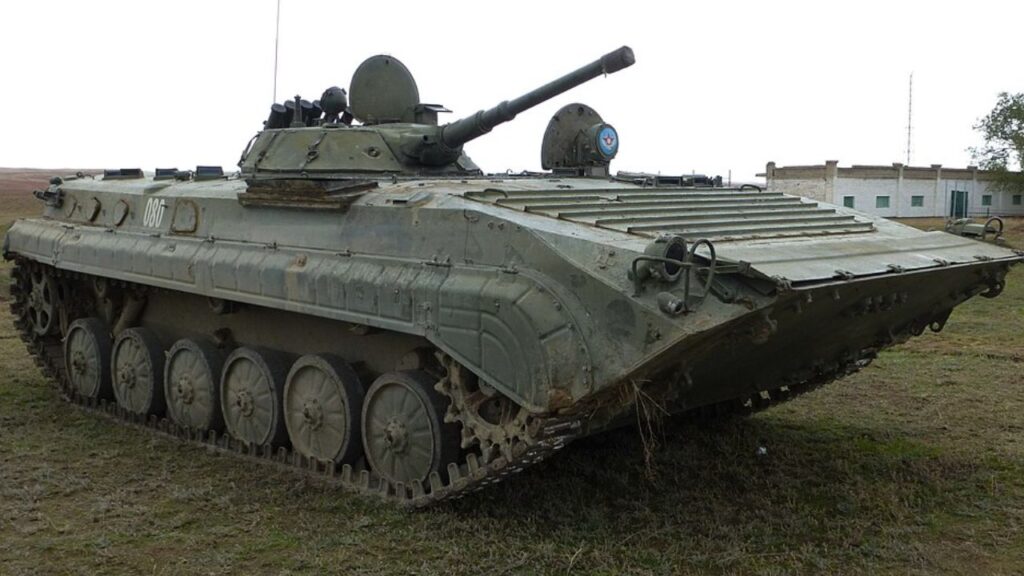
The BMP-1, a Soviet-designed infantry fighting vehicle, made its debut in the 1960s as the first of its kind. Combining firepower, protection, and mobility, the BMP-1 could transport troops while providing support with its mounted cannon and anti-tank missiles.
This vehicle’s low profile and amphibious capabilities made it adaptable to various combat scenarios. Despite being surpassed by more modern vehicles, the BMP-1’s introduction marked a significant evolution in armored warfare, influencing the design of subsequent infantry fighting vehicles.
Sherman M4 Medium Tank
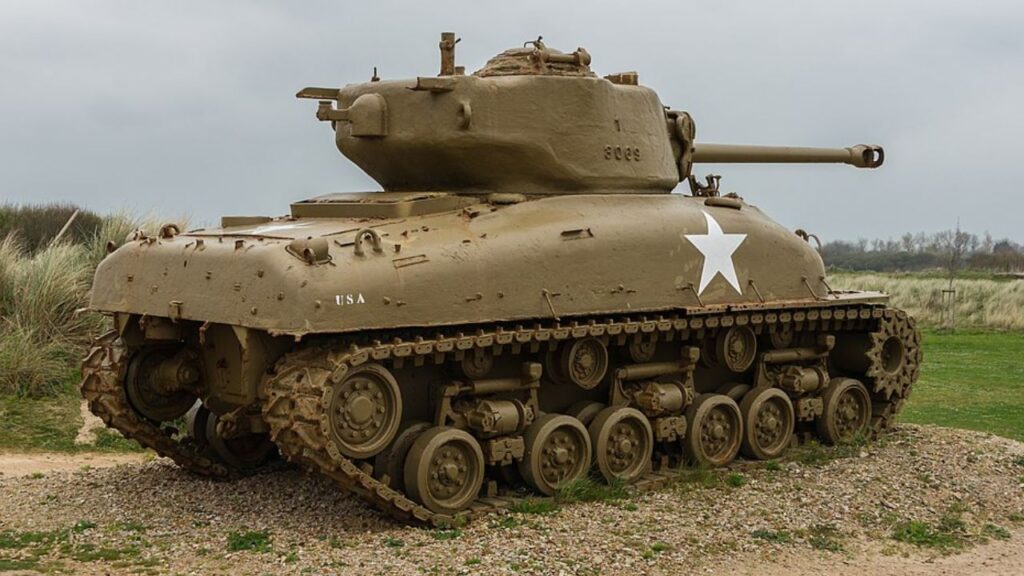
The Sherman M4, the principal tank of the U.S. Army during World War II, is celebrated for its versatility and reliability. Although not as heavily armored or armed as some of its adversaries, the M4’s ease of production and mechanical reliability made it a cornerstone of Allied armored forces.
Its widespread use and adaptability allowed the Sherman to serve in various roles, from infantry support to tank destroyer. The M4’s legacy endures as a symbol of American industrial capability and its critical role in securing victory during the war.