
Modern combat didn’t “go digital” overnight. It built up over decades, one invention at a time, until today’s baseline assumptions—persistent sensing, fast mobility, precision strike, secure command-and-control, and effective night operations—became normal planning factors rather than specialized advantages.
What’s shifted in recent years is not that these technologies exist, but how routinely they’re challenged. Peer competition puts pressure on sensor-to-shooter timelines, strains communications and navigation, and makes stockpiles and production capacity operational concerns. The result is straightforward: these inventions still shape combat, but their value increasingly depends on integration, training, sustainment, and the ability to function under countermeasures.
1) Radar: Early warning at operational scale

Radar provided a way to detect aircraft and ships beyond visual range and through poor weather, and it remains central to air and missile defense and maritime surveillance. The enduring change wasn’t only detection—it was the ability to build an early-warning picture that commanders could act on before an adversary closed distance or changed course.
Today, radar rarely operates alone. It is typically one input among many in a fused sensor network. That also means radar is part of a continuing contest: stealth, decoys, jamming, and emissions discipline all shape how well radar contributes to a usable picture.
2) Jet propulsion: Tempo, reach, and the logistics behind speed

Jet propulsion enabled modern fighters and bombers and transformed how airpower generates tempo. It supports rapid movement across large distances, faster response times, and the ability to concentrate combat power quickly compared with earlier propulsion methods.
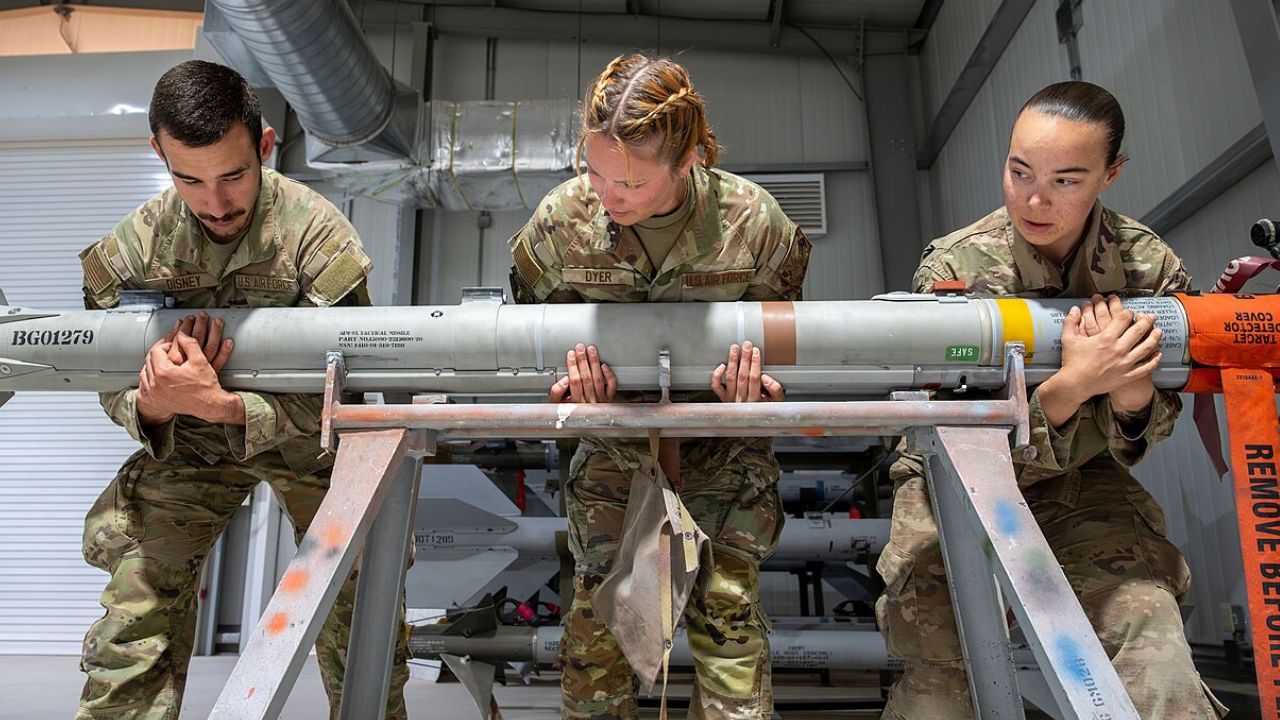
But speed comes with demands that matter in real campaigns. High-performance engines rely on maintenance capacity, trained personnel, and steady access to parts. In practice, readiness and sustainment can limit how much jet-powered airpower can be generated, regardless of fleet size.
3) Rockets and missiles: Range as leverage

Rockets and missiles evolved into tools that shape deterrence and long-range strike. They extend reach without always requiring the same level of forward presence as manned platforms, and they can influence operations across theaters through the threat—or use—of deep fires.
Their strategic impact is tied to signaling and escalation management, but modern missile warfare is also an industrial problem. Stockpiles, production rates, and supply chains help determine what can be sustained over time, not just what can be launched on day one.
4) Satellite navigation (GPS and peers): Shared location, shared time
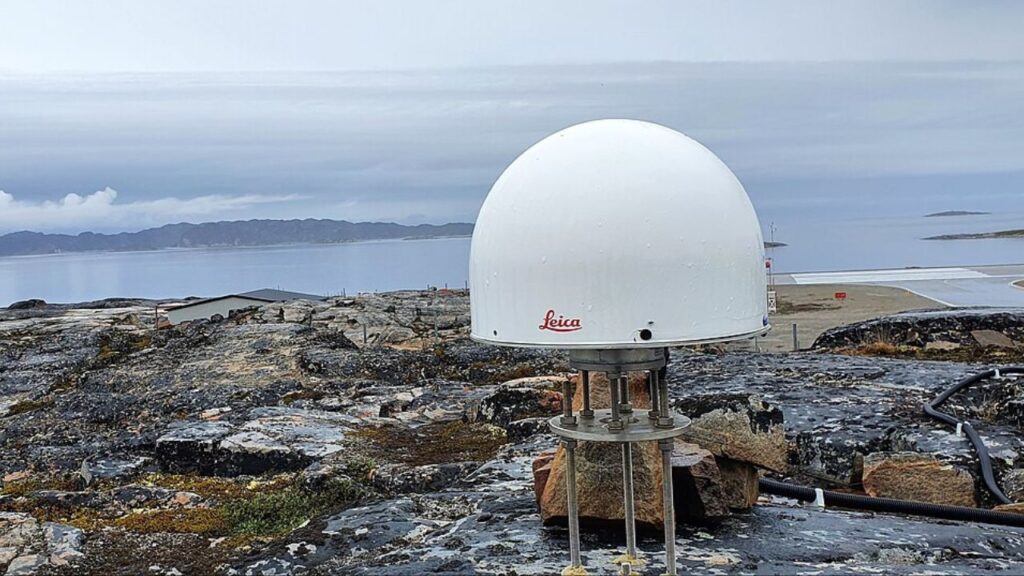
Satellite navigation systems, with GPS as the best-known example, made accurate positioning and timing widely available for ground forces, aircraft, and ships. They also support modern precision fires by giving platforms and munitions a common reference for time and location.
That dependence introduces risk. Jamming and spoofing can disrupt navigation and timing, so assured positioning, navigation, and timing is increasingly treated as a resilience requirement—shaping mission planning, procedures, and the need for backup methods.
5) Precision-guided munitions: Planning around effects, not volume
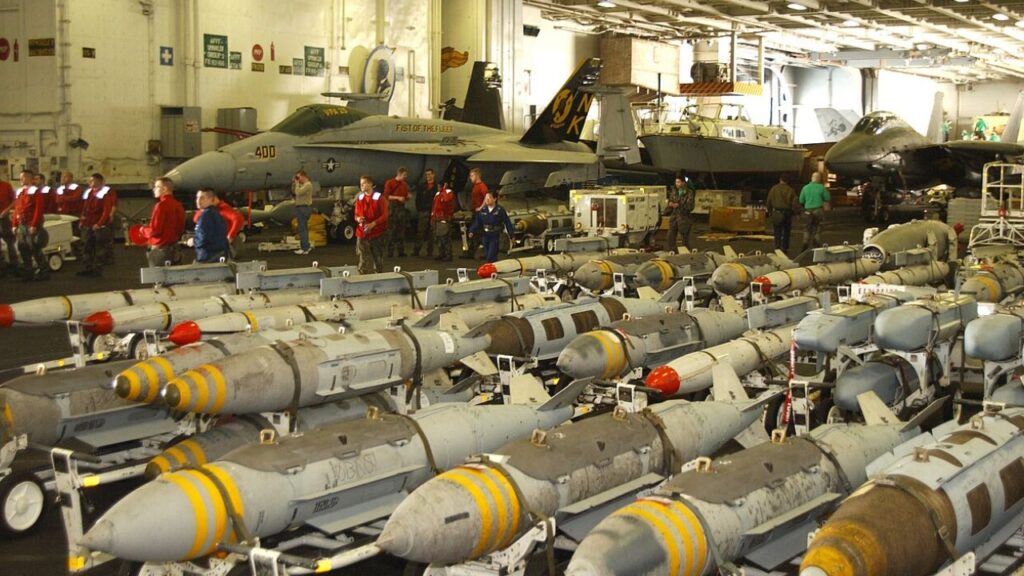
Precision-guided munitions (PGMs) changed planning by improving the odds of achieving a desired effect with fewer rounds or fewer sorties, when targeting and conditions allow. They are a core part of modern strike doctrine and often reduce the gap between intent and outcome.
Still, “precision” is not just a weapon attribute. It depends on sensors, communications, coordinates, intelligence quality, and rules of engagement. It also creates sustainment pressure: when precision weapons are expended quickly, affordability and production become operational constraints.
6) Uncrewed systems (UAVs/UGVs/USVs): Persistence and distributed risk
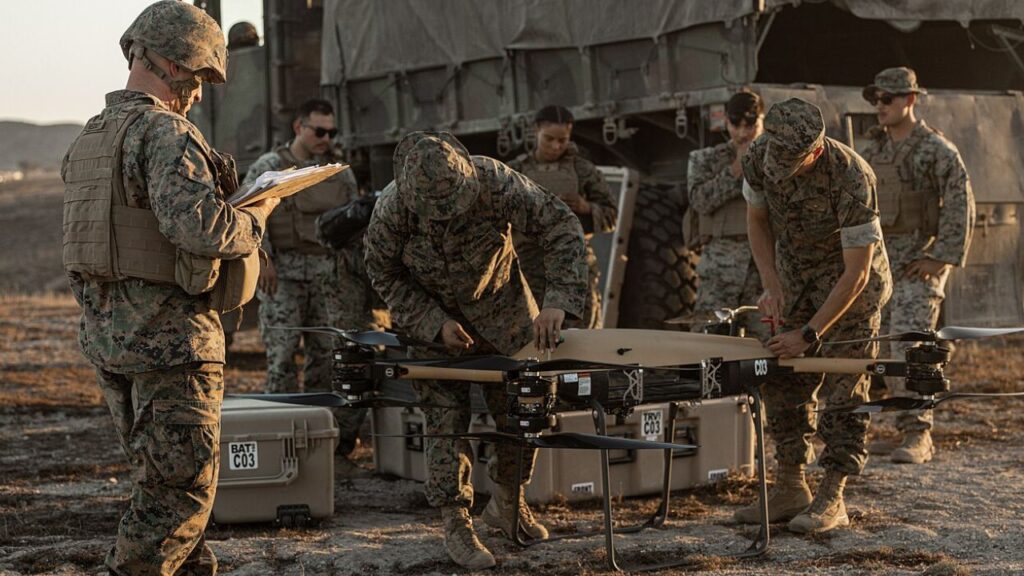
Uncrewed systems—air, ground, and maritime—expanded what forces can observe and for how long, often reducing risk to crews for certain missions. Their roles range from intelligence, surveillance, and reconnaissance (ISR) to strike support and targeting.
The shift is persistence at scale: more sensors in more places, with shorter gaps between detection and action. At the same time, counter-drone measures are now routine. Survivability and usefulness increasingly depend on EW resistance, signature management, and the ability to replace losses quickly—making sustainment and production capacity part of the capability.
7) Encryption and secure communications: Keeping coordination intact

Encryption and secure communications underpin modern command-and-control (C2) and help protect sensitive information. In practice, they allow units to coordinate without making it easy for an opponent to intercept plans, track forces, or exploit networks.
The payoff is operational resilience: forces that can communicate securely can synchronize across domains and keep functioning under pressure. But secure comms are not “set and forget.” They require disciplined key management, training, and continuous adaptation as adversaries invest in interception and disruption.
8) Night vision and thermal imaging: Extending effective operations into darkness

Night vision and thermal imaging expanded when forces can move, identify, and engage—especially in darkness or degraded visibility. At the tactical level, these tools shape raid timing, perimeter security, and target identification.
This advantage is practical, not magical. Batteries, maintenance, spare optics, and training determine whether night capability holds up over time. Adversaries also adapt with concealment, deception, and their own night-capable systems, which makes discipline and realistic training as important as the hardware.
9) Electronic warfare: Fighting over the spectrum

Electronic warfare (EW) has become central because modern forces rely on radios, data links, emitters, and sensors. While many specifics are not public, the basic role is well understood: EW can deny, degrade, deceive, or exploit an adversary’s use of the electromagnetic spectrum.
In operational terms, spectrum effects can disrupt coordination and slow decision-making without a direct exchange of fire. They also force tradeoffs in how systems are used—emissions control, frequency agility, and operator training become necessities when the spectrum is treated as contested terrain rather than a reliable utility.
10) Integrated air and missile defense networks: Turning parts into an architecture

Integrated air and missile defense networks are less a single device than a defining modern approach: linking sensors (including radar), communications, and interceptors into a coordinated system. The key leap is coordination—building a shared picture, prioritizing threats, and managing engagements across multiple nodes.
Strategically, integration changes an opponent’s cost and planning calculus by forcing attacks to be more complex, more deceptive, or more numerous to achieve the same effect. The tradeoff is demanding: these networks require trained operators, secure and reliable links, high readiness, and interceptor inventories that can be sustained over time.
What changes next: Integration that survives pressure
Across all 10 inventions, advantage now comes less from possession than from performance under stress. In peer competition, the edge goes to forces that integrate tools into doctrine and training, protect the links between sensors and shooters, and keep operating when navigation, communications, and sensing are disrupted.
Modernization is therefore as much about hardening and scale as it is about new features: alternative navigation methods and procedures, spectrum-aware operations, layered counter-drone approaches, and munitions production that matches real consumption. These inventions will keep shaping combat—but outcomes will depend on who can sustain them, secure them, and fight through the counters.