
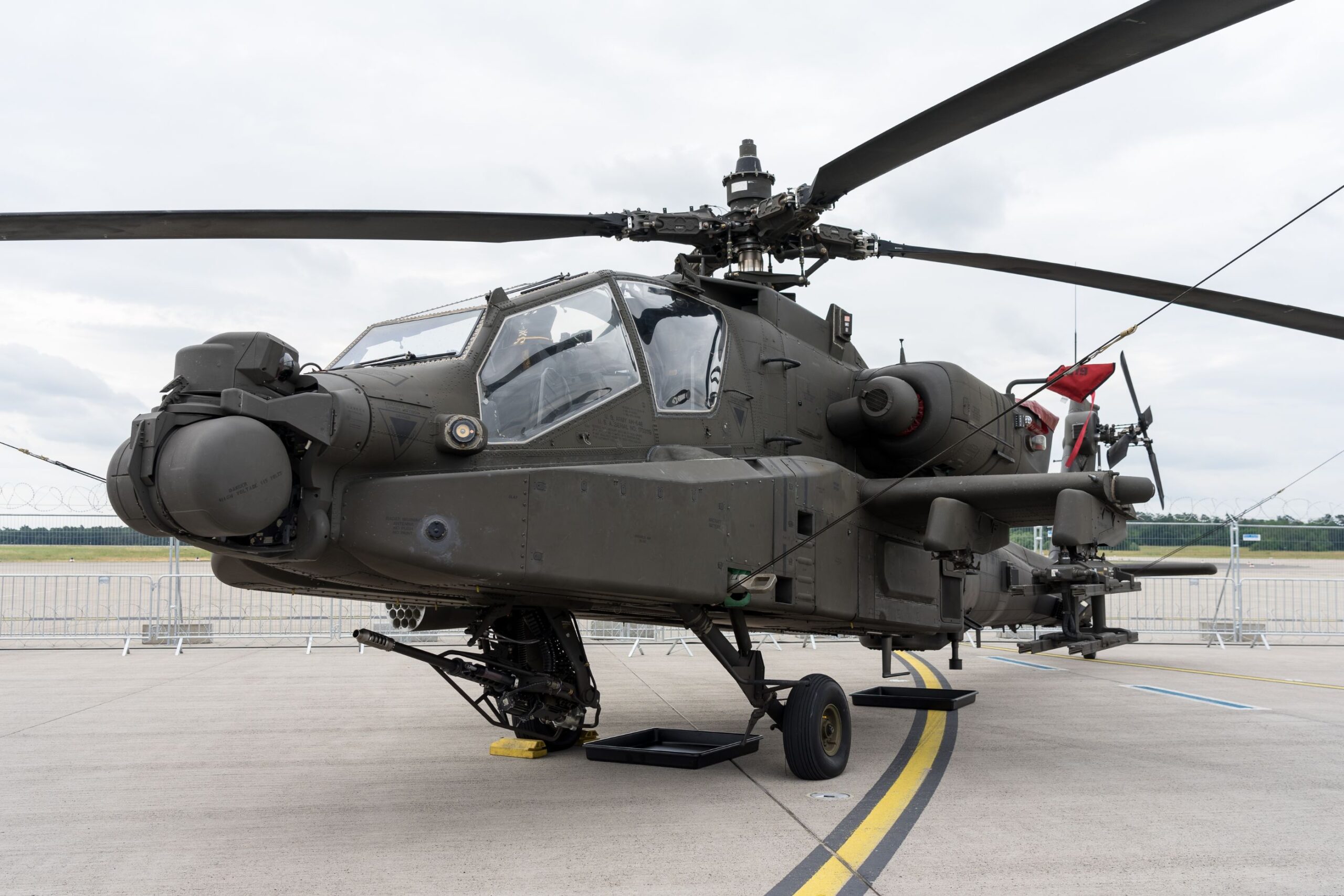
Throughout history, some machines of war have left an indelible mark on the battlefield. These mechanical wonders were not just tools of destruction but also marvels of engineering that were nearly impossible to stop. From tanks that seemed invincible to aircraft that redefined air combat, let’s dive into the machines that became legends in their own time.
The Panzerkampfwagen VI Tiger Tank
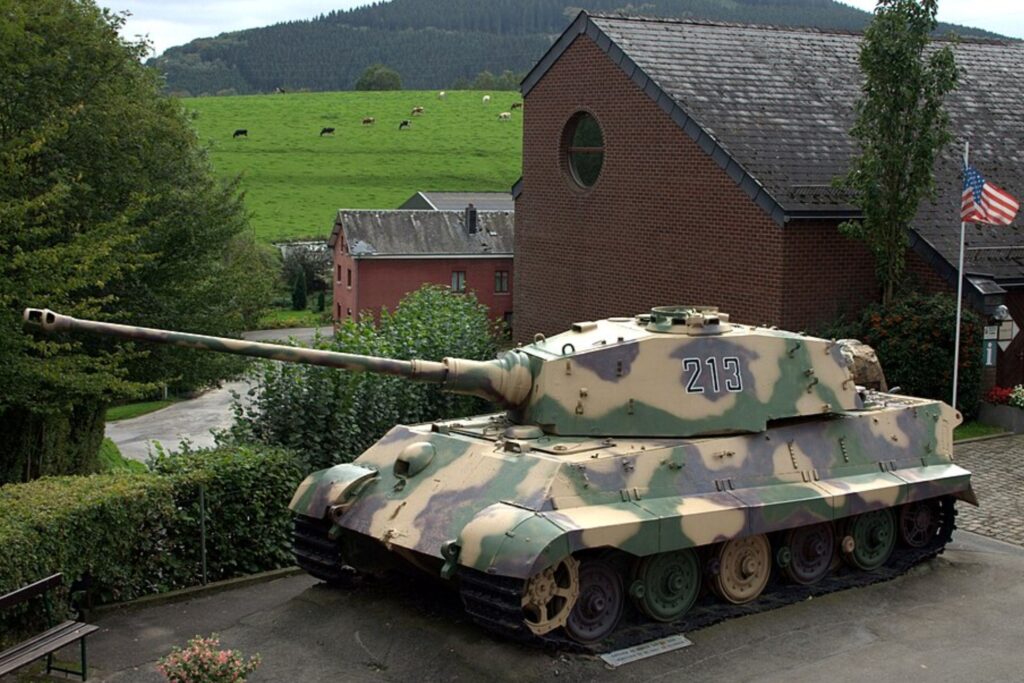
The German Panzerkampfwagen VI Tiger Tank was a force to be reckoned with during World War II. Known for its formidable armor and powerful 88mm gun, the Tiger Tank was designed to dominate the battlefield. It was feared by Allied forces, who found it incredibly difficult to destroy due to its thick armor and superior firepower. Despite being plagued by mechanical issues and high production costs, the Tiger Tank left a lasting legacy as one of the most formidable tanks of its era.
Its reputation was further solidified during the Battle of Kursk, where it played a significant role. While not invincible, the Tiger Tank’s psychological impact on enemy forces was immense, often causing panic and retreat even before a shot was fired.
The B-2 Spirit Stealth Bomber

The B-2 Spirit Stealth Bomber is a marvel of modern engineering, designed for stealth and long-range bombing missions. Developed by Northrop Grumman, this aircraft can evade radar detection, making it extremely difficult for adversaries to track or intercept. The B-2’s unique shape and advanced technology allow it to operate undetected, delivering precision strikes anywhere in the world.
First introduced in the late 20th century, the B-2 has been used in various conflicts, showcasing its capability to fly undetected and deliver payloads with pinpoint accuracy. Its development marked a significant leap forward in military aviation, blending cutting-edge technology with unmatched stealth capabilities.
The U-Boat Type VII Submarine

The Type VII U-Boat was the workhorse of the German Navy during World War II. Known for its ability to operate in the Atlantic for extended periods, it became a significant threat to Allied shipping. The Type VII’s design allowed it to dive quickly and remain submerged for hours, making it a formidable opponent.
These submarines were responsible for sinking thousands of tons of Allied shipping, disrupting supply lines, and instilling fear among naval forces. Despite advancements in anti-submarine warfare, the Type VII remained a challenging target, contributing to Germany’s strategic advantage in the early years of the war.
The USS Missouri (BB-63) Battleship
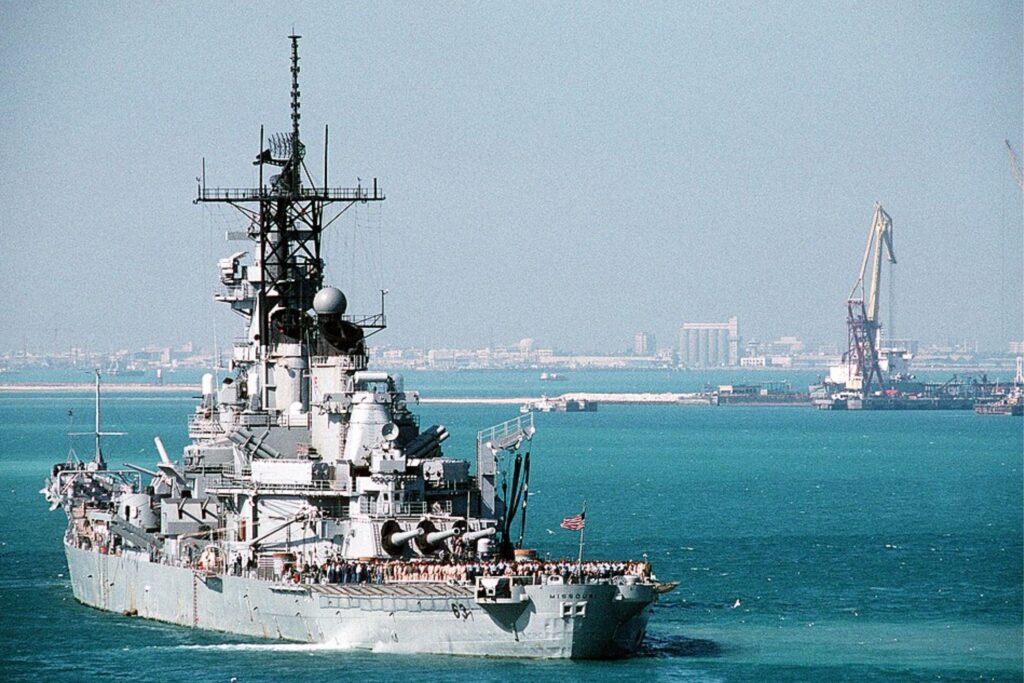
The USS Missouri, also known as “Mighty Mo,” was a symbol of American naval power. Launched in 1944, this battleship played a crucial role in the Pacific Theater during World War II. Armed with nine 16-inch guns and a plethora of smaller weapons, the Missouri was designed to engage enemy ships and provide powerful shore bombardments.
The Missouri’s most famous moment came on September 2, 1945, when the Japanese surrender was signed on its decks, marking the end of World War II. The battleship continued to serve in later conflicts, including the Korean War, solidifying its place in naval history.
The Apache AH-64 Attack Helicopter
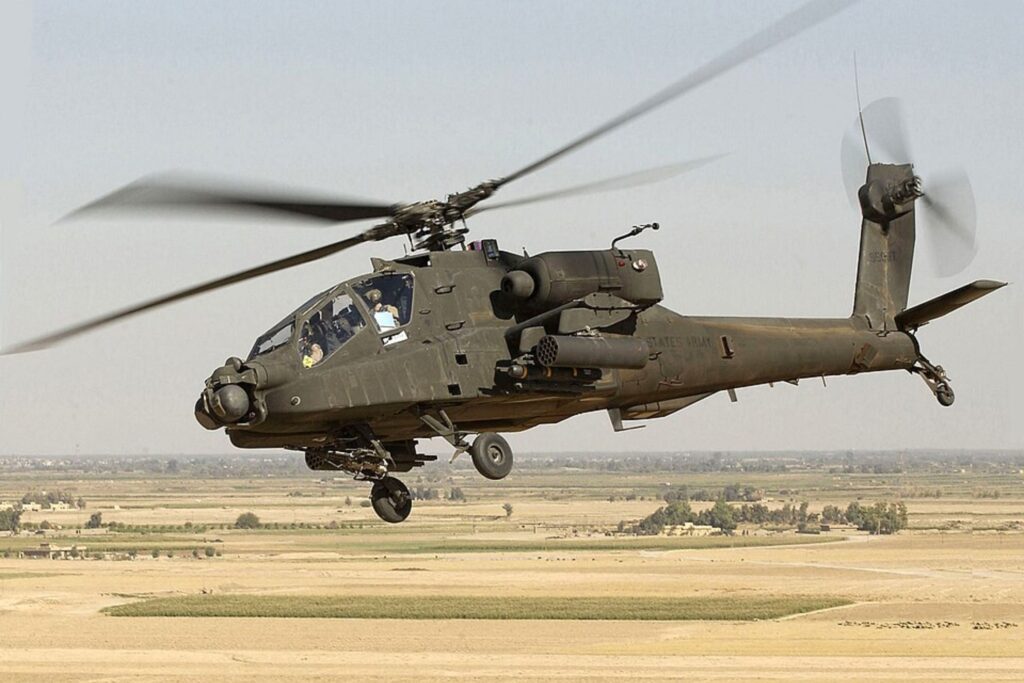
The Apache AH-64 is a versatile attack helicopter that has become a staple of modern military forces. Developed in the 1970s, the Apache was designed for close air support and anti-tank warfare. Equipped with advanced avionics and weaponry, including Hellfire missiles and a 30mm chain gun, it can engage multiple targets with precision.
The Apache’s resilience and effectiveness have been proven in numerous conflicts, including the Gulf War and the War on Terror. Its ability to operate in various environments and withstand enemy fire makes it a critical asset on the battlefield.
The T-34 Soviet Medium Tank

The T-34 Soviet Medium Tank was a game-changer during World War II. With its sloped armor and powerful engine, it was both fast and robust, able to withstand substantial damage while delivering decisive blows to enemy forces. The T-34’s design influenced tank development worldwide and was instrumental in the Soviet Union’s success on the Eastern Front.
Its versatility and reliability under harsh conditions made it a favorite among Soviet troops, earning it a reputation as one of the best tanks of the war. The T-34’s legacy continues to this day, influencing modern tank design.
The F-117 Nighthawk Stealth Fighter
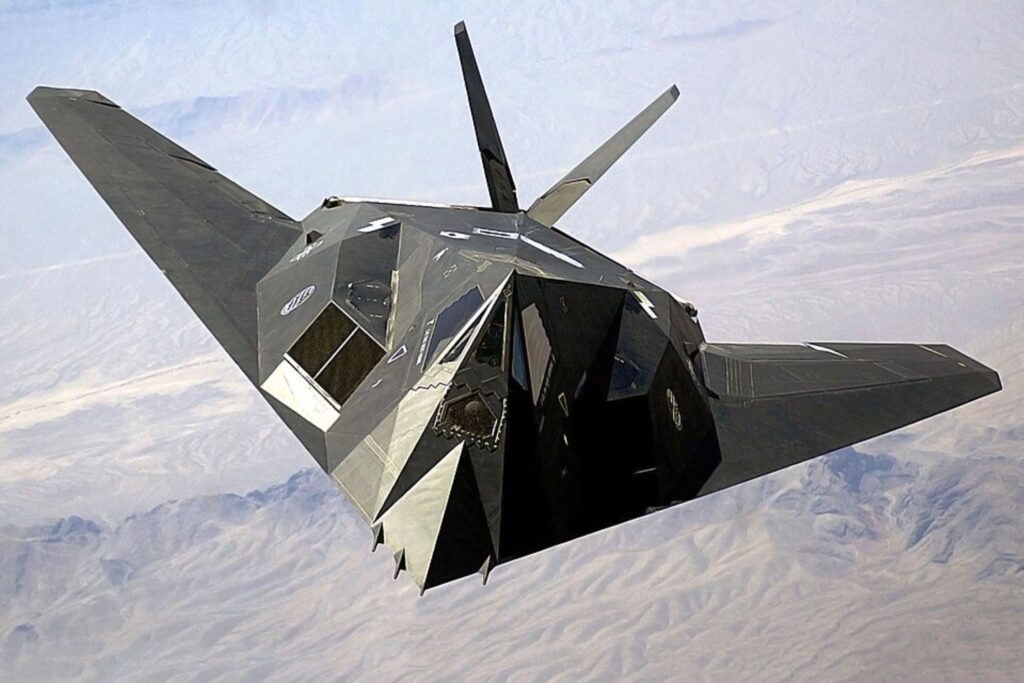
The F-117 Nighthawk was the world’s first operational stealth aircraft. Introduced in the 1980s, it was designed to evade radar detection, allowing it to penetrate heavily defended airspace. The Nighthawk’s angular design and radar-absorbent materials made it nearly invisible to enemy radar systems.
During the Gulf War, the F-117 demonstrated its capabilities by striking high-value targets with surgical precision. Although retired in the mid-2000s, the Nighthawk’s influence on stealth technology and air combat tactics remains significant.
The V-2 Rocket

The V-2 Rocket, developed by Nazi Germany, was the world’s first long-range guided ballistic missile. It represented a significant leap in warfare technology, capable of delivering explosives across vast distances. The V-2 was used to target cities like London and Antwerp, causing significant damage and panic.
Despite its devastating impact, the V-2 also laid the groundwork for post-war rocket development, influencing both military and space exploration technologies. Its legacy is seen in modern ballistic missiles and the space race that followed World War II.
The M1 Abrams Main Battle Tank

The M1 Abrams is a mainstay of the United States Army, known for its advanced armor and powerful armament. Introduced in the 1980s, the Abrams features composite armor, a 120mm smoothbore cannon, and advanced targeting systems, making it one of the most formidable tanks in the world.
Its combat debut during the Gulf War showcased its superiority, with the Abrams proving nearly unstoppable against older Soviet-era tanks. The M1 continues to evolve, integrating new technologies to maintain its edge on the modern battlefield.
The Avro Lancaster Bomber
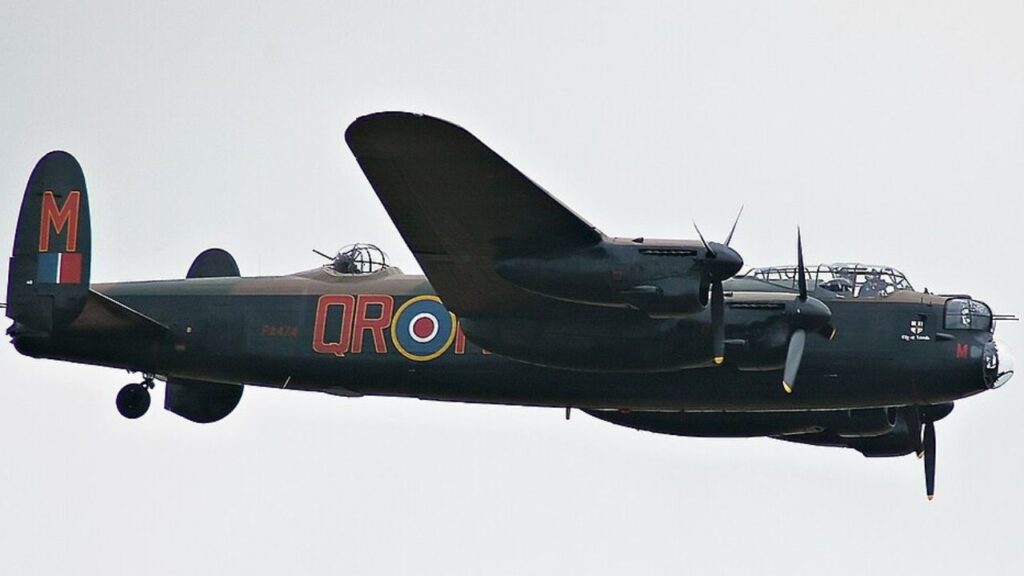
The Avro Lancaster was a British heavy bomber that played a pivotal role in World War II. Renowned for its impressive payload capacity and range, the Lancaster was essential in both strategic bombing campaigns and specialized missions like the Dambusters Raid.
Its robust design and versatility made it a favorite among RAF crews, allowing it to adapt to various roles throughout the war. The Lancaster’s contributions to the Allied victory cannot be overstated, cementing its place in aviation history.