
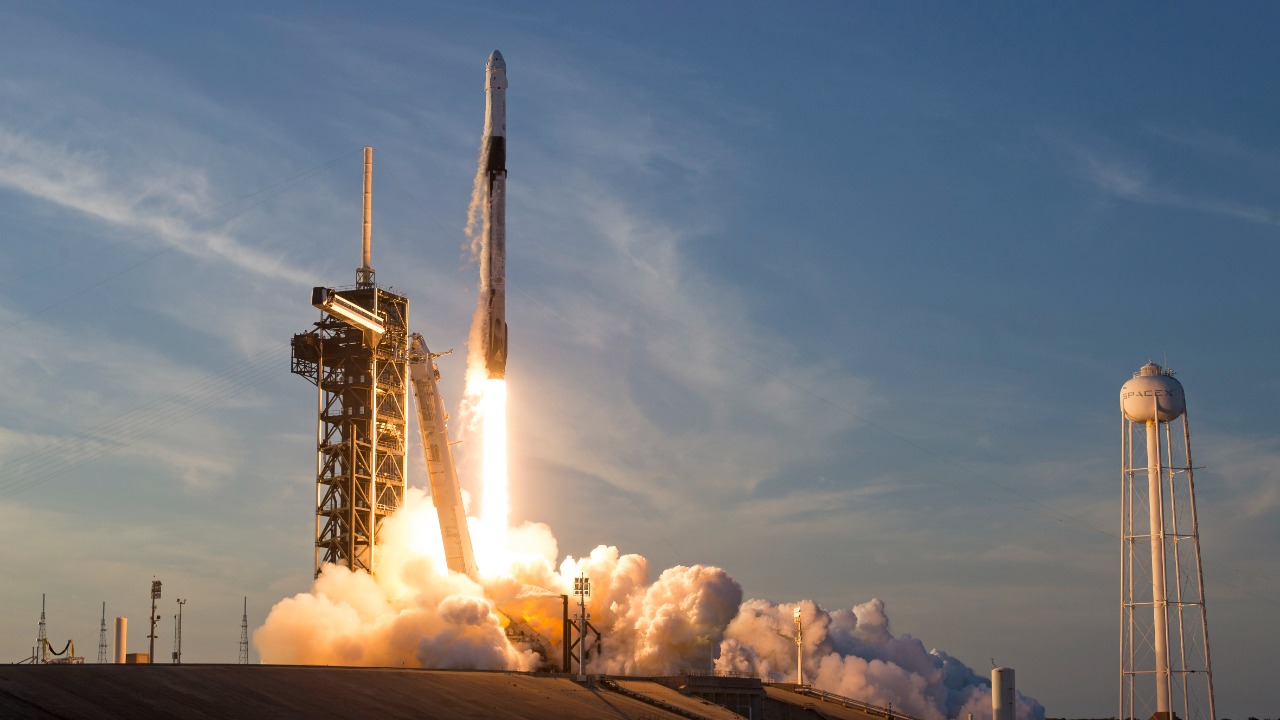
Space exploration has achieved remarkable milestones thanks in large part to innovative launch vehicles. Each of these engineering marvels has played a crucial role in sending humans and payloads into space, revolutionizing our understanding and utilization of the cosmos. Let’s delve into ten pivotal launch vehicles that have shaped modern space missions.
Saturn V
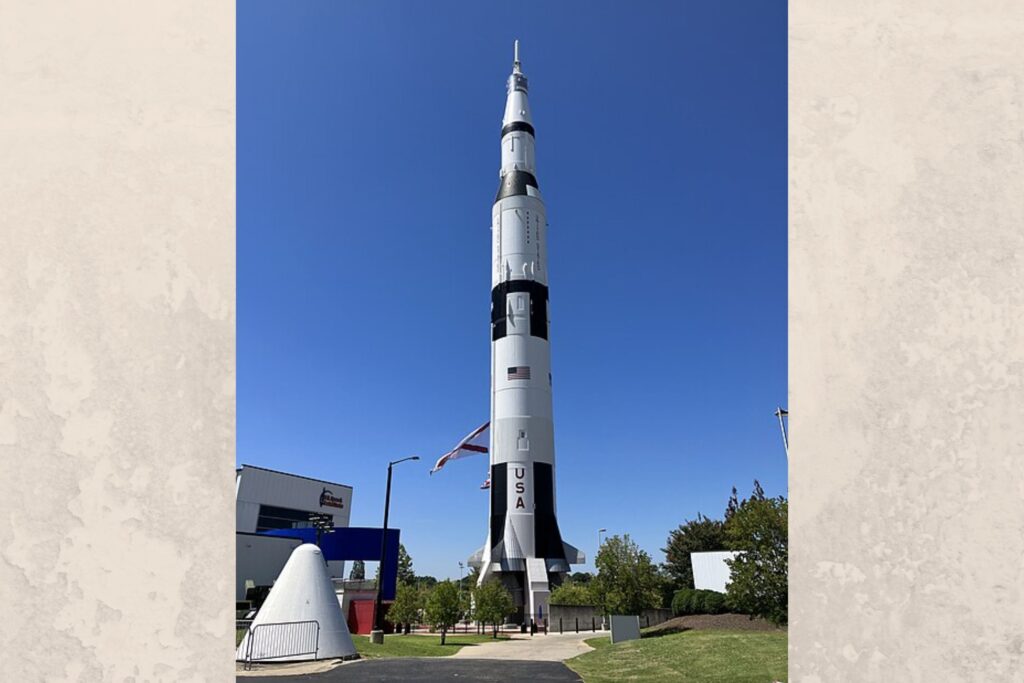
The Saturn V rocket remains one of the most iconic launch vehicles in history, renowned for its role in the Apollo missions. Developed by NASA in the 1960s, it was the powerhouse that sent humans to the Moon. Standing at 363 feet tall, Saturn V was capable of carrying a payload of up to 140,000 kg to low Earth orbit. Its success in the Apollo 11 mission in 1969 marked a monumental achievement in human space exploration.
Beyond the Moon landings, the Saturn V also launched the Skylab space station into orbit. The vehicle’s design and engineering laid the groundwork for future heavy-lift launch systems, influencing how we approach large-scale space missions even today.
Space Shuttle
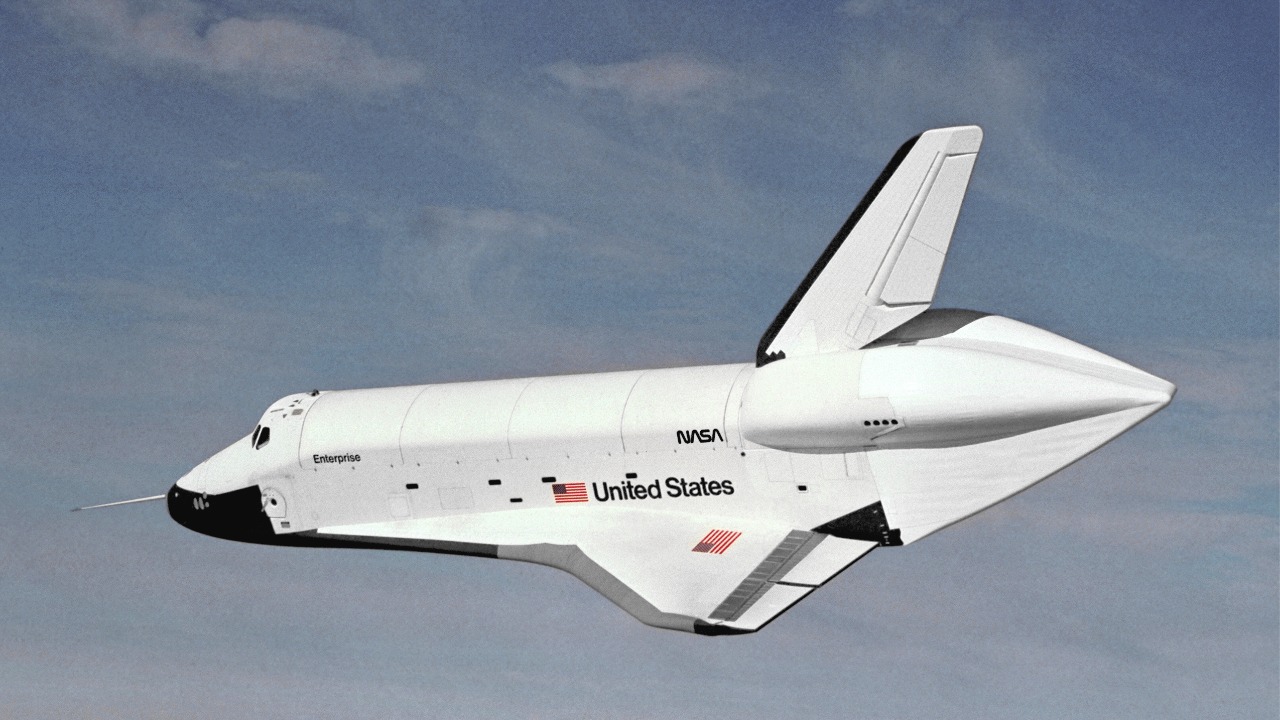
The Space Shuttle was a revolutionary spacecraft that operated from 1981 to 2011. Unlike traditional expendable launch vehicles, the Shuttle was reusable, designed to carry astronauts and payloads to low Earth orbit and back. Its ability to deploy satellites, service the Hubble Space Telescope, and assemble the International Space Station (ISS) underscored its versatility.
With 135 missions, the Space Shuttle program was instrumental in advancing human spaceflight capabilities. Despite its risks and challenges, it provided invaluable experience in spacecraft design and operations, paving the way for future reusable launch systems.
Falcon 9
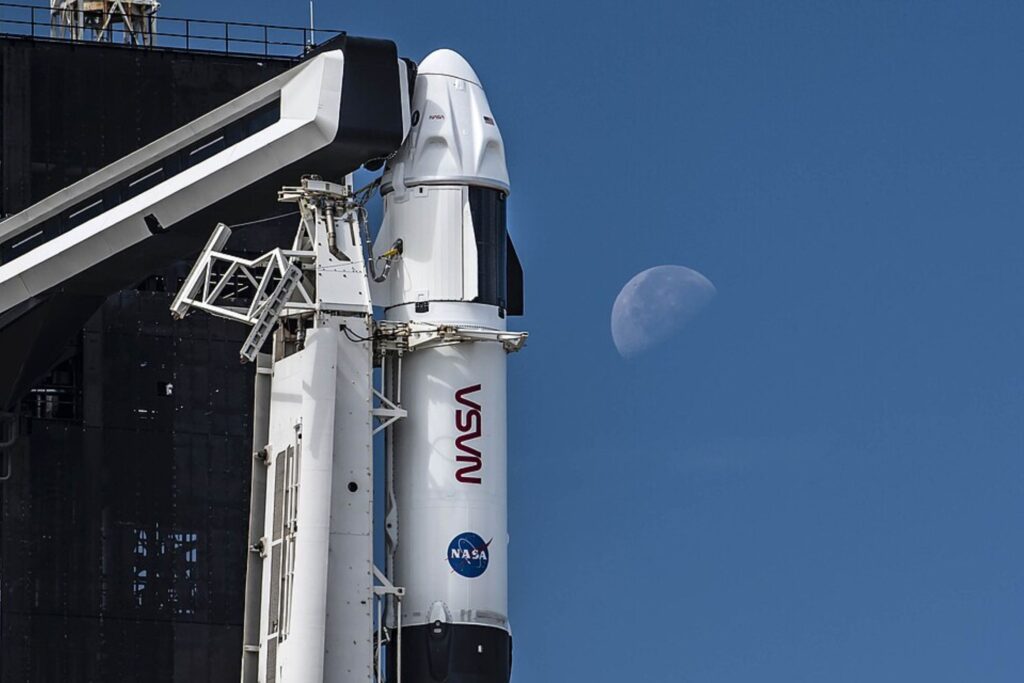
SpaceX’s Falcon 9 has redefined the commercial space launch industry with its focus on reusability and cost-effectiveness. First launched in 2010, Falcon 9 is known for its first stage booster landings, which have significantly reduced launch costs. This innovation has made space more accessible for a range of missions, from satellite deployment to cargo resupply missions for the ISS.
Falcon 9’s success has positioned SpaceX as a leader in the space industry, driving competition and innovation. Its capability to launch crewed missions, as seen with the Crew Dragon, marks a new era of commercial human spaceflight.
Soyuz
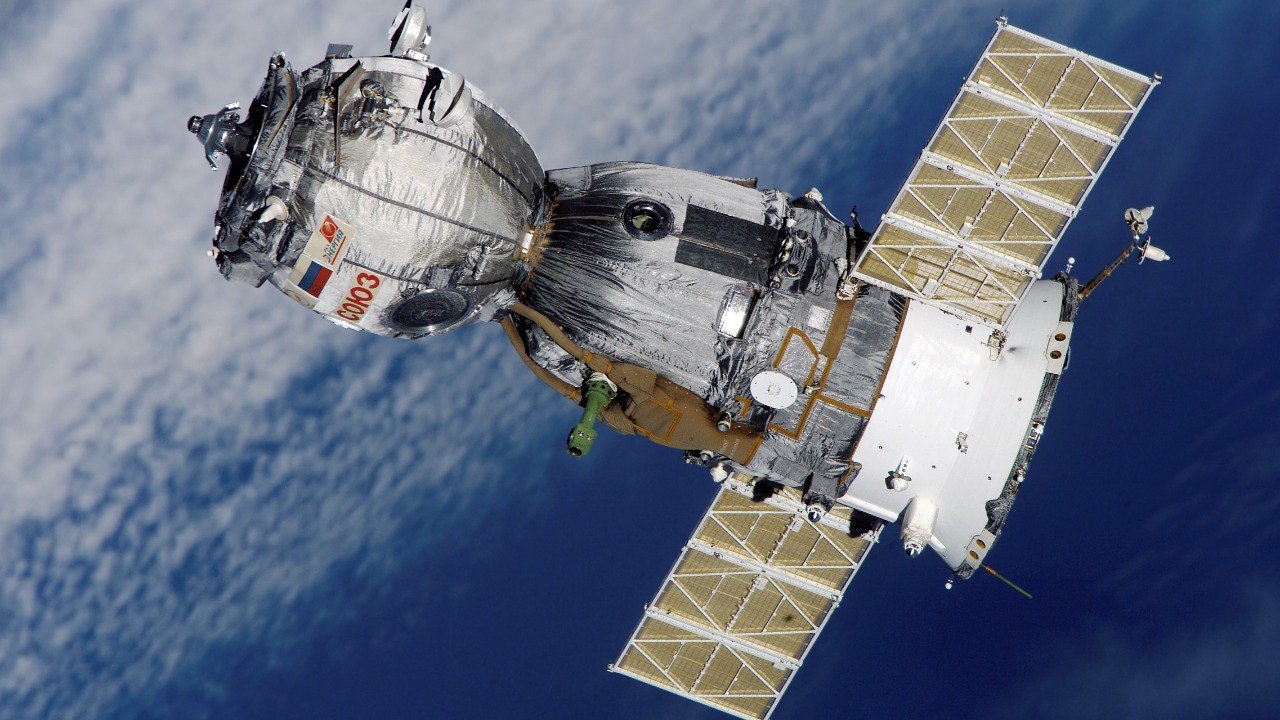
The Soyuz family of rockets is among the most reliable and enduring launch systems in the world. Originating from the Soviet Union’s space program in the 1960s, Soyuz has been pivotal in sending cosmonauts and astronauts to space, particularly to the ISS. Its robust design and reliability have made it a workhorse for international space missions.
Soyuz’s adaptability for crewed and uncrewed missions has ensured its continued use in modern space exploration. With over 1,700 launches, it remains a cornerstone of Russian space capabilities and an essential partner in international cooperative missions.
Ariane 5
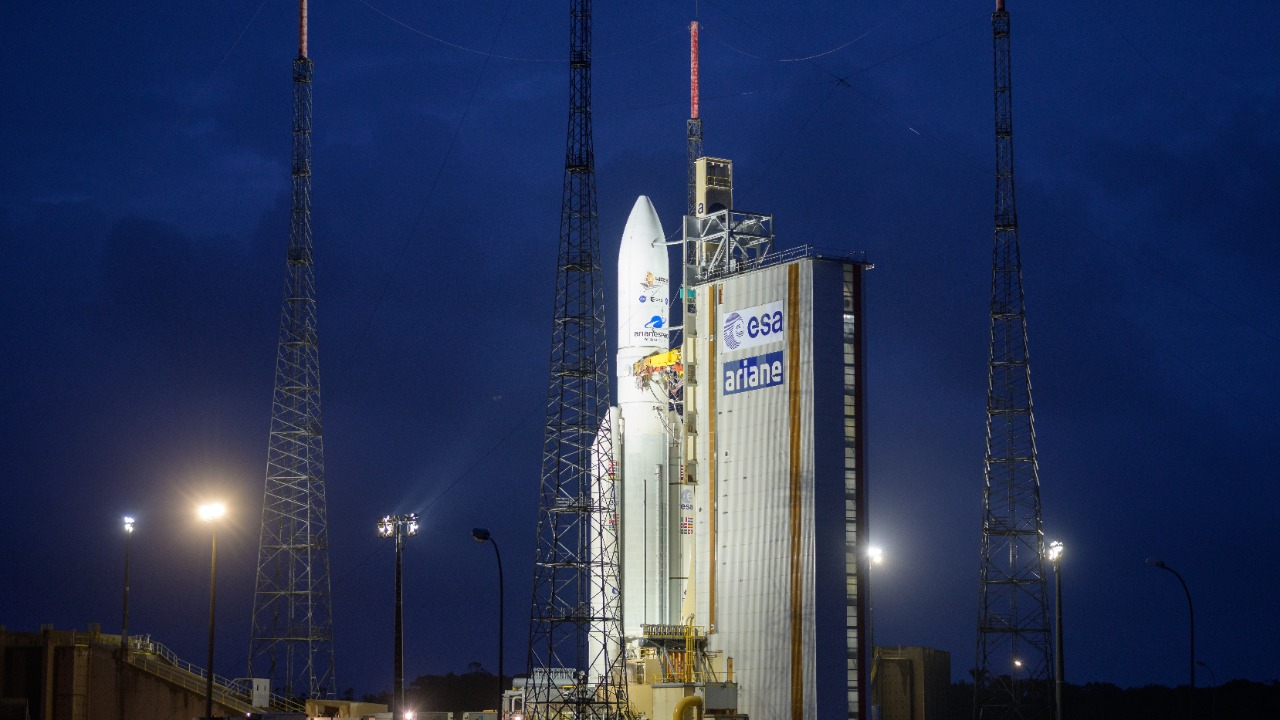
The European Ariane 5 rocket has been a backbone of commercial satellite launches since its debut in 1996. Developed by the European Space Agency (ESA) and Arianespace, it has successfully launched a variety of payloads to geostationary transfer orbit, including telecommunications and scientific satellites.
Ariane 5’s reliability and capacity to carry dual payloads have made it a preferred choice for many international customers. Its role in launching the James Webb Space Telescope in 2021 highlights its critical contribution to scientific discovery and exploration.
Atlas V
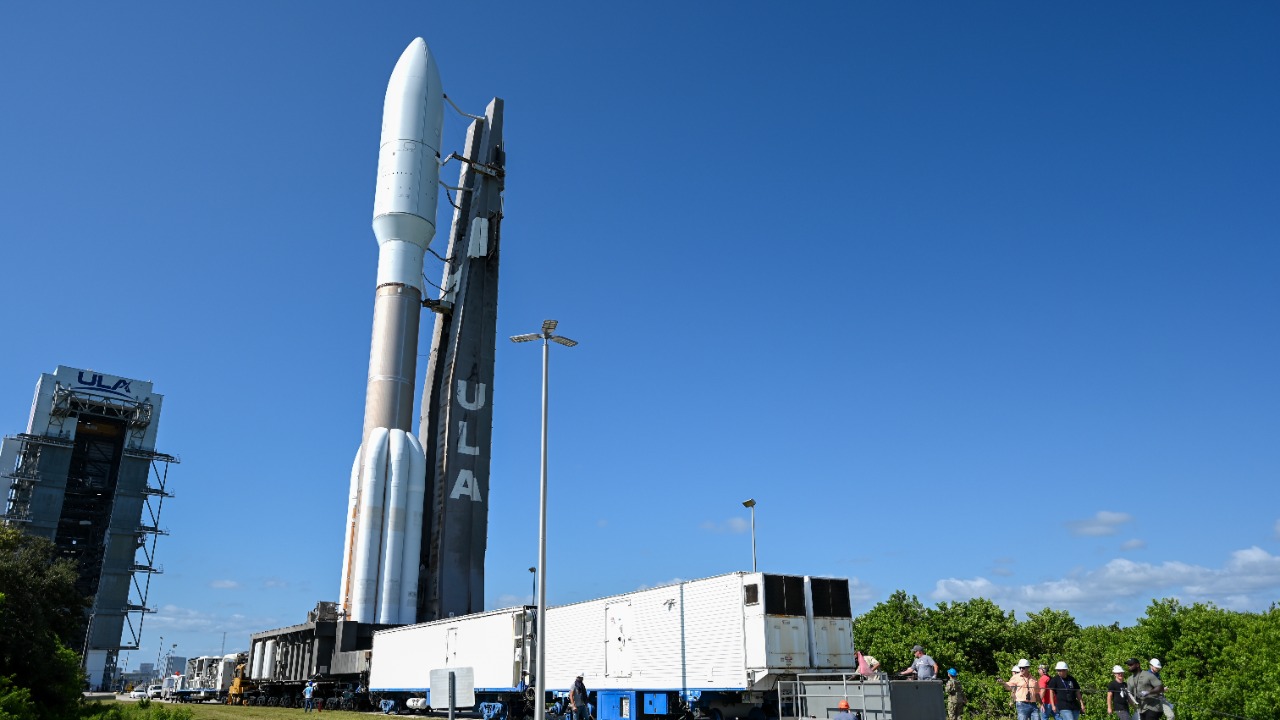
Operated by United Launch Alliance (ULA), the Atlas V rocket has been a key player in U.S. space missions since its first flight in 2002. Known for its flexibility, the Atlas V can be configured with varying numbers of solid rocket boosters to accommodate different missions. It has launched a wide array of payloads, from national security satellites to interplanetary probes like the Mars Rover missions.
Atlas V’s success is attributed to its consistent performance and ability to meet the demands of complex missions. Its proven track record ensures its continued use in both government and commercial launches.
Delta IV Heavy
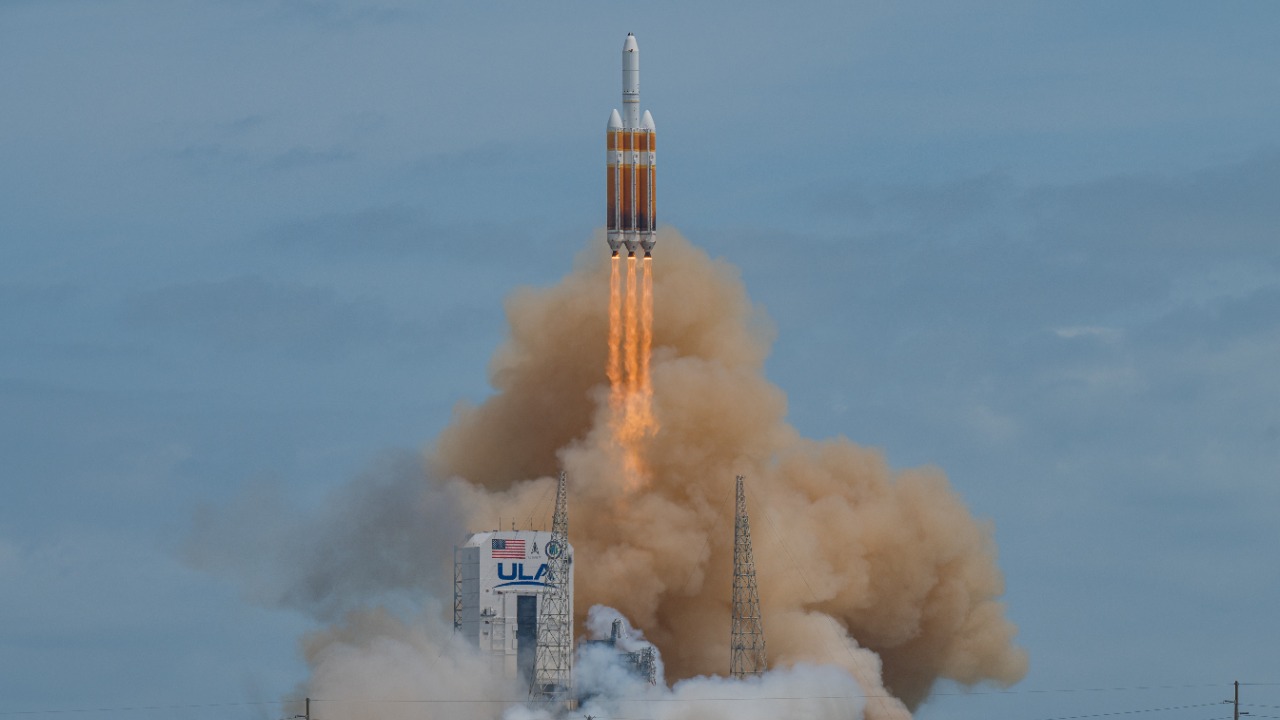
The Delta IV Heavy is a heavyweight in the realm of launch vehicles, known for its ability to carry the heaviest payloads to orbit. Since its introduction by ULA in 2004, it has been used for critical national security missions and scientific endeavors. Its triple-core design allows it to lift payloads exceeding 28,000 kg to low Earth orbit.
Delta IV Heavy’s capability was showcased in missions such as the launch of the Parker Solar Probe, which aims to study the Sun’s outer atmosphere. Its capacity for high-energy missions makes it a crucial asset for the most demanding space endeavors.
Long March 3B
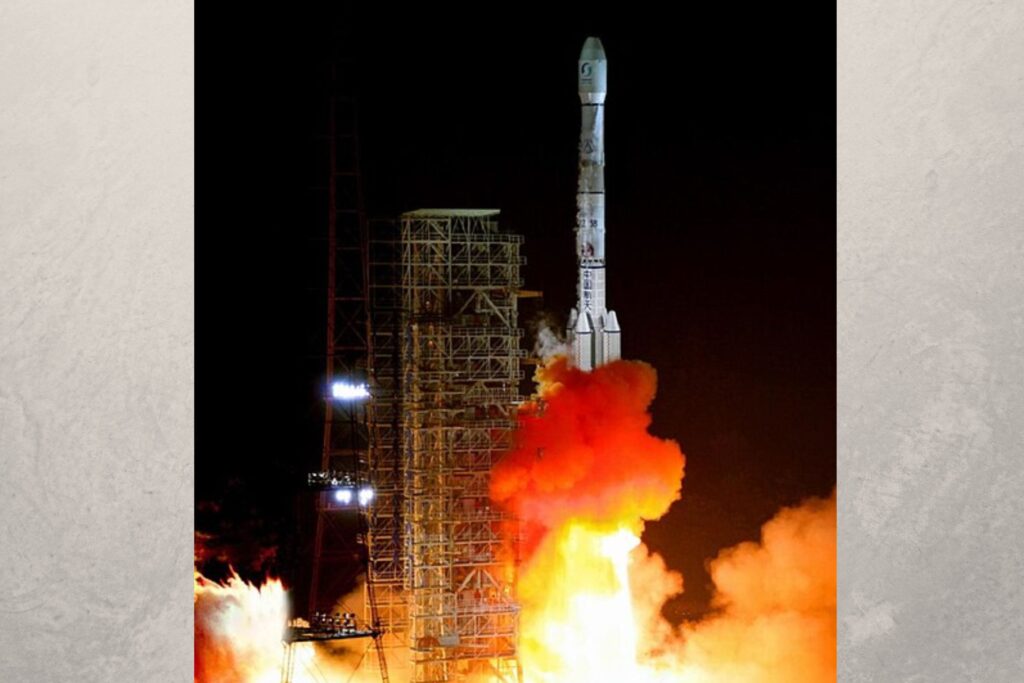
The Long March 3B is a key component of China’s ambitious space program. Operational since 1996, it is part of the Long March family and has been used extensively for launching satellites into geostationary orbit. The rocket’s versatility and power have supported China’s growing presence in both commercial and scientific space sectors.
Notably, Long March 3B has been instrumental in deploying the BeiDou navigation satellites, enhancing China’s global positioning system. Its continuous development and success underpin China’s strategic objectives in space exploration and technology.
H-IIA
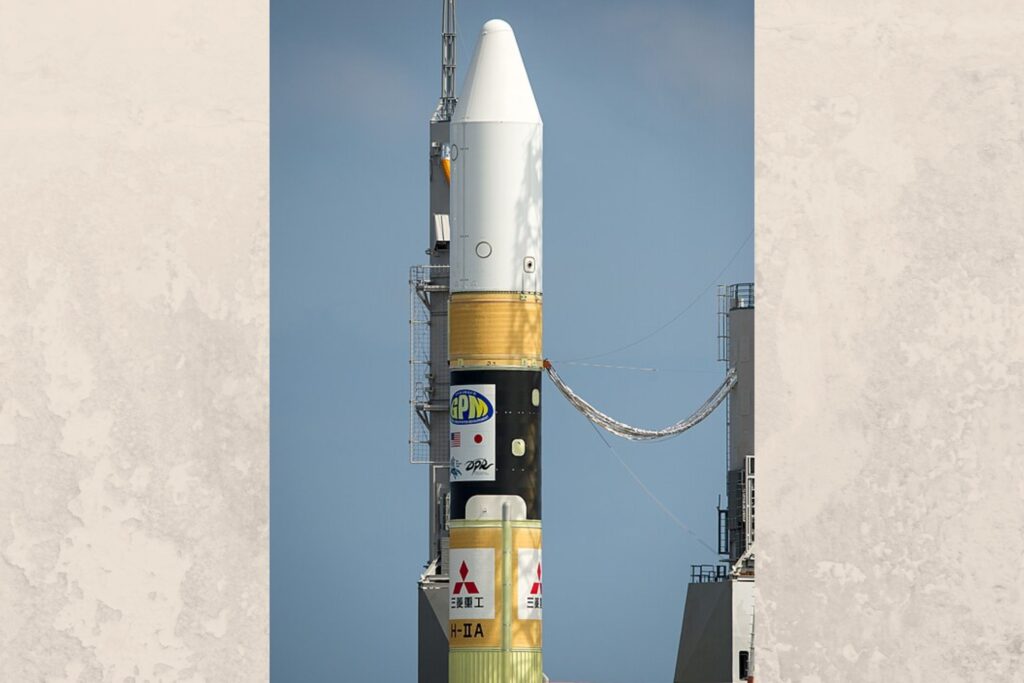
Japan’s H-IIA rocket, developed by Mitsubishi Heavy Industries for the Japan Aerospace Exploration Agency (JAXA), has been a reliable launcher since 2001. Known for its precision and reliability, H-IIA has been used for launching satellites, space probes, and other payloads for both domestic and international clients.
The rocket’s achievements include deploying the Kaguya spacecraft to the Moon and the Akatsuki probe to Venus. H-IIA’s role in advancing Japan’s space capabilities underscores its importance in the global space launch market.
Electron
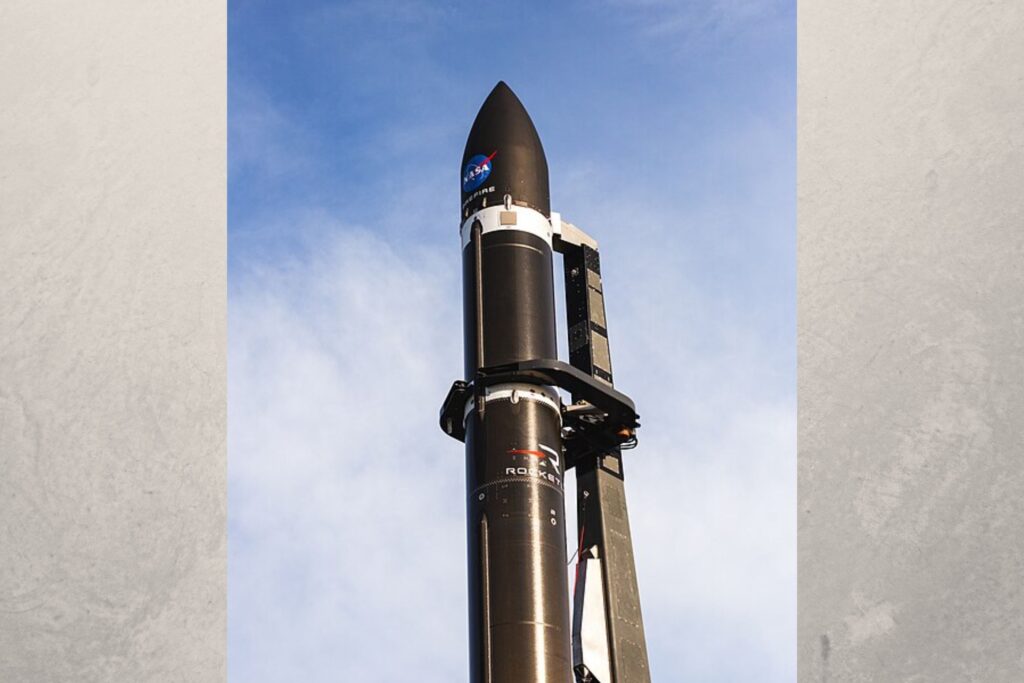
Electron, developed by Rocket Lab, represents a significant advancement in small satellite launch capabilities. Since its first successful flight in 2018, Electron has been dedicated to launching small payloads into low Earth orbit, catering to the burgeoning small satellite market.
Its innovative design, including 3D-printed engines and a focus on rapid production, has set new standards for efficiency in space launches. Electron’s role in enabling frequent, cost-effective access to space highlights its contribution to the evolving landscape of space exploration and technology.