
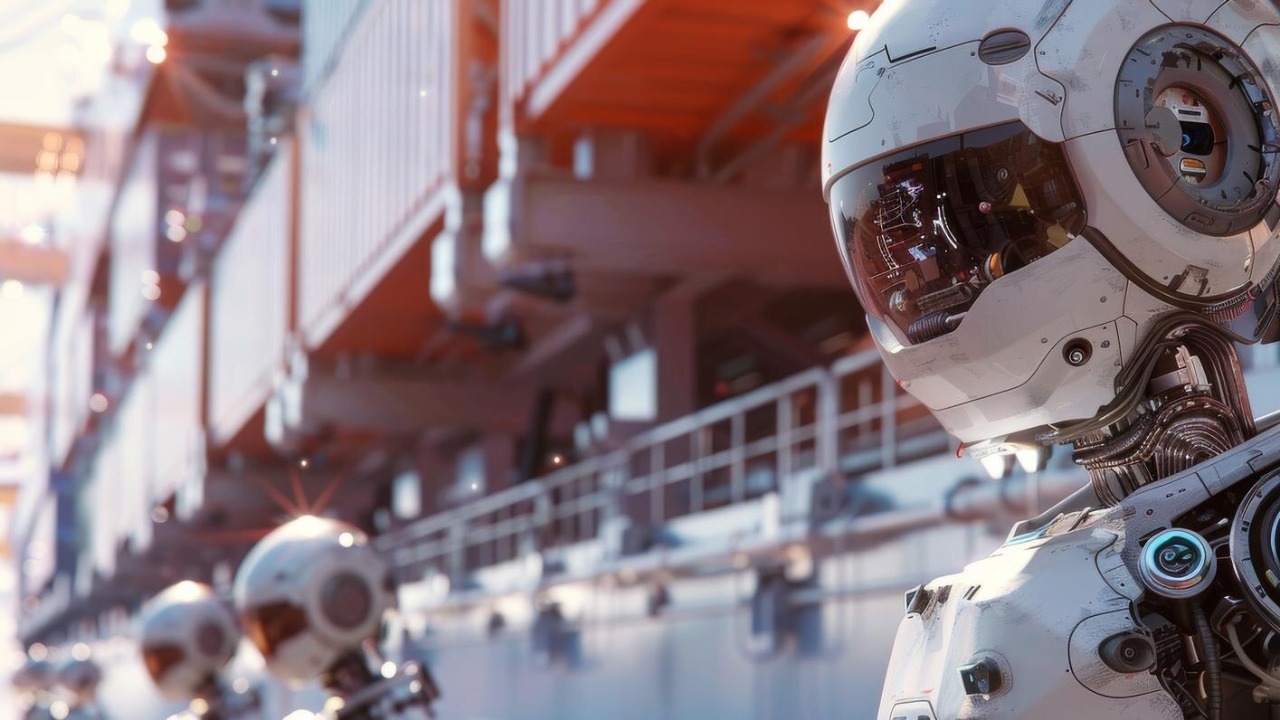
The US shipbuilding industry is on the brink of a technological revolution as a major shipyard initiates trials of AI systems designed to automate the construction of uncrewed vessels. This innovative approach aims to enhance efficiency, reduce costs, and maintain the nation’s competitive edge in maritime technology.
Background on AI in Shipbuilding
Artificial intelligence has already transformed various sectors, from automotive manufacturing to logistics in transportation. In the automotive industry, for example, AI-driven robots have been extensively used in assembly lines by companies like Tesla and Ford, drastically reducing production times and enhancing precision. Similarly, AI in logistics has optimized routes for delivery trucks, as seen with UPS’s ORION system, which saved the company millions annually. Despite these advancements, the shipbuilding industry has historically lagged behind in adopting such technologies, often hindered by the sheer scale and complexity of ships as well as the traditional reliance on skilled manual labor.
The introduction of AI into shipbuilding promises to revolutionize the industry by streamlining processes, reducing human error, and cutting down on the time required to build complex vessels. AI could potentially address several long-standing challenges, such as the need for precise welding and assembly of large components, by automating these tasks. Moreover, as the industry grapples with a declining skilled workforce, AI offers a viable solution to fill the gaps, allowing existing workers to focus on more strategic roles that require human insight and decision-making.
The Role of AI in Uncrewed Ship Production
The AI systems being tested at the shipyard encompass a variety of technologies, including machine learning algorithms, robotic arms, and advanced computer vision systems. These technologies are designed to work collaboratively, automating tasks ranging from welding and painting to quality inspections. For instance, robotic arms equipped with sensors can perform precise welding operations that are traditionally labor-intensive, while computer vision systems ensure that the components are aligned to exact specifications. This integration of AI in ship production is expected to reduce human error and significantly cut down on the time required to build uncrewed vessels.
In comparison to traditional shipbuilding methods, which rely heavily on skilled craftsmen, AI-driven processes can operate continuously without fatigue, leading to higher productivity levels. Traditional methods are also more prone to human error, which can result in costly rework or delays. With AI, the consistency and precision of automated systems could minimize such setbacks, thereby ensuring that projects are completed on time and within budget. Moreover, AI can analyze vast amounts of data in real time, enabling predictive maintenance and reducing downtime due to unforeseen equipment failures.
Implementation Challenges and Solutions
One of the primary challenges in implementing AI in shipbuilding is the integration of these advanced technologies with existing shipyard infrastructure. Many shipyards operate with legacy systems that are not inherently compatible with modern AI technologies. To address this, pilot programs are often required, which allow for testing and refinement of AI systems in a controlled environment. Additionally, there is a need for significant investment in upgrading facilities and training personnel to operate and maintain these new systems effectively.
Resistance from the workforce is another hurdle, as automation can be perceived as a threat to jobs. To mitigate this, shipyards are focusing on retraining and upskilling their workforce, emphasizing the role of AI in augmenting human capabilities rather than replacing them. By providing educational programs and workshops, workers can transition to roles that require oversight of AI systems or involve strategic decision-making. Furthermore, regulatory and safety concerns must be addressed, as the deployment of AI systems in shipbuilding involves adherence to strict maritime safety standards. Collaboration with regulatory bodies ensures that AI implementations meet all legal and safety requirements.
Case Study: The Pilot Yard
The shipyard conducting these AI trials is a prominent facility known for its innovation and forward-thinking approach. Located on the East Coast, this yard has been at the forefront of maritime technology developments, making it an ideal candidate for testing AI applications. The trial program here focuses on automating the construction of small to medium-sized uncrewed vessels, catering to defense and commercial sectors.
Specific objectives of the trial include reducing the construction time of uncrewed vessels by up to 30% and decreasing labor costs by 20%. Initial feedback from the trial phase has been promising, with AI systems successfully performing tasks such as automated welding and quality control inspections. These early successes have garnered positive feedback from management and workers alike, with many acknowledging the potential for AI to revolutionize shipbuilding processes.
Future Implications for the Maritime Industry
Looking ahead, the long-term prospects for AI-driven shipbuilding are substantial. As AI technologies continue to evolve, their integration into shipbuilding could become a global standard, reshaping the competitive landscape of the maritime industry. Countries investing in AI for shipbuilding could gain a significant advantage, reducing construction times and costs while enhancing the capabilities of their naval and commercial fleets.
The economic impacts of widespread AI adoption in shipbuilding are profound. By reducing reliance on manual labor, shipyards can operate more efficiently, leading to lower production costs and increased output. This efficiency could translate into competitive pricing, allowing shipbuilders to capture larger shares of the global market. However, the shift also poses challenges, particularly for the workforce. As AI takes over routine tasks, workers will need to adapt to new roles, emphasizing the importance of continuous learning and skill development.