
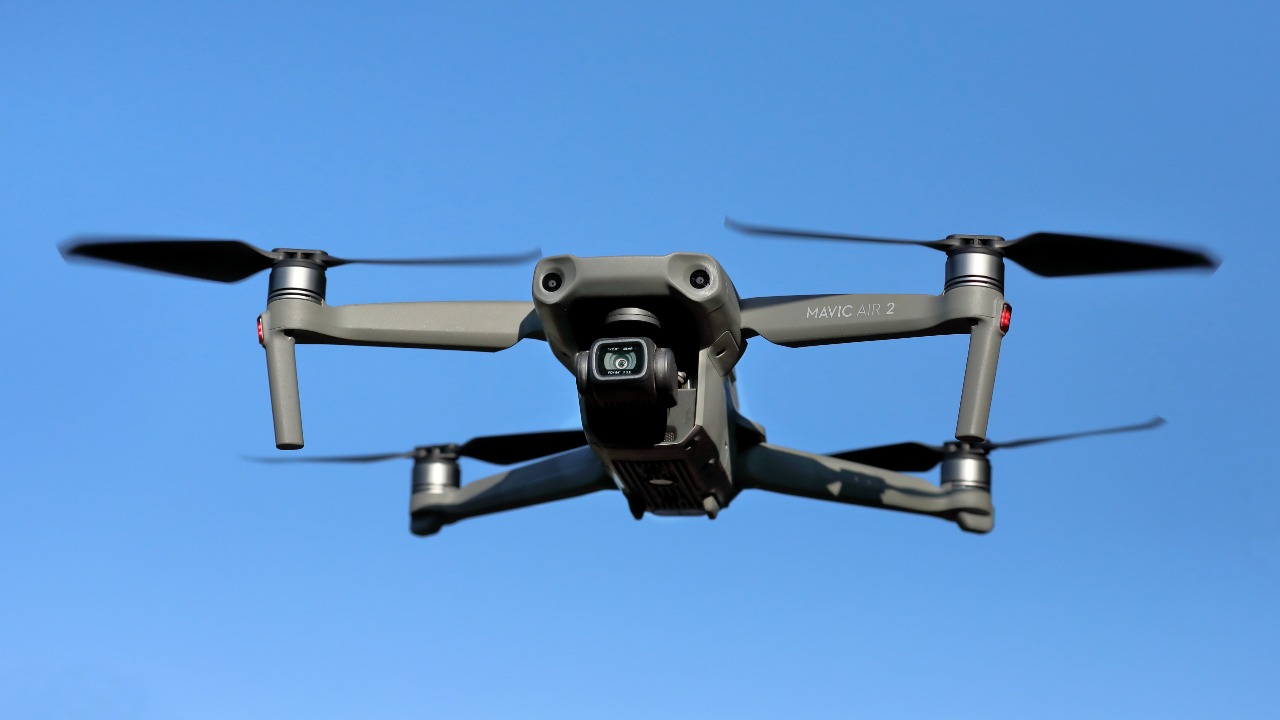
The United States has moved from incremental restrictions on Chinese drones to a sweeping prohibition that effectively locks DJI out of the American market. The full ban on new DJI aircraft and key accessories is already rippling through public safety agencies, creative industries, and hobbyist communities that built their workflows around the company’s products.
What began as a national security debate over data flows and supply chains has now turned into a stress test for the entire drone ecosystem. I see an industry scrambling to replace a dominant supplier while regulators, lawmakers, and pilots argue over whether the cure is worse than the disease.
From blacklists to a full stop on DJI
The crackdown on DJI did not arrive overnight. U.S. officials had already placed the company on export control lists and labeled it a security concern for federal agencies, which made it harder for DJI to receive American technology and blocked federal procurement of its aircraft. According to a detailed timeline, the Department of Defense and other parts of the government steadily tightened rules on Chinese-made uncrewed aircraft systems, treating DJI as the core example of what they wanted to keep out of sensitive operations.
By early 2024, that same timeline notes that DJI’s dominance in the consumer and enterprise market had become a political liability, with lawmakers framing the company as a “monopoly” and pointing to a “cheaper cousin” effect that undercut domestic rivals. A separate guide on the evolving rules stressed that, even as the rhetoric escalated, DJI was still allowed to operate in the United States and existing models remained legal to sell and import. The new move breaks with that incremental approach, shifting from targeted procurement limits and export controls to a market-wide barrier that stops the next generation of DJI drones at the border.
FCC rules turn into a de facto market ban
The decisive shift came when the Federal Communications Commission used its authority over radio equipment to choke off future foreign-made drones. In late 2025, the FCC announced that it would no longer authorize new models from companies like DJI and Autel, and it barred the use of federal grants and contracts to buy those products for state and local agencies. One summary of the decision notes that the ban on federal funding covers not only drones but also cameras and other gear from the same manufacturers, which hits government and professional customers that had standardized on DJI platforms.
Another analysis of the foreign drone rules underscores how central DJI is to the American skies. Chinese-made drones have dominated the U.S. market for years, and more than half of those aircraft come from DJI, which is described as the world’s largest drone manufacturer. By cutting off new FCC equipment authorizations, regulators have made it impossible for U.S. consumers to buy the next wave of DJI products, even if older models technically remain legal to fly. In practice, that is the full ban the headline suggests: without approvals for new radios, DJI cannot refresh its lineup, retailers cannot stock future models, and agencies cannot use federal money to keep buying what they already know.
Confusing carve-outs and a shrinking path for DJI
Even as the government talks about sweeping action, the rule set is riddled with carve-outs that make the situation confusing for pilots and buyers. A late December list of “approved” DJI drones, Pocket Series devices, and Action cameras framed the policy as a “DJI USA Ban Update” and tried to spell out which existing models could still be sold in the United States. That list made clear that the ban is forward-looking, focused on blocking new authorizations rather than yanking every DJI product off shelves overnight.
On the regulatory side, the FCC has already had to clarify and partially adjust its stance. A covered list for DJI drones in 2026 warns buyers that everything from consumer quadcopters to enterprise platforms could be affected, and it urges professionals who rely on DJI for daily work to think carefully before investing in more hardware. Yet a separate update on the FCC’s actions notes that the commission later exempted some foreign drones and components that appear on a Pentagon “cleared” list, although that relief did not extend to DJI. Another report on how The US is handling the ban adds that certain imported drones and accessories are now allowed through the end of 2026, based on information attributed to Reuters, but again, DJI is singled out as excluded from the reprieve.
Public safety, creatives, and hobbyists face a hard reset
The most immediate disruption is landing on the people who actually fly these machines. Police departments, firefighters, and search and rescue teams across the country have come to rely on DJI aircraft for everything from missing person searches to hazardous materials incidents. A Facebook post that describes how Chinese-made drones have “dominated the skies” in the United States notes that private owners, police departments, and firefighters have deployed them nationwide, and that more than half of those aircraft come from DJI. With the new rules, agencies that built entire programs around DJI now face a choice between stretching aging fleets, scrambling for waivers, or paying more for less familiar alternatives.
Creative professionals are in a similar bind. Cinematographers, real estate photographers, and independent creators have leaned on DJI drones and handheld cameras to deliver stabilized aerial and ground footage on tight budgets. A statement from DJI responding to the ban thanks its U.S. customers and promises to keep supporting them, but it also acknowledges that the new rules will make it harder to buy and service its drones in the United States. Another detailed explanation of the situation warns drone pilots that the policy environment is shifting quickly and that they should follow the developments closely, especially if their livelihoods depend on DJI hardware.
Security arguments, industry politics, and what comes next
Behind the technical language of FCC authorizations and covered lists is a blunt political argument about security and industrial policy. U.S. officials have repeatedly raised concerns that Chinese-made drones could expose sensitive data or be manipulated through software and hardware backdoors, and they have cited those risks in pushing for a shift away from DJI. The background on the ban notes that lawmakers framed the issue not only as a security threat but also as a problem of market concentration, with DJI’s low prices and broad lineup making it difficult for domestic manufacturers to compete.
At the same time, the way the ban has been implemented suggests regulators are still feeling their way through the consequences. One account of the government’s follow-through on the DJI restrictions describes how “Things” went from bad to worse for the hobby-grade drone industry once the latest rules took effect, especially after they were tied to broader defense legislation. Another regulatory update notes that the FCC later exempted some drones and accessories from the import ban until the end of 2026, based on Reuters reporting, which underscores how quickly the policy is evolving. For now, DJI remains on the outside of those carve-outs, and I see U.S. pilots, agencies, and manufacturers entering a volatile period in which the world’s most popular drone brand is effectively frozen out of their future plans, even as the rules that created that outcome continue to shift.