
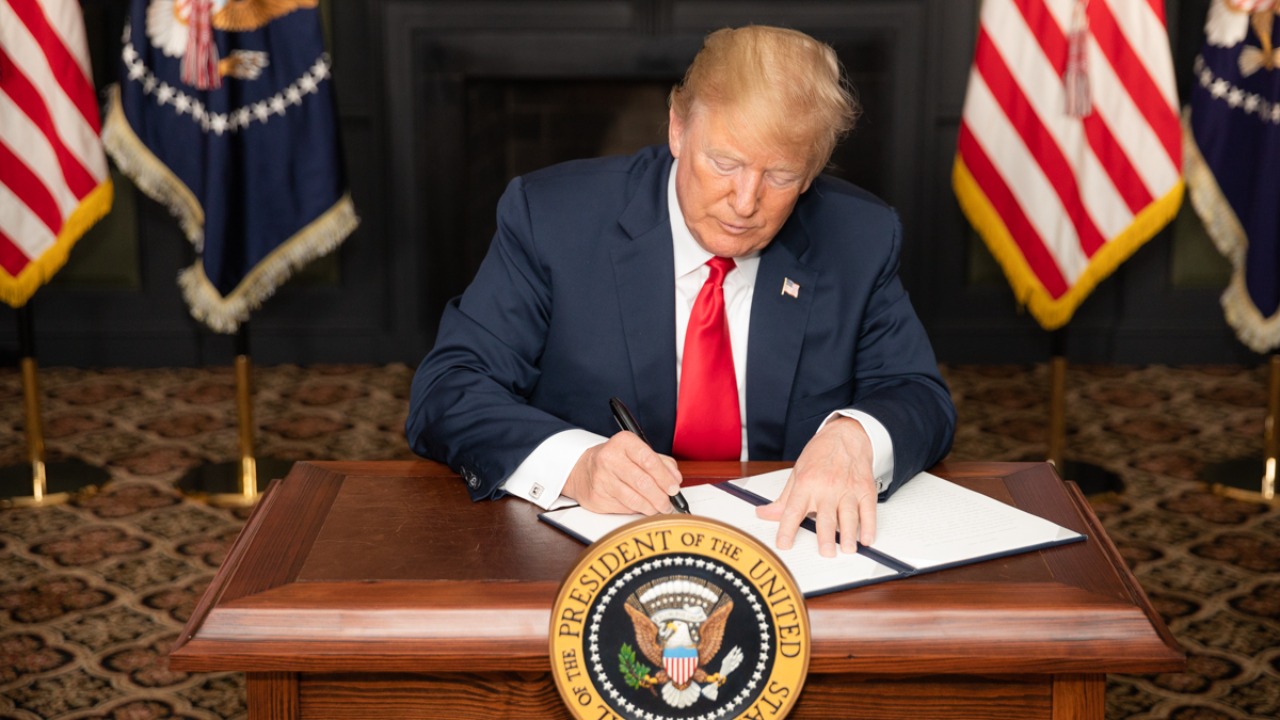
In the aftermath of recent nuclear talks with Iran, former President Donald Trump has signaled the possibility of using force as a response to Iran’s nuclear ambitions. Trump’s statements have sparked discussions about the implications for international relations, the current geopolitical climate, and the potential consequences of such a course of action.
Trump’s Recent Statements
Former President Donald Trump recently made headlines with his comments suggesting a willingness to consider military action against Iran if diplomatic negotiations fail. His remarks were made during a rally where he emphasized the need to address what he perceives as a growing nuclear threat from Iran. The language Trump used was assertive, indicating his belief that a strong stance may be necessary to ensure national and global security.
The rhetoric employed by Trump seems designed to appeal to both domestic audiences, who may be concerned about national security, and international observers, who are closely monitoring U.S. foreign policy shifts. This aligns with Trump’s historical approach to Iran, which during his presidency included withdrawing from the Joint Comprehensive Plan of Action (JCPOA) and implementing a “maximum pressure” campaign through sanctions. Trump’s past actions and statements suggest a consistent view of Iran as a significant threat that requires robust countermeasures.
The Status of Nuclear Talks with Iran
The recent nuclear talks with Iran have been a focal point of international diplomacy, aiming to revive the JCPOA and address concerns over Iran’s nuclear program. Despite extensive negotiations, the talks have yet to produce a comprehensive agreement, leading to frustration among the involved parties. The United States, along with European allies, has been pushing for stricter limitations on Iran’s nuclear activities, while Iran demands the lifting of economic sanctions.
Key players in these negotiations include the United States, the United Kingdom, France, Germany, Russia, and China, collectively known as the P5+1. Each has its own strategic interests and concerns, which complicate the path to a unanimous agreement. The primary challenges in these talks stem from differences over the scope and verification of Iran’s nuclear program and the sequence of sanctions relief. As these negotiations continue, the threat of military action remains a contentious backdrop, with potential repercussions for regional and global stability.
Potential Military Strategies and Implications
If diplomatic efforts falter, the consideration of military strategies against Iran could come to the forefront. Potential strategies might include targeted airstrikes on nuclear facilities, cyber operations to disrupt nuclear development, or broader military interventions. Each option carries its own set of risks and logistical challenges, requiring careful planning and international coordination.
The role of the U.S. military and its allies would be crucial in executing any military strategy. The U.S. Central Command, responsible for military operations in the Middle East, would likely play a leading role in any proposed action. Allies such as Israel, which has historically taken a hardline stance against Iran’s nuclear program, may also be involved in planning and execution. However, any military action could destabilize the region further, potentially igniting broader conflicts and affecting global security. The implications of such strategies must be weighed against the potential for diplomatic resolutions and their long-term impact on peace and stability.
International Reactions and Diplomatic Responses
The prospect of military action against Iran has elicited varied reactions from the international community. The European Union has consistently advocated for a diplomatic resolution, emphasizing the importance of dialogue and negotiation. Russia and China, both parties to the JCPOA, have also expressed concerns about escalating tensions and have called for restraint in military rhetoric.
Diplomatic channels continue to play a vital role in managing these tensions, with efforts focused on de-escalating the situation and finding a peaceful resolution. The United Nations and other international organizations are likely to increase their involvement to facilitate dialogue and prevent conflict. The potential impact on global diplomatic relations and alliances is significant, as countries navigate the complex dynamics of supporting or opposing military action. The responses of key players will shape not only the future of U.S.-Iran relations but also broader international alliances and geopolitical strategies.
Historical Context and Future Outlook
The history of U.S. military interventions in the Middle East provides a context for understanding the current situation with Iran. Past actions, such as the 2003 invasion of Iraq, have left lasting impacts on regional geopolitics and continue to influence contemporary strategic decisions. The lessons learned from these interventions underscore the complexity and potential unintended consequences of military actions in the region.
As the situation with Iran unfolds, experts and analysts offer varying predictions for the future of U.S.-Iran relations. Some predict a continued standoff, with periodic escalations and diplomatic efforts interspersed. Others suggest that a resolution may eventually be reached through sustained dialogue and negotiation, particularly if economic pressures or internal dynamics within Iran shift. Ultimately, the path forward will depend on the interplay of diplomatic efforts, military considerations, and the evolving geopolitical landscape in the Middle East.