
Texas deer hunters pride themselves on tradition, yet the rules shaping that tradition are shifting in ways that are easy to miss until a warden checks a tag or a neighbor fills the last legal slot. The calendar has not just crept earlier and later, it has splintered into zones, special windows, and bag limits that quietly change how, when, and even what kind of deer can be taken. Those who keep hunting by habit instead of by regulation risk finding out too late that the season they thought they knew no longer exists.
The most consequential changes are not dramatic statewide bans or sweeping closures, but subtle adjustments in dates, late seasons, and county specific limits that reward hunters who read the fine print. The shift is toward a longer, more flexible framework that still tightens control on which animals can be harvested, especially as the season winds down and managers try to balance opportunity with herd health.
The calendar looks longer, but it is sliced into zones and caveats
On paper, Texas whitetail hunters have more days than ever to be in the field, but those days are carved up by geography and weapon type in ways that can trip up anyone who assumes the old “first weekend in November to early January” rule still applies. The state divides White, Deer, General seasons into a North Zone and South Zone, and the dates are not identical, even though both start in early November. Current regulations list White, Deer, General, North Zone, South Zone and Spe seasons with specific open and close dates, and one South Zone listing even shows an apparent typo of “January 198, 2026,” a reminder that relying on memory or hearsay instead of checking the official table is a risky way to plan a hunt.
Those zone lines are not just bureaucratic details, they are practical boundaries that can add or subtract days from a hunter’s year. Landowners and lease managers who operate near these borders are already treating them as strategic assets, since properties that fall on the side with a slightly longer window can offer more hunts and more flexibility. Guidance for private land notes that Nov season openings and zone boundaries can make certain tracts particularly valuable, and Smart landowners pay attention to where those lines fall before they market a lease or schedule guests. For hunters who bounce between counties, failing to track which side of a zone they are on can mean hunting legally in the morning and unintentionally breaking the law that same afternoon.
“Late season” no longer means what many hunters think
For generations, late season in Texas meant the final week or two of the general gun season, when rut activity tapered and bucks grew wary. Today, the phrase has a formal regulatory meaning that is easy to overlook. In many counties, a Special Late Season kicks in after the general season closes, and it does not simply extend business as usual. Instead, harvest is restricted to antlerless and unbranched antlered deer, defined as a buck with at least one unbranched antler, which sharply limits what a hunter can legally shoot once that window opens.
The scale of that shift is significant. Earlier regulatory announcements described how, during the special late white tailed deer season in 106 counties in the North Zone and 30 in the South Zone, harvest was confined to those antlerless and unbranched antlered animals. That structure has carried forward into current rules, which instruct hunters in counties with a Special Late Season to check their county for detailed regulations and reiterate that only antlerless and unbranched antlered deer are legal during that period. The result is a late season that looks generous on the calendar but is tightly focused on specific segments of the herd, a design that supports population management but punishes anyone who assumes a mature, branched buck is still fair game in January.
Bag limits and antler rules quietly tighten the screws
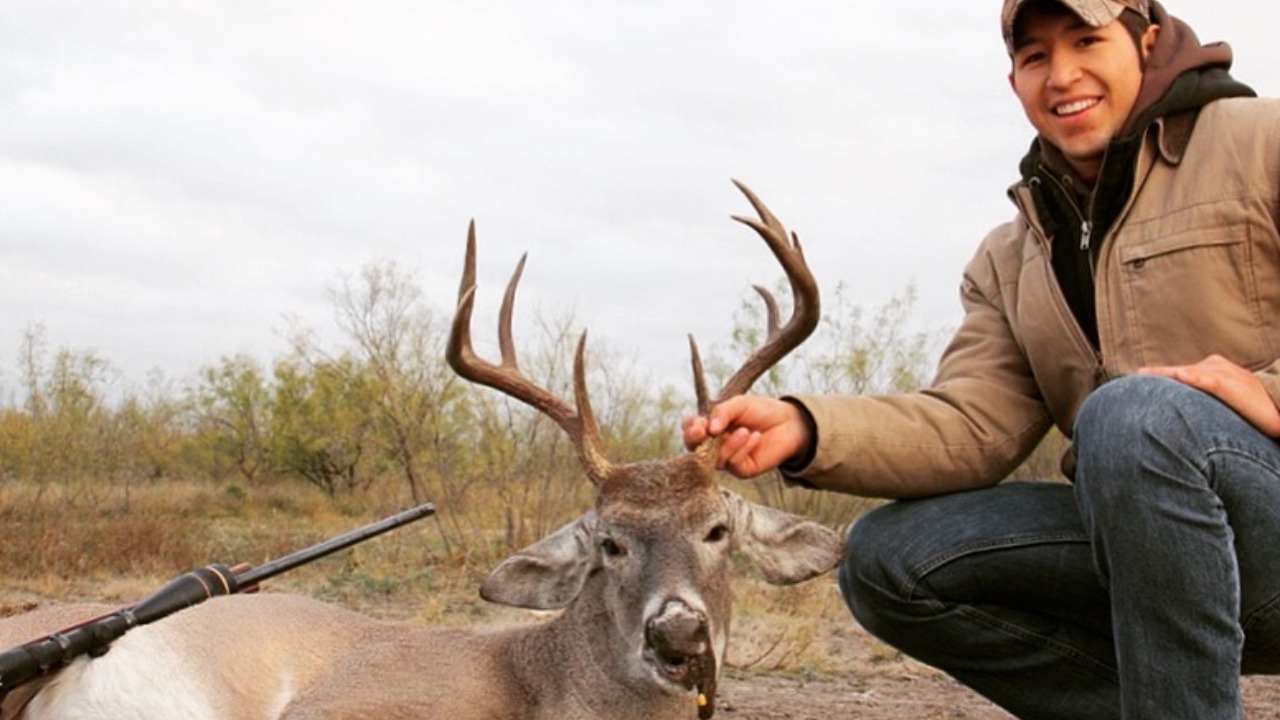
Even when dates and zones line up, the number and type of deer a hunter can tag has become more constrained, especially in counties with high pressure or trophy potential. Statewide guidance for White tailed Deer sets a Bag Limit 4 deer, no more than 2 bucks, and no more than 2 antlerless, all seasons combined. That cap applies across archery, general, and special late seasons, which means a hunter who fills two buck tags early in the rut is done with antlered deer for the year, no matter how many days remain on the calendar.
Layered on top of that are Antler Restrict rules that govern what counts as a legal buck in many counties. While the exact measurements vary by county, the concept is consistent: only bucks that meet a minimum antler spread or configuration can be taken, which protects younger males and pushes hunters to be more selective. County specific pages spell out how these antler restrictions interact with antlerless opportunities, including notes that in some places antlerless deer in November may be taken only with specific tags such as MLDP tags. The combined effect is a system where the headline number of “4 deer” masks a more complex reality, and hunters who do not track how each tag fits into the Bag Limit and Antler Restrict framework can find themselves unintentionally over the line.
County lines and special seasons turn local knowledge into a legal necessity
Texas has always been a patchwork of deer habitat, from brush country to piney woods, and the regulations now mirror that patchwork more closely than ever. The statewide Outdoor Annual organizes rules by county, and the White tailed Deer section repeatedly directs hunters to check their county for specific dates and limits. That county level granularity is not cosmetic. It determines whether a property has a Special Late Season, whether antlerless harvest is allowed on certain weekends, and how the Bag Limit interacts with local Antler Restrict rules.
Earlier regulatory releases about extended seasons highlighted how During the special late white tailed deer season, managers could fine tune harvest in 106 counties in the North Zone and 30 in the South Zone to address local herd conditions. That philosophy continues in the current county tables, where some counties enjoy extended antlerless opportunities while neighboring counties do not. For hunters who travel, or for families with leases in multiple regions, the old habit of “what is legal at camp is legal at home” no longer holds. Local knowledge is not just an advantage for finding deer, it is a legal requirement for knowing which deer can be taken on which day.
Why the quiet shift matters more with every season
The cumulative effect of these changes is a Texas deer season that looks familiar at a glance but behaves very differently once a hunter steps into the field. The calendar still centers on a fall to early winter window, yet the introduction of Special Late Season frameworks, zone specific White, Deer, General dates, and county level Bag Limit and Antler Restrict rules means that almost every decision, from which stand to hunt to which deer to shoot, now has a regulatory dimension. Hunters who treat the season as a single, uniform block of time risk misreading those signals and discovering too late that the deer in their sights is not legal on that particular day in that particular county.
For those willing to adapt, however, the same shifts create new opportunities. Extended late seasons in the North Zone and South Zone, carefully defined antlerless windows, and the ability to plan around Nov openings and zone boundaries give attentive hunters more chances to be in the woods while still supporting herd management goals. The key is accepting that tradition alone is no longer a reliable guide. In modern Texas, the real start and end of deer season live in the fine print of the Outdoor Annual, not in the stories passed around a campfire.