

New shooters are rarely blank slates. They arrive at the range carrying marketing promises, half-remembered movie scenes, and gear recommendations that often work against them. The most persistent problems are not obscure technical errors but patterns that are quietly sold as shortcuts, then reinforced by repetition instead of corrected by instruction.
The gap between what beginners are told to buy and what they actually need shows up in safety lapses, poor accuracy, and early burnout. Instructors who work with new shooters describe the same preventable mistakes repeating across classes, from skipping training to chasing gadgets, even as research on performance and decision making points to more effective ways to build skill.
Training skipped, then patched with gear
The first and most expensive mistake is treating equipment as a substitute for coaching. Commercial ranges and gun counters often steer new shooters toward a specific handgun or optic with the promise that it will “fix” recoil, accuracy, or confidence, while formal instruction is framed as optional. One training program describes “Not Seeking Professional Training” at the “Start” as a core problem for “New Shooters,” noting that it is far easier to build sound habits than to unlearn bad ones that have been repeated under stress. That same guidance stresses that shooting is a perishable skill, which means early sessions without feedback tend to harden poor grip, stance, and trigger control into muscle memory that is difficult to reverse.
Experienced coaches and competitive shooters repeatedly point out that fundamentals, not hardware, drive performance. A military trained marksman in one video on “3 shooting mistakes” explains that even with basic rifle irons, disciplined trigger press and follow through matter more than any accessory, and that simple corrections to body position and sight focus can improve “anyone’s shooting.” Another training breakdown on “Top 5 training mistakes” warns that many students invest heavily in “guns and gadgets,” then neglect structured practice, dry fire, and scenario work that would actually raise their hit rate. When instruction is skipped at the beginning, new shooters are effectively sold the idea that money can replace coaching, only to discover later that no amount of aftermarket parts will compensate for a flinch they never learned to diagnose.
Comfort and safety marketed as afterthoughts
New shooters are also encouraged to treat comfort and safety as accessories instead of foundations. Retail displays often spotlight firearms and ammunition while relegating eye and ear protection to a side wall, which subtly signals that protection is secondary. In contrast, one introductory guide for “new shooters” opens with “Safety First” and “First and foremost is always safety,” emphasizing that before any range trip, a newcomer should understand the basic rules, how the firearm operates, and what safe handling looks like. The same guidance urges people to “Get Comfortable” and “Find the” eye and ear protection that actually fits, arguing that physical comfort is not a luxury but a prerequisite for staying focused on the front sight and the target.
When comfort is ignored, beginners are more likely to rush shots, cut sessions short, or develop bad habits like hunching to escape muzzle blast. Instructors at one Nebraska training facility list “Common Mistakes Made” by new shooters, including failing to seek early coaching and underestimating how quickly skills degrade without practice. They frame safety and comfort as part of a long term plan, not a one time briefing, and tie them directly to confidence on the line. That perspective is echoed by range operators who warn that “Letting Your Attention Wander” is “One of the” most frequent errors for learners, especially when they are distracted by ill fitting gear or unclear about procedures. Treating hearing protection, clear instructions, and a calm pace as core equipment, rather than optional add ons, helps prevent both accidents and the quiet anxiety that leads many first timers to walk away after a single uncomfortable outing.
Misreading the problem: cognitive errors, not just bad aim
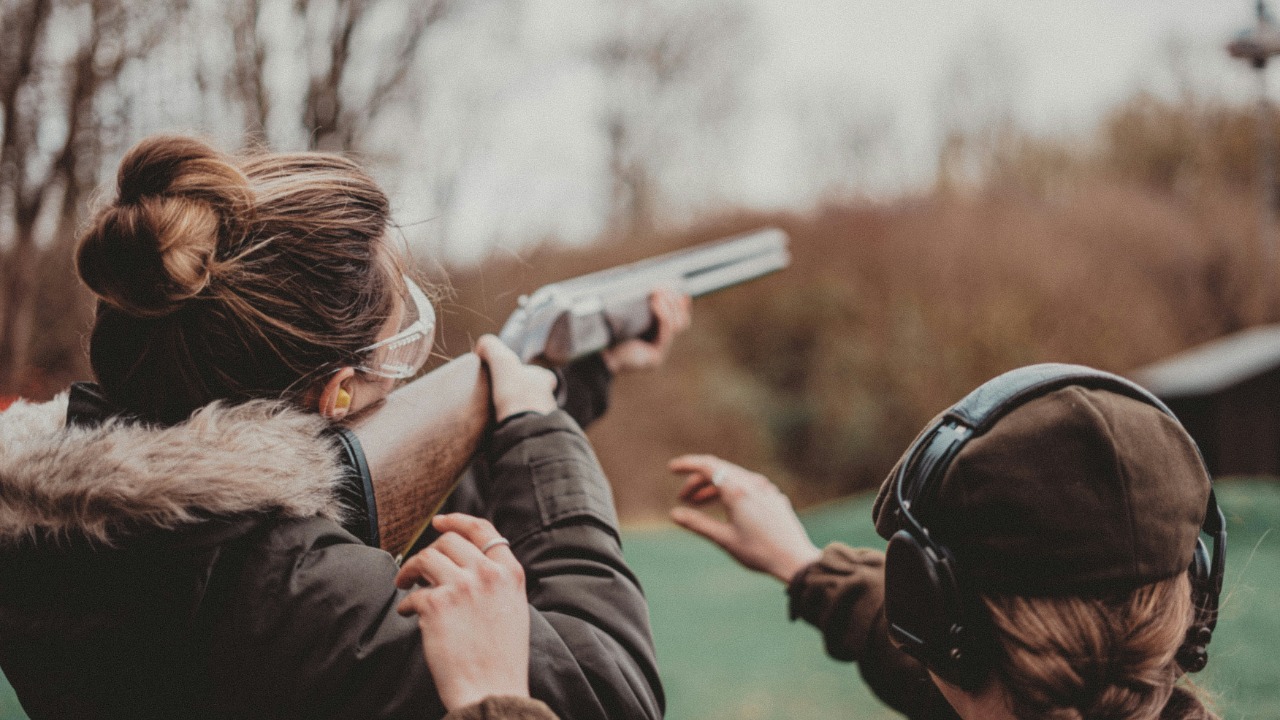
Marketing around firearms training often focuses on mechanical fixes, such as new triggers or upgraded sights, while downplaying the mental side of performance. Yet controlled research on “firearm shooting errors” has found that decision making and attention play a decisive role in whether a shooter hits the intended target or makes a serious mistake. In one study, “Participants” who received visual search drills alone did not improve, while those who practiced more deliberate response strategies reduced errors. The findings suggest that improved response inhibition and cognitive control, not just faster target acquisition, are critical for safer and more accurate shooting.
Range instructors see the same pattern in everyday practice. A breakdown of “Common Mistakes to Avoid When Learning to Shoot” highlights “Letting Your Attention Wander” as a central problem, noting that learners who drift mentally are more likely to miss instructions, forget safety steps, or misread their sights. Another training video that opens with “Welcome” and asks “What” traps shooters should avoid lists poor focus and unstructured drills among the top issues, arguing that without a clear plan, people simply burn ammunition while reinforcing inconsistent technique. Together, the research and field experience point to a gap in how new shooters are coached: they are sold hardware and static range time, but not the cognitive training that would help them manage stress, filter distractions, and make better decisions under pressure.
Gear choices that quietly sabotage learning
Even when beginners do seek help, they are often nudged toward gear that makes learning harder. Handgun recommendation lists for new shooters sometimes highlight compact, lightweight pistols that are easy to carry but punishing to shoot, with snappy recoil and small grips that magnify errors. One advisory that mentions “EDIT” and “The Walther PPS” as an option illustrates how quickly lists can expand into a catalog of niche models, without always explaining that a slightly larger, heavier pistol is usually more forgiving for a novice. On the rifle side, a detailed look at “5 mistakes new shooters make” notes that “Shooters” who manage to choose a scope and reticle still arrive at the range with “improperly torqued hardware,” which leads to wandering zeroes and inconsistent groups that they mistakenly blame on their own ability.
Hunting instructors have flagged a similar issue with familiarity. A review of “Biggest shooting mistakes” by Gunsite coaches lists “Not Being Familiar Enough With the Gear You Have” as a major problem, pointing out that many hunters do not fully understand how their rifles, optics, or other gear function. They may show up with a new scope they have never dialed, or a bipod they have not practiced deploying, then discover in the field that they cannot make a clean shot. New shooters are often sold the idea that more features equal more capability, when in practice, every extra control or adjustment is another variable to master. A simpler, well understood setup, combined with instruction on mounting and maintaining equipment, usually produces better results than a complex rig that the owner barely knows how to operate.
Practice culture that rewards volume over quality
Once a new shooter has a firearm and some basic familiarity, the next message they often hear is to “just get rounds downrange.” High volume practice is marketed as proof of commitment, but without structure, it can lock in the very flaws that hold shooters back. One training company that outlines “4 Common Mistakes Made” by new shooters stresses that uncoached repetition makes it harder to correct fundamentals later, because the body has already learned to press the trigger inconsistently or anticipate recoil. Another range focused guide warns that attention is finite, and that long, unfocused sessions increase the risk of “Letting Your Attention Wander,” which in turn raises the chance of safety violations and sloppy technique.
Experienced marksmen argue for a different culture of practice. The military trained shooter in the “3 shooting mistakes” video credits expert level performance at 250 meter targets with rifle irons to disciplined, feedback driven drills rather than sheer volume. Similarly, the “Top 5 training mistakes” breakdown criticizes students who chase novelty, constantly changing guns or drills, instead of tracking progress on a small set of core skills. Research on cognitive training supports this emphasis on quality, showing that targeted exercises in response control can reduce shooting errors more effectively than generic visual search tasks. When new shooters are sold the idea that more ammunition alone equals improvement, they are being misled away from the deliberate, mentally engaged practice that actually builds competence.
The pattern that emerges across ranges, classrooms, and research labs is consistent. New shooters are not simply uninformed, they are often actively nudged toward shortcuts that feel productive but undermine safety and skill: gear instead of coaching, comfort treated as optional, mental training ignored, and practice measured in volume rather than intent. Correcting those patterns requires more than a better sales pitch. It means centering early instruction, fit and familiarity with equipment, and structured, cognitively engaged practice as the real path to confident, responsible shooting.