
Since 2020, Ford has subjected almost its entire showroom to safety recalls, touching everything from compact crossovers to full-size pickups. Only a single modern model has escaped the repair orders, leaving buyers to wonder what that exception really represents for quality and risk.
The pattern has turned a routine regulatory tool into a defining storyline for one of America’s best known automakers, as owners juggle service appointments and Ford weighs the cost of fixing vehicles already on the road.
Records, strategy, and a rare exception
Between 2020 and 2026, Ford issued recalls that reached virtually every vehicle it sells, a scale large enough to set an all time record for the industry. Company leaders have framed the surge as intentional, an effort to find and fix defects more aggressively rather than allow problems to linger.
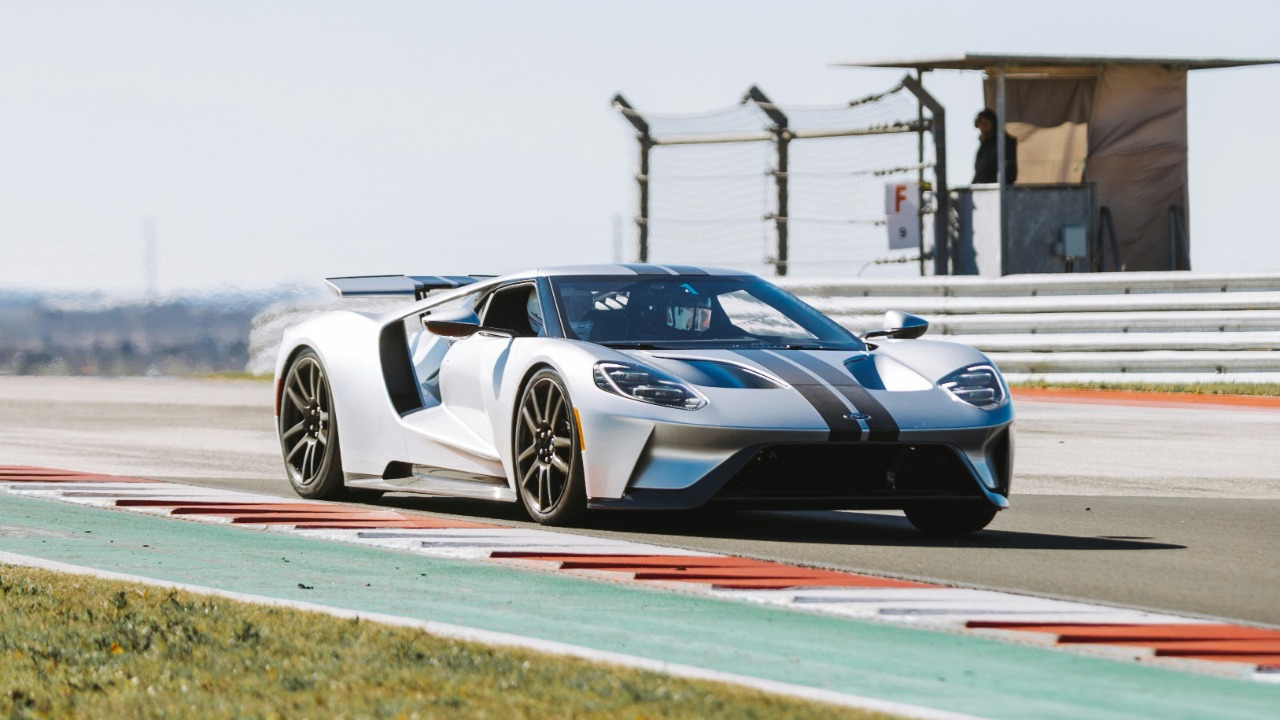
That strategy has produced an unusual situation in which almost every modern Ford product line has been pulled back for one safety issue or another, while a single high end model has remained untouched. Reporting identifies that lone outlier as an American supercar that sits far above Ford’s volume offerings and serves more as a halo than a bread and butter product.
Recalls that span SUVs, trucks, and vans
The breadth of the campaign is most visible in Ford’s family haulers. Among Ford’s seven SUV and crossover models, the Ford lineup of Escape, Bronco Sport, Bronco, Explorer, Expedition, Mustang Mach-E and Edge has seen each nameplate affected at least once since 2020. These vehicles target very different buyers, yet they now share a common history of recall notices and dealer visits.
The pattern extends to work vehicles. Ford’s current van lineup, which includes the Transit and its transit and transit variants, has also been swept into safety campaigns. For small businesses that rely on these vans for deliveries, service interruptions can translate directly into lost revenue and logistical headaches.
Pickup owners have not been spared either. Full-size trucks and their heavy duty counterparts have been called back for issues that range from powertrain behavior to structural concerns, reinforcing the sense that no mainstream Ford product line has been immune.
From wiper shafts to windshields
Behind the headline figure is a long list of specific defects. One recall covered more than 615,000 vehicles due to wiper driveshaft problems that could degrade visibility in bad weather. Another campaign targeted braking components, with reports of possible hydraulic defects that could lengthen stopping distances.
In a separate wave, Ford addressed issues involving windshields, suspension parts and rearview cameras, a mix that illustrates how both basic hardware and modern driver assistance technology have contributed to the tally. One detailed account of these problems describes how hydraulic systems and other components pushed Ford recalls more than one category of vehicle at a time, forcing the company to coordinate overlapping fixes.
Another report on the same pattern highlights how defects involving windshields, suspension and cut across sedans, utilities and performance cars. For owners, the technical details matter less than the practical outcome, which is another trip to the service drive and another reminder that their vehicle is under scrutiny.
Financial and reputational strain
The cost of this recall strategy is measured not only in repair bills, but also in trust. One analysis describes how Ford in deep financially as it absorbs warranty expenses and works through parts shortages while trying to keep new product launches on track. Each additional campaign adds administrative overhead and prolongs the time it takes to close out earlier issues.
For consumers, the experience can blur together. Owners who bought an Escape or Bronco Sport early in the decade may have already responded to several notices, then watched as friends with an F-series truck or a Mustang Mach-E received their own recall letters. The perception that nearly every Ford product has required post-sale correction can weigh on brand loyalty, even if most repairs are completed quickly and at no cost to the driver.
The lone model without a recall
Against that backdrop, the single modern Ford that has avoided any recall since 2020 stands out. Coverage of Ford’s woes identifies this exception as a limited production American supercar, built in small numbers and aimed at collectors rather than daily commuters.
The contrast is stark. Mass market models such as the Escape and Explorer are engineered for hundreds of thousands of units a year, sold globally and configured in countless trims. The Ford GT supercar that has stayed off recall lists is essentially a hand built showcase, with a price tag and ownership profile far removed from the Transit and Transit Connect vans or the family SUV in a suburban driveway.
For regulators and safety advocates, that disparity reinforces a familiar lesson. High volume vehicles that carry families, cargo and workers will always draw the most scrutiny, and any systemic quality weakness will surface quickly. The fact that one exotic model has avoided that scrutiny does little to change the reality facing the millions of customers whose Fords have already been back to the dealer at least once since 2020.