
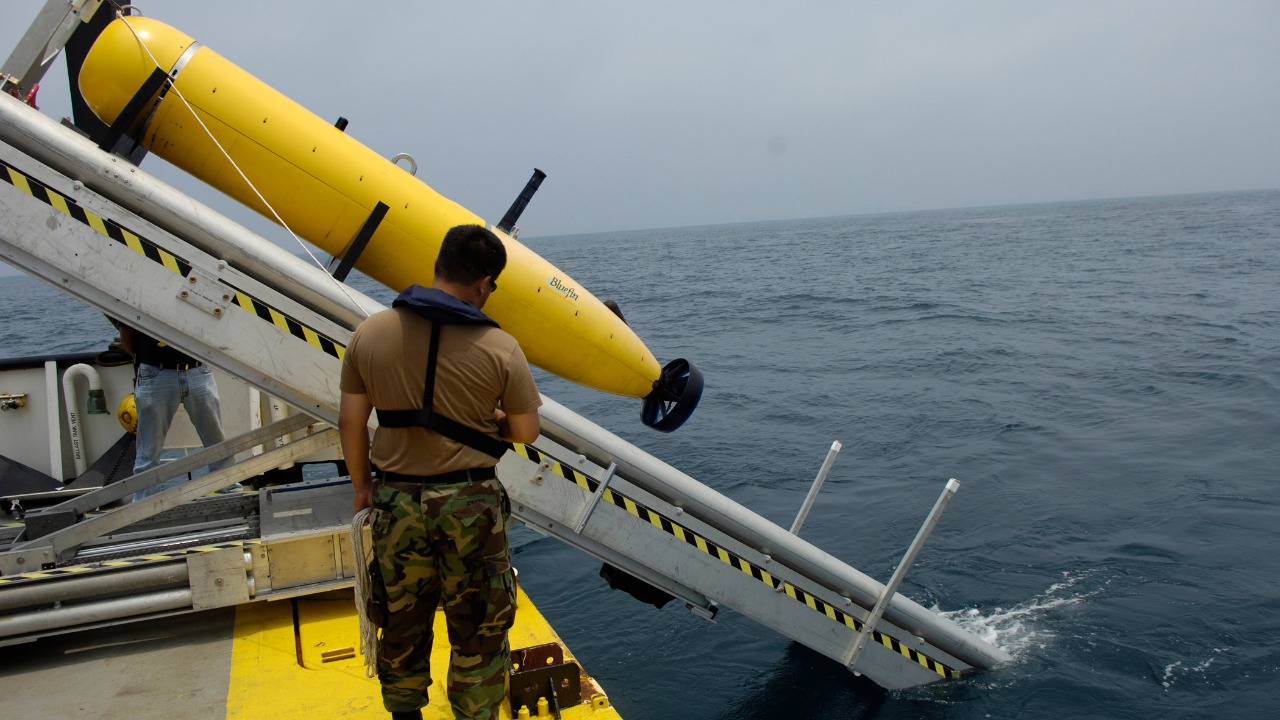
China is quietly turning the Pacific into a test tank for giant unmanned submarines, and the range figures being discussed sound less like coastal defense and more like intercontinental delivery service. Instead of crewed attack boats, Beijing is experimenting with extra large underwater drones that can cruise for thousands of miles, lurk for long periods, and show up uninvited near some very sensitive places. If the reporting holds, these machines could eventually give China a way to reach the United States west coast and key chokepoints without risking a single sailor.
What is emerging is not a quirky side project but a deliberate push to extend Chinese power under the sea, from the South China Sea to the wider Pacific and even toward the Panama Canal. The platforms are described as “XXL” and “extra large,” with operational ranges measured in tens of thousands of kilometers, and they are being refined through a mix of secretive trials, prototype competition, and rehearsed public displays that look suspiciously like dress rehearsals for a new era of undersea deterrence.
China’s XXL drones and the long reach across the Pacific
The core claim is simple and unnerving: China is testing unmanned underwater drones that can conduct long-range missions, potentially across the Pacific. Reporting on Beijing’s “XXL” drone submarines describes large uncrewed platforms designed for extended operations far from home waters, with analysts framing them as a new headache for Washington as it tries to contain or resist Chinese actions. These are not hobbyist robots; they are described as submarine sized, with internal layouts that resemble where crew quarters would be on a conventional boat, only now repurposed for batteries, sensors, and whatever payloads the designers have in mind.
Open source assessments go further and put numbers on that reach, with some of these big underwater drones assessed to have operational ranges of roughly 18,520 kilometers. That is enough to leave Chinese waters, cross the Pacific, and still have energy left to loiter near the United States west coast, all without a bunk, a galley, or a morale problem in sight. Other analysis notes that China is reportedly building some of the world’s largest underwater drones, with ranges of approximately 10,000 nautical miles, again putting the American mainland well within theoretical reach. When you start measuring submarine patrols in transoceanic units instead of coastal hops, you are no longer talking about local sea control, you are talking about global signaling.
From Taiwan to the South China Sea, a testbed for unmanned power
Before these drones go sightseeing off California, they are being honed closer to home, where the stakes are already high. One giant underwater drone platform is described as specifically increasing the naval mine threat around Taiwan, enhancing blockade potential and making it easier for China to seed or threaten key approaches without sending in crewed vessels. A dedicated unmanned mine layer that can slip in, drop its cargo, and slip out again is a very different kind of deterrent than a surface flotilla that everyone can see on satellite imagery.
Further south, China has reportedly moved two super sized “XXL” uncrewed submarines into the South China Sea, with Both designs described as competing prototype concepts. They are kept inside specialized floating docks that conceal their details, which is a polite way of saying that China would prefer the world not get a clear look at them just yet. The South China Sea, already crowded with coast guard cutters, militia boats, and artificial islands, is now doubling as a proving ground for the next generation of undersea systems, and the neighbors are unlikely to find that reassuring.
Why American planners are suddenly very interested in 5,000 nautical miles
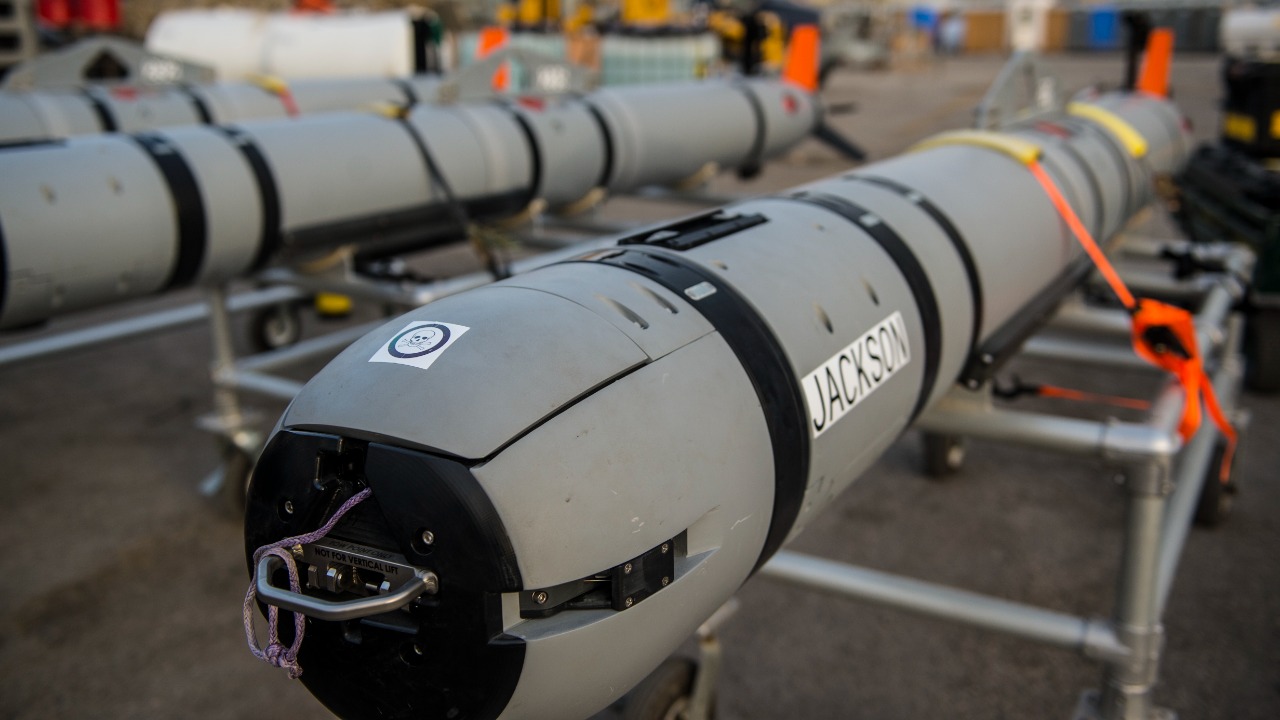
For decades, American strategy in East Asia has treated the vast Pacific as a kind of strategic moat, a 5,000 nautical mile stretch of water that complicates any direct threat to the continental United States. Analysts looking at these new Chinese drones argue that this mental map is now out of date, because platforms with ranges of approximately 10,000 nautical miles can treat that distance as a round trip rather than a barrier. When you combine that with the assessed 18,520 kilometers figure, the Pacific starts to look less like an ocean and more like a very large swimming pool that these drones can cross at their leisure.
Some reporting frames the question bluntly, asking Is China testing submarine drones that could threaten US west coast or Panama Canal. Underwater drones being tested by China are described as having the range to reach those targets, according to a US defense website cited in that analysis. For American planners who grew up thinking in terms of carrier strike groups and bomber ranges, the idea that an uncrewed submarine could slip across the Pacific, park near a critical chokepoint, and wait for instructions is the kind of scenario that keeps war games interesting and sleep schedules ruined.
Inside China’s extra large trials program
None of this long range ambition appeared overnight. Reporting on China’s extra large underwater drones describes a years long effort to gain a strategic advantage in this niche, even as the surface navy plays catch up by emulating foreign designs. While the surface fleet borrows ideas, the unmanned undersea side is portrayed as more original, with China running an extensive trials program that cycles through designs, tests new concepts, and discards losers until the winners are in operational service. It is a bit like a reality show for submarines, except the contestants are the size of small ships and the prize is a permanent place in the order of battle.
Other analysis notes that at least six XLUUVs have been rehearsed for display, with observers expecting those lineups to reveal more about China’s operational priorities and how it plans to punch holes in US seabed surveillance networks. The same reporting points out that these efforts are unfolding in a broader regional context, with undersea monitoring also provided by Japan and Taiwan. In other words, China is not just building big drones for the fun of it, it is building them with a specific surveillance network in mind, and the trials program looks tailored to finding the right mix of size, endurance, and stealth to slip through that net.
What these drones might actually do in a crisis
So what are these XXL machines for, beyond giving defense analysts new acronyms to memorize? The reporting points to several roles that fit neatly with China’s broader strategy. One is mine warfare, with at least one giant underwater drone described as a dedicated platform that enhances blockade potential around Taiwan. Another is long range reconnaissance and presence missions, where a drone could quietly map seabed features, test foreign defenses, or simply show that Chinese hardware can appear near distant shores without warning. In a crisis, that kind of capability could be used to complicate US and allied planning, forcing them to divert resources to hunt for uncrewed threats that do not have to come home on schedule.
There is also the psychological and political dimension. When American and other Western analysts talk about the threat of large trans Pacific drones, they are not just worried about torpedoes, they are worried about the message that such systems send about the balance of power in East Asia. Several indicators, including the reported ranges of approximately 10,000 nautical miles and the assessed 18,520 kilometers, suggest that China is not content to keep these drones near its own coastline. Instead, it is building tools that can reach into what used to be considered safe rear areas, from the United States west coast to the approaches of the Panama Canal. In strategic terms, that is less about any single drone and more about changing how everyone has to think about distance, vulnerability, and what might be lurking under the waves.