
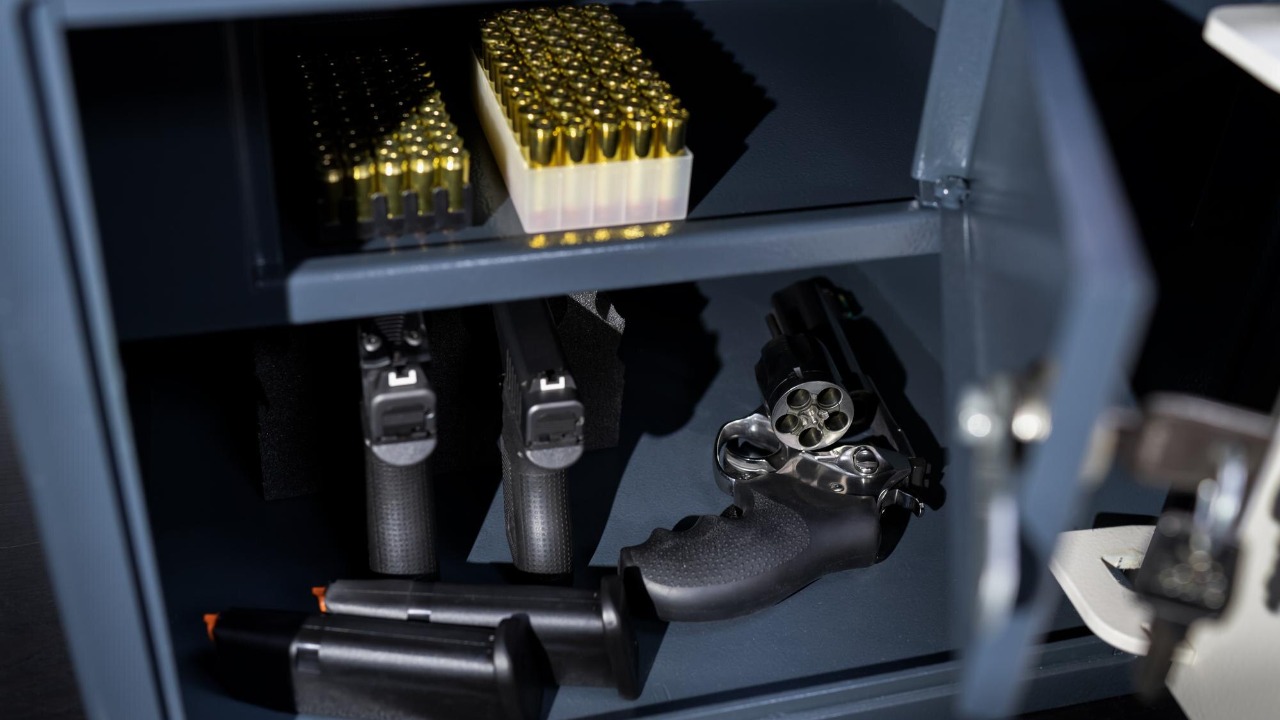
Biometric gun safes were sold as a technological fix for a deadly problem, promising that only an authorized fingerprint could release a firearm. A growing series of recalls and federal alerts now suggests the opposite risk, with quiet lock failures turning high-tech boxes into little more than metal disguises. Regulators and medical experts are tying those failures to severe child injuries and at least one death, and they are pressing owners to rethink how they store guns at home.
Regulators warn that “smart” safes are opening for the wrong people
The U.S. Consumer Product Safety Commission has moved from cautious concern to blunt alarm about biometric gun storage. In a recent alert, the agency’s product safety warning describes how the biometric programming feature on certain Stack-On units can fail, allowing someone whose fingerprint was never enrolled to access contents from the safe. The warning, issued from WASHINGTON, underscores that the Consumer Product Safety Commission, or CPSC, now sees the defect as a direct threat to life, not a minor inconvenience that can be patched with a firmware update.
In its technical review, the CPSC did more than question software quality; it documented how the biometric reader could be bypassed in crude ways. The agency’s Hazard description notes that the programming can reset in ways that let any fingerprint open the safe and that the reader can be manipulated with a screwdriver. That finding cuts against the core marketing pitch of biometric locks, which is that they are both more secure and more convenient than mechanical keys or combinations. Instead, the CPSC is urging consumers to immediately stop using the biometric feature on affected models, a rare step that signals how seriously it views the risk.
Recalls reveal a pattern, not a one-off defect
The Stack-On alert is only one piece of a broader recall wave that has swept across the biometric safe market. A statement from Commissioner Richard L. Trumka Jr. warns that 183,000 Stack-On biometric gun safes have programming that can fail, allowing anyone, including children, to open them. That figure alone would be troubling, but it sits alongside other large-scale actions. Earlier, consumer advocates highlighted that one brand had 133,000 m units recalled because the locks can fail, showing that the problem is not confined to a single manufacturer.
Earlier this year, another recall swept up 120,000 biometric gun safes that, in the words of consumer advocates, simply do not lock. That action covered four brands, including about 60,000 Awesafe Biometric Gun Safes, and it followed reports that unauthorized users could open the devices without any enrolled fingerprint. A separate tally from pediatric safety specialists notes that more than 120,000 g gun safes have been recalled after safety features failed, and a 6-year-old reportedly opened one of the safes, according to AAP News from the American Academy of Pediatrics. Taken together, these figures suggest a systemic engineering and quality control problem, not a few unlucky defects.
Child injuries and deaths expose the human cost of quiet failures
Behind the recall statistics are families who believed they had done the responsible thing by locking up firearms. Medical reporting describes how a 12-year-old died after accessing a gun from a biometric safe that should have been locked. The Consumer Product Safety has said that a programming flaw in that model allowed unauthorized people into the biometric safe, a failure that turned a supposed safety device into the direct route to a loaded weapon. In the Stack-On case, Commissioner Trumka has linked the defective programming to a child who was severely injured, reinforcing that these are not hypothetical edge cases but real-world tragedies.
Regulators have tried to translate those stories into clear behavioral guidance for gun owners. In its formal CPSC warning, the agency urges consumers to disable the biometric feature entirely on affected Stack-On safes and to rely on key or combination access instead. The same alert, labeled as “Product Safety Warning“, emphasizes that the risk of death is not limited to the child who was already hurt, because any similar failure could let another child or unauthorized adult reach a firearm. For pediatricians and safety advocates, those instructions are now part of a broader push to remind parents that no single device can substitute for layers of caution, including unloaded storage and separate ammunition.
Consumers face confusing choices as recalls pile up
For owners, the cascade of alerts has created a confusing landscape of model numbers, serial ranges, and partial fixes. One consumer watchdog has warned that Biometric gun safes from another brand, totaling 133,000 m units, were recalled because the locks can fail, adding to the perception that no label can be trusted at face value. A separate advisory on Awesafe Biometric Gun and other models stresses that some products marketed as secure storage do not meet even basic expectations of staying closed when locked. Coverage of the broader recall wave notes that four different companies have now pulled certain gun safes after about 120,520 products were found to have faulty biometric locks that allowed unauthorized users to open them.
Safety messaging has tried to cut through that noise with simple rules. Regulators have advised that if a household owns any biometric safe that has been recalled, the owner should stop using the fingerprint feature, remove firearms from the unit, and store them using a mechanical lock until a repair or refund is arranged. One federal campaign, titled Safety Now Haven, uses music and social media to reinforce that message, telling gun owners to keep firearms locked, unloaded, and with the key under adult control. The emerging lesson from the recalls is not that technology has no place in gun safety, but that biometric promises must be backed by rigorous testing and transparent oversight before families trust them with a child’s life.