
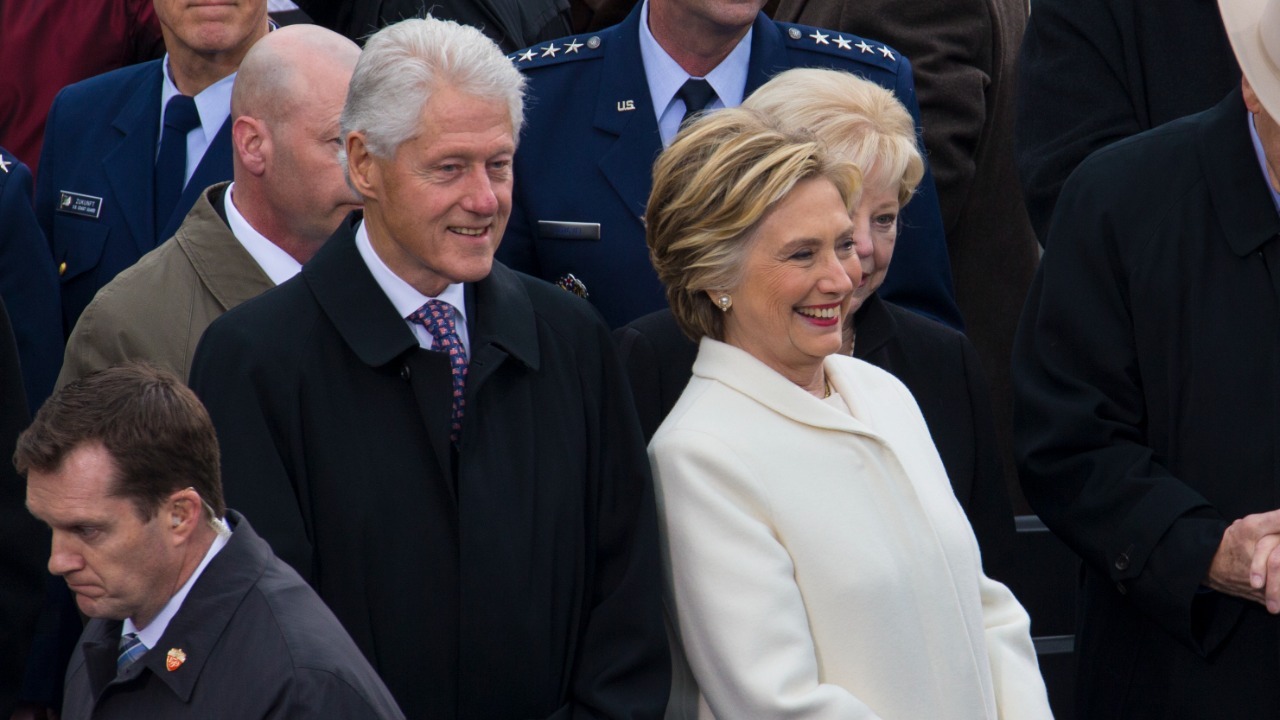
The decision by Bill and Hillary Clinton to sit for sworn depositions in the congressional inquiry into Jeffrey Epstein marks a dramatic turn in a confrontation that had been racing toward a contempt of Congress vote. After weeks of brinkmanship, the House has paused its most severe punishment tool in exchange for on-the-record testimony from two of the most scrutinized figures in American politics. The agreement ensures that questions about the Clintons’ past interactions with Epstein will now unfold in a formal setting, under oath and on the record, rather than through dueling statements and social media speculation.
The stakes extend well beyond the couple’s personal reputations. The House investigation is testing how far lawmakers can push high profile witnesses in pursuit of answers about Epstein’s network, while survivors and political partisans alike watch for signs of accountability or score settling. With deposition dates now set, the focus shifts from whether the Clintons will appear to what their testimony might reveal about what they knew, when they knew it, and how Congress intends to use that information.
From defiance to deal: how the contempt showdown unfolded
For weeks, the confrontation between the Clintons and the Republican majority had been framed as a test of institutional muscle, with the House threatening to hold the couple in contempt of Congress if they did not comply with subpoenas tied to the Epstein inquiry. The House Oversight Committee, which is leading the House Oversight Committee probe, had pressed for deposition dates while signaling that patience was running out. According to accounts of the standoff, The House was prepared to move ahead with a floor vote to hold the Clintons in contempt of Congress after they initially resisted appearing, a step that would have escalated the dispute into a full scale institutional clash between the legislative branch and two former occupants of the executive branch.
That brinkmanship played out not only in formal letters but also in the political arena, where allies and critics framed the dispute in stark terms. One viral clip on social media, tagged “Clintons REFUSE to Testify in Epstein Probe, Face Contempt Threats,” captured the mood among activists who argued that the couple had long avoided full scrutiny of their ties to Epstein. Inside the Capitol, Republicans argued that contempt was necessary to enforce congressional authority, while Democrats warned that hauling the Clintons to the witness table could open the door to similar treatment of President Trump.
What the agreement requires of Bill and Hillary Clinton
The breakthrough came when Bill and Hillary Clinton agreed to appear for closed door depositions later this month, a commitment that prompted the House to shelve the immediate contempt vote. In a statement outlining the deal, committee leaders said the Clintons would sit for separate sessions under oath, with questioning focused on their interactions with Epstein and any knowledge they may have had of his criminal conduct. The arrangement was described by one lawmaker as evidence that the House had used the looming contempt vote effectively, with Republicans arguing that the Clintons “completely caved” once it became clear that defiance would carry formal consequences.
Specifics of the schedule have now been set out in multiple accounts, which note that Bill and Hillary Clinton Set Dates to Testify on Jeffrey Epstein Ties, with the agreement described as having been Published at 06:54 PM EST and later updated as details were finalized, including the figure 54 that appears in the timestamp of the Published notice. Additional reporting confirms that the Clintons will appear later this month, with the contempt vote formally put on hold while the committee prepares for the depositions. One detailed account of the schedule notes that the Clintons are expected to testify in the Epstein congressional probe later this month, with the contempt vote on hold while lawmakers frame the questioning.
Inside the Republican strategy and the Oversight Committee’s mandate
Behind the scenes, the agreement reflects a longer running strategy by the Republicanled House Oversight Committee to use its subpoena power to reconstruct Epstein’s political and social network. The panel’s chair, James Comer, has argued that the inquiry is aimed at understanding how Jeffrey Epstein operated for so long and whether powerful figures helped shield him from scrutiny. In a formal release, Comer highlighted the background of the investigation, noting that On July Republicans and Democrats on the Federal Law Enforcement Subcommittee unanimously approved by voice vote a plan to examine how federal agencies handled tips and evidence related to Epstein, an unusual show of bipartisan agreement on the need for oversight.
Comer later told The Associated Press that Republicans, in their inquiry with the Clintons, were “trying to figure out how Jeffrey Epste” was able to cultivate relationships with political leaders and whether any warnings were ignored, a rationale that has been cited in coverage of his comments to The Associated Press. The committee’s mandate has been described as a culmination of a long back and forth between the Clintons and the Republicanled House Oversight Committee, which had called for their testimony for months, a dynamic captured in a televised segment explaining how the Republicanled House Oversight pressed its case.
What the testimony could mean for survivors, politics, and precedent
For survivors of Epstein’s abuse, the upcoming depositions are being framed as a potential step toward fuller transparency about who knew what about his crimes and when. Committee leaders have suggested that questioning will probe not only social contacts but also any information the Clintons may have received about allegations against Epstein or his longtime companion, Ghislaine Maxwell, a focus reflected in accounts that describe how Former President Bill Clinton and Senator Hillary Clinton have been drawn back into scrutiny over their past interactions with Epstein and his longtime companion. Advocates for victims have argued that sworn testimony from high profile figures can help validate survivors’ accounts and clarify whether warning signs were missed or ignored.