
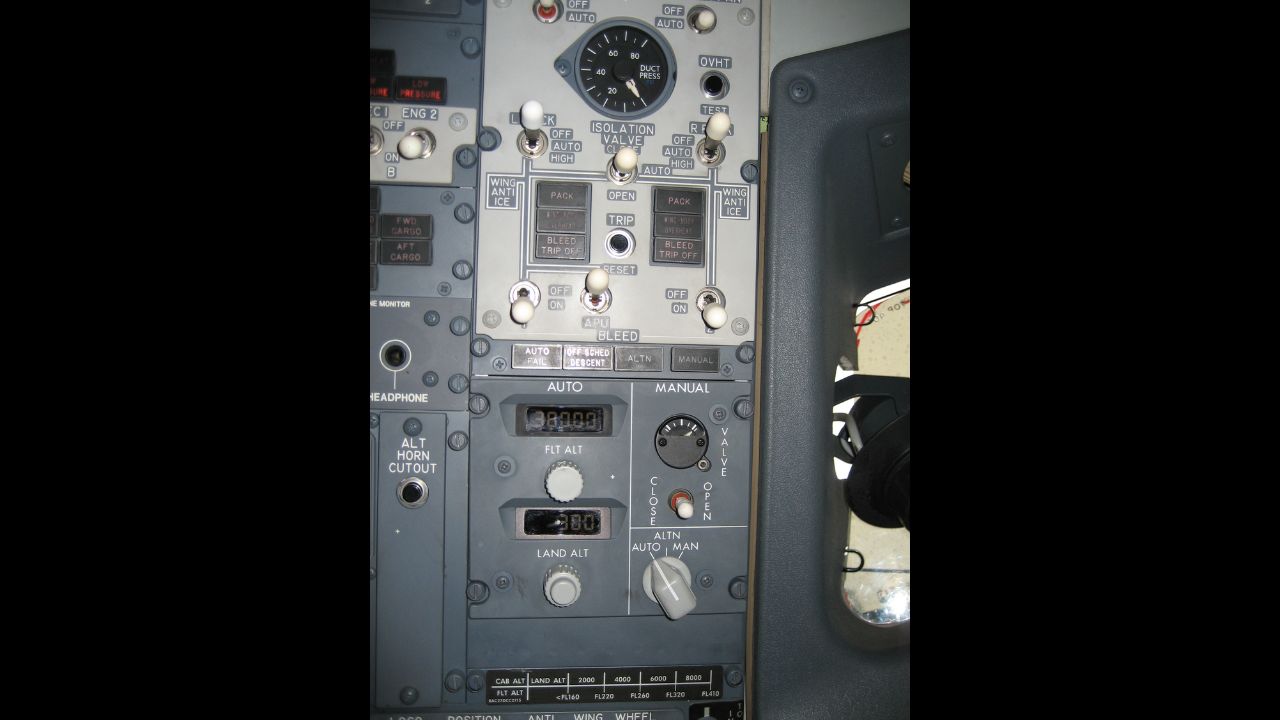
Cabin pressurization is one of those systems most travelers only notice when it misbehaves—felt as a stubborn ear pop on descent or heard in a preflight reminder about oxygen masks. Yet the reason passengers can sit comfortably at typical cruising altitudes traces back to wartime and early Cold War military priorities: fly higher, fly longer, and keep crews effective without depending on oxygen gear for routine operations. In that sense, today’s pressurized cabin is less a hospitality upgrade than a civilian benefit of defense-driven work on environmental control systems (ECS), sealing, and pressure-capable structures.
Over time, know-how from military high-altitude bombers, transports, and reconnaissance aircraft migrated into commercial airliners. Militaries pursued pressurization because altitude could offer operational advantages—clearer routing above weather, improved performance, and in some cases reduced exposure to threats—while airlines later used the same capability to make flight more predictable and less fatiguing. The transition was incremental and involved multiple countries and manufacturers, with U.S. and UK efforts especially prominent. It’s also not a clean “firsts” story: what counts as first depends on whether you mean prototypes or operational aircraft, and partial versus full pressurization.
Wartime altitude needs forced a different kind of aircraft engineering
Before pressurization became common, flying high meant coping with thin air. Hypoxia risk, impaired judgment, and reduced endurance were real constraints, and oxygen equipment helped but added workload and complexity. Military planners wanted the advantages of altitude without turning every long mission into a sustained physiology problem.
That requirement drove an engineering challenge with no shortcut: create a habitable cabin environment while the aircraft moves through cold, low-pressure air at altitude. Doing that reliably demanded integrated ECS design, robust sealing around doors and windows, and airframe structures built to tolerate repeated pressure differentials. Pressurization wasn’t simply a component to bolt on; it pushed aircraft design toward tighter systems integration and a more disciplined approach to the fuselage as a pressure vessel.
Pressurization as a force multiplier—not just a comfort feature
In defense terms, pressurization functions as a force multiplier because it expands the practical flight envelope in ways that affect mission execution. High-altitude bombers, transports, and reconnaissance platforms benefit from reduced reliance on oxygen gear during normal operations and improved crew endurance on longer sorties. That can translate into clearer communication, steadier performance, and fewer distractions tied to basic life support tasks.
Pressurization does not remove risk. Rapid decompression and ECS failures remain serious contingencies, and operators train for them accordingly. But it changes what “normal” looks like: crews can focus more consistently on navigation, systems management, and mission tasks instead of continually managing survival equipment.
The industrial pathway: from military procurement to civilian expectation
The impact extended beyond the aircraft in service. Military demand helped create and mature an industrial base for the hardware and practices that make pressurization workable—valves, seals, ducting, air-conditioning and air-management equipment, and the engineering talent to integrate them into airframes. Once those capabilities existed at scale, commercial manufacturers could adopt and refine the same concepts for passenger aircraft, turning a wartime necessity into a peacetime expectation.
In broad historical terms, U.S. and UK industrial ecosystems are often highlighted as major drivers of this transition, with companies such as Boeing, Douglas, and Lockheed in the United States and de Havilland and Vickers in the United Kingdom as examples of firms associated with pressurized passenger aircraft programs. The exact timeline and “who led” can vary depending on definitions and program details, but the end state is clear: pressurization moved from advanced capability to baseline requirement for mainstream airline operations.
Why your ears pop: cabin altitude and fatigue in plain English
Pressurization does not keep the cabin at sea-level pressure. Instead, the aircraft maintains a controlled “cabin altitude” that is lower than the outside altitude. Pressure still changes during climb and descent—just more gradually than it would without pressurization—which is why ears can still pop.
The practical benefit is straightforward: compared with unpressurized high-altitude flight, a pressurized cabin reduces the physiological strain that would otherwise require oxygen equipment for safe, sustained operation. For crews, that supports clearer thinking and steadier performance over long periods. Airlines inherited those same human-factors gains in a civilian form: passengers are generally less depleted after flight, and carriers can plan routes and cruising altitudes without being constrained by what unpressurized flight would demand from human bodies.
The hard part: pressure loads, fatigue, and maintenance reality
Pressurization also introduces an enduring tradeoff: structural load. Every flight cycle pressurizes and depressurizes the fuselage, placing repeated stress on skins, joints, doors, windows, and seals. Over time, those cycles can contribute to fatigue if the structure is not designed, inspected, and maintained with that reality in mind.
That maintenance burden shaped design practices and, as fleets grew and aged, reinforced the importance of standardized inspection and durability planning. A pressurized cabin is not just a comfort feature; it is a lifecycle commitment that influences structural design, quality control, and ongoing maintenance discipline.
What it changed for airline economics and route flexibility
As pressurization became more reliable, airlines gained a practical operational lever: altitude flexibility. Flying higher can mean smoother rides above much of the weather and more consistent operations, which supports schedule reliability and passenger experience. It also reduces reliance on lower-altitude routing that can be slower, bumpier, and less efficient.
None of this suggests pressurization alone made modern air travel possible. Advances in propulsion, materials, navigation, regulation, and economics were also decisive. Pressurization’s specific contribution was making higher-altitude flight routine for ordinary travelers—turning an environment that once demanded specialized gear and procedures into something most passengers can tolerate for hours.
Who is involved—and why it still matters to defense
The stakeholders were never limited to aircrew. Military services drove requirements for altitude and endurance, manufacturers translated those requirements into aircraft, and suppliers built the ECS and sealing hardware that made pressurization viable. As the technology became standard in civil aviation, airlines and regulators became equally central because safety, durability, and maintainability depend on consistent practices across fleets.
For today’s defense community, the broader lesson is the continuing value of dual-use progress. Investments aimed at crew effectiveness and platform endurance can spill into civilian markets, strengthening the aerospace industrial base that militaries also rely on. At the same time, civilian expectations for reliability and maintainability can feed back into military design culture, improving readiness and lifecycle management.
What changes next: refinement, not a new “pressurization moment”
Pressurization is mature technology, but it still rewards incremental improvement. Operators continue to balance capability against maintenance demands, while designers pursue better sealing, lighter structures, and more reliable ECS performance because those details shape availability and cost over an aircraft’s life.
The larger significance is strategic rather than dramatic. Pressurization illustrates how military requirements can quietly reshape civilian life—not as a single breakthrough, but as a steady migration of engineering practice into everyday experience. What began as a way to keep crews functional at altitude became part of the baseline promise of airline travel: a controlled environment that lets people arrive safer and less exhausted, without treating high altitude as an emergency condition.