
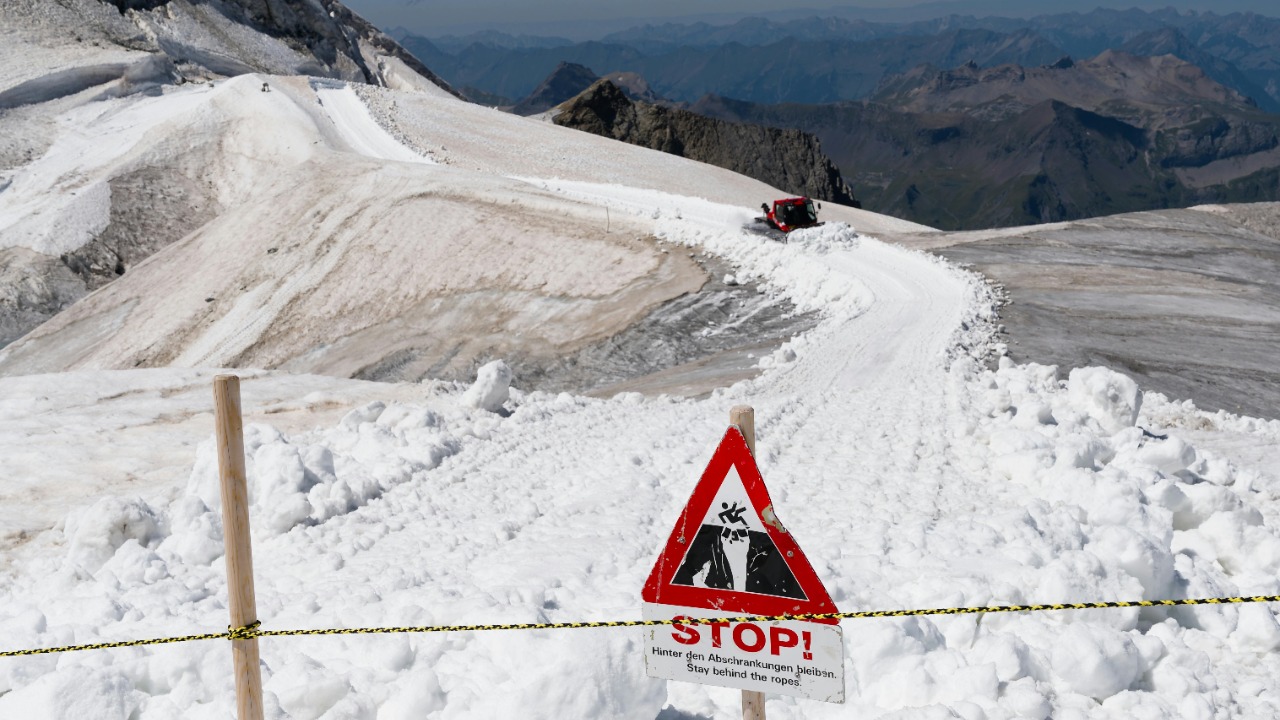
Families heading to the Alps for half term are arriving to find ski lifts idle, pistes taped off and villages under stay‑indoors orders as authorities confront the highest avalanche warning level. Heavy snow, strong winds, and rapidly warming temperatures have raised parts of the French Alps to maximum alert, forcing operators to close resorts to protect visitors.
Resorts that usually market half term as a guarantee of blue skies and packed terraces are instead explaining why the safest place is often inside the hotel. With the avalanche danger now rated at the top of the scale in several regions, the focus has shifted from salvaging ski days to preventing further deaths in a season that has already turned deadly across Europe.
Level 5 alert turns holiday hotspots into no‑go zones
Avalanche level 5 indicates exceptional danger, with very large natural releases that can reach roads and settlements in valleys. That is the backdrop for the decisions now reshaping half‑term plans, from the French Northern Alps to other high‑profile massifs. In these conditions, even infrastructure that is normally considered safe, such as marked pistes or access roads, can be threatened by slides that start high above and barrel through forests, gullies and buildings without warning.
In the French Northern Alps, Météo‑France has issued warnings of extreme snow and avalanche risk across steep terrain, prompting extensive closures of lifts and pistes as fresh snow totals could exceed several meters. Avalanche experts describe a classic pattern: storm after storm riding a moist northwest flow off the Atlantic and hammering the northwestern Alps, a setup that one specialist analysis called a classic setup for unstable slabs that can fail naturally or under the slightest human trigger.
French flagships shut down as death toll climbs
The human cost of this instability is already stark. Across Europe, the death toll in this ski season has climbed above 60, a figure that police fear could rise further as more people head into the mountains despite the warnings, according to one account that placed the number at 60 deaths. In the French Alps, Three skiers died at a resort when an avalanche swept away six people who had ventured onto a closed slope, despite prior red-alert warnings.
Another case in the French Alps saw three skiers killed after they went off piste near Val d’Isère, with the group reportedly swept away when they ignored recommendations given the heightened danger. Separate reporting has highlighted how 4 Skiers Die Within 3 Days Following Large Avalanches in the Same Mountain Range, underlining how quickly conditions can turn lethal once weak layers in the snowpack are overloaded.
Resorts lock down from Tignes to La Plagne
Against that backdrop, some of Europe’s biggest ski areas have chosen to halt operations at the height of half term. Paradiski, the giant French domain that links La Plagne, Les Arcs and Peisey‑Vallandry, has announced a full closure as avalanche risk hit extreme levels, with operators warning that the danger was expected to severely limit operations even before they opted to shut. La Plagne itself set out the starkness of the decision, telling guests that “All lifts, slopes, ski schools and mountain activities will be shut” and describing it as “a full closure for safety, for guests and staff,” language that appeared in a broader report on how all of La Plagne’s mountain operations were affected.
In the Tarentaise Valley, authorities in Tignes ordered residents to stay indoors as avalanche danger reached level 5, confining people while rescue teams monitored slopes and rooftops for instability. That order covers both visitors and seasonal workers in Tignes, one of the highest and most snow‑sure resorts in the French Alps, and reflects how Authorities now see the risk extending into built‑up areas. Similar concerns have prompted Alpine resorts to impose confinement orders and close Pistes where heavy, wet snow on top of older layers can create sudden and powerful avalanches, an approach described in French coverage of how Alpine resorts are handling the current crisis.
Half-term skiers caught between disappointment and danger
The timing could hardly be worse for families who booked long in advance for a week on the snow. In resorts such as Chamonix, a historic mountaineering hub at the foot of Mont Blanc, and in other marquee destinations highlighted in travel listings for places like Alps villages and mountain resorts, visitors are discovering that even low‑angle beginner slopes can be closed when they sit beneath large avalanche paths. Some resorts offer indoor activities and escorted walks within controlled zones, but skiing and snowboarding remain suspended wherever avalanche risk is too high.