
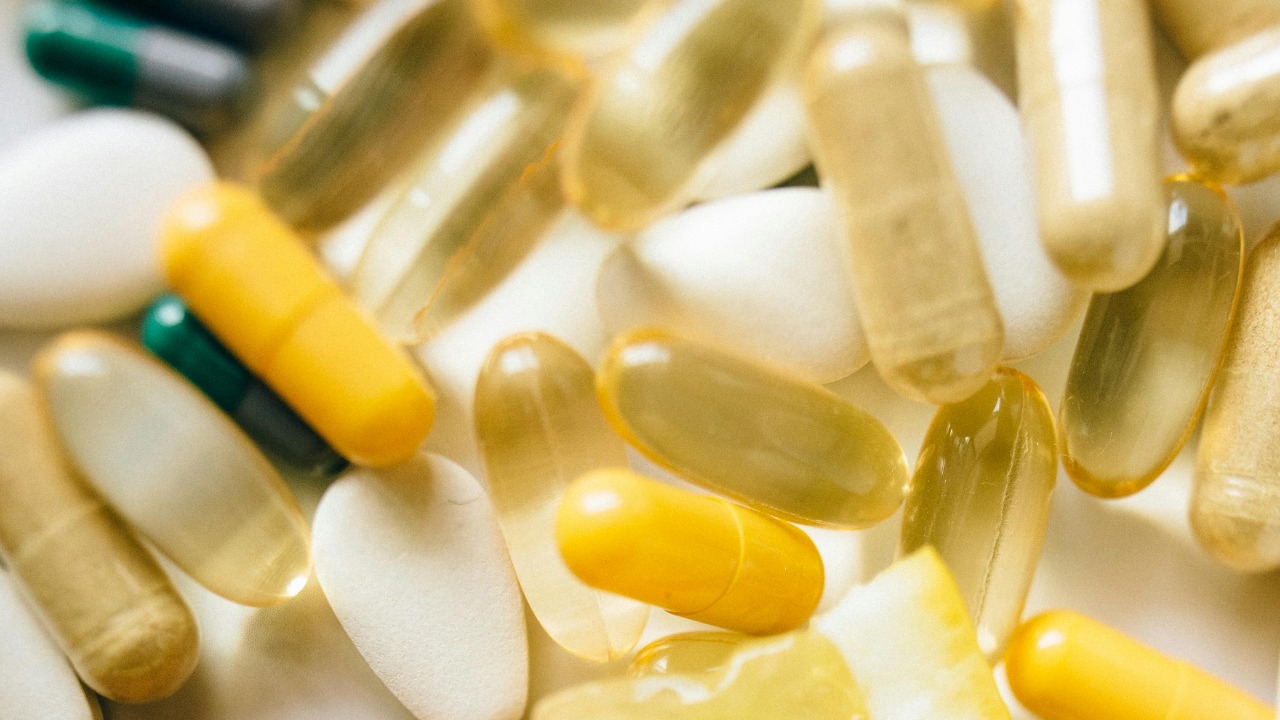
In the quest for a robust immune system, many people turn to vitamin pills as a quick fix. However, experts assert that a trifecta of balanced nutrition, adequate sleep, and regular exercise can outperform supplements in fortifying immunity. These foundational elements are crucial for maintaining a strong immune defense, influencing not just how we fend off illnesses but also how we sustain overall health and well-being.
The Role of Nutrition in Immune Health
A balanced diet rich in fruits, vegetables, and whole grains is fundamental to providing the essential nutrients required for a robust immune system. These foods are packed with vitamins, minerals, and antioxidants, which act as the building blocks of immune cells. For instance, citrus fruits like oranges and grapefruits are teeming with vitamin C, a nutrient known to bolster the immune response by supporting the production of white blood cells. Similarly, leafy greens such as spinach are rich in vitamin E, another powerful antioxidant that enhances immune function by protecting cells from damage.
Specific nutrients like vitamin D and zinc also play crucial roles in maintaining immune health. Vitamin D, often obtained from fatty fish like salmon or fortified foods, aids in the activation of immune defenses and has been linked to a lower risk of respiratory infections. Zinc, found in nuts, seeds, and legumes, is vital for the development and communication of immune cells. While vitamin supplements might seem like a convenient alternative, they often fail to replicate the complex nutritional profiles found in whole foods. Over-reliance on supplements can lead to imbalances and potentially cause more harm than good, as excessive intake of certain vitamins and minerals can have adverse effects.
The Impact of Sleep on Immunity
Sleep is a critical component of immune health, influencing the production of cytokines—proteins that play a vital role in the body’s response to infections and inflammation. Adequate sleep ensures the body has sufficient time to produce these proteins, which help in mobilizing the immune system against pathogens. On the contrary, sleep deprivation can significantly weaken the immune response, increasing susceptibility to illnesses such as the common cold and flu. A study published in the journal Sleep found that individuals who sleep less than six hours a night are more likely to catch a cold compared to those who sleep seven hours or more.
Experts recommend adults aim for seven to nine hours of quality sleep per night to maintain optimal immune function. This includes creating a conducive sleep environment, free from distractions such as electronic devices, and adhering to a consistent sleep schedule. By prioritizing sleep, individuals can not only enhance their immune defenses but also improve their mental and physical health, leading to increased energy levels and better concentration.
Exercise as a Natural Immune Booster
Engaging in moderate, regular physical activity is another powerful way to enhance immune health. Exercise increases the circulation of immune cells, allowing them to detect and eliminate pathogens more effectively. Activities such as walking, cycling, or swimming can elevate heart rate and improve immune surveillance, while also reducing inflammation in the body. Regular exercise is associated with a lower incidence of chronic diseases, which can compromise immune function and increase vulnerability to infections.
Different types of exercise, including aerobic and strength training, offer unique benefits to immune health. Aerobic exercises like running or brisk walking can improve cardiovascular health and increase the efficiency of the immune system. Strength training, on the other hand, helps build muscle mass and supports metabolic health, which is crucial for maintaining a balanced immune response. However, it’s important to avoid excessive exercise, as overtraining can lead to increased levels of stress hormones like cortisol, which can suppress immune function and increase the risk of illness.
Comparing Supplements to Natural Methods
While vitamin supplements are widely marketed as a means to boost immunity, current research suggests that they are not as effective as obtaining nutrients from natural sources. A study published in the journal JAMA Network Open found that individuals who rely heavily on supplements do not experience the same health benefits as those who consume a nutrient-rich diet. The misconception that multivitamins can prevent illnesses persists, yet the body absorbs nutrients more efficiently when they come from food sources, which provide a synergistic combination of vitamins, minerals, and other beneficial compounds.
Common misconceptions about the preventive capabilities of multivitamins often stem from marketing messages that emphasize convenience over health. It is crucial to recognize that supplements should not be viewed as a replacement for a healthy diet but rather as a potential aid for individuals with specific deficiencies, as advised by healthcare professionals. Focusing on a diet rich in diverse, whole foods not only ensures better nutrient absorption but also promotes overall health and well-being.
Expert Opinions and Recommendations
Experts from various fields emphasize the importance of integrating balanced nutrition, sufficient rest, and consistent exercise into daily routines to maintain a healthy immune system. Nutritionists recommend consuming a variety of colorful fruits and vegetables, whole grains, and lean proteins to ensure a broad spectrum of nutrients. Sleep specialists advocate for establishing regular sleep patterns and creating a restful environment to enhance sleep quality. Fitness trainers highlight the benefits of incorporating both aerobic and strength training exercises for a well-rounded fitness regimen.
Practical tips for achieving these lifestyle changes include planning meals ahead to ensure a diverse diet, setting a consistent bedtime routine, and finding enjoyable forms of exercise to stay motivated. While vitamin supplements may be beneficial for individuals with specific deficiencies or dietary restrictions, they should not replace a balanced diet and healthy lifestyle. Consulting with healthcare professionals can provide personalized advice on when supplements might be necessary and how to optimize overall health through natural methods.