
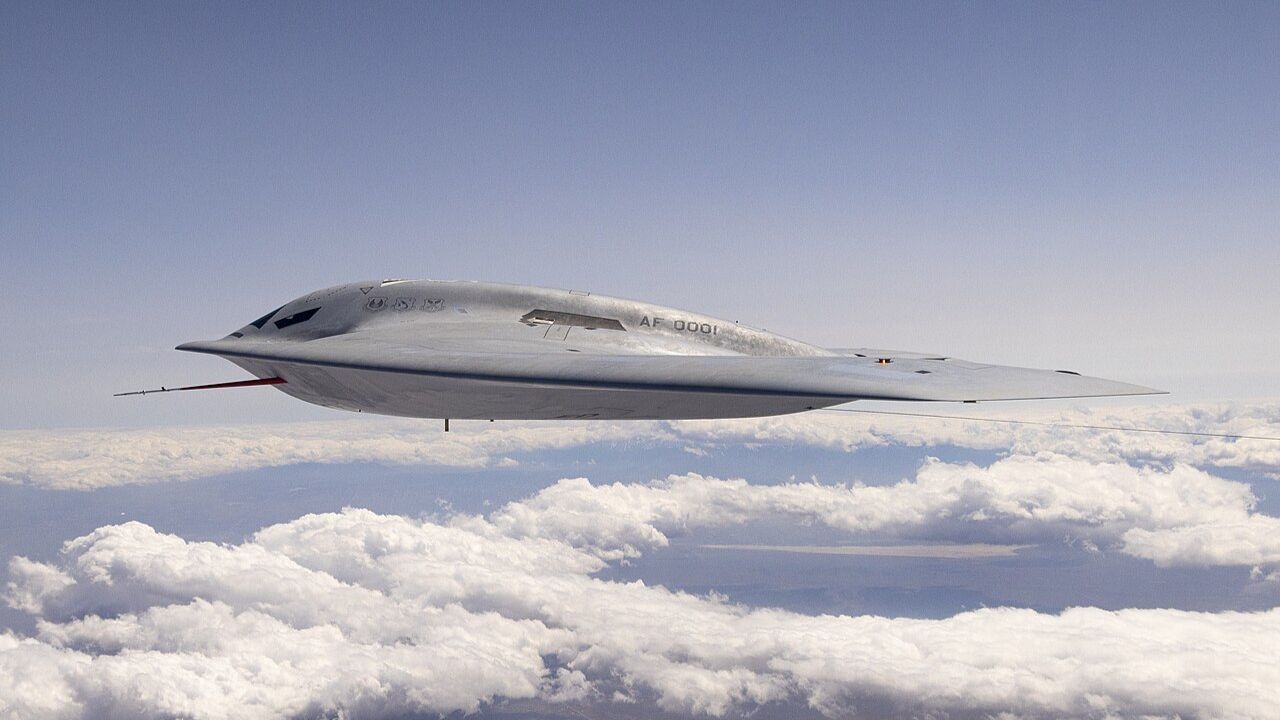
The B-21 Raider, a next-generation stealth bomber, has commenced combat-focused testing even as its development phase continues. This bold move reflects the U.S. Air Force’s commitment to integrating cutting-edge technology and operational readiness into its future aerial capabilities.
Overview of the B-21 Raider
The B-21 Raider is designed to be a state-of-the-art stealth bomber that significantly enhances the U.S. Air Force’s capabilities in modern warfare. With its sleek, low-observable design, the B-21 is engineered to evade advanced detection systems, ensuring that it can penetrate hostile airspace with minimal risk. The aircraft features cutting-edge technology, including advanced avionics, sensors, and weapons systems, positioning it as a game-changer for aerial combat.
One of the standout features of the B-21 Raider is its emphasis on stealth. Unlike previous bombers, the B-21 utilizes innovative materials and design techniques to minimize its radar cross-section, further enhancing its survivability during missions. Additionally, the bomber is expected to support a wide range of munitions, including precision-guided bombs and advanced missiles, making it a versatile asset for both strategic and tactical operations. The strategic importance of the B-21 Raider cannot be overstated, as it is poised to play a crucial role in maintaining U.S. air superiority in an increasingly complex global security environment.
Timeline of Development
The development timeline of the B-21 Raider has been marked by significant milestones that showcase its evolution from concept to the current phase of testing. The program was officially announced in 2015, with Northrop Grumman selected as the primary contractor. Since then, the B-21 has progressed through various design phases, including wind tunnel testing, component prototypes, and initial flight tests. The first flight of the B-21 Raider is anticipated to take place in the coming years, with full operational capability expected by the late 2020s.
In comparison to other military aircraft development timelines, the B-21 Raider has been relatively swift. For instance, the F-35 Lightning II program faced numerous delays and cost overruns, while the B-21 aims to leverage lessons learned from previous projects to maintain a more streamlined development process. This focus on efficiency reflects a broader trend within the U.S. Air Force to ensure that new aircraft can be deployed promptly while still adhering to rigorous testing and evaluation standards.
Combat-Focused Testing Explained
Combat-focused testing refers to a specific evaluation phase in the development of military aircraft, designed to assess the aircraft’s performance in realistic combat scenarios. This type of testing allows military planners to gather essential data on the aircraft’s capabilities, limitations, and overall effectiveness in operational environments. By initiating combat-focused testing before full development completion, the U.S. Air Force demonstrates a commitment to rapid operational feedback and iterative improvements.
The significance of this approach cannot be understated. By engaging in combat-focused testing with the B-21 Raider, the Air Force is able to identify potential issues early on, allowing for timely adjustments to design and technology. Specific tests currently being conducted on the B-21 include evaluations of its flight performance, avionics systems, and weapon delivery capabilities. This proactive testing regime enhances the likelihood of a successful integration into the fleet and provides valuable insights for future aircraft development.
The Role of Operational Test Pilots
Operational test pilots play a critical role in the successful evaluation of military aircraft like the B-21 Raider. These highly trained professionals are responsible for conducting flight tests and providing essential feedback to engineers and developers. Their expertise is vital in assessing the aircraft’s performance in real-world conditions, ensuring that it meets the rigorous standards required for modern combat.
Each operational test pilot undergoes extensive training, which includes mastering the systems and capabilities of the aircraft they will be testing. For the B-21 Raider, pilots are expected to familiarize themselves with its advanced technology and unique flight characteristics. Insights from pilot feedback on initial flight experiences are invaluable, as they help inform further development and highlight areas for improvement. As the B-21 progresses through its testing phases, the pilots’ experiences will be instrumental in refining the bomber’s operational capabilities.
Implications for U.S. Air Force Strategy
The B-21 Raider is poised to play a significant role in shaping the broader strategy of the U.S. Air Force. As global threats become more complex and sophisticated, the need for advanced aerial capabilities has never been greater. The B-21’s unique combination of stealth, range, and payload capacity positions it as a key asset in the Air Force’s deterrence and offensive strategies.
In the context of modern conflict, the B-21 Raider enhances the U.S. military’s ability to project power and respond to emerging threats. The aircraft’s advanced technology not only improves stealth and survivability but also allows for coordinated operations with other platforms, such as fighter jets and unmanned aerial vehicles. This integrated approach to air superiority is essential for maintaining the U.S. military’s competitive edge against potential adversaries. As the B-21 Raider moves closer to operational deployment, its impact on U.S. Air Force strategy will become increasingly pronounced.
Challenges and Risks in Development
Despite the promising advancements of the B-21 Raider, the development process is not without its challenges. Technical issues may arise during testing phases, including software integration, system compatibility, and performance discrepancies. These challenges can impact the timeline and budget for the program, necessitating careful management and oversight to ensure that the aircraft meets its intended specifications.
Conducting tests before full development completion carries inherent risks. Unforeseen problems may emerge that could delay the program or require significant modifications to the design. Historical examples, such as the F-22 Raptor and the F-35 Lightning II, illustrate the potential pitfalls of early testing phases. However, the U.S. Air Force aims to mitigate these risks through rigorous testing protocols and by leveraging lessons learned from previous programs. By adopting a proactive approach, the B-21 Raider can navigate the complexities of development more effectively.
Industry Partnerships and Collaboration
The success of the B-21 Raider program is heavily reliant on collaboration between the U.S. Air Force and key industry partners. Northrop Grumman leads the project, but several other defense contractors play critical roles in the development of the aircraft’s systems and components. This collaborative effort ensures that the B-21 benefits from the latest advancements in technology and engineering.
Private defense contractors, such as Raytheon and Lockheed Martin, contribute to the development of avionics, weapons systems, and other critical technologies that enhance the B-21’s capabilities. Successful collaborations in the aerospace sector have historically resulted in breakthroughs that drive innovation and improve performance. The partnership model employed in the B-21 program underscores the importance of leveraging expertise from various stakeholders to create a next-generation bomber that meets the evolving demands of modern warfare.
Global Reactions and Competitor Responses
The development and testing of the B-21 Raider have garnered significant international attention, prompting reactions from potential adversaries and allies alike. Countries closely monitor the U.S. military’s advancements in aerial capabilities, particularly in terms of stealth technology and precision strike capabilities. The B-21’s capacity to penetrate sophisticated air defenses is expected to influence global military strategies.
In response, other nations are adapting their military strategies to counter the advancements presented by the B-21 Raider. For instance, countries such as Russia and China are investing heavily in their own stealth aircraft and advanced missile systems to counter U.S. air superiority. The emergence of these technologies highlights the ongoing arms race in military aviation, where nations seek to outpace one another in capabilities. As the B-21 Raider continues its testing and development, its implications for global military dynamics will become increasingly significant.
Future Prospects for the B-21 Raider
The future prospects for the B-21 Raider are promising, with expectations that it will significantly alter the landscape of military operations. As the aircraft transitions through its testing phase and into operational deployment, its impact on aerial warfare will be closely observed. Analysts predict that the B-21 will enhance the U.S. military’s ability to conduct precision strikes and intelligence-gathering missions, further solidifying its role as a vital component of national defense.
Moreover, potential upgrades and modifications are anticipated as the B-21 Raider evolves. Continuous advancements in technology may lead to enhancements in its stealth capabilities, weapon systems, and operational range. The implications of such upgrades extend beyond the aircraft itself, influencing defense budgets and military strategies as nations prioritize investments in next-generation capabilities. As the B-21 Raider approaches its operational debut, its influence on the future of aerial warfare remains a topic of significant interest and importance.