
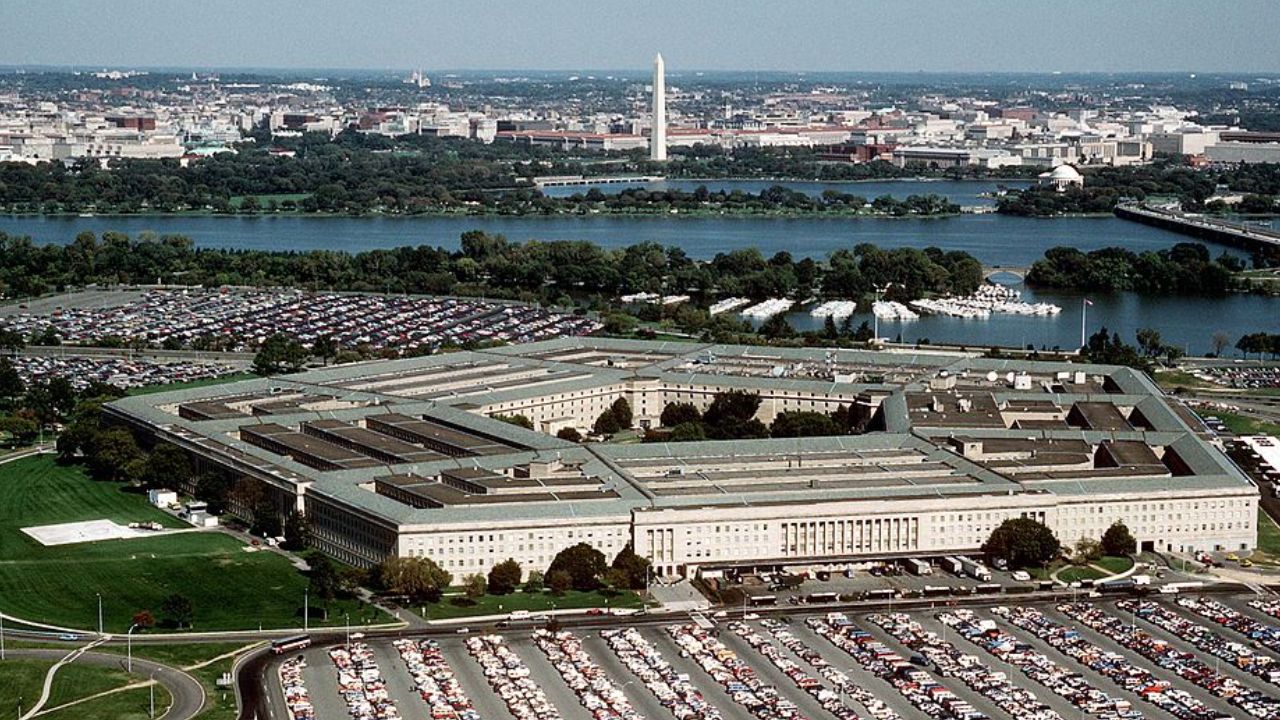
The evolving landscape of artificial intelligence (AI) in military applications has sparked debates over ethical boundaries and safety measures. Recently, AI company Anthropic has pushed back against the Pentagon’s attempts to ease restrictions on military AI, arguing that robust safeguards are essential to prevent misuse and unintended consequences.
The Role of AI in the Military
Artificial intelligence has become an integral component of modern military strategy, providing capabilities that range from autonomous drones and surveillance systems to advanced data analytics for threat detection. These applications underscore the strategic importance of AI in enhancing national security. For instance, AI-driven systems can process vast quantities of data far more quickly than human analysts, enabling timely decision-making in critical situations. The U.S. Department of Defense has been actively investing in AI technologies to maintain a competitive edge over adversaries, with projects like the Joint Artificial Intelligence Center (JAIC) focusing on integrating AI across various defense operations.
However, the deployment of AI in military contexts is fraught with potential risks and ethical considerations. Autonomous weapons systems, in particular, raise concerns about accountability and the potential for unintended escalation in conflict situations. The risk of AI systems making life-and-death decisions without human oversight has prompted calls for stringent ethical guidelines and international regulations. Additionally, the possibility of adversarial attacks on AI systems, where an enemy can manipulate inputs to produce erroneous outputs, highlights the need for robust security measures. Thus, while AI holds significant promise for military applications, it also necessitates careful consideration of ethical and safety implications.
Anthropic’s Stance on Military AI Safeguards
Anthropic has been vocal in its opposition to relaxing AI safeguards in military applications, emphasizing the need for stringent safety standards to prevent catastrophic outcomes. The company argues that without adequate safeguards, AI systems could be misused, leading to unintended consequences that might escalate tensions or cause civilian harm. Anthropic’s resistance is rooted in the belief that AI technologies, especially those deployed in high-stakes environments like the military, must adhere to rigorous ethical standards to ensure they are used responsibly and safely.
In its proposed guidelines, Anthropic advocates for a comprehensive framework that includes transparency, accountability, and human oversight as key pillars of AI safety in military contexts. The company suggests that any AI system deployed in the military should be thoroughly tested and evaluated for biases and vulnerabilities before being operationalized. Moreover, Anthropic’s stance aligns with broader industry views on AI ethics, as many tech companies and AI researchers have expressed concerns about the potential misuse of AI technologies in warfare. By championing these safeguards, Anthropic aims to foster a responsible approach to AI development that prioritizes long-term safety and ethical considerations.
The Pentagon’s Push for Relaxed AI Regulations
The Pentagon, on the other hand, has been advocating for reduced restrictions on military AI, citing the need for increased efficiency and innovation to maintain a strategic advantage. Officials argue that overly stringent regulations could stifle innovation and hinder the rapid deployment of AI technologies that could enhance military capabilities. The Department of Defense has emphasized the potential benefits of AI, such as improved operational efficiency, enhanced decision-making, and the ability to process information at unprecedented speeds. These advantages, they argue, could significantly bolster national security and defense readiness.
However, the Pentagon’s push for relaxed regulations has met with resistance from various quarters, including tech companies like Anthropic and some government officials who are wary of the potential risks. Critics argue that loosening safeguards could lead to unchecked AI deployment, increasing the likelihood of accidents or misuse. The debate highlights a fundamental tension between the desire for rapid technological advancement and the necessity of ensuring that such advancements are implemented responsibly. As the Pentagon continues to advocate for relaxed regulations, it must navigate these concerns and find a balance that addresses both innovation and ethical imperatives.
Impact on the Defense Industry and AI Development
The ongoing conflict between Anthropic and the Pentagon could have significant implications for the future of AI development in the defense sector. Defense contractors and AI developers may find themselves at a crossroads, having to navigate the competing pressures of innovation and ethical responsibility. Companies that align with the Pentagon’s push for reduced regulations may gain a competitive edge in the short term, but they risk reputational damage if their technologies are associated with ethical breaches or unintended consequences.
Conversely, companies that prioritize stringent safeguards may face challenges in securing defense contracts but could benefit from public trust and long-term sustainability. The role of public opinion and advocacy groups will be crucial in shaping the debate over military AI regulations. As awareness of AI’s potential risks and benefits grows, there is likely to be increased scrutiny of how these technologies are developed and deployed. Advocacy groups may push for greater transparency and accountability in AI development, influencing both industry practices and government policies.
Looking Ahead: The Future of AI Safeguards in Military Use
As the debate over AI regulation in military applications continues, it is likely that a middle ground will emerge, balancing the needs for innovation and ethical responsibility. Industry leaders and government entities may need to engage in collaborative efforts to establish common standards and guidelines that ensure the safe and responsible use of AI in military contexts. Such cooperation could foster a shared understanding of the ethical implications of AI and help mitigate potential risks.
International cooperation will also be essential in setting standards for military AI ethics. As AI technologies are developed and deployed globally, it is crucial to establish international norms and agreements that prevent misuse and promote transparency. This will require dialogue and collaboration among nations, as well as engagement with industry stakeholders and civil society organizations. By prioritizing international cooperation, the global community can work towards a future where AI technologies are used to enhance security while upholding ethical standards.