
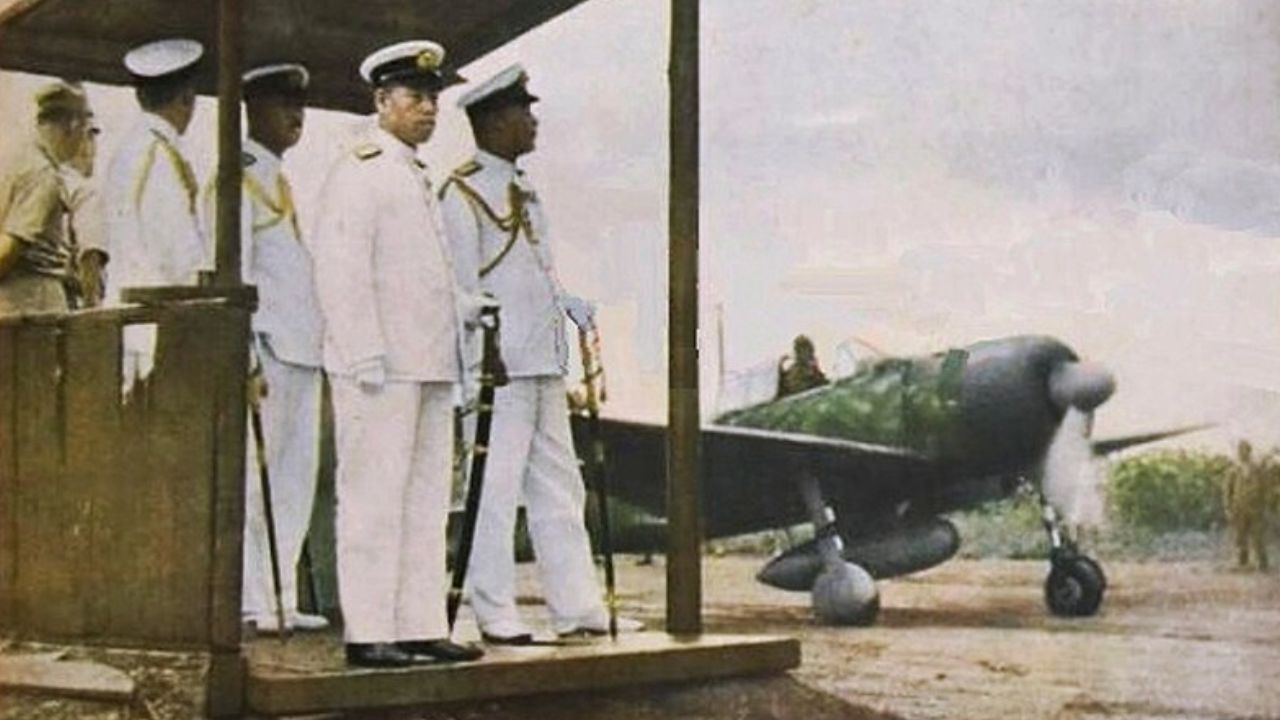
Admiral Isoroku Yamamoto, a key figure in Japan’s naval operations during World War II, is widely recognized for orchestrating the attack on Pearl Harbor. Despite this early tactical success, Yamamoto was acutely aware of the challenges Japan faced in sustaining a prolonged war against the United States. His strategic foresight and skepticism about Japan’s victory prospects provide valuable insights into the broader dynamics of the conflict.
Yamamoto’s Strategic Vision

The attack on Pearl Harbor was a calculated move by Yamamoto, intended to delay American intervention and provide Japan with time to solidify its position in the Pacific. He envisioned this surprise attack as a way to cripple the U.S. Pacific Fleet, thereby giving Japan a temporary strategic advantage. However, Yamamoto also understood that this victory would be short-lived unless Japan could negotiate peace terms with the United States.
Yamamoto was inherently aware of the limitations of Japanese naval power compared to the American military-industrial complex. He recognized that Japan lacked the technological and industrial capacity to sustain a prolonged conflict. This awareness informed his decisions and fueled his advocacy for diplomatic solutions rather than relying solely on military might.
Challenges Facing Japan
Japan’s industrial capabilities were dwarfed by those of the Allied powers, particularly the United States. The disparity in resource availability and production capacity posed significant challenges to Japan’s war efforts. The U.S. could outproduce Japan in terms of ships, aircraft, and munitions, creating an insurmountable obstacle for Japanese forces as the war dragged on.
Geographically, Japan faced the daunting task of maintaining supply lines across vast distances, which were vulnerable to Allied attacks. The island hopping strategy and effective submarine warfare employed by the Allies further strained Japan’s logistics and military operations. These strategic challenges underscored the difficulties Japan encountered in sustaining its territorial gains and contributed to its eventual defeat.
Alternative Strategies for Japan
Adopting a more defensive posture could have presented Japan with a different set of challenges and opportunities. By focusing on consolidating existing territories rather than aggressively expanding, Japan might have preserved resources and manpower. However, this approach would have required a significant shift in military doctrine and a willingness to forgo immediate territorial ambitions.
Technological innovation was another avenue that Japan could have pursued more aggressively. While Japan did make some advancements, a greater emphasis on developing new technologies might have altered the course of the war. Moreover, strengthening diplomatic ties or forming new alliances could have mitigated the threats posed by the Allied powers. Exploring these alternative strategies highlights the complex interplay of military and political factors influencing Japan’s wartime decisions.
Yamamoto’s Legacy and Lessons Learned
Yamamoto’s strategic insights left a lasting impact on Japanese military doctrine, influencing both wartime and post-war planning. His recognition of Japan’s limitations and his emphasis on strategic negotiation offer valuable lessons for modern military strategists. Understanding the balance between military action and diplomatic engagement remains crucial in contemporary conflicts.
Over time, Yamamoto’s legacy has been subject to historical reassessment. While he achieved some tactical successes, his strategic misjudgments, particularly in underestimating the resilience and industrial might of the United States, are also acknowledged. Reflecting on Yamamoto’s contributions and shortcomings provides a nuanced perspective on the complexities of leadership during wartime.