
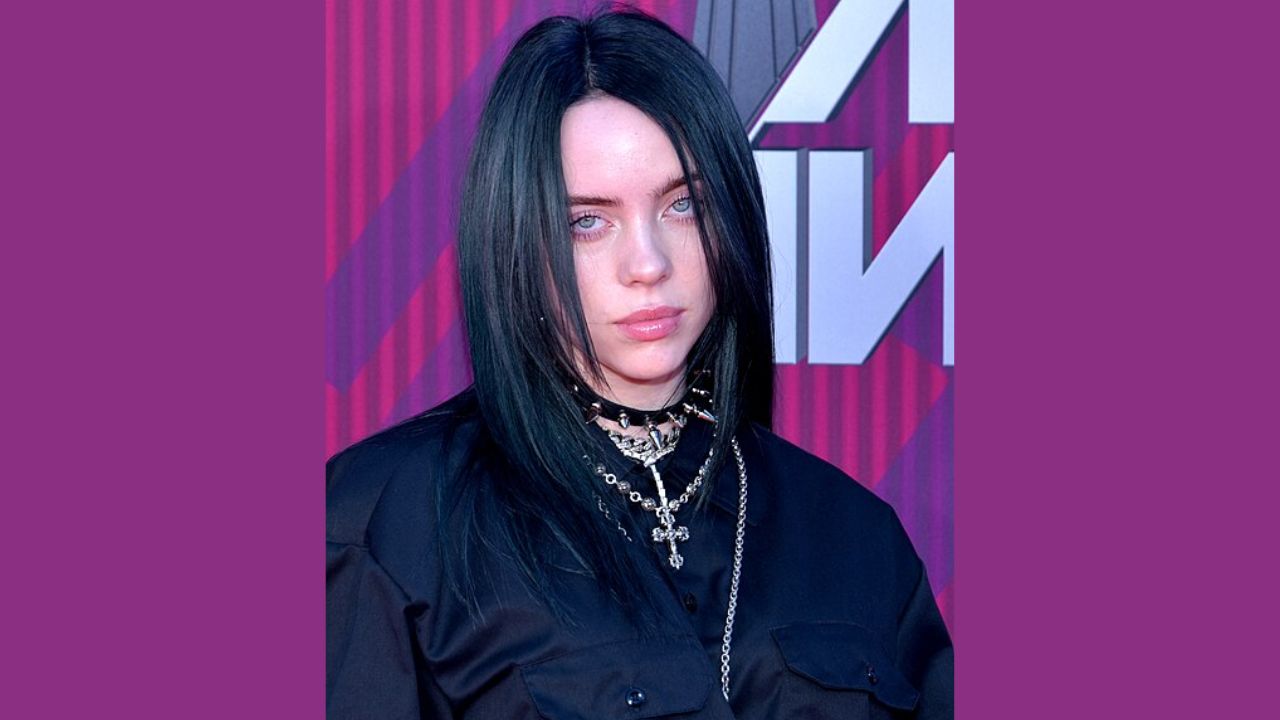
Billie Eilish’s latest Grammy win has been eclipsed by a charged debate over whether her politics match her personal choices. After denouncing immigration enforcement on what she called “stolen land,” the pop star is now facing pointed criticism from the Native American community tied to the ground beneath her own Los Angeles mansion. The clash has turned a familiar awards-show speech into a test case for what accountability should look like when celebrity activism collides with Indigenous land rights.
At the center of the controversy is the Tongva tribe, which says its ancestral territory includes the hillside where Eilish’s multimillion‑dollar home sits. Tribal leaders and commentators are accusing the singer of virtue signaling, arguing that her rhetoric about justice rings hollow while she continues to benefit from property that, in their view, embodies the very dispossession she condemned on stage.
From Grammy podium to political flashpoint
Billie Eilish used her Grammy acceptance moment to pivot from music to politics, tying her remarks to immigration enforcement and the history of conquest in North America. In her speech, the “Wildflower” singer, who is 24, criticized ICE and declared that “no one is illegal on stolen land,” a line that instantly ricocheted across social media and cable segments as a rallying cry for some and a provocation for others. Commentators who already viewed her as a progressive standard‑bearer seized on the moment as proof that she was willing to leverage prime‑time television to challenge federal power.
Yet the same words that energized supporters also opened Eilish to charges of inconsistency. Critics argued that invoking “stolen land” on a global broadcast invited scrutiny of her own footprint, particularly her life in Los Angeles luxury. Within hours, pundits and online voices were labeling the speech a “rant” and accusing her of grandstanding rather than engaging with the complex realities of immigration and Indigenous sovereignty, with some framing her anti‑ICE comments as a textbook case of virtue signaling.
The Tongva response and the question of “stolen land”
It did not take long for the people most directly connected to that phrase to respond. The Native American community whose ancestral territory covers much of the greater Los Angeles Basin publicly reminded fans that the land under Eilish’s mansion is part of their traditional homeland. Representatives of the Tongva tribe, sometimes referred to in coverage as The Native Amer or The Tonga, stressed that their claim is not abstract symbolism but a living connection to specific hillsides and neighborhoods that now host multimillion‑dollar properties. In their view, a celebrity invoking “stolen land” without naming the Tongva or engaging with their demands risks turning a history of dispossession into a rhetorical flourish.
Tribal voices went further, directly tying Eilish’s speech to her real estate portfolio. They noted that her Los Angeles residence, valued at about $3 million, sits on Tongva land and argued that her moral stance should extend beyond a televised statement to concrete action regarding that property. One Native American representative described her remarks as the work of a “virtue‑signaling singer,” pointing out that the tribe “owns the land under Billie Eilish’s LA mansion” and urging her to move beyond slogans to meaningful engagement with Tongva claims. Another account of the dispute framed the same criticism around her insistence that “no one is illegal on stolen land,” underscoring that the tribe’s frustration is focused as much on her property ownership as on her words at the Grammys, and highlighting how Tongva leaders see a gap between her rhetoric and her responsibilities.
Hollywood hypocrisy, social media fury, and calls to give the house back
Once the Tongva response surfaced, the story quickly migrated from tribal statements to the broader culture‑war arena. Commentators framed the episode as a “dose of Hollywood hypocrisy,” arguing that Eilish’s Grammy speech fit a familiar pattern of stars denouncing injustice while enjoying the fruits of the very systems they critique. One viral clip described how Billie Eilish, a Grammy‑winning pop figure, lives in a $3 million Los Angeles mansion on Tongva land and suggested that moral consistency would require more than a few pointed lines about ICE. The segment mocked the idea that a single awards‑show monologue could absolve a celebrity of complicity, insisting that “it does not exactly work that way” for someone whose wealth is tied to Hollywood privilege.
Social media amplified that critique into a blunt demand: if Eilish truly believes the land is stolen, she should give the house back. One widely shared post, tagged “ESTATE OF DENIAL,” asserted that the Tongva tribe had confirmed Billie Eillish’s $3 million Los Angeles home sits on their ancestral territory and used that fact to accuse her of benefiting from the very dispossession she condemned. The same post urged followers to pressure her to return the property to the Native American community, turning a moral argument into a concrete call for restitution tied directly to Tongva ownership. As the backlash grew, paparazzi images showed Eilish stepping out in Los Angeles while fans and critics online debated whether she should relinquish the $3 million home to the tribe whose ancestral territory includes much of the greater LA Basin.
Virtue signaling or imperfect allyship?
The charge of virtue signaling is doing heavy work in this dispute, and it is worth unpacking what critics mean when they apply it to Billie Eilish. For some, the term describes a pattern in which public figures adopt fashionable causes in highly visible settings while avoiding the personal costs that genuine solidarity might entail. In that reading, a Grammy speech about ICE and “stolen land” is less a courageous stand than a low‑risk performance that flatters the artist’s image. The Tongva response, which stresses that the Native American tribe whose ancestral territory includes the land beneath Billie Eilish’s multimillion‑dollar Los Angeles mansion expects more than symbolic acknowledgment, reflects a broader frustration with celebrities who invoke Indigenous struggles without naming tribes or engaging with specific land claims.