
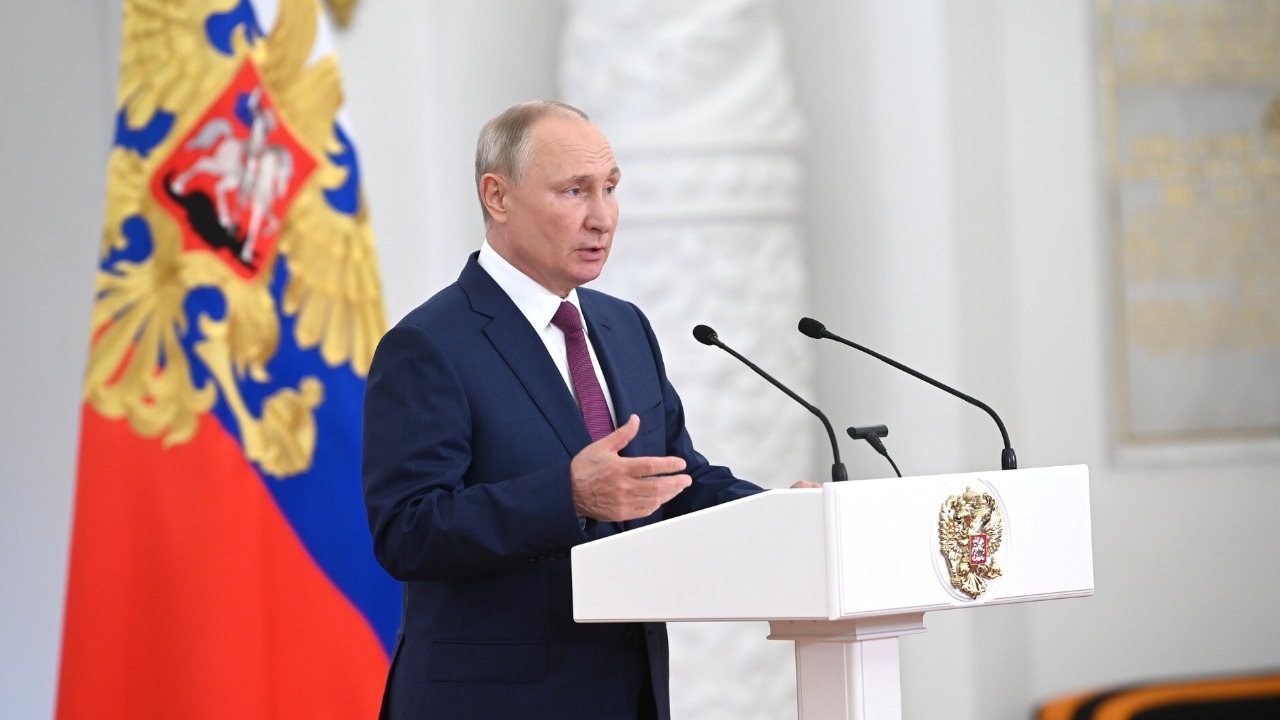
U.S. intelligence agencies have concluded that a recent Ukrainian drone strike inside Russia was not an attempt to assassinate Vladimir Putin or hit one of his homes, undercutting a central claim from the Kremlin. The assessment removes one of Moscow’s most explosive allegations against Kyiv, while raising fresh questions about how Russia is using the incident to shape the narrative around the war and ongoing peace efforts.
The finding, based on a detailed review by the Central Intelligence Agency and other U.S. services, indicates that the unmanned aircraft was aimed at a different military-related target in the same region as a Putin residence. It also aligns with Ukraine’s own denials that it tried to hit the Russian president, and with Western concerns that Moscow is inflating the episode to justify future escalation.
What U.S. intelligence says about the drone’s target
According to people familiar with the classified review, the CIA used its standard assessment methods to examine the flight path, navigation data and broader context of the Ukrainian drone strike. Analysts concluded that the aircraft was not directed at a residence linked to Russian President Vladimir Putin, but at another target in the same general area, a finding that directly contradicts the Kremlin’s public accusation that Kyiv tried to kill the Russian leader. Officials cited by multiple accounts said the assessment found no evidence of an attempted attack on Putin personally or on one of his homes, and that the available intelligence did not support Russia’s version of events.
U.S. national security officials in Washington have similarly determined that Ukraine did not attempt to target the Russian president in the incident, describing the allegation as unsupported by the underlying intelligence and by the drone’s apparent mission profile. One report on the internal review said the CIA assessment found no indication of a plot against Putin or his residences, while another account noted that U.S. agencies did not believe the Kremlin’s claim was true after examining the available data. A separate description of the episode said U.S. intelligence officials had concluded that Ukraine did not try to kill Putin in the alleged strike, and that the CIA declined to comment publicly on the matter.
Kyiv’s denial and the stakes for peace talks
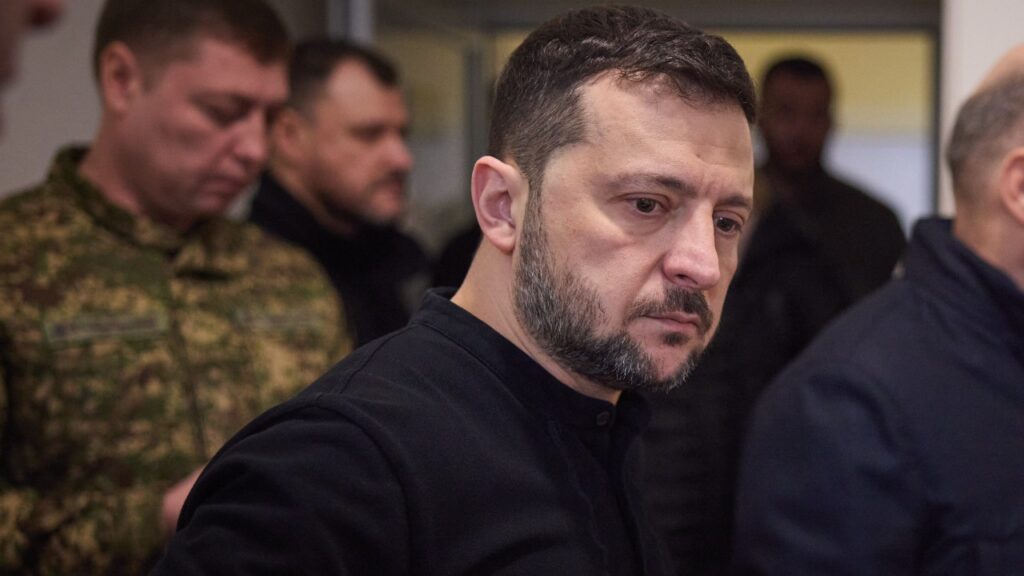
Ukrainian leaders have rejected Russia’s accusation from the outset, portraying it as a calculated fabrication designed to derail diplomacy and justify harsher military moves. Ukrainian President Volodymyr Zelenskyy has publicly dismissed Putin’s claim that his home was targeted, describing the story as a complete invention and accusing Moscow of trying to sabotage emerging peace efforts. In social media posts and public remarks, Zelenskyy has argued that Ukraine is focused on defending its territory and securing a just settlement, not on staging high-profile assassination attempts that could fracture international support.
Other Ukrainian officials have echoed that line, calling the narrative about a drone plot against Putin a deliberate attempt to disrupt talks and provide political cover for future Russian operations. One account of the diplomatic fallout said Ukraine viewed the allegation as a fabrication intended to obstruct ongoing peace efforts and to frame Kyiv as an irresponsible actor. Zelenskyy has also accused Russia and Moscow of using the story to undermine fragile diplomatic channels at a moment when outside mediators are trying to keep negotiations alive.
How Moscow is trying to keep its version alive
The Kremlin has not backed away from its assertion that Ukraine aimed the drone at Putin, even as U.S. intelligence has moved in the opposite direction. Russian officials have insisted they possess technical proof that the unmanned aircraft was programmed to strike a presidential residence, and they have promised to present that material to the public and to foreign partners. One Russian statement said that during a special technical examination of the navigation system unit of one of the Ukrainian unmanned aerial vehicles, experts allegedly found evidence that the drone had been set to hit a target associated with the Russian leadership, and that Moscow would provide this proof after the United States rejected its claim.
Russian state media and senior figures have amplified that message, arguing that the drone incident shows Ukraine is willing to carry out what they describe as terrorist attacks deep inside Russian territory. A report on the Kremlin’s response said Ukrainian equipment was examined and that Russian specialists concluded the aircraft had been directed at a high value political target, a claim that Moscow now uses to portray itself as the victim of Western backed aggression. Another account of the information battle noted that Russia continues to insist it has proof that Ukraine aimed the drone at a Putin residence, even as U.S. officials say the aircraft was likely targeting a different site in the same region.
Why Washington’s finding matters for the wider war
The U.S. assessment carries weight far beyond the technical question of where a single drone was headed. By publicly signaling that Ukraine did not try to kill Putin, Washington is pushing back against a narrative that could have justified a sharp Russian escalation or been used to erode Western support for Kyiv. One account of the internal deliberations said U.S. national security officials in Washington concluded that Ukraine did not attempt to target Russian President Vla, and that the allegation did not match the intelligence picture. Another report described how the CIA assessed that Ukraine was not targeting a residence of Russian President Vladimir Putin in the incident, a finding that has now been echoed across the U.S. government.
The conclusion also feeds into a broader debate in Washington and European capitals about how to manage escalation risks while still supporting Ukraine’s right to strike legitimate military targets inside Russia. President Donald Trump has signaled that Russia is blocking the path to peace in Ukraine, and the drone episode has become part of that larger conversation about Moscow’s intentions and tactics. One detailed account of the intelligence review said Kevin Liptak and Zachary Cohen reported that the CIA did not believe the Kremlin’s claim was true after reviewing the available intelligence, and that U.S. officials privately view the Russian narrative as part of a broader effort to cast Ukraine as reckless and to shift blame for stalled diplomacy.
The information war around a single strike
The clash over what the drone was targeting highlights how individual battlefield incidents can be weaponized in the information domain. For Moscow, framing the strike as an attempt on Putin’s life helps rally domestic support, paint Ukraine as a terrorist state and argue that Russia is under existential threat. For Kyiv and its backers, establishing that the drone was aimed at a different objective is crucial to preserving the image of a government acting within the bounds of wartime norms and focused on military, not civilian or personal, targets. One account of the episode said a U.S. official told reporters that Ukrainian President Volodymyr Zelensky dismissed Putin’s claim as a complete fabrication, and that there were no reports of damage or casualties consistent with a strike on a presidential residence.
As the war grinds on, both sides are acutely aware that global perceptions can shape military aid, sanctions policy and the space for negotiations. The U.S. finding that Ukraine did not target Putin in this case will not end the propaganda battle, but it does give Kyiv and its supporters a powerful rebuttal to one of the Kremlin’s most incendiary recent claims. With New details from U.S. assessments continuing to surface, the episode underscores how intelligence findings are now central not only to battlefield decisions, but also to the competing stories each side tells the world about who is escalating and who is seeking a way out of the conflict.