
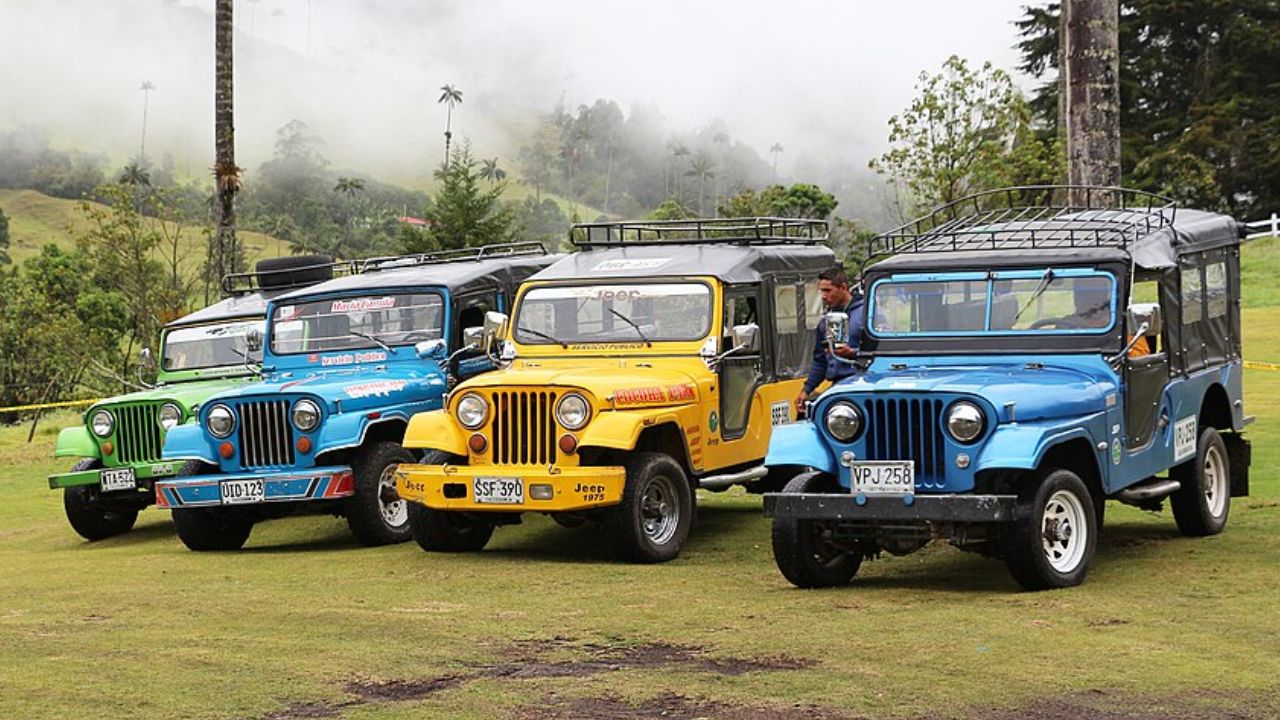
Modern off-road trucks love to sell “military-grade” toughness. The more useful story is how real military requirements—fleet reliability, payload, modularity, and maintainability—helped set the baseline for what consumers now recognize as a serious 4×4. This isn’t about armor or battlefield survivability translating to weekend trails. It’s about the practical design habits that emerge when a vehicle has to run hard, be repaired quickly, and keep moving in punishing conditions.
Over time, that created a feedback loop: militaries bought durable tactical vehicles; manufacturers learned what failed and what held up; and civilian brands adopted the cues that mattered—high ground clearance, low-range gearing, robust frames, recovery points, and service access that doesn’t require a shop full of special tools. Today’s off-road market treats capability as both a functional expectation and a marketing language. Below are 10 military vehicle families—and one enduring design mindset—that helped shape the toughest off-road trucks on the road, or at least the features those trucks compete on.
1) Willys/Jeep MB: the template for light 4×4 utility
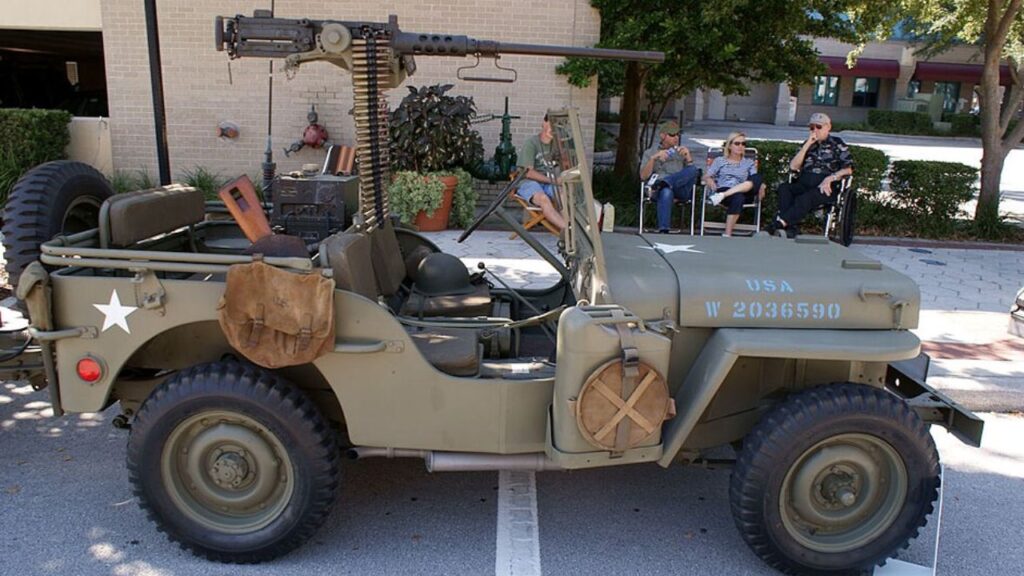
The WWII-era Willys/Jeep MB is a foundational reference point for the light 4×4 idea: a compact vehicle that can be a general-purpose tool. Its lasting influence isn’t about a direct parts link to modern rigs. It’s the concept of a vehicle that’s simple to operate, easy to keep running, and useful across a wide range of tasks.
That mindset still shows up whenever an off-road trim prioritizes proportions and fundamentals—approach and departure angles, mechanical traction, and straightforward, durable interiors—over luxury or power for its own sake. For enthusiasts, it’s a reminder that capability starts with packaging and simplicity, not just horsepower numbers.
2) AM General HMMWV (Humvee): stance, clearance, and the “tactical” look
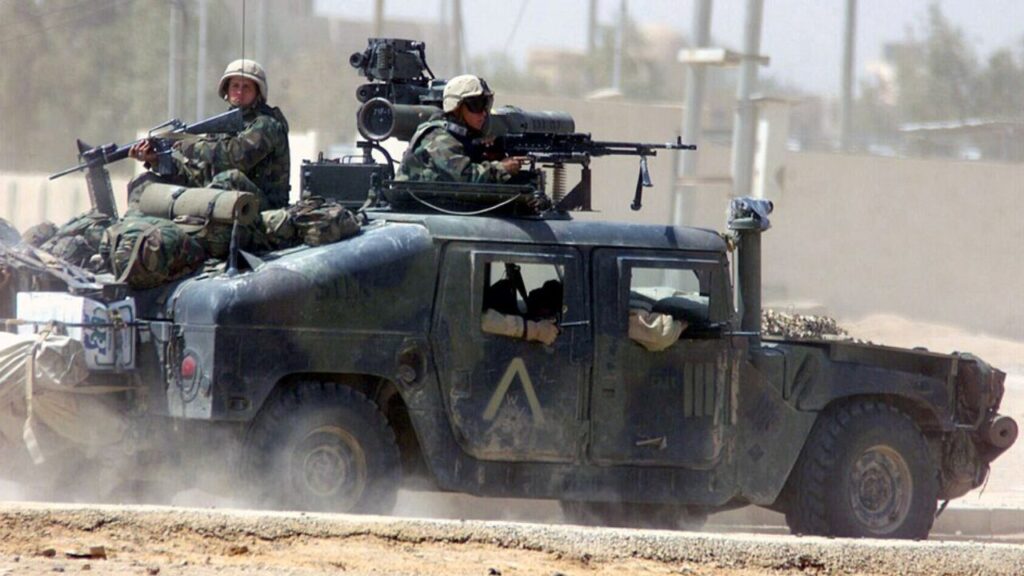
The AM General HMMWV—better known as the Humvee—helped popularize a visual language of toughness: a wide stance, tall ride height, and an unmistakably utilitarian posture. Public familiarity also made it a frequent point of comparison for civilian styling and branding, especially once the Humvee-to-Hummer concept entered the broader consumer imagination.
Beyond looks, the influence is the way fleet use pushes designers toward rugged underbody protection, heavy-duty suspension thinking, and clearly integrated recovery provisions. It also comes with an important caveat: military platforms are often optimized around payload, uptime, and maintainability—not necessarily the precise low-speed crawling behavior some civilian rock-focused builds chase.
3) Land Rover Defender (military variants): durability ethos and expedition utility
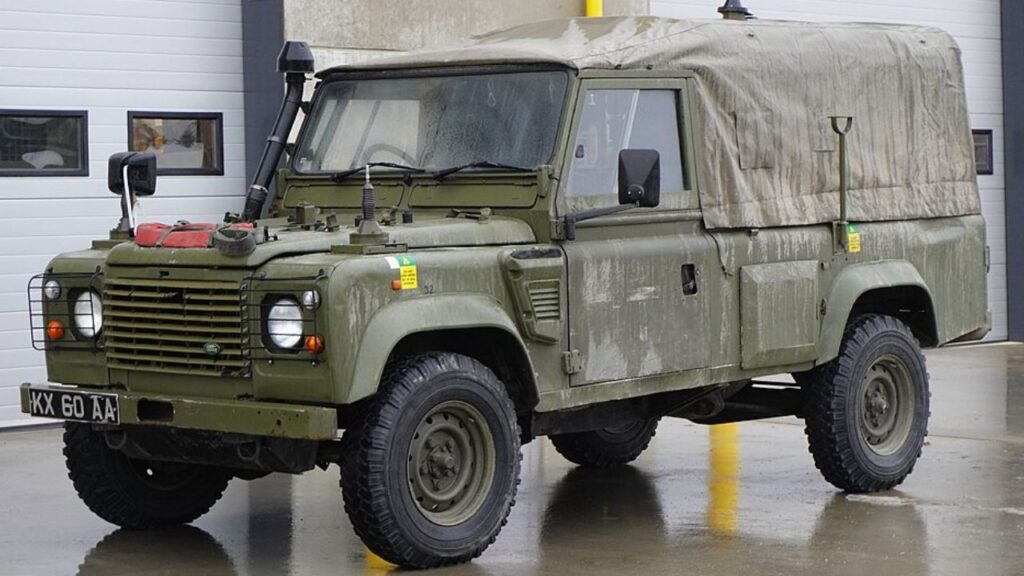
Land Rover Defender military variants are a clear example of military demand reinforcing a civilian platform’s reputation for hard use. The influence on today’s off-road culture is less about a direct lineage to specific modern trucks and more about an expedition-ready checklist: practical packaging, utility-first design, and the assumption that the vehicle may operate far from dealership support.
That thinking carries into modern off-road SUVs that emphasize load management, rack and accessory ecosystems, and gear-carrying solutions designed to be used repeatedly—not just photographed. In both military and civilian contexts, the appeal is the same: a vehicle that supports self-sufficient travel and doesn’t require constant babysitting.
4) Mercedes-Benz G-Class (military G-Wagen): honest utility turned prestige toughness
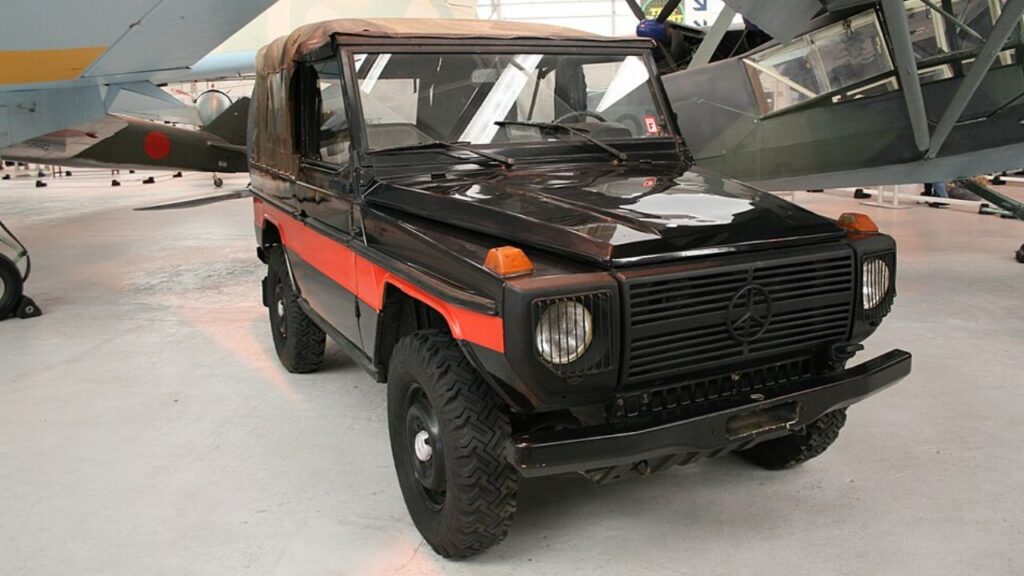
The G-Class has long straddled two worlds: utilitarian roots and high-end civilian appeal. Military G-Wagen variants helped cement the idea that an upright, boxy 4×4 can be functional and iconic—even as the civilian market pushed the model deeper into luxury.
Its influence shows up in two places: design language (flat sides, upright glass, visible hardware cues) and the broader normalization of heavy-duty underpinnings paired with everyday drivability. Military buyers value predictable performance and repeatable maintenance. Civilian buyers reward the same “built to last” character, even when their use case is far less demanding.
5) Unimog: the extreme end of clearance and work capability
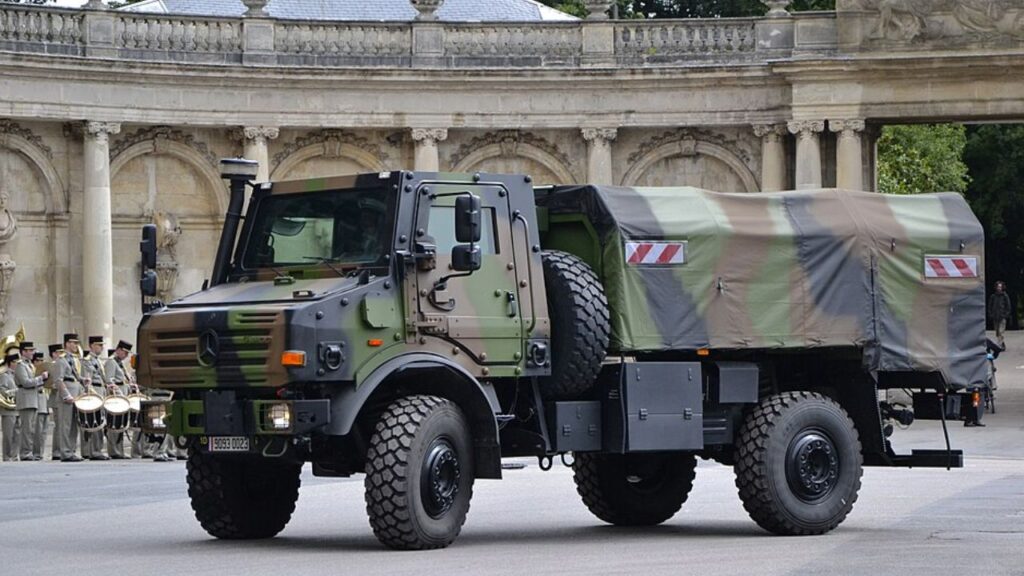
The Unimog sits at the workhorse end of military mobility, where terrain access and utility matter more than comfort. Most civilian buyers aren’t shopping for anything close to Unimog-level capability, but the influence is easy to see in what off-road customers now value: ground clearance, articulation, and suspension setups that can carry equipment without immediately turning soft or fragile.
Unimog-style thinking also nudges the conversation beyond “can it get through?” toward “can it get through while working?” That aligns with military priorities tied to expeditionary logistics and support. For consumers, it’s a useful distinction: payload and durability are a different kind of toughness than a weekend-only crawler build.
6) Pinzgauer: packaging, traction, and an accessibility-first layout
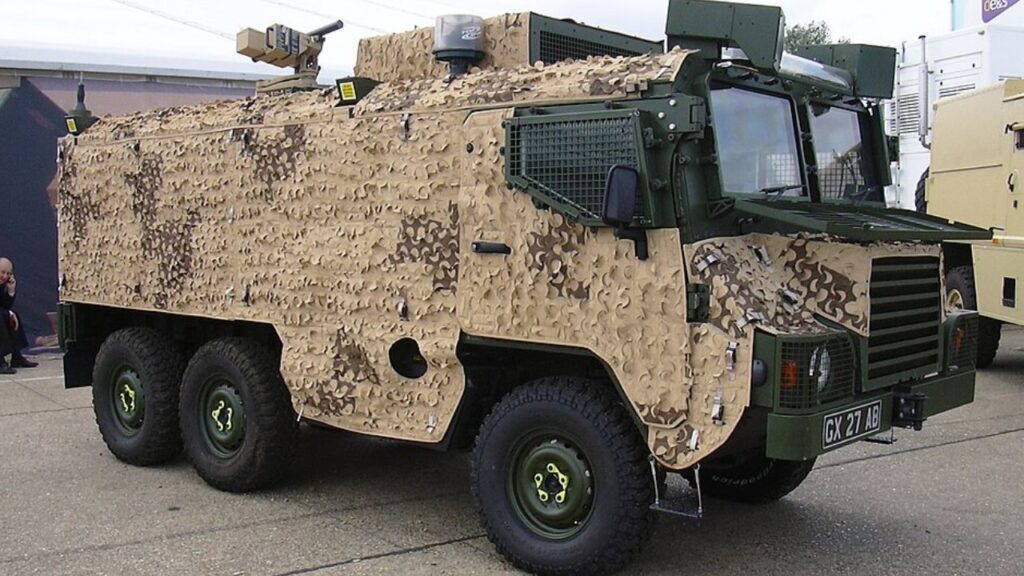
The Pinzgauer is often mentioned in off-road circles for its purpose-built approach to mobility and serviceability. Its broader influence is the discipline of designing a vehicle around real access—reaching what needs attention, carrying mission gear efficiently, and reducing the chaos that builds up when a cabin has to do everything.
Modern off-road trucks echo this in smaller, more consumer-friendly ways: modular storage, accessory mounting options, and layouts that anticipate recovery and basic trail-side fixes. The value transfer isn’t a specific component. It’s designing around use, not just appearance.
7) Modern light tactical thinking (illustrative: JLTV): modularity and maintainability as capability
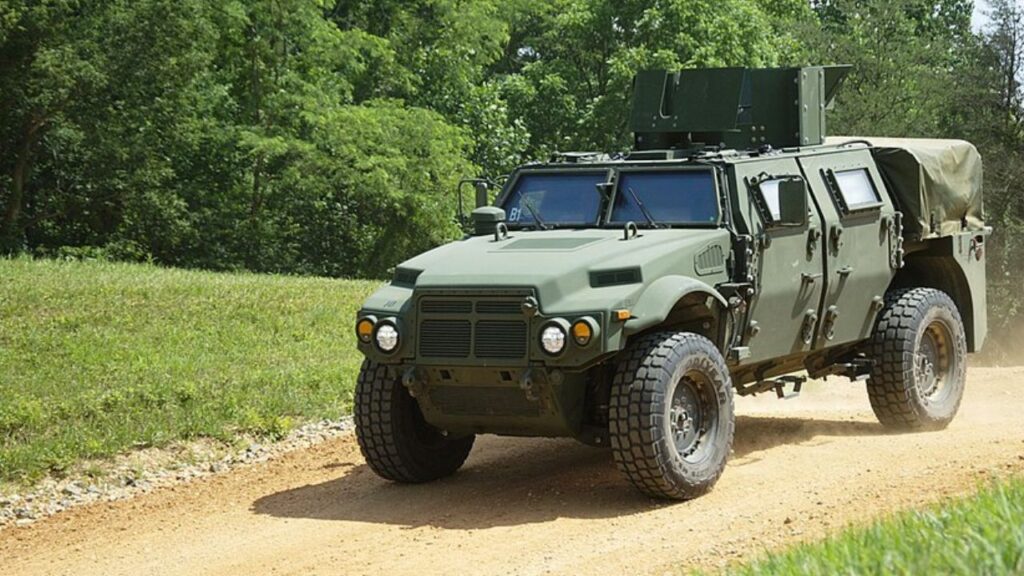
Even when a modern light tactical vehicle like the JLTV doesn’t map directly onto a civilian showroom truck, it represents a direction in military priorities: modularity, simplified maintenance, and systems built around fleet readiness. That mindset has filtered into civilian expectations, where factory off-road packages increasingly include integrated recovery points, underbody protection, and pre-wired capacity for common accessories.
The key caution still applies: civilian “toughness” is rarely about survivability features, and recreational needs don’t always match procurement goals. The takeaway is the design approach—build for repeatable upfitting, predictable maintenance, and reduced downtime.
8) NATO/European 4×4 utility platforms: convoy reality and converging requirements
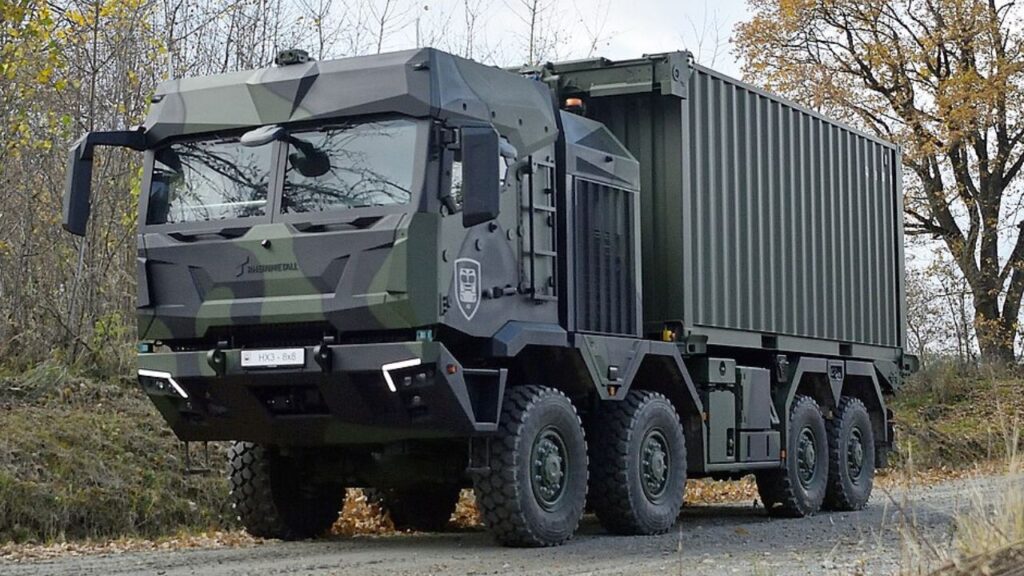
Across NATO and many European forces, a consistent pattern shows up in tactical mobility: vehicles expected to handle mixed road-and-trail movement, long service life, and maintenance that can be standardized across a fleet. The specific models vary by country and era, but the themes repeat—robust frames, practical gearing, and an emphasis on recovery and self-sufficiency over showmanship.
Those same cues now dominate civilian off-road marketing because they’re both visible and useful: clearance you can understand at a glance, hooks you can actually use, and driveline hardware that signals the truck is built for more than curb appeal. When different organizations face similar constraints, the solutions tend to converge—and that’s one reason serious off-road trucks increasingly resemble each other in the fundamentals.
9) Utility transports and 4×4/6×6 workhorses: logistics as the real durability test
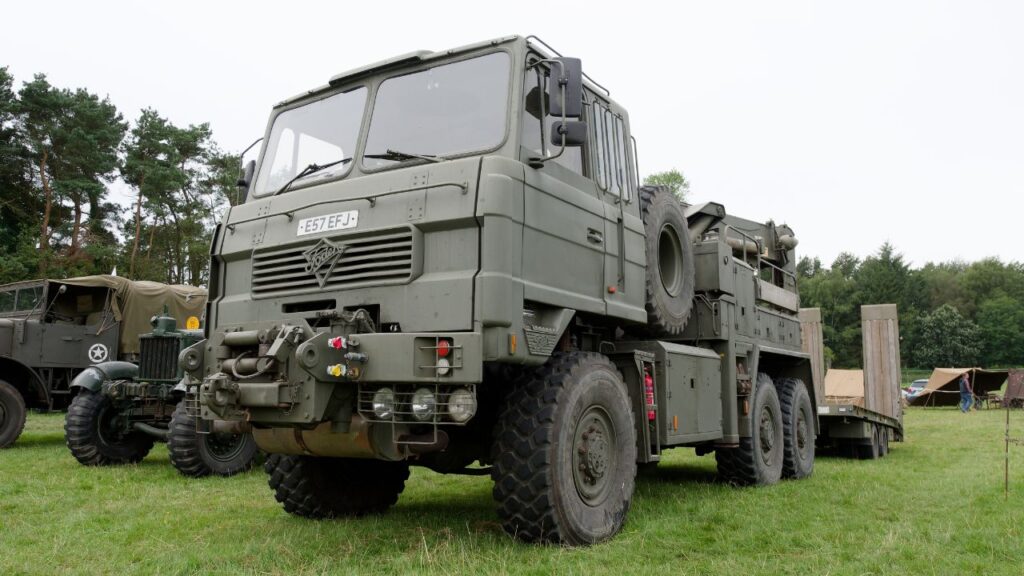
Not every influential military vehicle is a recognizable “light truck.” Utility transports and rugged 4×4/6×6 workhorses—built to move supplies, not to be famous—reinforced a practical definition of toughness: uptime under load, day after day. In the civilian world, that influence appears whenever manufacturers emphasize frames, axles, cooling capacity, and the ability to carry weight without overheating, sagging, or wearing out prematurely.
This is also where fleet logic mirrors commercial reality. Militaries need predictable maintenance and straightforward service tasks at scale. Civilian brands have different incentives, but the pressure is similar: durability reduces warranty costs and protects reputation. For buyers, it’s a useful filter for separating cosmetic off-road packages from hardware meant to survive repeated use.