
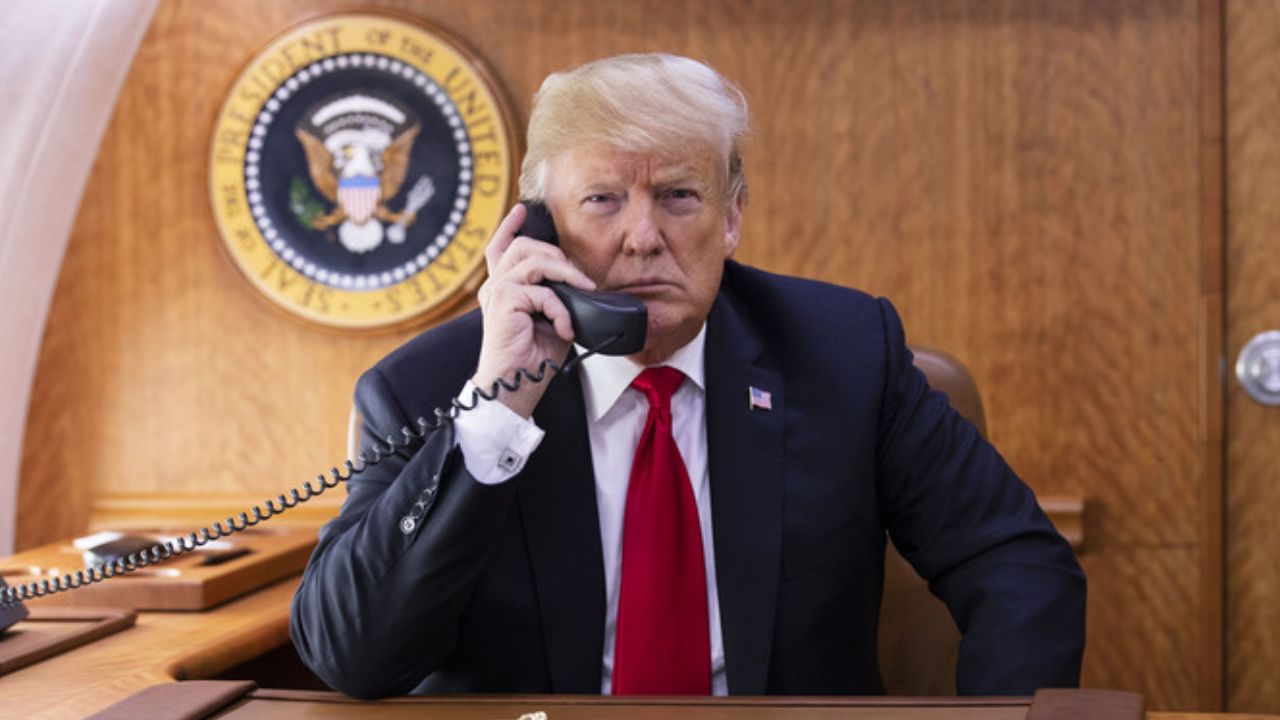
When Donald Trump arrived in Washington in January 2017, it didn’t feel like a routine changing of the guard. The new president wasn’t a lifelong politician, and he didn’t pretend to be one. From day one, he brought a kind of reality-TV tempo to a place that usually runs on careful scripts, quiet norms, and lots of behind-the-scenes bargaining.
Supporters saw a straight-talking outsider who’d shake up a system they believed had gotten complacent. Critics saw a leader who treated the presidency like a brand and the daily news cycle like a sparring partner. Either way, the White House had a new vibe—louder, faster, and much less predictable.
A political outsider who didn’t act like one
Trump’s unconventional style started with his origin story. He came from business and entertainment, not Congress, governors’ mansions, or military service. That background shaped how he talked, how he negotiated, and how he sized up opponents—often like a competitor, not a colleague.
Presidents usually lean heavily on political tradition because it helps them navigate Washington’s maze. Trump often seemed to treat tradition as optional, or at least negotiable. For many voters, that was the point: they didn’t want another leader fluent in Senate procedure; they wanted someone who’d bulldoze obstacles and ask questions later.
Twitter as a presidential loudspeaker
No part of Trump’s approach grabbed attention quite like his use of social media, especially Twitter. Instead of letting aides deliver messages through carefully crafted statements, he regularly posted his own reactions in real time. It was direct, it was personal, and it regularly set the day’s agenda—sometimes before sunrise.
That habit kept allies and opponents on their toes. A single tweet could spark a market ripple, restart a policy debate, or kick off a fresh round of cable-news analysis. It also created a presidency where the official message didn’t always come from a press briefing or a policy memo—it came from the president’s phone.
Rallies, spectacle, and the permanent campaign
Even after winning the election, Trump kept the energy of a candidate. He held rallies throughout his term, using them to reinforce his connection with supporters and to frame the news on his terms. The events felt less like traditional presidential appearances and more like live feedback sessions with a cheering crowd.
This “permanent campaign” approach blurred the line between governing and politicking. For supporters, it was a sign he hadn’t been absorbed by Washington. For critics, it suggested he preferred the applause of the arena to the slower, quieter work of coalition-building.
A different relationship with the press
Presidents and reporters have never been best friends, but Trump turned the tension into a central feature of his brand. He frequently criticized major outlets, called unfavorable coverage unfair, and relished public disputes with journalists. The press, in turn, covered him intensely, sometimes with a sense of disbelief that he’d say certain things out loud.
The result was a constant push-and-pull that reshaped daily White House rhythms. News conferences, interviews, and even casual exchanges could become national moments. It also meant that media criticism wasn’t just a response to coverage—it was often part of the strategy.
Governing by instincts, with aides in the spotlight
Trump often projected a leader’s confidence in gut instinct. He liked making bold claims, testing boundaries, and moving quickly—sometimes faster than the bureaucracy could comfortably follow. That approach created a sense of motion, but it also led to confusion when messaging or policy details lagged behind big announcements.
His administration also became known for high staff turnover and a cast of prominent advisers who drew as much attention as cabinet officials typically do. The internal debates—between ideological factions, policy professionals, and political strategists—often spilled into public view. In most White Houses, those arguments happen behind closed doors; here, they could feel like part of the show.
Norm-breaking as a feature, not a bug
Trump’s presidency repeatedly challenged norms that many Americans had come to expect, even if they weren’t written into law. He was comfortable criticizing institutions publicly, putting pressure on allies, and using sharp language that previous presidents generally avoided. To supporters, it looked like honesty; to critics, it looked like erosion of standards.
It also sparked a bigger question: how much of the American system relies on rules, and how much relies on shared expectations? Trump’s style tested those expectations in real time. And because it was so visible—often playing out on TV and social media—people weren’t just debating policies; they were debating what the presidency should look like.
Policy moments shaped by personality
Trump’s unconventional style wasn’t just about tone; it influenced policy rollouts and negotiations. He preferred big, clear slogans and attention-grabbing announcements, which could help rally support but sometimes complicated the fine print. Whether it was immigration, trade, or foreign policy, his approach often put maximum pressure on the conversation from the start.
That style could create leverage, but it could also create volatility. Allies sometimes had to interpret shifting signals, and opponents sometimes struggled to decide what was firm policy versus bargaining posture. In a conventional administration, ambiguity is usually hidden; in Trump’s White House, it could be a headline.
How it changed the Republican Party—and the opposition
Trump didn’t just fit into the Republican Party; he reoriented it. His emphasis on populism, skepticism of some traditional free-trade ideas, and focus on cultural fights reshaped what many voters expected from GOP leaders. Politicians who once might have kept a careful distance often found that aligning with his style carried benefits with the party base.
At the same time, his presidency energized opposition movements and boosted turnout for Democrats in key elections. His supporters and critics weren’t merely disagreeing over tax rates or regulatory policy; they were arguing over identity, institutions, and whose voice mattered. Politics felt more personal, for better or worse.
An enduring imprint on presidential politics
One reason Trump’s White House style remains a touchstone is that it changed expectations about communication and conflict. Future candidates watched how attention could be captured—sometimes with a single phrase, sometimes with a direct attack, sometimes with a surprise announcement. Whether they admired it or hated it, many learned from it.
It also reminded everyone that the modern presidency is partly performance. Trump leaned into that more openly than most, turning routine moments into high-stakes drama and using confrontation as a tool. The country is still sorting out what it wants next: a return to quieter norms, a different kind of disruption, or something in between.