
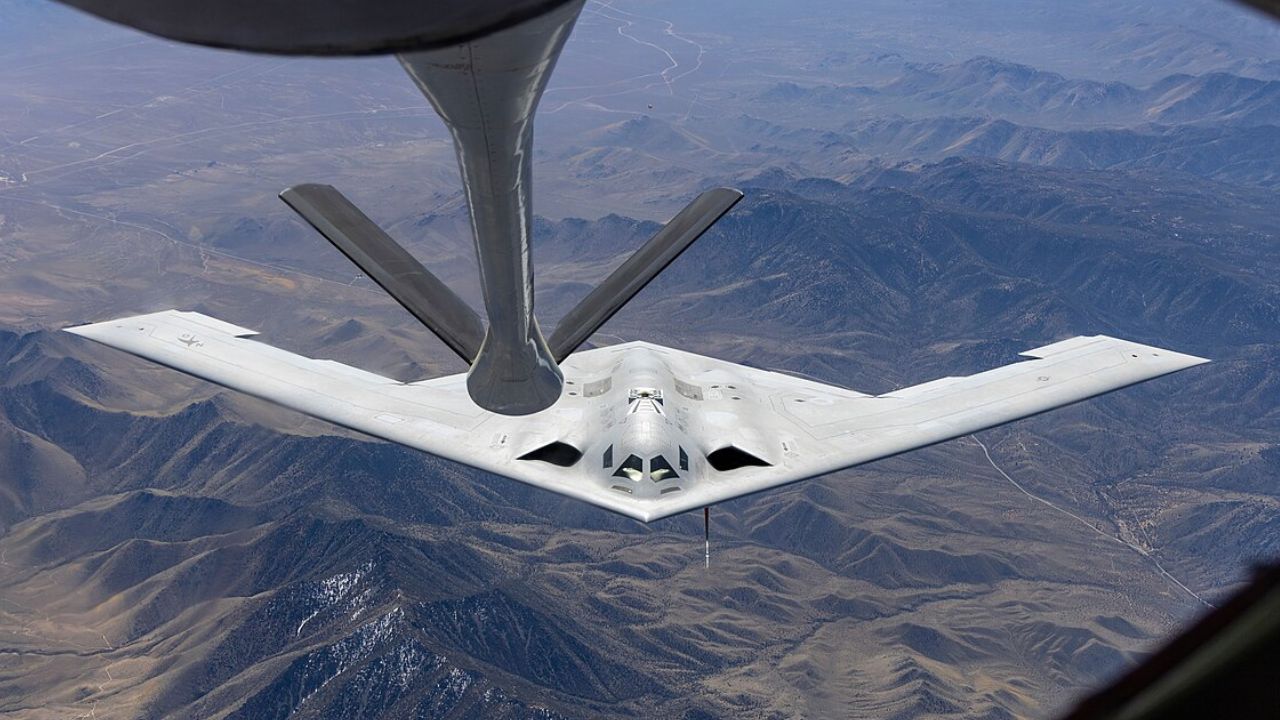
The U.S. Air Force (USAF) has accelerated its timeline for integrating operational test pilots into the cockpit of the B-21 Raider, marking a significant shift in its approach to flight testing and operational readiness for this advanced bomber aircraft.
Background of the B-21 Raider Program
The B-21 Raider represents a new era in strategic bombing capabilities for the U.S. military. Designed as a long-range, stealthy bomber, the B-21 is intended to penetrate advanced air defense systems and deliver precision strikes on high-value targets. Its design incorporates cutting-edge stealth technologies, advanced avionics, and a flexible payload capacity, allowing it to adapt to various combat scenarios. Built by Northrop Grumman, the B-21 aims to replace the aging B-1 and B-2 bombers, providing a modern solution to meet evolving threats in the global landscape.
Historically, bomber programs have experienced extensive testing phases that often stretch over years, if not decades. For example, the B-2 Spirit underwent a lengthy development process that delayed its operational deployment. The B-21 program, however, seeks to streamline this process by integrating operational test pilots earlier in the flight testing phases. This adjustment reflects the USAF’s recognition of the need for rapid adaptation and deployment in an age of fast-paced technological advancements and shifting geopolitical dynamics.
Significance of Early Pilot Integration
Integrating operational test pilots into the B-21’s cockpit earlier than planned presents several advantages. First and foremost, it allows for a more comprehensive assessment of the aircraft’s capabilities in real-time conditions. Operational test pilots bring invaluable experience in evaluating aircraft performance, and their involvement can help identify any potential issues sooner rather than later. This proactive approach can lead to quicker resolutions, ultimately shortening the time it takes to achieve full operational capability.
Moreover, early integration can enhance the overall development process. By involving test pilots who are familiar with current operational requirements, the B-21’s design can be fine-tuned to meet the needs of its future operators. This contrasts significantly with past programs where pilot input tended to come late in the testing phases, often resulting in modifications that delayed deployment. By prioritizing pilot involvement, the USAF is not only accelerating the B-21’s development timeline but also ensuring that it aligns more closely with the demands of modern warfare.
Operational Test Pilots: Roles and Responsibilities
Operational test pilots play a crucial role in military aviation, acting as the bridge between engineering design and operational performance. Their responsibilities encompass a wide range of activities, including evaluating aircraft systems, conducting mission profiles, and providing feedback to engineers regarding performance and safety. In the context of the B-21 Raider, these pilots will be tasked with rigorously testing the aircraft’s capabilities, assessing its stealth features, and evaluating its performance under various combat scenarios.
Preparing operational test pilots for the B-21 involves extensive training that ensures they are equipped to handle the complexities of this advanced bomber. This preparation includes simulations, classroom instruction, and hands-on experience with the aircraft’s systems. Given the B-21’s sophisticated technology, such as its advanced avionics and stealth capabilities, operational test pilots must possess a deep understanding of these features to effectively assess the bomber’s performance in real-world conditions.
Technological Innovations in the B-21
One of the most notable features of the B-21 Raider is its advanced stealth capabilities. Unlike traditional bombers that rely on speed and altitude, the B-21 employs cutting-edge technologies to minimize its radar signature, making it significantly harder for enemy defenses to detect. This innovation is crucial in future combat scenarios, where penetrating heavily fortified airspace will be a key requirement for success.
In addition to stealth, the B-21 integrates state-of-the-art avionics and systems, including advanced sensors and communication technologies. These systems enhance situational awareness, enabling pilots to make informed decisions in dynamic combat environments. The incorporation of these technologies not only affects how the B-21 operates but also necessitates a re-evaluation of pilot training programs. As the B-21’s systems become more advanced, the training of operational test pilots must evolve to ensure they can leverage these capabilities effectively during testing and future missions.
Recent Milestones in the B-21 Program
The B-21 program has achieved several significant milestones that highlight its rapid progress. The decision to integrate operational test pilots earlier than originally planned marks a crucial step in the program’s timeline. The first operational test flight with a pilot in the cockpit is a momentous occasion that showcases the USAF’s commitment to advancing the B-21’s development efficiently.
Reactions from USAF leadership and industry stakeholders have been overwhelmingly positive, signaling confidence in the B-21’s potential. As noted by various defense analysts, this shift in pilot integration reflects a broader trend within military aviation to prioritize operational readiness and responsiveness. The accelerated testing phase not only fosters innovation but also positions the B-21 as a critical component of the USAF’s strategic framework moving forward.
Challenges Ahead for the B-21 Program
Despite the promising advancements, the B-21 program is not without its challenges. As operational testing progresses, potential technical and logistical hurdles may arise, necessitating careful management to avoid delays. The complexity of integrating advanced systems into the B-21 poses risks that must be mitigated through rigorous testing and evaluation.
Additionally, budgetary considerations are a significant factor influencing the program’s trajectory. The USAF must balance the costs associated with developing and testing the B-21 against other pressing needs within the military. Lessons learned from previous bomber programs, such as the B-2 Spirit, highlight the importance of maintaining fiscal discipline while fostering innovation. The B-21’s development will require ongoing assessments to ensure that it remains on track and within budget, which is essential for its long-term success.
Strategic Implications for the USAF
The B-21 Raider is poised to play a pivotal role in the broader strategy of the U.S. military. Its advanced capabilities are expected to enhance the USAF’s deterrence capabilities and contribute to a more robust global military presence. As adversarial threats evolve, the B-21 will provide the USAF with a strategic advantage, allowing for precision strikes and deep penetration missions that were previously unattainable.
Moreover, the B-21’s design and functionality will facilitate joint operations with other branches of the military, enhancing overall coordination and effectiveness in combat scenarios. By integrating advanced technology and pilot experience early in the testing process, the USAF is positioning the B-21 as a cornerstone of its future operational strategy, ensuring that it remains competitive in an increasingly complex global landscape.
Future Testing and Development Plans
Looking ahead, the B-21 program has outlined a series of planned flight tests and milestones that will further evaluate the aircraft’s performance and capabilities. These tests will focus on various operational scenarios, assessing the B-21’s effectiveness in both conventional and unconventional warfare. The timeline for achieving operational readiness is ambitious, reflecting the USAF’s commitment to rapidly integrating the B-21 into its fleet.
As the program progresses, expectations for deployment timelines remain optimistic. The B-21 has the potential to reshape the U.S. military’s approach to strategic bombing, ensuring that it remains at the forefront of technological innovation. The long-term vision for the B-21 includes not only its successful deployment but also the development of successors that will continue to meet the evolving demands of modern warfare.
Community and Industry Reactions
Public perception of military aviation may also be influenced by these advancements, as the B-21 program represents a shift toward more agile and responsive military operations. As the USAF continues to prioritize innovation and efficiency, the B-21 Raider is likely to become a symbol of the future of military aviation, showcasing the importance of integrating operational expertise into the development process.