

The Strait of Hormuz is a strategic waterway that plays a critical role in global oil transportation and regional security. As such, it serves as a testing ground for the latest military technologies that aim to enhance maritime security and defense capabilities. These cutting-edge systems are being evaluated for their effectiveness and adaptability in challenging conditions.
Autonomous Surface Vessels
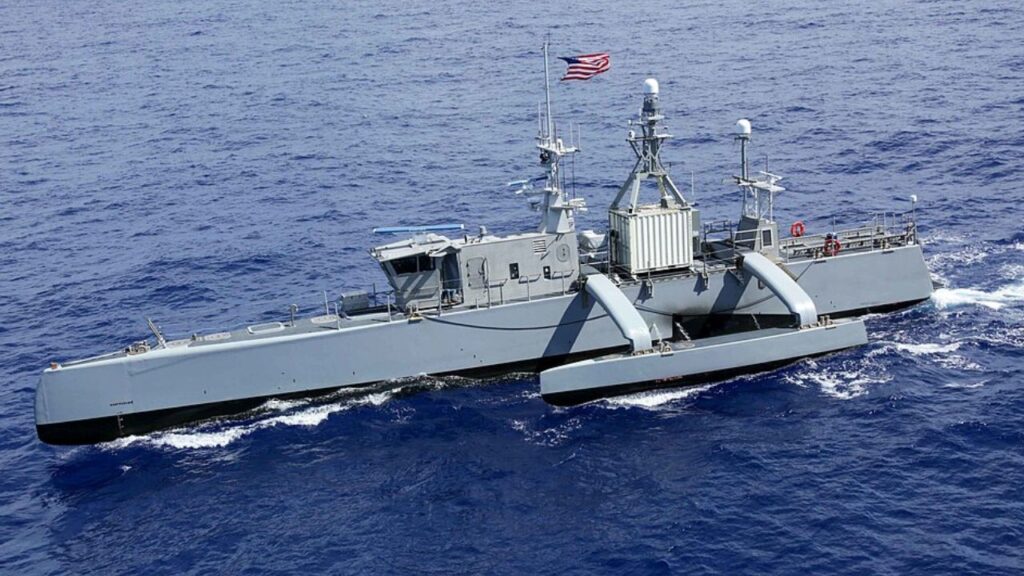
Autonomous Surface Vessels (ASVs) are revolutionizing maritime operations by enabling remote navigation and control. In the Strait of Hormuz, these vessels are being tested to perform reconnaissance and surveillance tasks without human intervention. ASVs like the Sea Hunter, a project by DARPA, are equipped with advanced sensors that allow them to detect and track other vessels while avoiding obstacles.
The use of ASVs reduces the risk to human life in potentially hostile environments and allows for continuous operations without fatigue. These vessels are particularly valuable for monitoring maritime traffic and conducting anti-piracy patrols in the Strait of Hormuz, providing a persistent presence that can react swiftly to emerging threats.
Unmanned Aerial Vehicles
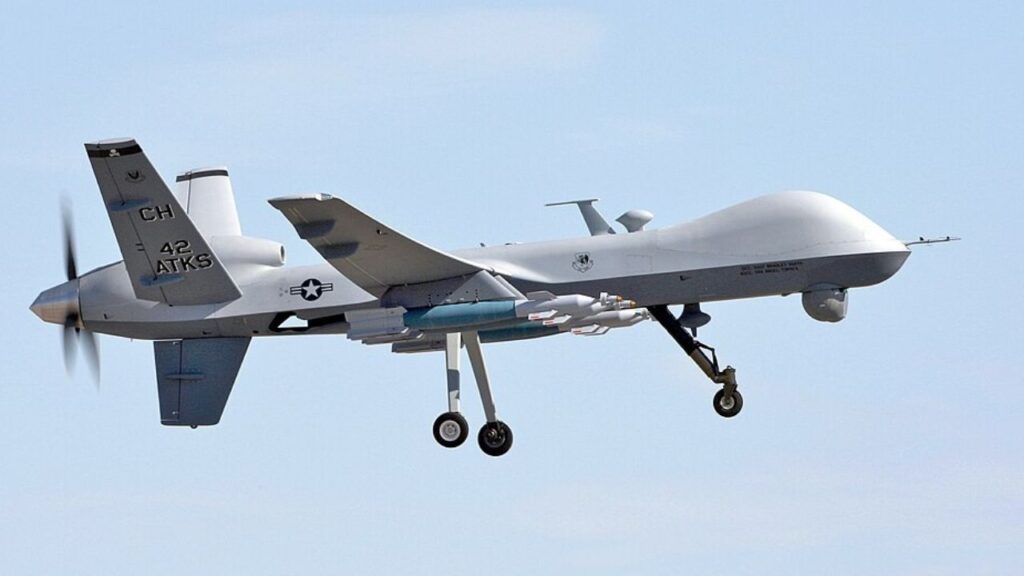
Unmanned Aerial Vehicles (UAVs), also known as drones, are extensively tested in the Strait of Hormuz for both surveillance and combat roles. UAVs like the MQ-9 Reaper are equipped with high-resolution cameras and sensors, enabling real-time intelligence collection over vast ocean areas. This capability is crucial for monitoring the heavy maritime traffic and identifying any suspicious activities.
Furthermore, UAVs provide a significant advantage in terms of flexibility and adaptability. They can be deployed rapidly in response to specific threats or to gather intelligence on potential adversaries. Their ability to operate in hostile environments without direct human intervention makes them an invaluable asset for military operations in the region.
Advanced Sonar Systems
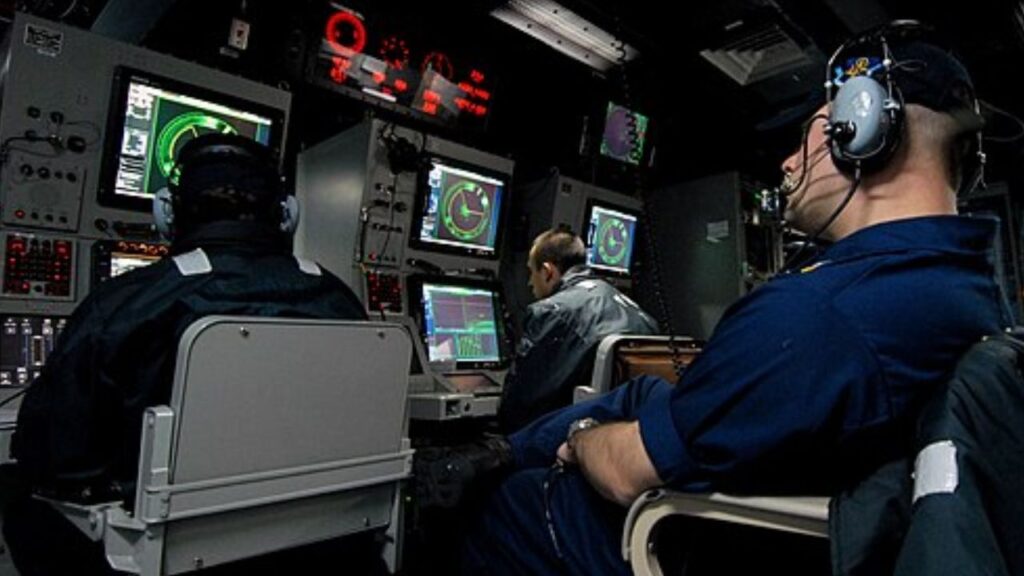
Advanced sonar systems are critical for detecting and tracking underwater threats, such as submarines or mines, in the Strait of Hormuz. These systems, including the AN/SQQ-89(V)15, provide enhanced detection capabilities by emitting sound waves that bounce off objects underwater and return to the source, allowing for accurate mapping of the underwater environment.
In the Strait of Hormuz, these sonar systems are tested for their ability to operate in shallow and congested waters, where traditional sonar might struggle. The data collected from these tests help refine sonar technology, ensuring that naval forces can maintain a tactical advantage over potential underwater threats.
Hypersonic Missile Defense
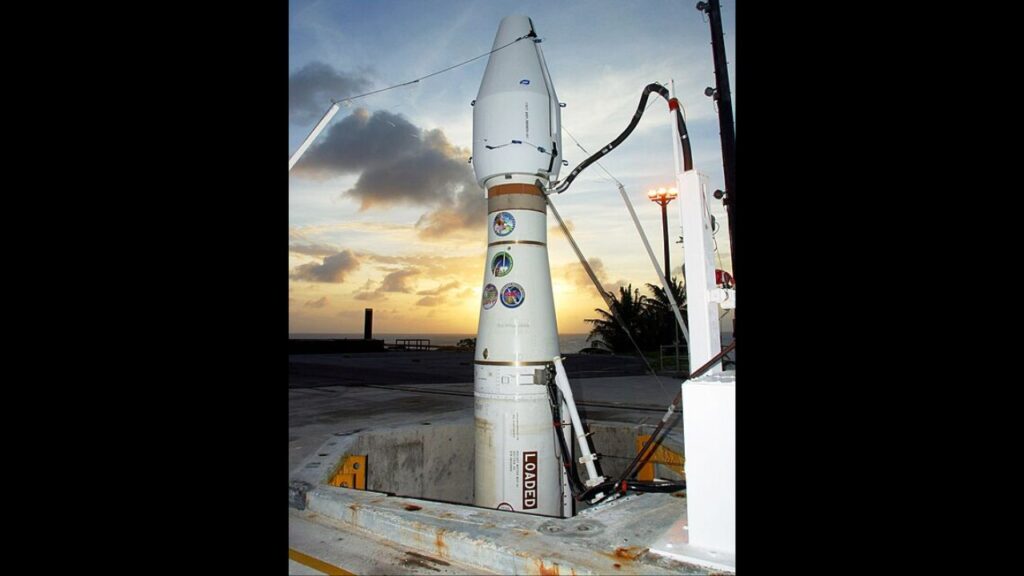
As hypersonic missile technology advances, so does the need for effective defense systems. The Strait of Hormuz serves as a testing ground for hypersonic missile defense systems designed to detect, track, and intercept these high-speed threats. Systems like the Ground-based Midcourse Defense (GMD) are evaluated for their effectiveness in intercepting hypersonic targets.
The challenge of defending against hypersonic missiles lies in their speed and maneuverability. Testing in the Strait of Hormuz provides valuable data on how these systems perform in a real-world environment, contributing to the development of more reliable and efficient defense mechanisms.
Cyber Warfare Technologies
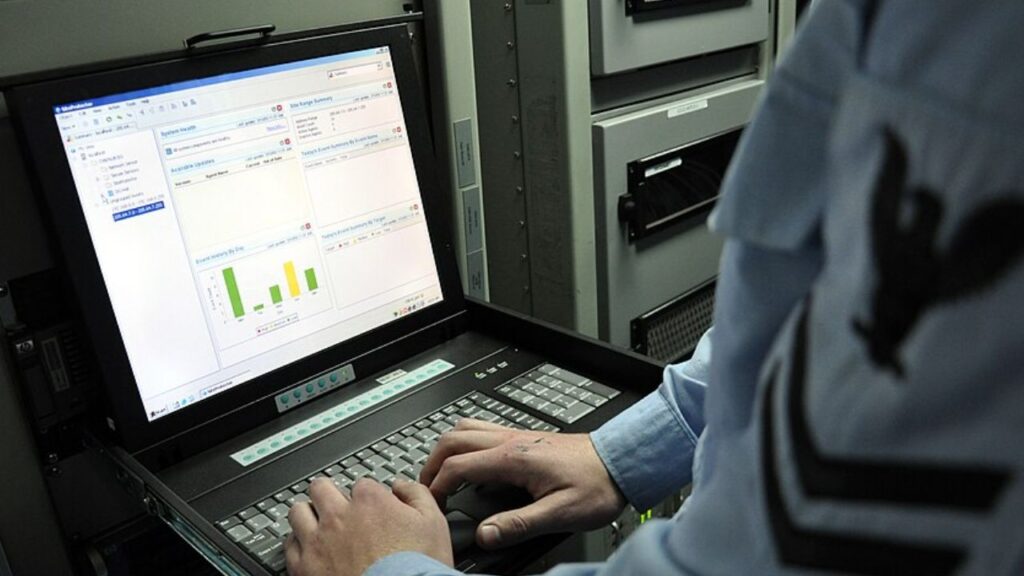
In today’s interconnected world, cyber warfare is a critical component of modern military operations. The Strait of Hormuz is an ideal testing ground for cyber warfare technologies that aim to protect critical infrastructure and disrupt adversarial networks. Technologies such as network intrusion detection systems and cyber-attack response protocols are put to the test in this region.
By simulating cyber threats and assessing response strategies, military forces can enhance their resilience against cyber attacks. The insights gained from these tests help shape policies and practices that safeguard vital communication and control systems in the region.
Electronic Warfare Suites
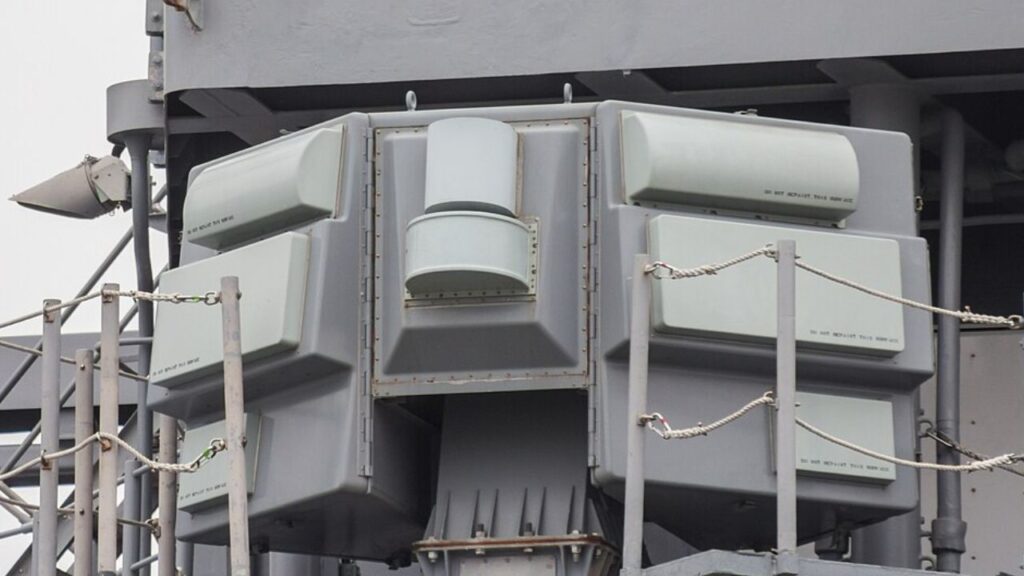
Electronic Warfare (EW) suites are designed to disrupt enemy communications and radar systems, providing a tactical advantage in conflict scenarios. In the Strait of Hormuz, EW systems like the ANSLQ-32 Electronic Warfare Suite are tested for their ability to effectively jam and deceive hostile systems.
These tests evaluate the systems’ performance in complex electromagnetic environments, ensuring they can operate effectively alongside other military technologies. The successful deployment of EW suites enhances the overall operational capabilities of military forces in the region.
Enhanced Surveillance Satellites
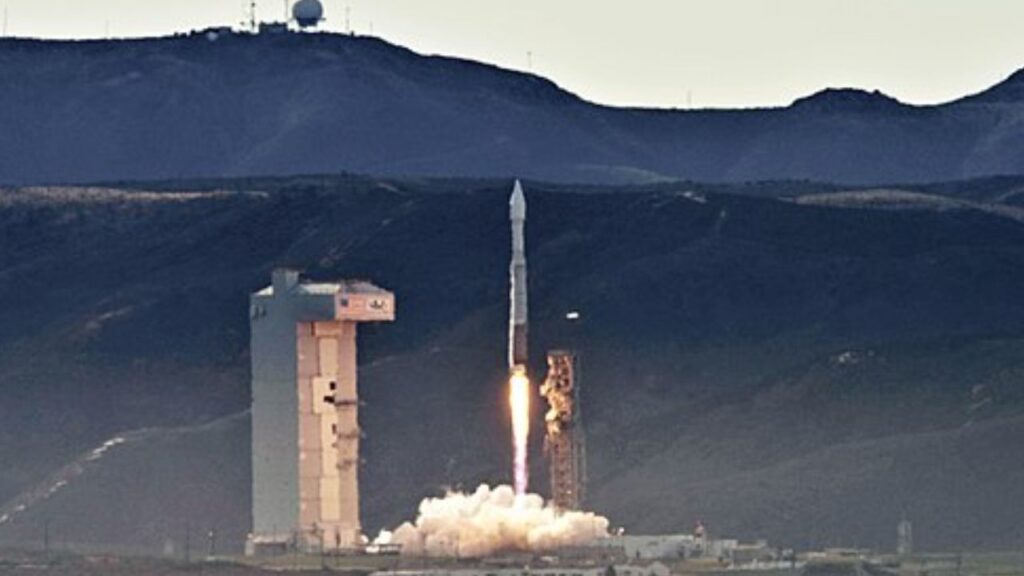
Surveillance satellites play a vital role in monitoring global hotspots, and the Strait of Hormuz is no exception. Enhanced surveillance satellites equipped with advanced imaging and signal interception capabilities are tested for their ability to provide real-time intelligence and situational awareness.
These satellites, such as the WorldView-4, offer high-resolution imagery that is invaluable for tracking ship movements and identifying potential threats. By testing these technologies in the Strait of Hormuz, military forces can ensure continuous surveillance and rapid response to any developments in this strategically important region.