
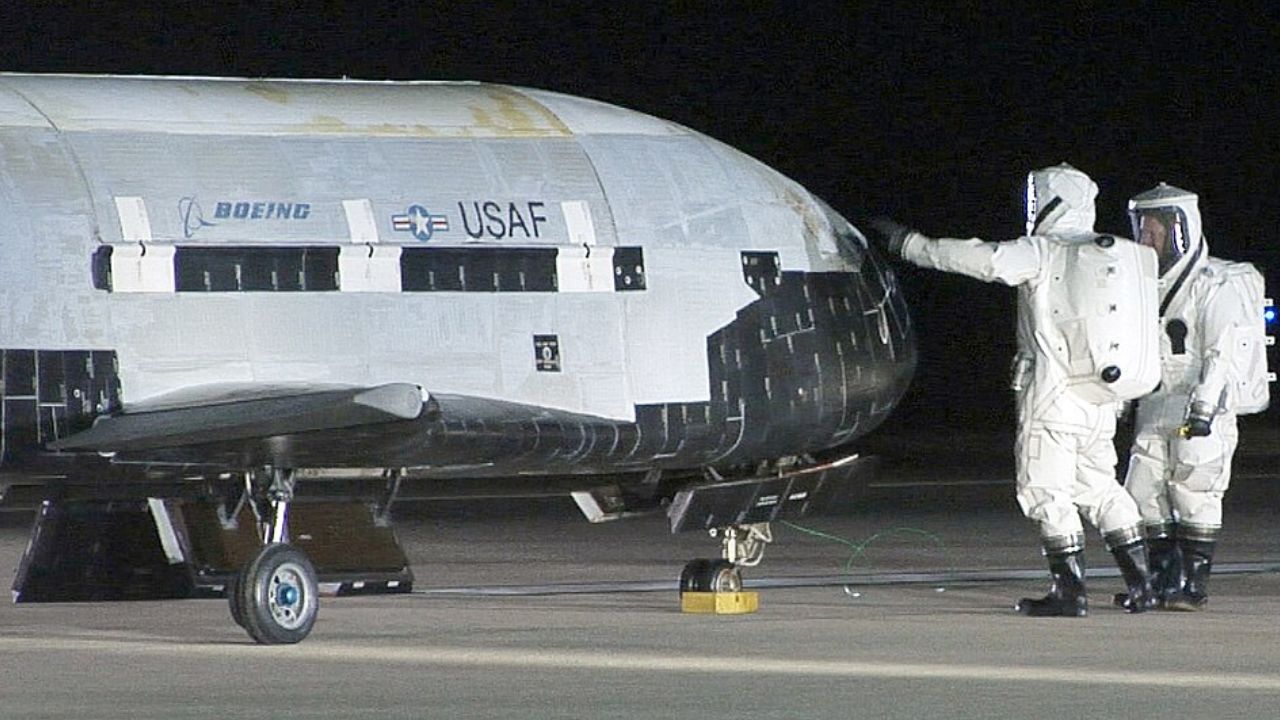
Space missions have long been at the forefront of technological innovation, often pushing boundaries in ways that quietly influence military advancements. While many space missions capture the public’s imagination with their scientific discoveries and exploration feats, some have had a significant impact on military capabilities, often behind the scenes. Here are seven space missions that have played a crucial role in advancing military technology.
Corona Reconnaissance Satellites
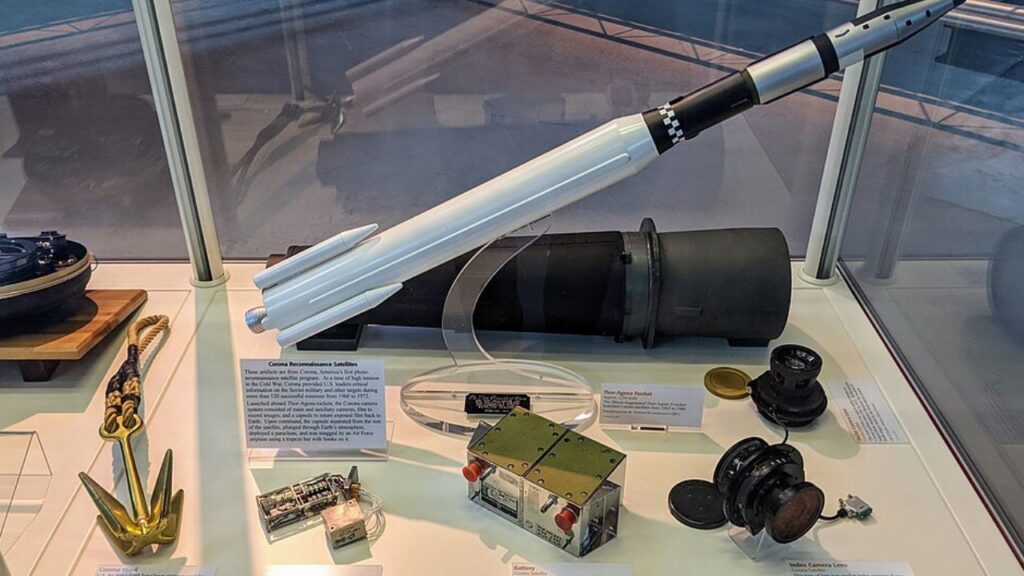
The Corona program was the first series of American strategic reconnaissance satellites. Operated by the Central Intelligence Agency (CIA) and the U.S. Air Force, these satellites were crucial during the Cold War. They provided vital intelligence on Soviet military activities, including missile and bomber bases, which were previously undetectable. The Corona satellites utilized film-based cameras, and the images were physically returned to Earth in capsules, a significant technological feat for its time.
Launched between 1959 and 1972, Corona’s ability to gather intelligence from space transformed reconnaissance practices. The program’s success demonstrated the strategic value of satellite surveillance, setting a precedent for future satellite reconnaissance missions that continue to play a vital role in military strategy today.
Vela 5A & 5B Satellites for Nuclear Detection
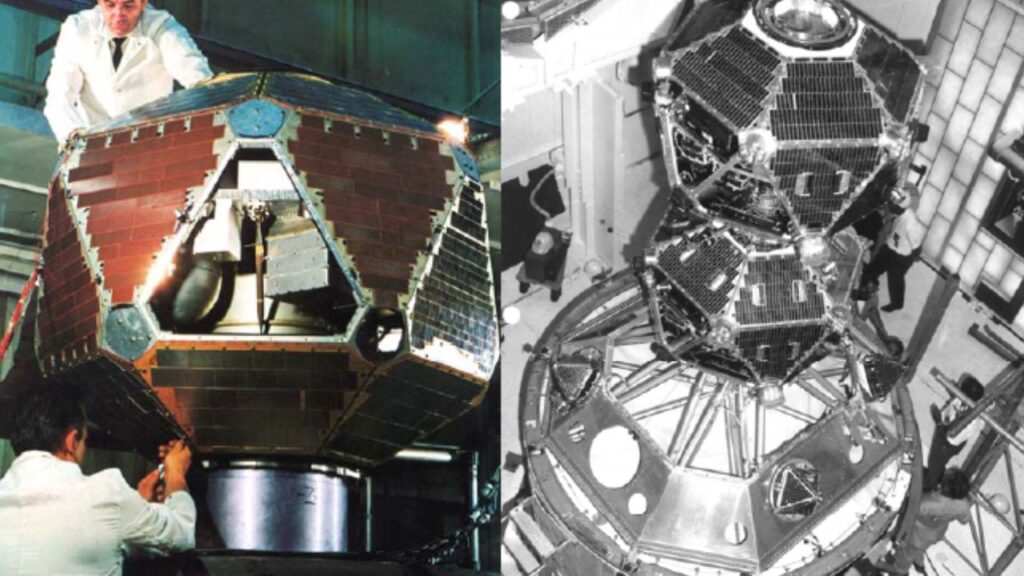
The Vela satellites were developed to monitor compliance with the 1963 Partial Test Ban Treaty, which prohibited nuclear explosions in the atmosphere, outer space, and underwater. Launched by the U.S. Air Force, these satellites were designed to detect nuclear detonations and played a critical role in ensuring treaty compliance. The Vela program marked the first deployment of space-based sensors capable of detecting nuclear tests from orbit.
The Vela satellites were instrumental in the detection of the mysterious “Vela Incident” in 1979, when a double flash of light was observed, suggesting a possible nuclear explosion in the Indian Ocean. Although never conclusively resolved, the incident highlighted the importance of space-based monitoring in global security and non-proliferation efforts.
GPS NAVSTAR Satellite System

The Global Positioning System (GPS), originally developed by the U.S. Department of Defense, revolutionized navigation and timing for military operations. The NAVSTAR satellites form the backbone of the GPS system, providing precise geolocation data to military assets worldwide. Initially intended for military use, GPS technology has since become ubiquitous in civilian applications, from navigation apps in smartphones to precision agriculture.
The GPS system enhances military capabilities by allowing for precise targeting, navigation, and synchronization of operations. It has become an indispensable tool for modern warfare, demonstrating how military-driven space technology can have far-reaching civilian benefits.
KH-11 KENNAN Spy Satellites
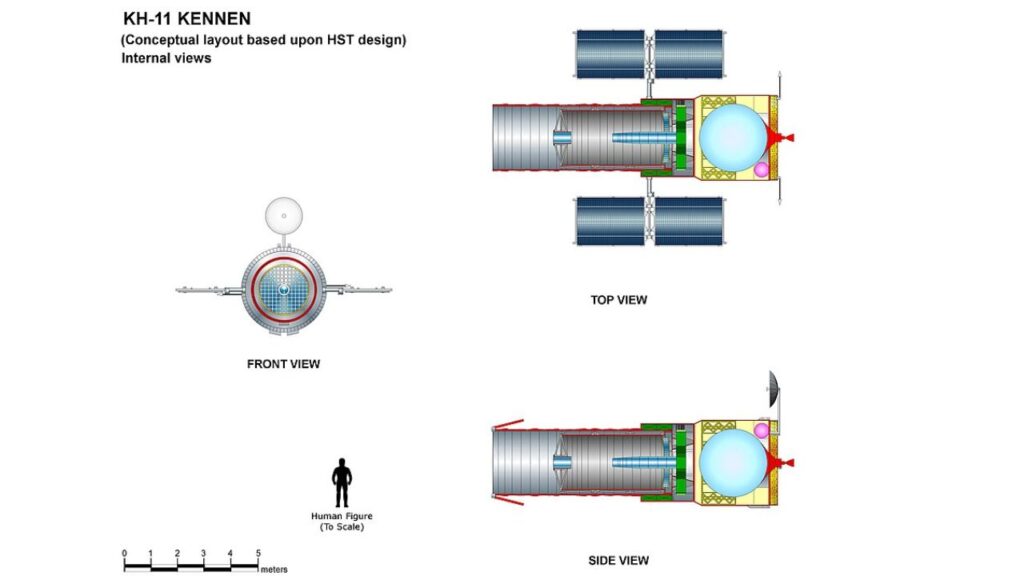
The KH-11 KENNAN satellites were the first American spy satellites to utilize electro-optical digital imaging, allowing for real-time transmission of images back to Earth. Launched starting in the 1970s, these satellites provided unparalleled reconnaissance capabilities, enabling near-instantaneous observation of strategic locations worldwide.
KH-11 satellites have been crucial in providing high-resolution imagery for military intelligence, supporting various operations by offering detailed information on enemy positions and activities. Their technological advancements paved the way for further innovations in satellite imagery and reconnaissance.
Defense Support Program (DSP) Satellites

The Defense Support Program (DSP) satellites have been a cornerstone of the United States’ missile early warning system since the 1970s. These satellites are equipped with infrared sensors that detect heat from missile launches, providing early warning of potential attacks. The DSP system has been crucial in maintaining global security and providing strategic defense capabilities.
Over the years, DSP satellites have evolved to enhance their detection capabilities, adapting to new threats and technological advancements. Their ability to quickly identify missile launches has been vital for national defense, offering critical response time in crisis situations.
X-37B Orbital Test Vehicle
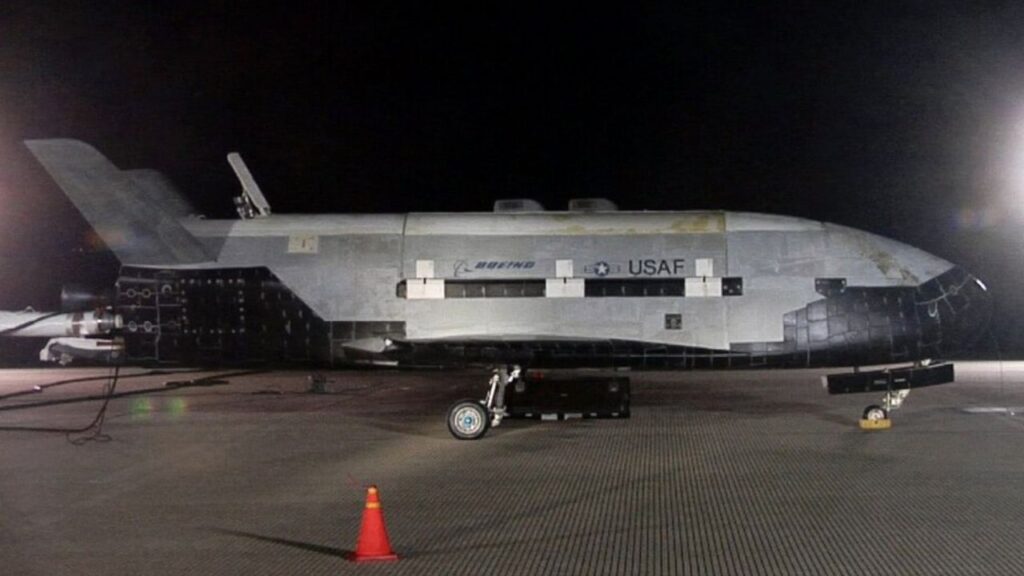
The X-37B Orbital Test Vehicle is an experimental spaceplane developed by the U.S. Air Force. Designed for long-duration missions, the X-37B tests new technologies in space, including advanced materials and autonomous orbital flight. Its missions are often classified, leading to speculation about its role in military technology development.
The X-37B’s ability to remain in orbit for extended periods and return to Earth autonomously makes it a valuable asset for testing and deploying military technologies. It represents a new approach to space operations, combining reusable spacecraft technology with military experimentation.
Space Surveillance Telescope (SST)

The Space Surveillance Telescope (SST) was developed to enhance space situational awareness by detecting and tracking space debris and other objects in orbit. Originally operated by the U.S. Air Force, the SST has been transferred to Australia as part of a joint effort to improve global space monitoring capabilities.
The SST’s advanced optics and wide field of view make it a critical tool for identifying potential threats in space, such as debris that could endanger satellites or manned missions. By improving our ability to monitor the space environment, the SST contributes to the protection of vital military and civilian space assets.