
In some of the harshest environments on Earth, specialized machines are required to perform tasks that ordinary equipment simply can’t handle. From extreme temperatures to corrosive saltwater, these machines are designed to thrive where most fail. Let’s explore some unique machinery that excels in these challenging conditions.
Extreme Temperature Excavators
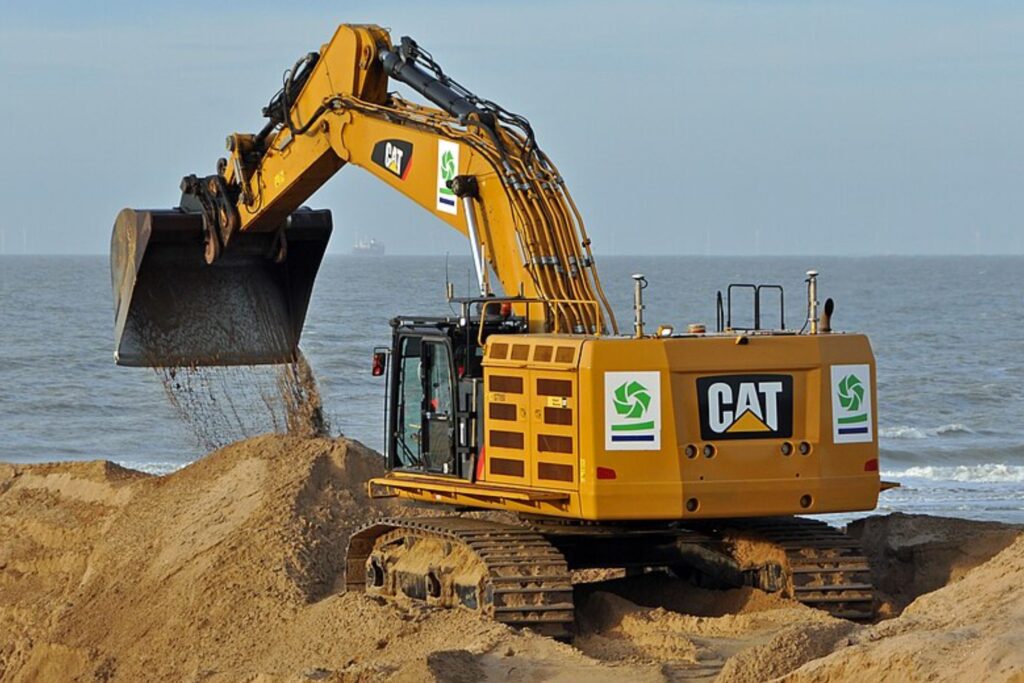
Excavators designed for extreme temperatures are engineered to operate efficiently in both scorching deserts and freezing polar regions. These machines come equipped with advanced cooling and heating systems to maintain functionality. One notable example is the Caterpillar 374F L excavator, which can withstand temperatures ranging from -40°F to 120°F, making it a versatile option for various climates.
These excavators also feature reinforced components and specialized hydraulic systems that prevent overheating or freezing. Their robust design allows them to handle the stress of fluctuating temperatures, ensuring reliable performance regardless of the environment.
Subsea Robotics
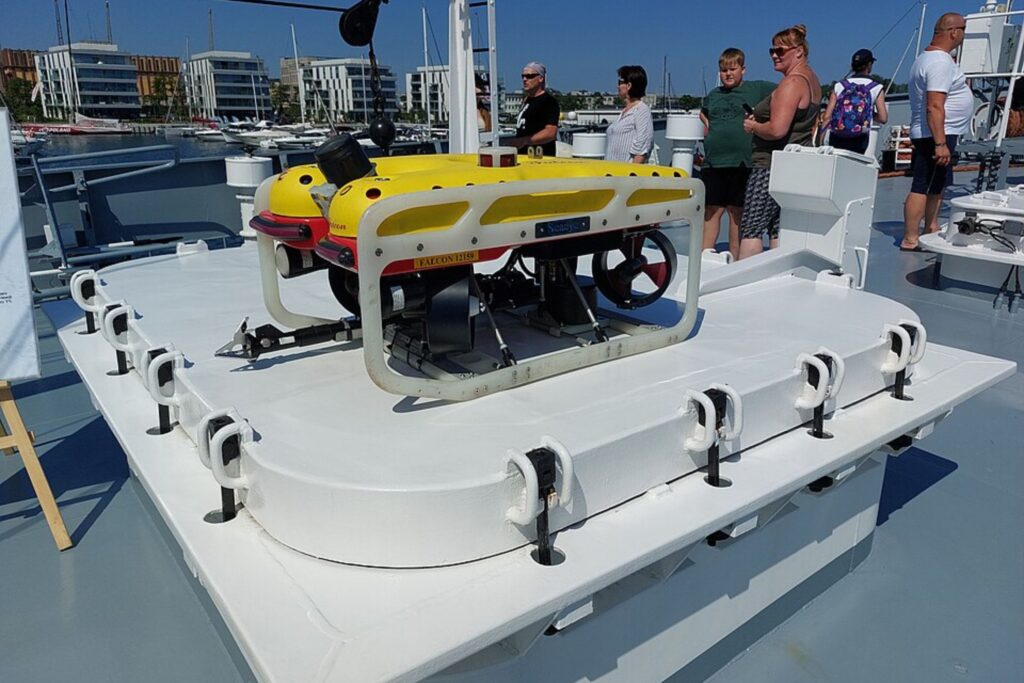
Subsea robotics are essential for deep-sea exploration and underwater construction tasks. These machines are built to withstand immense pressure while providing high precision in tasks such as pipeline inspection and repair. The ROV (Remotely Operated Vehicle) known as the Saab Seaeye Falcon is a prime example, capable of diving up to 1,000 meters deep while delivering exceptional maneuverability.
Equipped with high-definition cameras and advanced navigation systems, subsea robots provide real-time data and imagery, crucial for marine research and offshore industries. Their ability to operate in near-zero visibility conditions makes them indispensable tools for oceanic endeavors.
Autonomous Mining Trucks
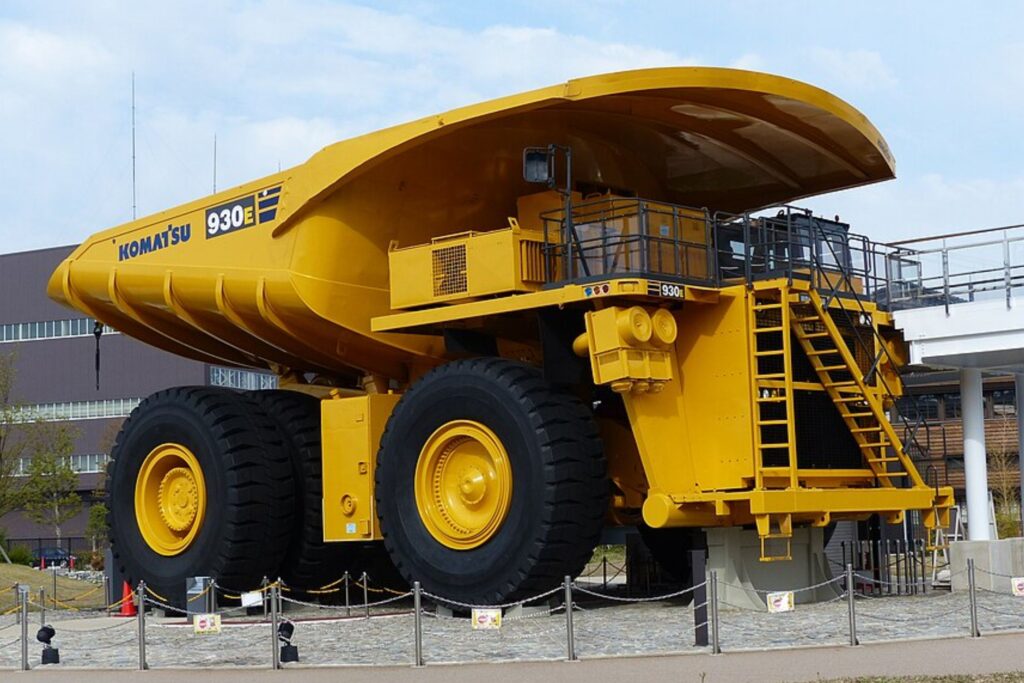
Autonomous mining trucks are revolutionizing the mining industry by operating in some of the most isolated and inhospitable areas on the planet. These self-driving giants, like the Komatsu 930E, are equipped with GPS, radar, and laser sensors to navigate rugged terrains without human intervention.
By eliminating the need for drivers, these trucks can operate continuously, improving efficiency and safety. They are particularly effective in remote locations where extreme weather and difficult terrain would challenge conventional vehicles.
Arctic Snow Groomers
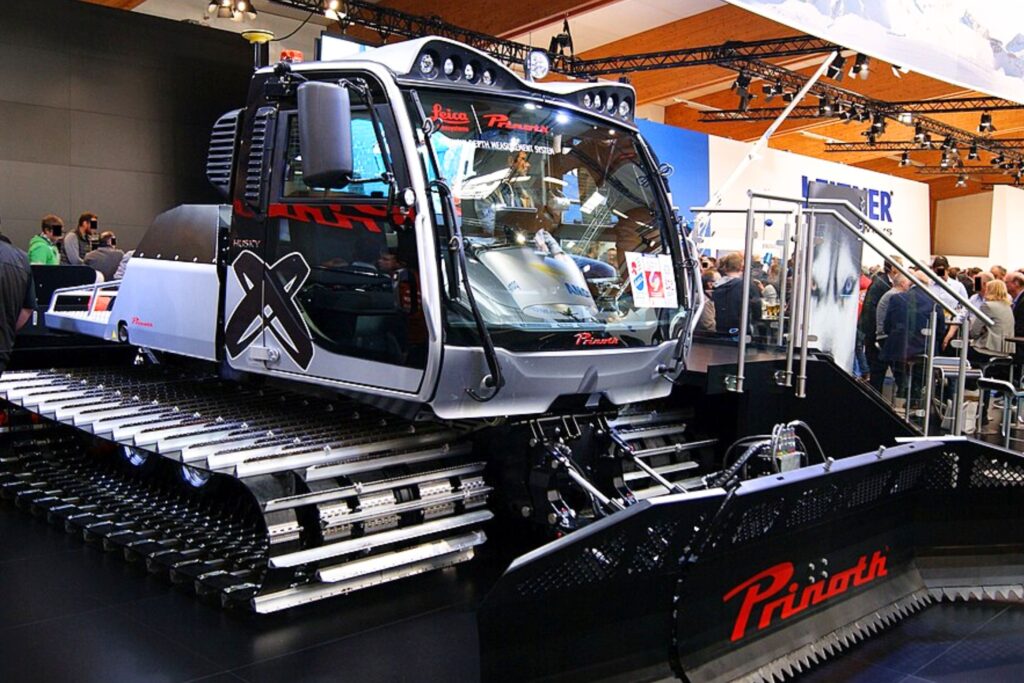
Snow groomers are vital in Arctic climates, where maintaining snow-covered trails and roads can be a daily challenge. Machines like the Prinoth Husky are designed to operate in sub-zero temperatures, with heated cabs and powerful engines that prevent freezing.
These groomers are equipped with advanced tiller systems to manage varying snow conditions, ensuring smooth and safe pathways. Their ability to work in blizzards and on icy surfaces makes them indispensable for ski resorts and remote Arctic communities.
Volcanic Ash Cleaners
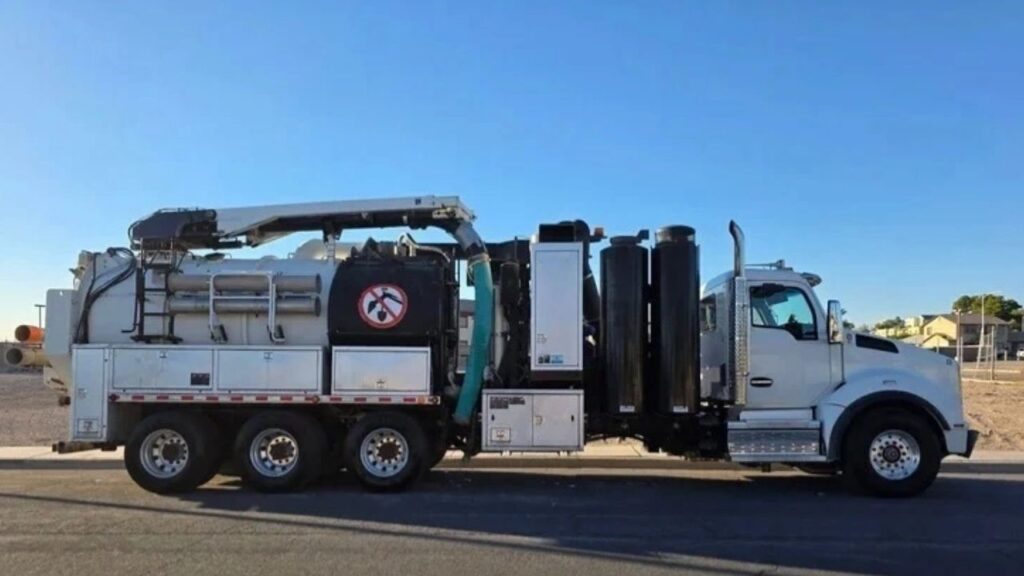
Volcanic ash cleaners are specialized machines designed to handle the unique challenge of volcanic ash accumulation. The Vactor HXX HydroExcavator is one example that uses high-pressure water and vacuum systems to safely remove ash from streets and infrastructure.
These machines are crucial in regions like Iceland and parts of Japan, where volcanic activity can disrupt daily life. By efficiently clearing ash, they help prevent damage to vehicles, buildings, and air quality.
Radiation-Resistant Drones
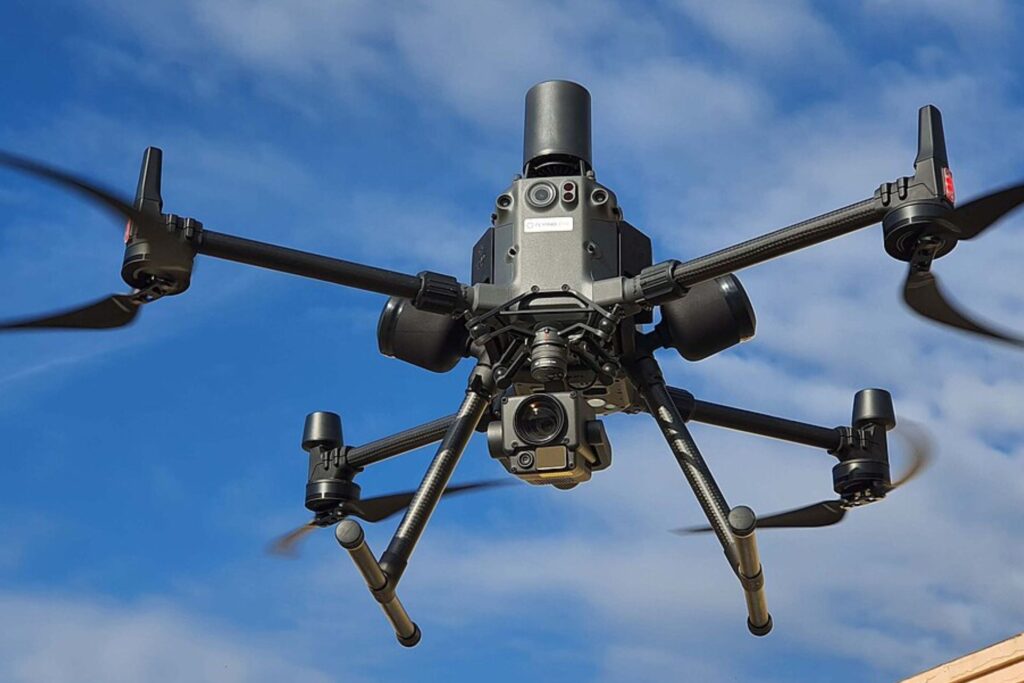
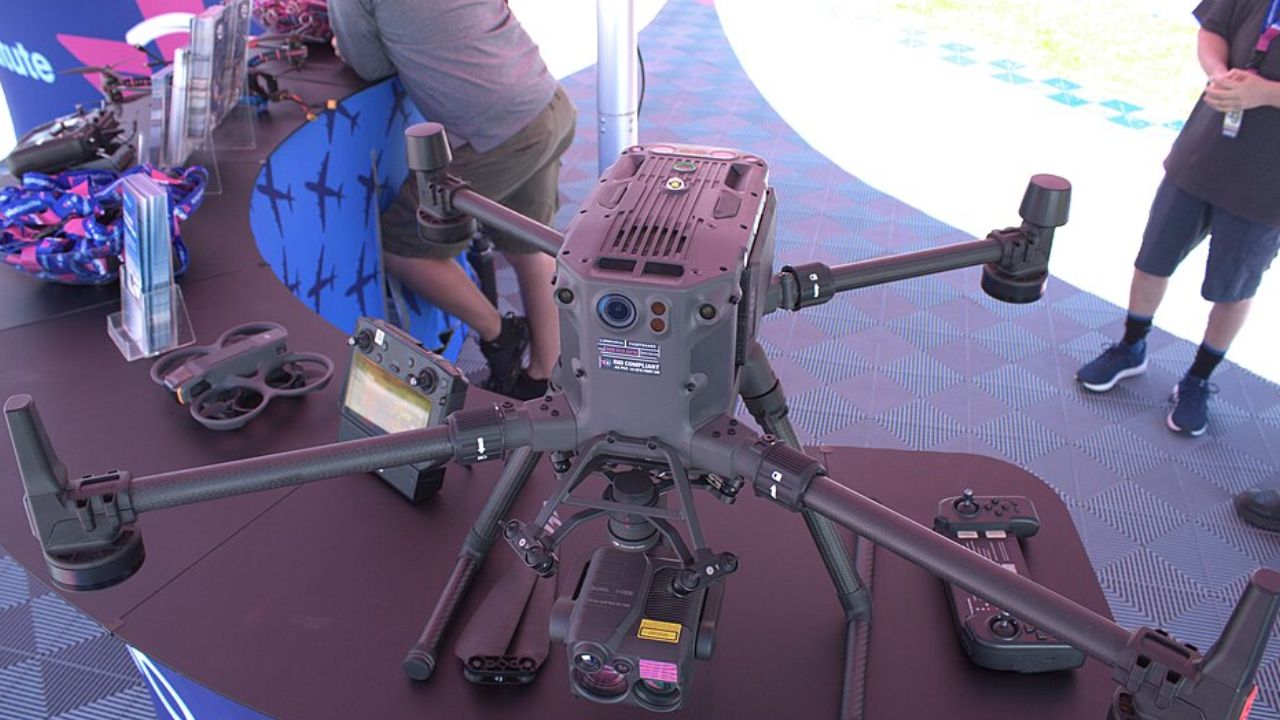
In environments with high radiation levels, such as nuclear power plants or disaster sites, radiation-resistant drones are essential. The DJI Matrice 300 RTK, with its radiation-hardened sensors, allows operators to safely conduct inspections and surveys from a distance.
These drones can collect data and imagery without exposing humans to harmful radiation, making them invaluable in monitoring and managing hazardous sites. Their ability to fly in restricted and dangerous areas significantly enhances safety and efficiency.
High-Altitude Construction Cranes
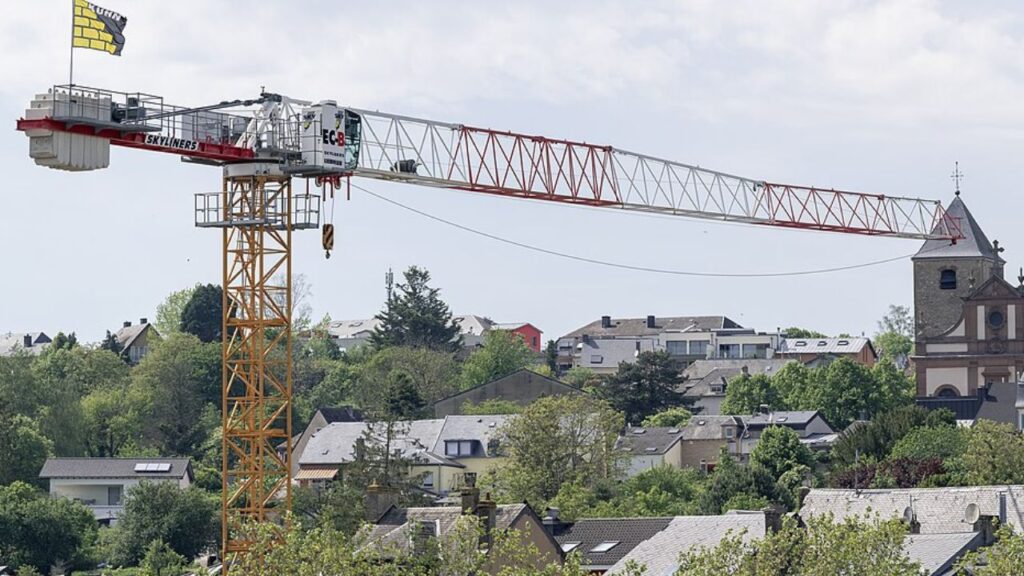
Construction cranes designed for high altitudes are engineered to withstand low temperatures and high winds. Liebherr’s 150 EC-B 8 Litronic is a flat-top crane specifically built for challenging environments like the Himalayas or the Andes.
These cranes feature specialized counterweights and reinforced structures to maintain stability. Their ability to operate in thin air and extreme weather conditions makes them ideal for high-altitude construction projects.
Saltwater-Resilient Desalination Units
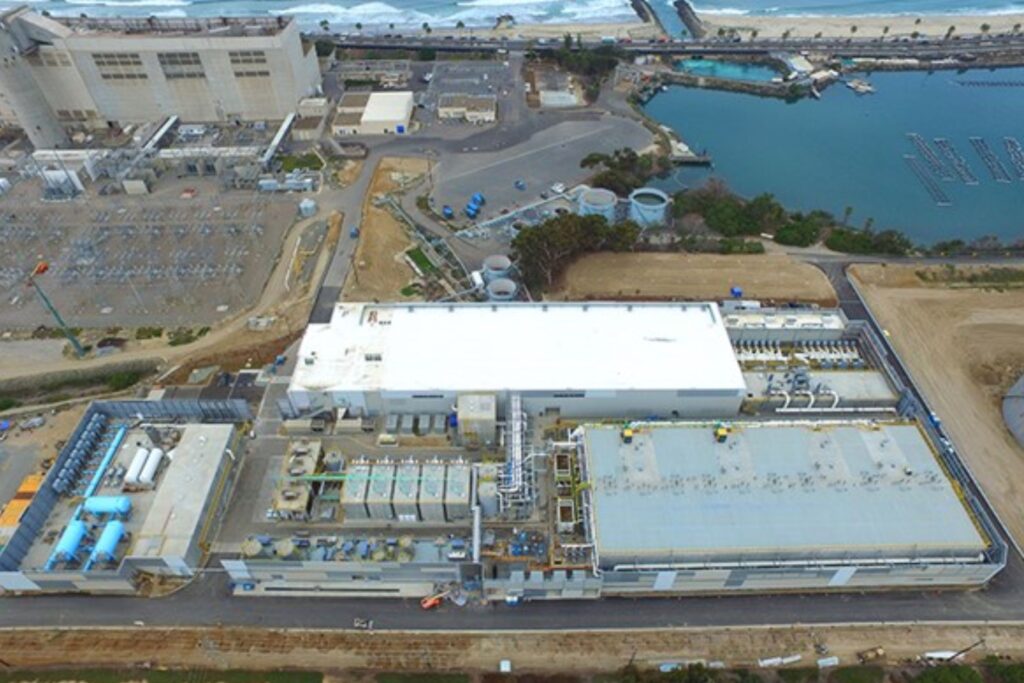
Desalination units that withstand corrosive saltwater are vital for producing fresh water in coastal and arid regions. The Carlsbad Desalination Plant in California uses advanced reverse osmosis technology to convert seawater into potable water, handling the harsh marine environment effectively.
These units are built with corrosion-resistant materials and sophisticated filtration systems to ensure long-term operation. Their ability to provide fresh water from the sea is crucial for sustaining growing populations in water-scarce areas.