

Throughout history, warfare has driven technological advancements that have had profound impacts on the battlefield. These innovations often change the course of conflicts and redefine military strategies. From ancient to modern times, certain innovations have stood out for their effectiveness and lasting influence.
Gunpowder Artillery
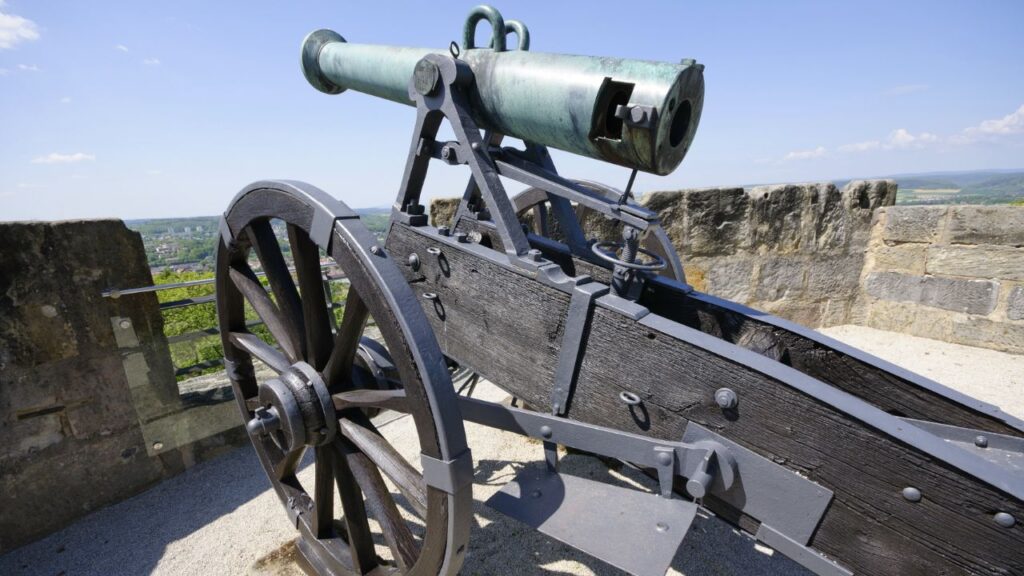
Gunpowder artillery revolutionized siege warfare and battlefield engagements during the late Middle Ages and early Renaissance. Cannons, capable of breaching fortified walls, played a decisive role in battles like the Fall of Constantinople in 1453. The Ottomans’ use of large cannons to bring down the city’s formidable walls marked a shift in military engineering.
The introduction of gunpowder artillery also spurred changes in fortress design, leading to the development of star forts with angled bastions to better withstand artillery fire. This highlights how technological innovations can drive changes in both offensive and defensive military strategies.
The Ironclad Warship
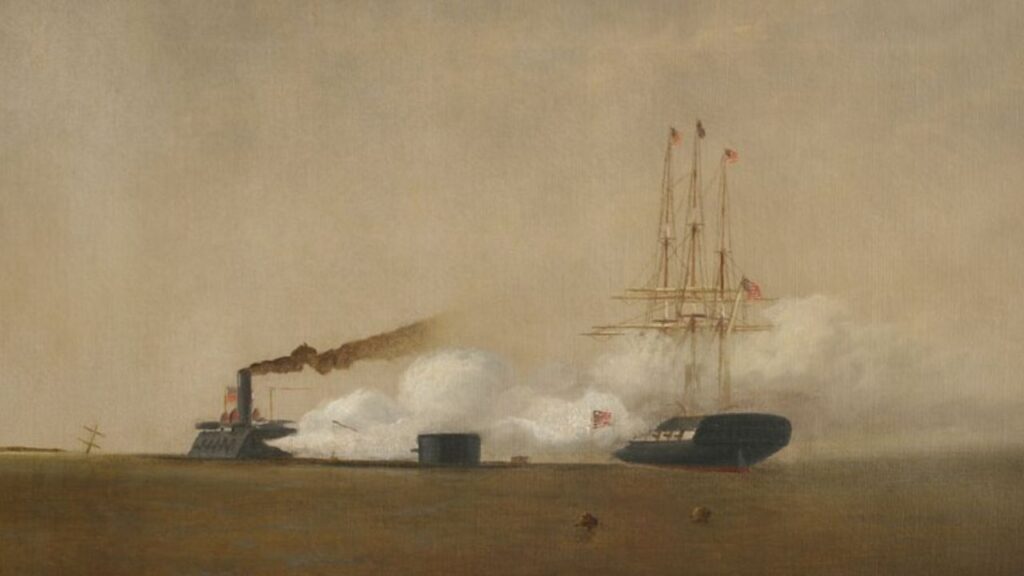
Public Domain
The ironclad warship marked a turning point in naval warfare during the 19th century. The USS Monitor and CSS Virginia, which clashed in the Battle of Hampton Roads in 1862 during the American Civil War, demonstrated the superiority of ironclad vessels over traditional wooden ships. Their armored hulls provided significant protection against cannon fire, changing naval combat dynamics.
This innovation led to a global naval arms race, with countries quickly adopting ironclad designs to ensure maritime dominance. The transition from wooden sailing ships to steam-powered ironclads was a critical step in modern naval warfare evolution.
The Machine Gun

The machine gun, with its rapid-fire capability, transformed infantry tactics by providing unprecedented firepower. First widely used in World War I, machine guns like the Maxim gun allowed defenders to create lethal zones of fire, contributing to the stalemate of trench warfare on the Western Front.
This weapon forced armies to rethink offensive strategies, leading to the development of combined arms tactics that integrated artillery, infantry, and tanks to overcome machine gun defenses. The machine gun’s influence on 20th-century warfare underscores the importance of adapting tactics to new technologies.
Radio Communication

Radio communication introduced a new level of coordination and flexibility to military operations. First used extensively during World War I, radios enabled real-time communication between units and command centers, facilitating more dynamic and responsive strategies.
During World War II, radio technology was crucial for coordinating complex operations such as the D-Day landings. The ability to communicate effectively across vast distances allowed for more efficient command and control, highlighting the strategic advantage of advanced communication technologies in modern warfare.
The Tank
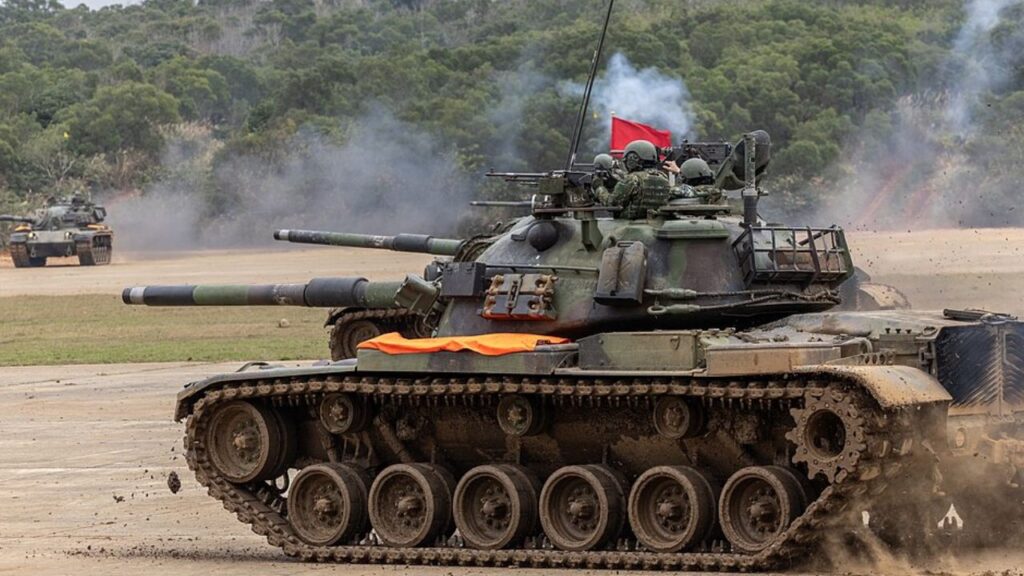
The introduction of tanks during World War I offered a solution to the stalemate of trench warfare. First deployed by the British at the Battle of the Somme in 1916, tanks provided mobility and firepower that could overcome entrenched positions, reshaping battlefield tactics.
In World War II, tanks became integral to Blitzkrieg tactics, allowing for rapid advances and decisive engagements. The development and deployment of tanks underscored the importance of mechanization in modern warfare, as they continue to be a key component of military forces worldwide.
Radar Technology

Radar technology, developed in the lead-up to World War II, provided a significant strategic advantage by detecting enemy aircraft and ships at long ranges. The British use of radar during the Battle of Britain helped them successfully counter German air raids, demonstrating radar’s critical role in air defense.
Radar’s ability to provide early warning and guide defensive measures transformed military operations, leading to its widespread adoption in both naval and air warfare. Its development marked a new era in electronic warfare, emphasizing the importance of information and detection in combat.
The Jet Engine
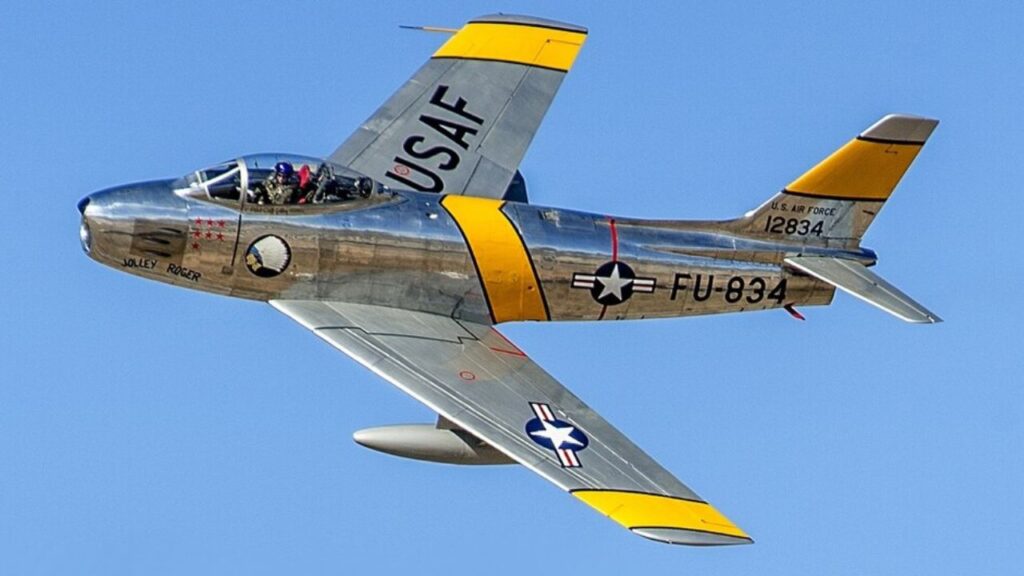
The advent of the jet engine revolutionized air combat in the mid-20th century. First combat-tested during World War II with aircraft such as the German Me 262, jets offered superior speed and performance compared to propeller-driven planes, changing the dynamics of aerial dogfights.
During the Korean War, jet aircraft like the F-86 Sabre and MiG-15 highlighted the strategic significance of jet technology. The transition to jet-powered aircraft accelerated advancements in aviation technology and reshaped air force capabilities worldwide.
Precision-Guided Munitions

Precision-guided munitions (PGMs) have transformed modern warfare by allowing for accurate strikes with minimal collateral damage. First used extensively during the Vietnam War, PGMs like laser-guided bombs have become essential in modern military operations.
Their effectiveness was demonstrated during the Gulf War, where precision strikes played a key role in disabling critical Iraqi infrastructure. PGMs have enabled more targeted military strategies, emphasizing the importance of accuracy and efficiency in conflict scenarios.
Cyber Warfare Tactics
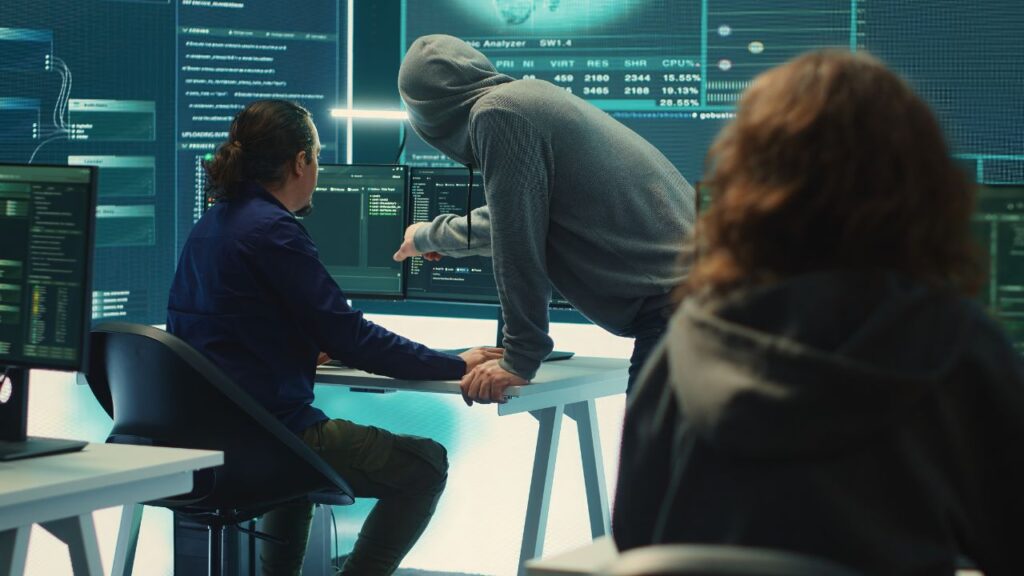
Cyber warfare tactics have emerged as a crucial component of modern military strategy, reflecting the increasing importance of digital infrastructure. Cyberattacks can disrupt communications, disable critical systems, and gather intelligence, offering a new means of gaining an advantage without physical confrontation.
High-profile incidents, such as the Stuxnet worm that targeted Iran’s nuclear facilities, illustrate the potential impact of cyber warfare. As nations continue to invest in cyber capabilities, understanding and countering these tactics have become essential for maintaining security in the digital age.